
Comprehensive Guide to Horizontal Laminar Flow Cabinet Selection and Usage
Horizontal Laminar Flow Cabinet: A Comprehensive Guide
Maintaining a sterile working environment is paramount in numerous scientific and industrial applications. A Horizontal Laminar Flow Cabinet is a crucial piece of equipment for achieving this, providing a controlled atmosphere free from contaminants. This article will explore the functionality, benefits, applications, and considerations when selecting a horizontal laminar flow cabinet, specifically focusing on offerings from CZ Lab Instrument. Understanding these cabinets is vital for anyone involved in research, pharmaceuticals, biotechnology, and more.

How Horizontal Laminar Flow Cabinets Work
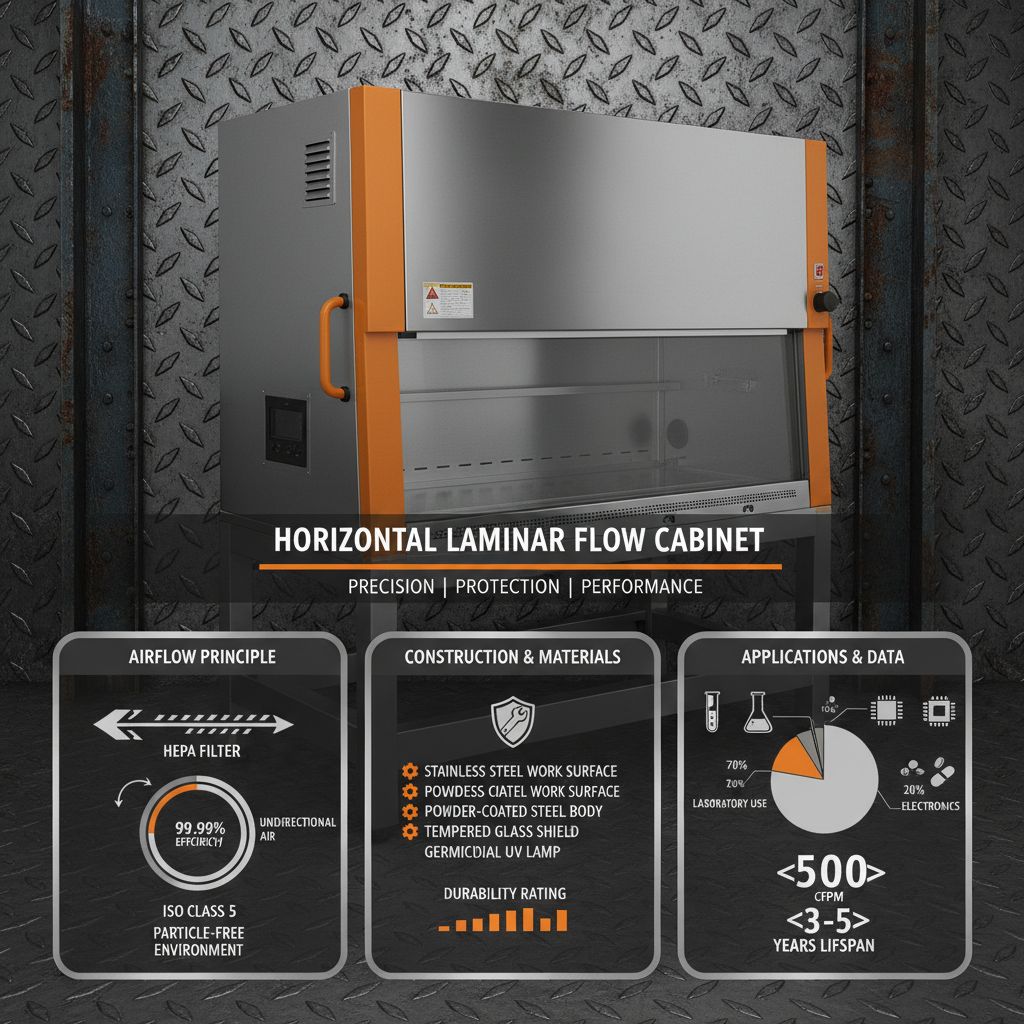
Horizontal laminar flow cabinets draw air in from the rear, pass it through a HEPA filter (High-Efficiency Particulate Air), and then expel the filtered air horizontally across the work surface. This creates a unidirectional, particle-free airflow that protects products and experiments from contamination. Unlike vertical flow cabinets, the airflow is across the operator, meaning the operator is not directly in the path of the filtered air. This makes horizontal cabinets well-suited for working with non-hazardous materials. The HEPA filter removes at least 99.97% of particles 0.3 microns in diameter, ensuring a highly sterile environment. Regular filter maintenance and replacement are essential for optimal performance.
Key Benefit: Provides a controlled, particle-free environment crucial for sensitive applications, preventing contamination and ensuring reliable results.
Applications of Horizontal Laminar Flow Cabinets
Horizontal laminar flow cabinets are used across a diverse range of industries and applications. In biotechnology, they are used for cell culture, microbiology, and sterile compounding. Pharmaceutical companies rely on them for preparing sterile medications and conducting quality control tests. Electronics manufacturing utilizes these cabinets to protect sensitive components from dust and contaminants. Other applications include food preparation, plant propagation, and forensic science. The versatility of these cabinets makes them an invaluable asset in any environment where maintaining sterility is critical.
Common Applications:
• Cell culture and microbiology
• Sterile pharmaceutical compounding
• Electronics assembly and inspection
• Plant tissue culture
Horizontal Laminar Flow Cabinet vs. Vertical Laminar Flow Cabinet: Key Differences
Choosing between a horizontal and vertical laminar flow cabinet depends on your specific needs. Horizontal cabinets, as discussed, deliver airflow across the operator, while vertical cabinets deliver airflow down from above. Vertical cabinets offer better operator protection as the air doesn't flow towards the user, making them suitable for working with potentially hazardous materials. Horizontal cabinets are often more affordable and provide a larger, unobstructed work surface. The direction of airflow also impacts the placement of equipment within the cabinet. Carefully consider your application and safety requirements when making a decision.
Choosing the Right Horizontal Laminar Flow Cabinet from CZ Lab Instrument
CZ Lab Instrument offers a range of horizontal laminar flow cabinets designed to meet diverse laboratory needs. Key considerations when selecting a cabinet include size, airflow velocity, materials of construction (stainless steel is preferred for durability and ease of cleaning), and available features (e.g., UV sterilization). Ensure the cabinet is appropriately sized for your workspace and the equipment you'll be using. Also, check the specifications for airflow velocity to ensure it meets the requirements of your application.
Maintenance and Best Practices for Laminar Flow Cabinets
Regular maintenance is crucial for ensuring the continued performance and sterility of your horizontal laminar flow cabinet. This includes regularly cleaning the work surface with appropriate disinfectants, monitoring and replacing the HEPA filter according to the manufacturer's recommendations (typically every 6-12 months), and checking the airflow velocity. Avoid obstructing the airflow inlets and outlets. Implement a strict protocol for working within the cabinet to minimize contamination risks. Proper training for personnel is also essential.
Conclusion: Ensuring Sterile Environments with CZ Lab Instrument
Investing in a high-quality Horizontal Laminar Flow Cabinet from CZ Lab Instrument is a vital step in maintaining a sterile working environment. Understanding the principles of laminar flow, choosing the right cabinet for your application, and implementing a robust maintenance program will contribute to reliable results and protect your valuable research. Explore the range of options available at CZ Lab Instrument today.
Frequently Asked Questions (FAQs)
How often should the HEPA filter be replaced in a horizontal laminar flow cabinet?
The HEPA filter should typically be replaced every 6-12 months, depending on usage and environmental conditions. However, it's crucial to monitor the filter's performance regularly using a particle counter or airflow meter. If the airflow velocity drops below the recommended level, or if particle counts increase, the filter should be replaced immediately. CZ Lab Instrument provides filter replacement services and guidance on optimal filter change intervals. Ignoring filter replacement can compromise the sterility of the cabinet and invalidate experimental results.
What cleaning agents are safe to use inside a horizontal laminar flow cabinet?
Only use cleaning agents specifically designed for laboratory use and compatible with the materials of your cabinet. Avoid harsh chemicals, abrasive cleaners, and flammable solvents. Isopropyl alcohol (70%) is generally recommended for disinfecting the work surface. Always follow the manufacturer's instructions for cleaning and disinfection. Ensure the cleaning agent is thoroughly removed before resuming work to avoid contamination. CZ Lab Instrument can provide guidance on recommended cleaning protocols.
What is the typical airflow velocity for a horizontal laminar flow cabinet?
The typical airflow velocity for a horizontal laminar flow cabinet is around 80-120 feet per minute (fpm). This velocity is sufficient to create a stable and unidirectional airflow that effectively prevents contamination. Regular monitoring of the airflow velocity is essential to ensure the cabinet is functioning correctly. CZ Lab Instrument's cabinets are designed to maintain consistent airflow and provide accurate performance data.
Can I use a horizontal laminar flow cabinet for working with infectious materials?
No. Horizontal laminar flow cabinets are not designed for working with infectious, hazardous, or volatile materials. For these applications, a Biological Safety Cabinet (BSC) is required. BSCs provide operator protection in addition to product protection, utilizing inward airflow to contain hazardous substances. Using a horizontal laminar flow cabinet with hazardous materials poses a significant risk of exposure.


