
Choosing the Right Lab Vacuum Drying Oven for Research and Industrial Applications
Choosing the Right Lab Vacuum Drying Oven for Your Research
A lab vacuum drying oven is a crucial piece of equipment in many scientific and industrial settings. It’s used to remove volatile substances from samples by reducing pressure and applying controlled heat. This article will explore the key features, applications, benefits, and considerations when selecting a vacuum drying oven for your laboratory. Whether you're in pharmaceuticals, materials science, or food processing, choosing the right oven can dramatically improve your research outcomes.
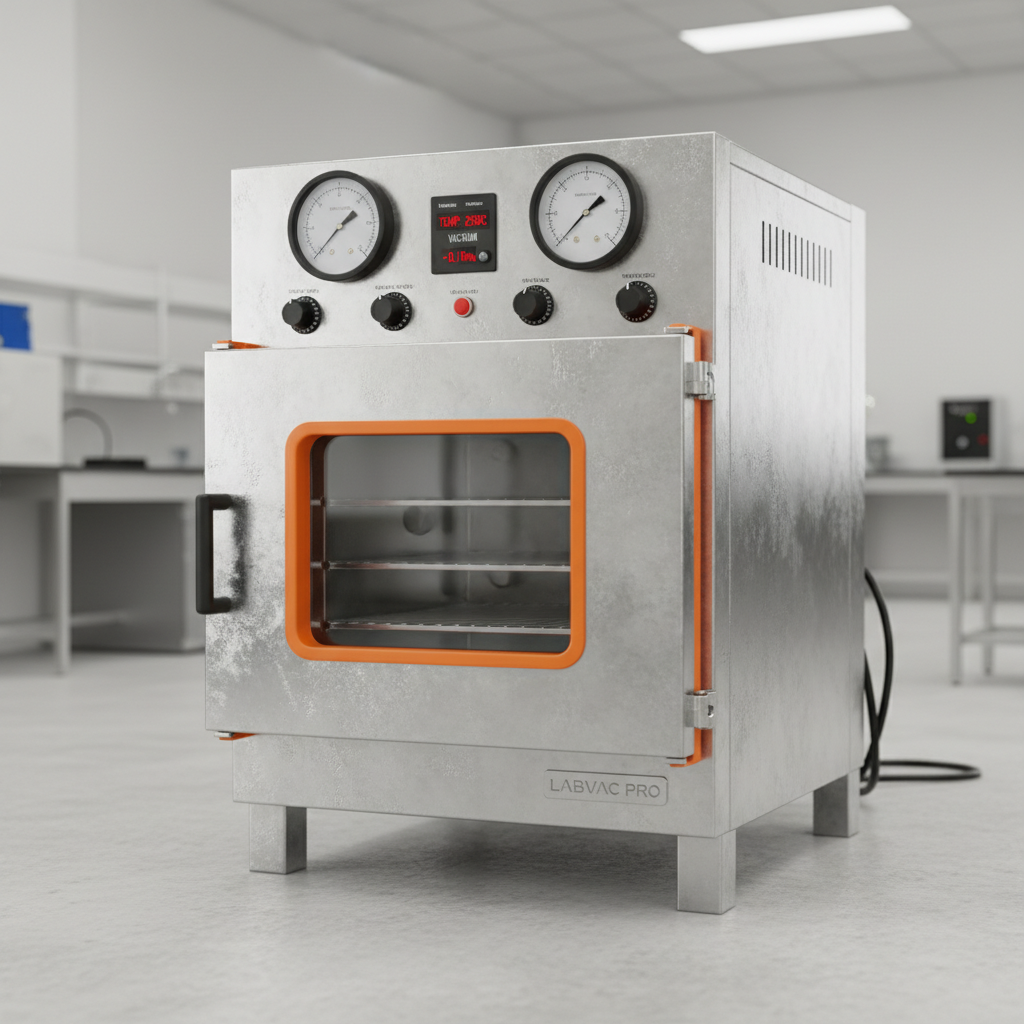
Understanding Vacuum Drying Oven Technology
Vacuum drying ovens operate on the principle of reducing the boiling point of liquids by lowering the surrounding pressure. This allows for the gentle removal of solvents and moisture from heat-sensitive materials without degradation. The process involves placing the sample inside a chamber, creating a vacuum using a pump, and then applying controlled heat. The vacuum lowers the pressure, facilitating the evaporation of volatile substances at lower temperatures. This is particularly important for materials that would be damaged by high-temperature conventional drying methods. CZ Lab Instrument offers a range of ovens to meet diverse needs.
Key Benefit: Gentle drying for heat-sensitive materials, preserving sample integrity and ensuring accurate results.
Applications of Lab Vacuum Drying Ovens
The versatility of vacuum drying ovens makes them indispensable across numerous disciplines. In the pharmaceutical industry, they're used for drying APIs (Active Pharmaceutical Ingredients) and formulating drug products. Materials scientists utilize them for preparing samples for analysis and manufacturing advanced materials. Food processing benefits from vacuum drying to preserve flavor and nutrients during the creation of dried foods. Furthermore, environmental monitoring labs use them to determine moisture content in soil and other samples. Explore our application notes for more detailed examples.
Common Applications:
• Pharmaceutical Drying
• Materials Science Sample Prep
• Food Processing & Preservation
• Environmental Sample Analysis
Key Features to Consider When Selecting a Lab Vacuum Drying Oven
When choosing a vacuum drying oven, several factors should be considered. Chamber volume is critical to accommodate your sample sizes. Temperature control accuracy and uniformity are essential for reliable results. A robust vacuum pump and tight sealing are vital for achieving and maintaining the desired vacuum level. Additionally, features like programmable controllers, inert gas purging, and data logging can enhance functionality. Consider the materials of construction – stainless steel is often preferred for its corrosion resistance.
Benefits of Using a Vacuum Drying Oven
Using a vacuum drying oven offers several advantages over traditional drying methods. The most significant benefit is the ability to dry heat-sensitive materials without causing degradation. Reduced pressure also accelerates the drying process, saving time and energy. The controlled environment minimizes the risk of contamination, ensuring sample purity. Furthermore, vacuum drying is more efficient and often yields higher recovery rates of the desired product. Our ovens deliver exceptional performance.
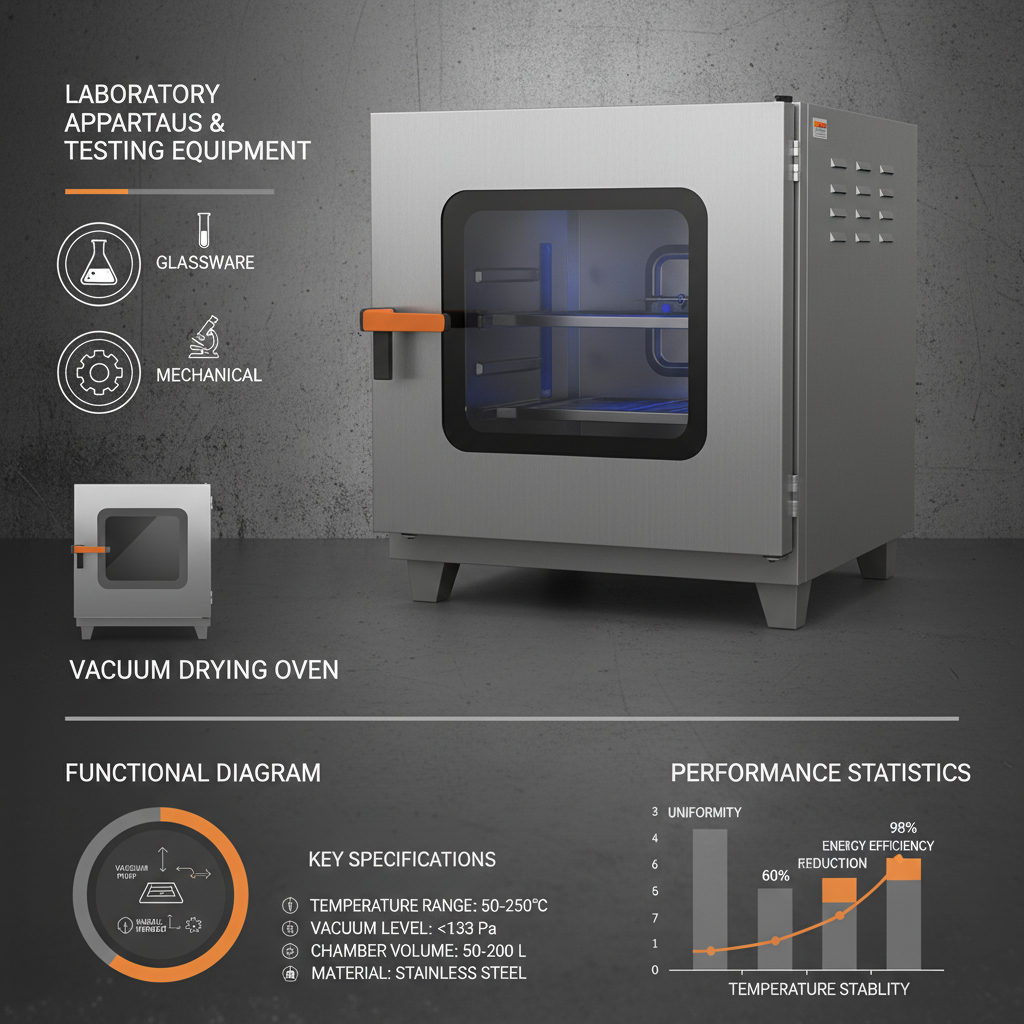
CZ Lab Instrument Vacuum Drying Oven Specifications
Here's a glimpse into the specifications of our standard Lab Vacuum Drying Oven:
Conclusion: Optimize Your Drying Processes with CZ Lab Instrument
Investing in a high-quality lab vacuum drying oven from CZ Lab Instrument is a smart decision for any research or industrial laboratory. Our ovens offer superior performance, reliability, and precision, ensuring optimal results for your drying applications. Contact us today to discuss your specific needs and find the perfect solution.
Frequently Asked Questions (FAQs)
What is the typical drying time with a vacuum oven?
Drying time varies significantly depending on the substance being dried, the chamber volume, the vacuum level, and the set temperature. Generally, vacuum drying is considerably faster than conventional drying methods. A typical drying cycle might range from a few hours to overnight. Optimizing parameters like temperature and vacuum level is key to minimizing drying time while preserving sample integrity. For example, highly volatile solvents will require less time than moisture-rich materials.
Can I dry corrosive materials in a vacuum oven?
It depends on the material and the oven's construction. Our vacuum ovens are available with stainless steel chambers, which offer excellent corrosion resistance. However, highly corrosive substances may still require special considerations, such as using a corrosion-resistant coating or employing a venting system to remove corrosive vapors. Always consult the oven's manual and safety guidelines before drying corrosive materials.
How often should I maintain the vacuum pump?
Regular maintenance of the vacuum pump is essential for optimal performance and longevity. This includes checking the oil level (if applicable), replacing the oil at recommended intervals, and cleaning the filters. The frequency of maintenance depends on the pump type and usage. Refer to the pump's manual for specific instructions. Neglecting maintenance can lead to reduced pumping efficiency and potential damage to the pump.
What safety features should I look for in a vacuum drying oven?
Key safety features include over-temperature protection, vacuum failure protection, and a robust door sealing mechanism. An inert gas purging system can also enhance safety by preventing the buildup of flammable vapors. Look for ovens with clear warning indicators and emergency shut-off functions. Always follow proper safety procedures when operating a vacuum drying oven, including wearing appropriate personal protective equipment (PPE).


