
Comprehensive Guide to Medical Hot Air Drying Oven Applications and Selection
Medical Hot Air Drying Oven: A Comprehensive Guide
In scientific research, pharmaceutical production, and various medical applications, maintaining sample integrity is paramount. A Medical Hot Air Drying Oven provides a controlled environment for the safe and effective removal of moisture from materials. This article explores the principles, applications, key features, and considerations for selecting a suitable oven. Understanding the intricacies of these ovens is crucial for achieving reliable and reproducible results. Properly drying samples prevents degradation and ensures accurate analysis.
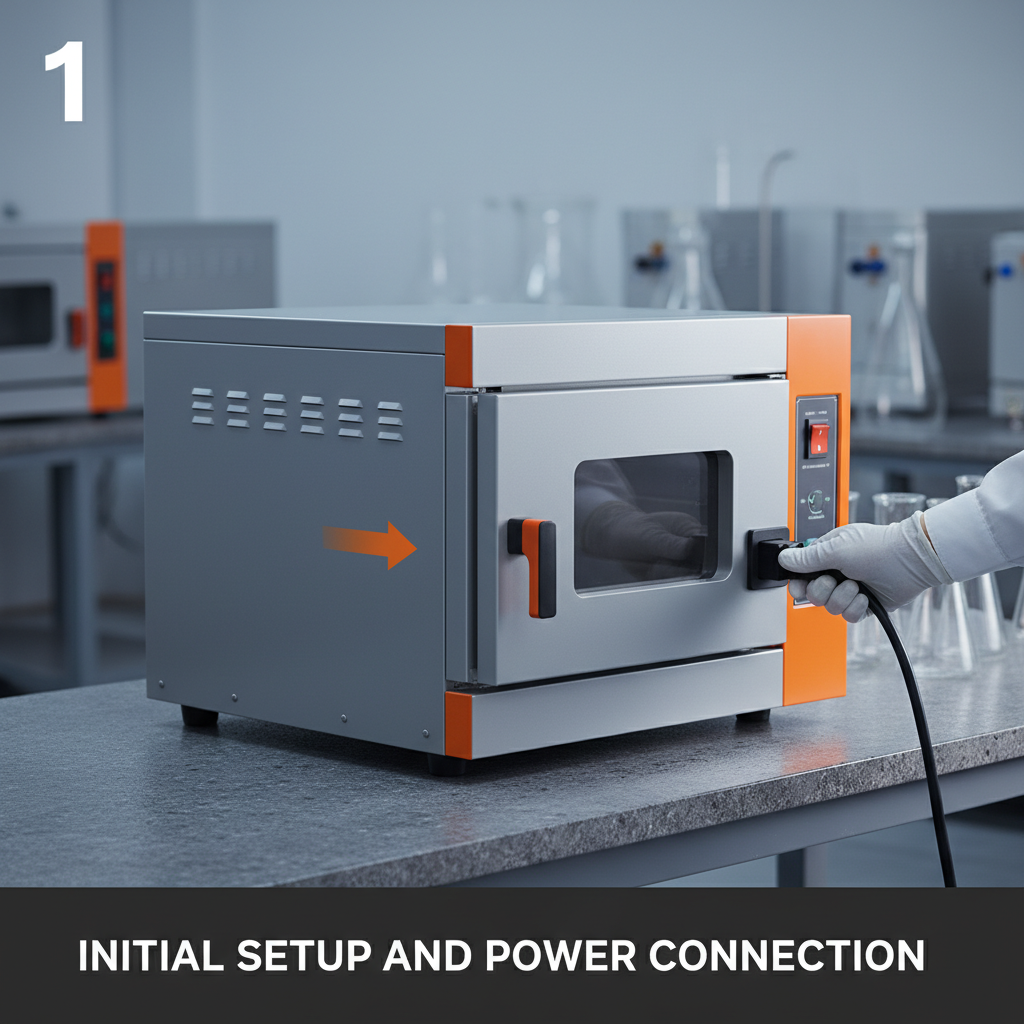
Understanding the Principles of Hot Air Drying
Hot air drying ovens utilize convection – the transfer of heat through the movement of air – to evaporate moisture from samples. Heated air circulates within the chamber, increasing the vapor pressure of the water within the sample. This pressure difference drives the water out of the sample and into the surrounding air. The efficiency of this process depends on factors such as temperature, air velocity, humidity, and the sample's surface area. A well-designed oven ensures uniform temperature distribution and controlled airflow for consistent drying results. Ensuring proper temperature control is crucial to avoid damaging heat-sensitive samples.
Key Highlights: Hot air drying is a widely used method for removing moisture from various materials, especially those sensitive to degradation at higher temperatures. The process relies on convection and controlled environmental parameters for optimal results.
Applications of Medical Hot Air Drying Ovens
Medical Hot Air Drying Ovens find extensive application across diverse sectors. In pharmaceutical research, they are used to dry drug intermediates and final products. Microbiology labs utilize them to prepare media and sterilize glassware. Pathological laboratories employ these ovens for processing tissue samples. Forensic science also benefits from the controlled drying process for evidence preservation. Furthermore, these ovens are used in quality control laboratories for analyzing moisture content in raw materials and finished products. CZLabInstrument offers a variety of ovens tailored to these applications.
Common Applications:
• Drying pharmaceutical products and intermediates
• Sterilizing laboratory glassware
• Preparing microbiological media
• Processing tissue samples in pathology
Key Features to Consider in a Medical Hot Air Drying Oven
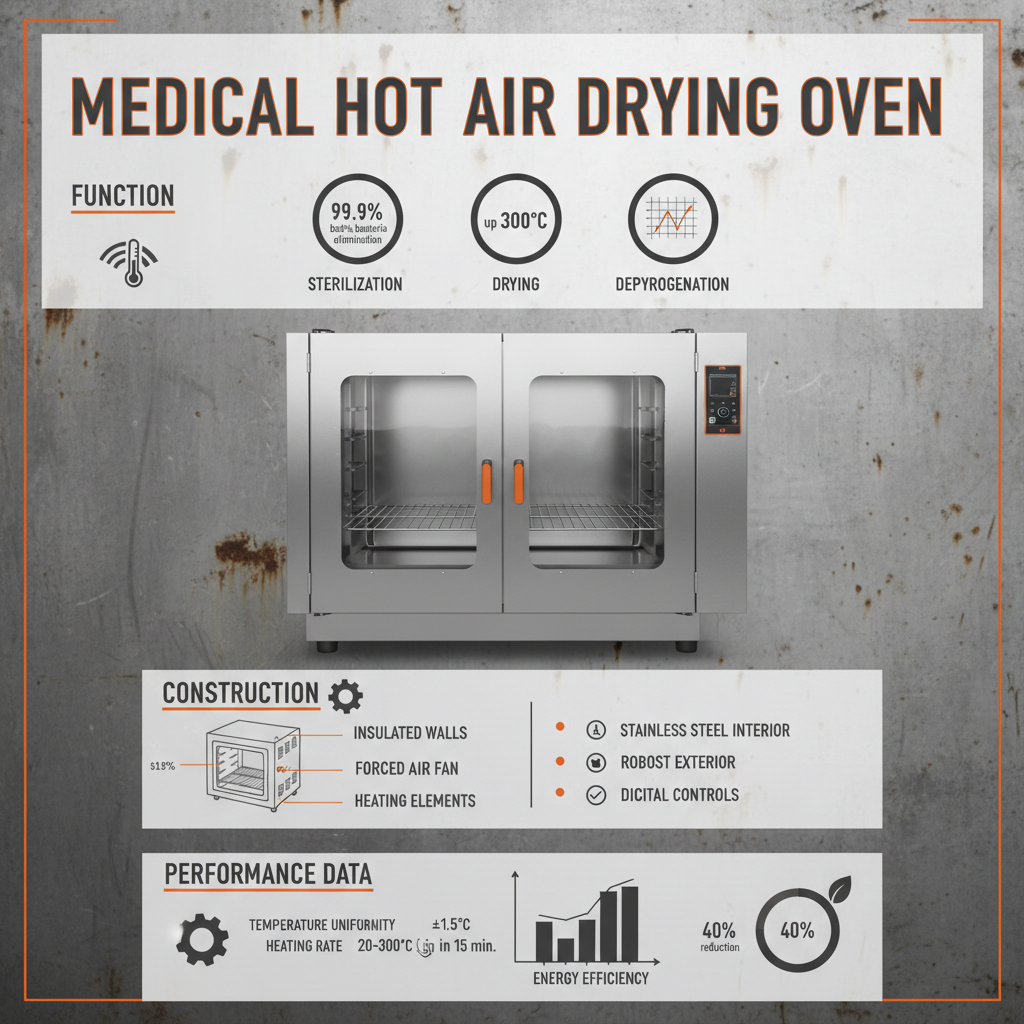
When selecting a Medical Hot Air Drying Oven, several features are crucial. Accurate temperature control and uniformity are paramount for reproducible results. A digital temperature controller with a precise sensor is essential. Forced convection fans ensure even heat distribution throughout the chamber. Programmable temperature profiles allow for customized drying cycles. Safety features such as over-temperature protection and door interlocks are vital. The chamber material (typically stainless steel) should be corrosion-resistant and easy to clean. The size of the chamber needs to accommodate the volume and dimensions of your typical samples.
Selecting the Right Oven: Capacity and Temperature Range
Choosing an oven with the appropriate capacity is crucial. Consider the largest sample volume you anticipate needing to dry at once. Ovens are available in a range of sizes, from small benchtop models to large floor-standing units. The required temperature range also dictates your selection. Most medical applications require temperatures between ambient and 250°C, however, some specialized applications may need higher temperatures. Ensure the oven you choose can reach and maintain the necessary temperature for your specific application. CZLabInstrument provides a comprehensive selection of ovens with varying capacities and temperature ranges.
Maintenance and Validation
Regular maintenance is essential for ensuring the long-term performance and reliability of your medical hot air drying oven. This includes cleaning the chamber regularly, inspecting the door seals, and calibrating the temperature controller. Validation is also critical, especially in regulated environments. Qualification and validation protocols verify that the oven is performing according to specifications and consistently achieving the desired drying results. Documenting maintenance and validation activities is essential for compliance with quality standards. Proper maintenance and validation safeguard sample integrity and ensure data reliability.
Conclusion: Investing in Reliable Drying Technology
The Medical Hot Air Drying Oven is an indispensable tool in various scientific and medical applications. By understanding the principles of operation, key features, and maintenance requirements, you can select an oven that meets your specific needs and delivers reliable, reproducible results. Investing in a high-quality oven from a reputable manufacturer like CZLabInstrument ensures efficient and safe drying processes.
Frequently Asked Questions (FAQs)
What safety features should I look for in a medical hot air drying oven?
Prioritize ovens with over-temperature protection to prevent sample damage or fire hazards. A door interlock is crucial to automatically shut off heating when the door is opened, protecting users from heat exposure. Audible alarms can alert you to temperature deviations or malfunctions. The oven should also have a robust construction with a stable base and good ventilation to prevent overheating.
How do I ensure uniform drying throughout the chamber?
Ensure the oven has a forced convection system with a properly designed fan to circulate air evenly. Avoid overcrowding the chamber, as this can restrict airflow and lead to uneven drying. Proper sample placement is important; distribute samples evenly and avoid stacking them directly on top of each other. Regularly calibrate the temperature sensors to ensure accurate temperature readings throughout the chamber.
What is the typical drying time for various samples?
Drying time varies significantly depending on the sample type, moisture content, temperature, and airflow. Generally, simpler samples with low moisture content dry faster. Conducting preliminary tests to determine the optimal drying time for your specific samples is crucial. Monitoring the sample weight periodically can help determine when the drying process is complete. It's essential to avoid over-drying, which can damage the sample.
What is the best way to clean and maintain my drying oven?
Regularly clean the chamber with a mild detergent and water. Avoid abrasive cleaners that could damage the interior surface. Check the door seals for wear and tear and replace them if necessary. Calibrate the temperature controller periodically to ensure accuracy. Follow the manufacturer's recommendations for specific maintenance procedures. Keep the ventilation openings clear of obstructions to prevent overheating.


