
Exploring Vacuum Oven Technology Applications and Benefits for Modern Industries
Understanding Vacuum Ovens: Applications and Benefits
In various scientific, industrial, and manufacturing processes, controlling atmospheric conditions is paramount. Vacuum ovens offer a precise solution for drying, heating, degassing, and chemical reactions in a low-pressure environment. This article will delve into the functionality, advantages, applications, and key considerations when choosing a vacuum oven. Understanding the nuances of vacuum oven technology will help optimize your processes and achieve superior results.

How Do Vacuum Ovens Work?
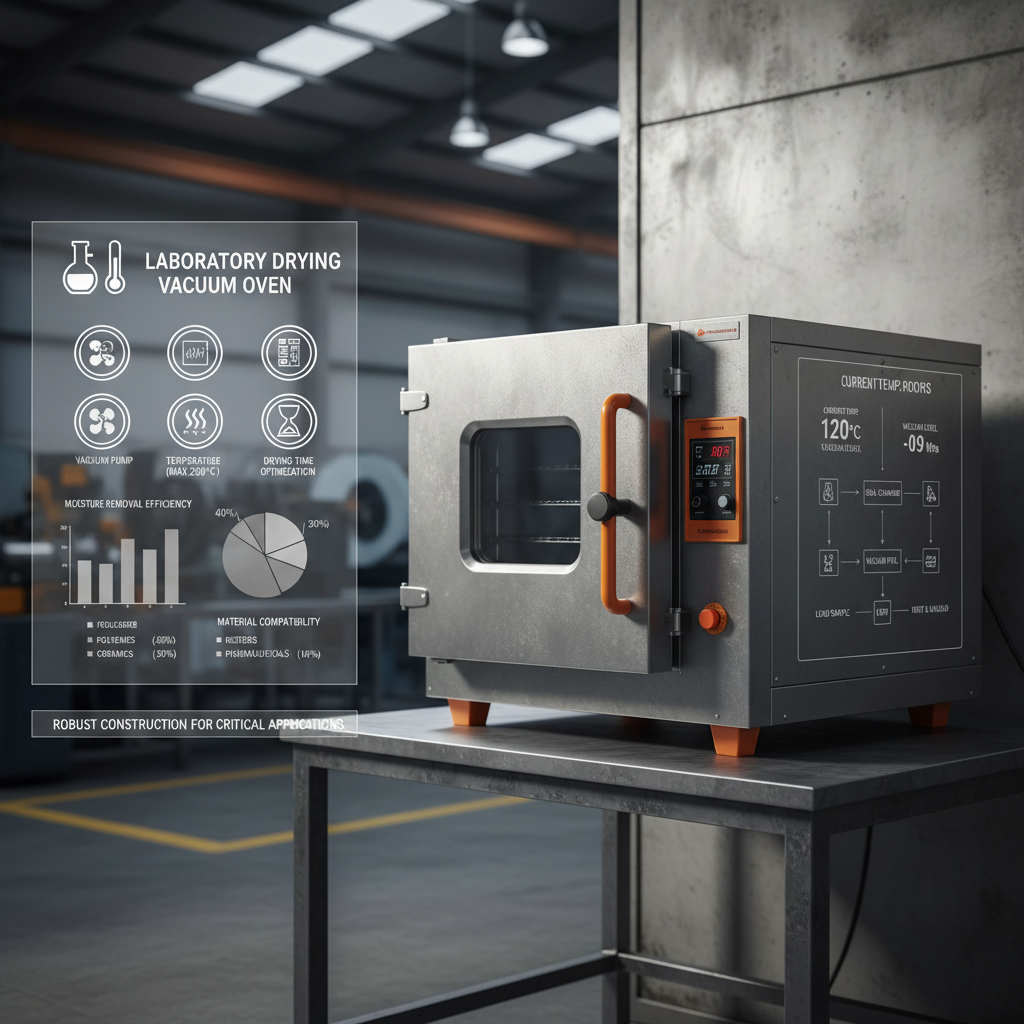
A vacuum oven operates by reducing the atmospheric pressure within its chamber. This is achieved using a vacuum pump, which removes air and other gases. The lowered pressure dramatically reduces the boiling point of liquids, enabling drying at significantly lower temperatures. This is particularly crucial for heat-sensitive materials that could degrade at higher temperatures under normal atmospheric pressure. Heating elements within the oven provide the energy for evaporation, while the vacuum facilitates its removal. Precise temperature control and vacuum levels are critical to achieving desired results, and modern vacuum ovens often incorporate sophisticated control systems for optimal performance.
Key Principle: Lowering the atmospheric pressure reduces the boiling point of liquids, allowing for efficient drying at lower temperatures.
Applications of Vacuum Ovens Across Industries
Vacuum ovens find diverse applications across various industries. In the pharmaceutical sector, they’re used for drying heat-sensitive APIs (Active Pharmaceutical Ingredients). The electronics industry utilizes them for drying PCBs (Printed Circuit Boards) and removing moisture from components. Material science relies on vacuum ovens for degassing polymers and preparing samples for analysis. Food processing uses vacuum drying to preserve flavors and nutrients. Furthermore, they are crucial in research laboratories for sample preparation and a wide range of chemical processes. The versatility of vacuum ovens makes them indispensable tools in modern scientific and industrial settings.
Common Applications:
• Pharmaceutical API Drying
• PCB Drying and Moisture Removal
• Polymer Degassing
• Food Preservation
Vacuum Oven vs. Traditional Oven: A Comparative Analysis
The key distinction between a vacuum oven and a conventional oven lies in the pressure environment. Traditional ovens operate at atmospheric pressure, requiring higher temperatures to evaporate liquids. This can lead to thermal degradation of sensitive materials. Vacuum ovens, by reducing the pressure, enable drying at lower temperatures, preserving the integrity of the substance being processed. Furthermore, vacuum ovens eliminate oxidation, resulting in purer and more consistent results. They also offer faster drying times due to the enhanced evaporation rate. Choosing the right oven depends on the specific application and the sensitivity of the materials involved. Explore our range of high-quality vacuum ovens for optimal performance.
Key Considerations When Choosing a Vacuum Oven
Selecting the right vacuum oven involves considering several factors. Chamber size is crucial, based on the volume of material you need to process. Temperature range and control accuracy are vital for specific applications. Vacuum level capabilities determine the effectiveness of drying and degassing. Material compatibility of the chamber and sealing materials is essential to avoid contamination. Features like programmable controllers, data logging, and inert gas purging enhance functionality and control. Finally, consider the manufacturer’s reputation for quality and support. CZ Lab Instrument offers a wide range of vacuum ovens tailored to various needs.
Conclusion: Enhance Your Processes with a Vacuum Oven
Investing in a vacuum oven from a trusted source like CZ Lab Instrument can significantly improve the efficiency and quality of your processes. From pharmaceutical manufacturing to materials science research, the benefits of controlled atmospheric drying are undeniable. Explore our selection today and find the perfect vacuum oven to meet your specific requirements.
Frequently Asked Questions (FAQs)
What are the safety precautions when using a vacuum oven?
Safety is paramount when operating a vacuum oven. Always wear appropriate personal protective equipment (PPE), including safety glasses and gloves. Ensure the chamber is properly sealed and free of any cracks or damage before initiating a vacuum. Never open the chamber while it's under vacuum, as the sudden release of pressure can be hazardous. Be aware of the materials being dried, as some may release flammable or toxic fumes. Proper ventilation is essential. Regular maintenance and inspection of the oven's components are crucial for safe operation. Refer to the manufacturer’s safety guidelines for detailed instructions.
What level of vacuum is typically required for effective drying?
The required vacuum level depends on the material being dried and the desired drying rate. Generally, a vacuum of 10-100 Torr is sufficient for many applications. For highly viscous or heat-sensitive materials, a deeper vacuum (lower pressure) may be necessary. The vacuum level is measured in units like Torr, Pascal, or mbar. It's important to select a vacuum oven with a vacuum pump capable of achieving the necessary level for your specific process.
Can I use a vacuum oven for degassing samples?
Yes, vacuum ovens are excellent for degassing samples. Degassing removes dissolved gases from liquids or solids, improving their properties and preventing bubble formation. The low-pressure environment facilitates the removal of these gases, resulting in a more homogenous and stable material. This is commonly used in polymer science, resin casting, and composite materials manufacturing. The specific degassing time and temperature will depend on the material and the desired level of gas removal.
What is the typical temperature range of a vacuum oven?
The typical temperature range of a vacuum oven varies depending on the model and its intended application. Most vacuum ovens can operate between ambient temperature and 200°C (392°F). However, some specialized models can reach higher temperatures, up to 300°C (572°F) or even higher. Precise temperature control is essential for many applications, and modern vacuum ovens often feature digital controllers with programmable temperature profiles.


