
Asphalt testing equipment is crucial for ensuring the quality and durability of roads, pavements, and other infrastructure projects worldwide. From small-scale laboratory tests to large-scale field assessments, these specialized tools and instruments play a vital role in evaluating the properties of asphalt materials and verifying their compliance with industry standards. The demand for reliable and accurate asphalt testing equipment continues to grow as governments and organizations invest in infrastructure development and maintenance, aiming to enhance transportation networks and economic growth.
The global asphalt testing equipment market is driven by factors such as increasing infrastructure spending, stringent quality control regulations, and technological advancements. Regions experiencing rapid urbanization and economic expansion, like Asia-Pacific and developing countries, present significant growth opportunities for manufacturers and suppliers. However, challenges remain in terms of cost, accessibility, and the need for skilled personnel to operate and maintain these sophisticated instruments. Understanding the nuances of asphalt testing is paramount to building resilient and long-lasting roadways.
Asphalt Testing Equipment is not simply a collection of machines; it’s the foundation for safe, efficient, and sustainable infrastructure. It bridges the gap between material science and real-world application, providing data-driven insights for engineers and construction professionals. Investing in the right equipment is an investment in the future of our transportation systems.
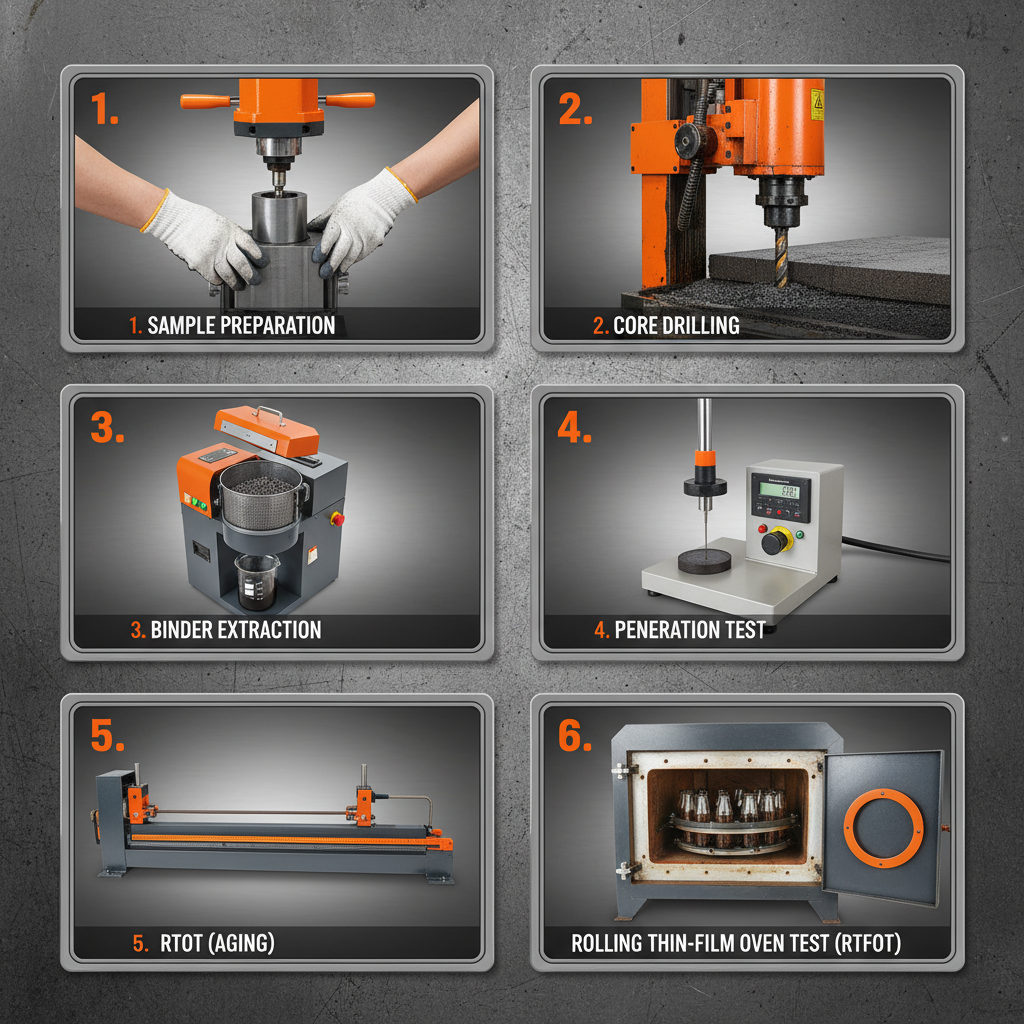
The Importance of Asphalt Testing Equipment
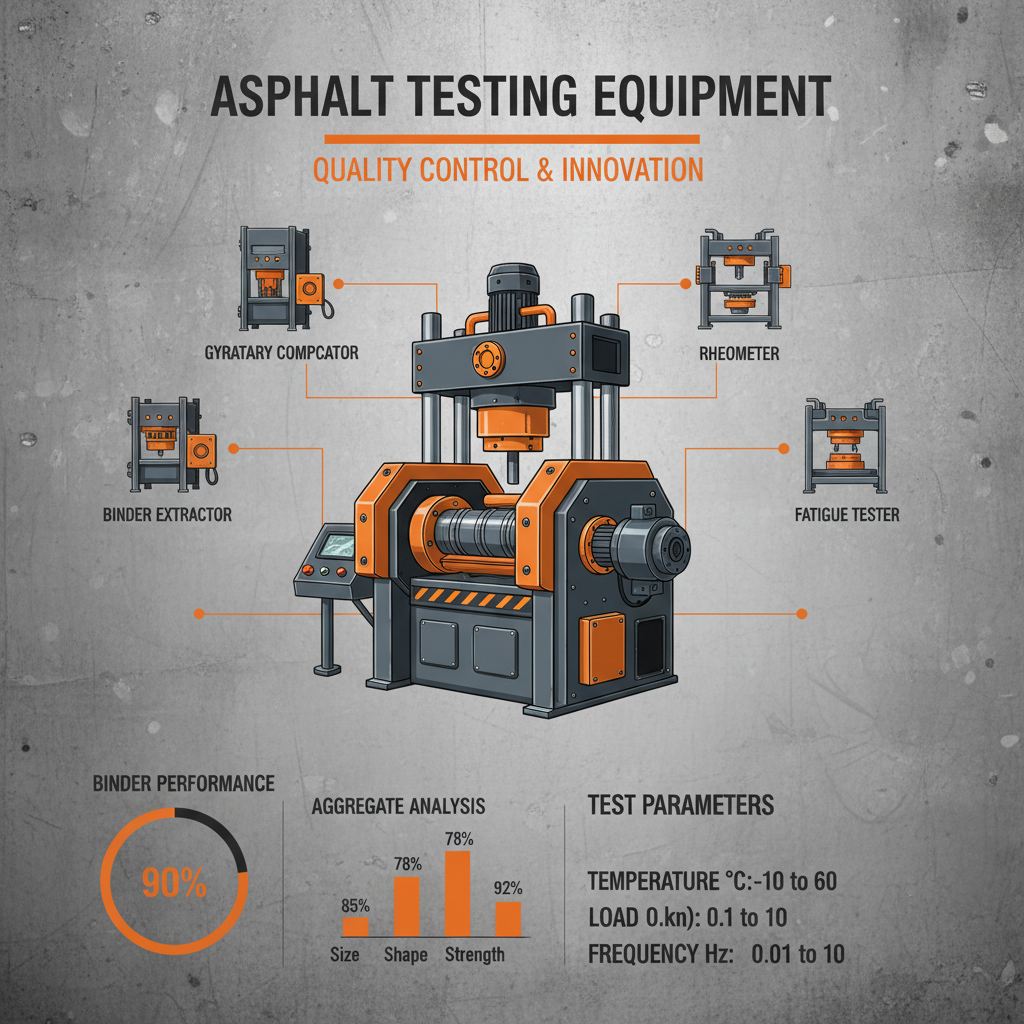
The reliable performance of roads, airports, and other paved surfaces hinges on the quality of the asphalt mix used in their construction. Asphalt Testing Equipment provides the necessary means to assess crucial properties like viscosity, penetration, softening point, and Marshall stability. Without these tests, infrastructure projects are susceptible to premature failure, leading to costly repairs and disruptions.
Beyond cost savings, proper asphalt testing contributes significantly to safety. A well-tested asphalt mix provides improved skid resistance, reducing the risk of accidents. Furthermore, the use of appropriate testing procedures ensures that the asphalt material can withstand environmental stresses like temperature fluctuations and heavy traffic loads, prolonging the lifespan of the infrastructure.
FAQS
Several tests are crucial, including penetration testing to assess binder hardness, viscosity measurements to determine flow characteristics, Marshall stability tests to evaluate mixture strength, and performance grade (PG) testing to predict long-term pavement behavior. These tests provide a comprehensive understanding of the asphalt’s capabilities.
Calibration frequency depends on the type of equipment and the intensity of its use. Generally, precision instruments like penetrometers and viscometers should be calibrated annually, or more frequently if they are subjected to heavy use or significant environmental changes. Regular calibration ensures accuracy and reliability.
Penetration grade measures the depth a standard needle penetrates asphalt under specific conditions, indicating hardness. Viscosity grade, on the other hand, measures the asphalt’s resistance to flow at different temperatures, providing insight into its pumpability and workability. Both are essential for different applications.
Accuracy depends on several factors: proper equipment calibration, adherence to standardized testing procedures, use of qualified personnel, and careful sample preparation. Maintaining a controlled laboratory environment and documenting all procedures are also crucial.
Emerging trends include the use of performance-based testing, advanced sensors for real-time monitoring, AI-powered data analysis for predictive modeling, and non-destructive testing (NDT) methods for rapid pavement assessment. These advancements are enhancing efficiency and accuracy.
Consider factors such as the specific testing requirements, budget constraints, accuracy and precision, ease of use, maintenance requirements, and compliance with industry standards. Choosing equipment that aligns with your needs is essential for optimal performance.
Conclusion
In conclusion, Asphalt Testing Equipment is an indispensable component of modern infrastructure development and maintenance. Its ability to provide accurate, reliable data on asphalt material properties directly impacts the safety, durability, and sustainability of our roads, airports, and other paved surfaces. From ensuring quality control to facilitating innovative research, these tools play a critical role in building a resilient and efficient transportation network.
Looking ahead, the integration of advanced technologies like AI and NDT will continue to revolutionize asphalt testing, enabling more efficient and data-driven decision-making. Investing in high-quality equipment and skilled personnel is paramount for meeting the evolving challenges of infrastructure development. Visit our website at www.czlabinstrument.com to explore our comprehensive range of asphalt testing solutions and discover how we can help you build a better future.
Related Posts
-

Concrete Compression Machine Importance for Infrastructure Durability and Safety
-

Comprehensive Guide to Soil Proctor Compaction Test Apparatus and Applications
-

Comprehensive Guide to Concrete Pressure Test Machines and Their Applications
-

The Importance of Soil Multifunctional Compaction Apparatus in Modern Construction