
Comprehensive Guide to Concrete Flow Apparatus and Quality Control Procedures
Concrete Flow Apparatus: A Comprehensive Guide
Understanding the rheological properties of concrete is crucial for successful construction projects. The Concrete Flow Apparatus, offered by CZ Lab Instrument, plays a vital role in assessing the workability and flow characteristics of concrete mixes. This article provides a detailed overview of this essential testing equipment, its applications, benefits, and key considerations when selecting the right apparatus for your needs. Accurate concrete flow testing helps ensure optimal concrete placement, consolidation, and overall structural integrity.
What is a Concrete Flow Apparatus?
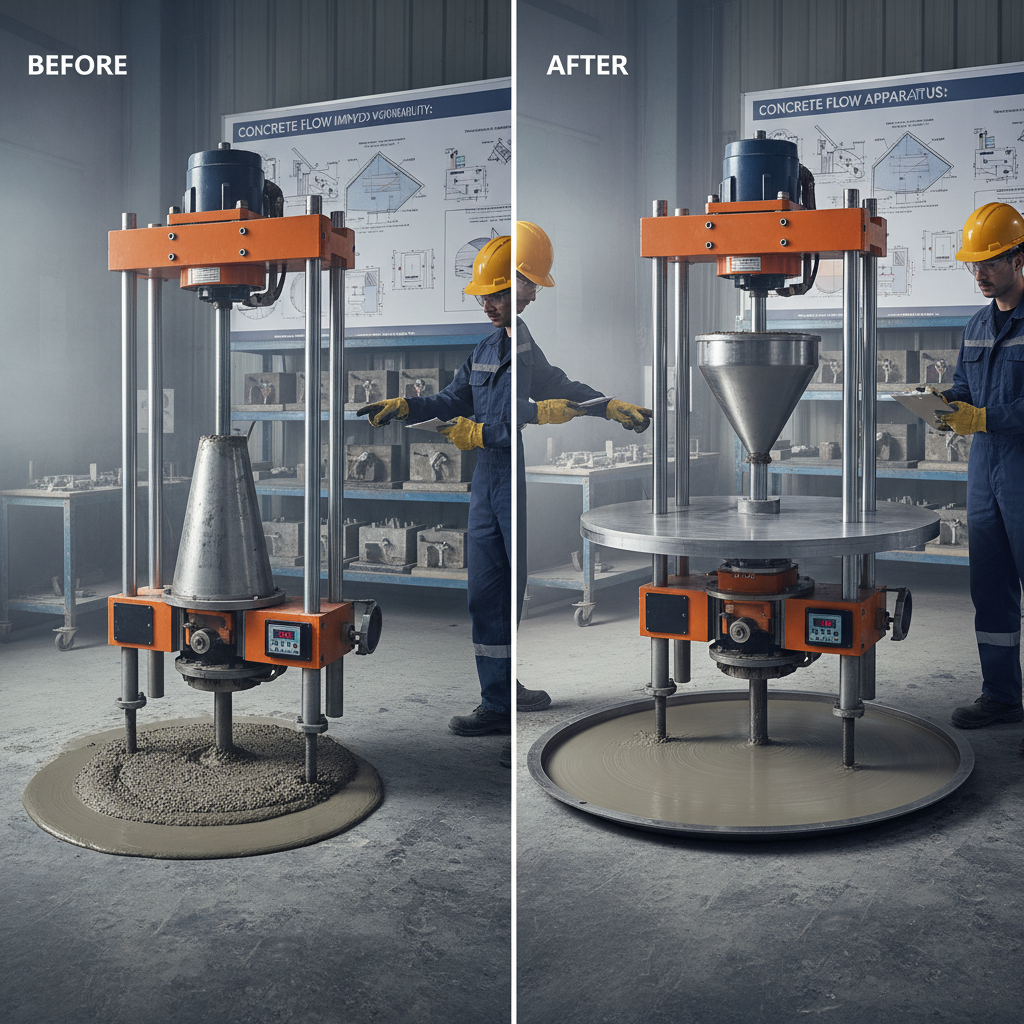
A Concrete Flow Apparatus is a laboratory instrument used to determine the consistency and workability of fresh concrete. It typically consists of a cone, a tamper, and a slump cone base. The test measures the slump – the vertical distance the concrete settles after the cone is lifted – providing a simple yet effective indicator of concrete flow. This test is standardized under ASTM C143 and EN 12350-2, ensuring consistent and reliable results. The results help to assess the concrete’s suitability for different construction applications, from foundations to high-rise structures.
Key Highlights: A standardized test used to assess the consistency and workability of fresh concrete, crucial for ensuring optimal concrete placement and structural integrity.
Applications of the Concrete Flow Apparatus
The Concrete Flow Apparatus is used across a wide range of construction and civil engineering applications. These include quality control in ready-mix concrete plants, research and development of new concrete mixes, on-site testing during large construction projects, and educational purposes in universities and technical schools. It helps verify that concrete mixes meet specific requirements for workability, ensuring they can be easily placed and consolidated without segregation. Proper testing minimizes issues related to poor placement, inadequate compaction, and ultimately, structural weaknesses.
Application Areas:
• Quality Control in Ready-Mix Plants
• Concrete Mix Design and Development
• On-Site Construction Testing
• Civil Engineering Research
Concrete Flow Test: Procedure and Interpretation
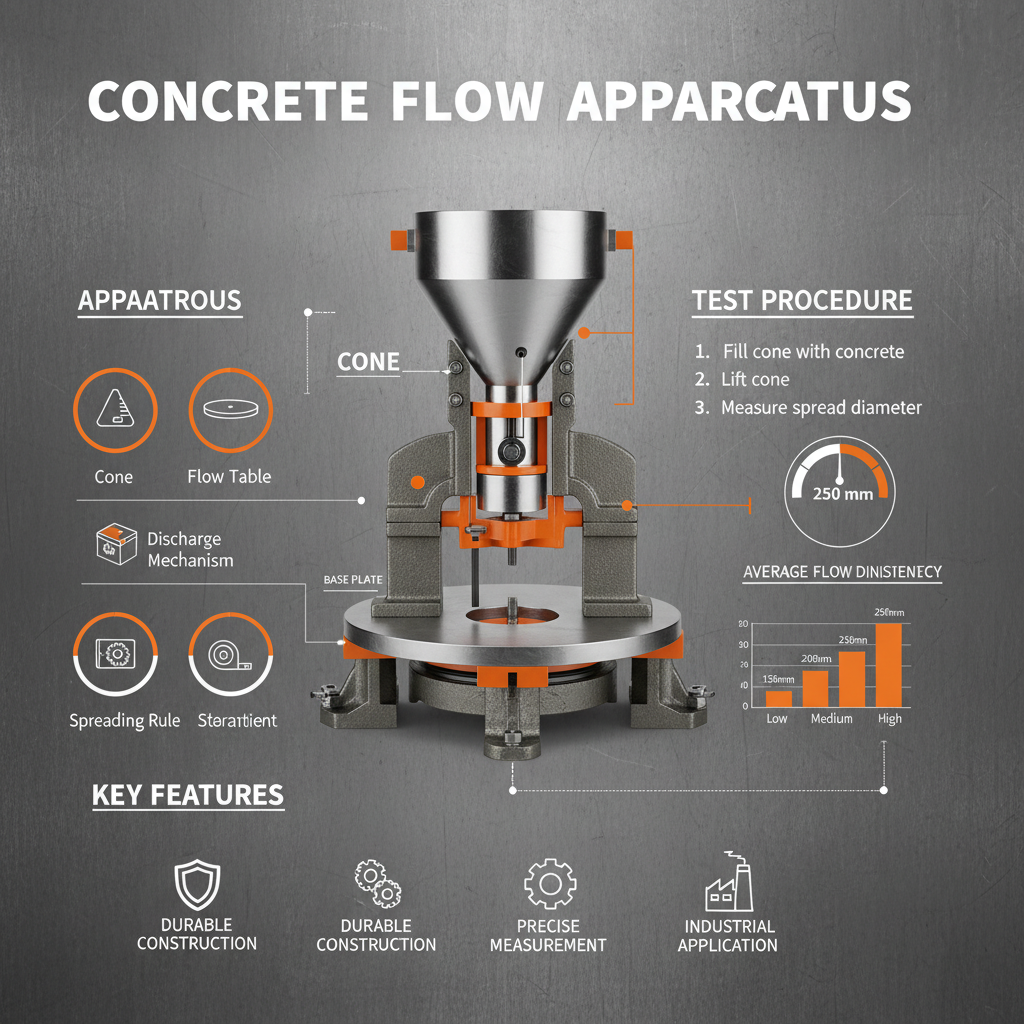
The concrete flow test, also known as the slump test, is a relatively simple procedure. First, the cone is filled with fresh concrete in layers, consolidating each layer with the tamper. Excess concrete is removed, and the cone is carefully lifted vertically. The slump, measured as the vertical drop of the concrete, is then recorded. The slump value indicates the consistency of the concrete – higher slump values suggest a more fluid mix, while lower values indicate a stiffer mix. Interpreting the slump value requires understanding the specific requirements for the application; different projects will demand different levels of workability.
Choosing the Right Concrete Flow Apparatus
When selecting a Concrete Flow Apparatus, consider the following factors: Material of construction (stainless steel is recommended for durability and corrosion resistance), compliance with relevant standards (ASTM C143, EN 12350-2), accuracy and precision of measurements, and the overall quality and robustness of the equipment. CZ Lab Instrument offers a range of high-quality apparatus designed to meet stringent industry standards. Investing in a reliable apparatus ensures accurate and consistent results, contributing to the quality and longevity of your concrete structures.
Benefits of Using a High-Quality Apparatus
Utilizing a high-quality Concrete Flow Apparatus from a reputable supplier like CZ Lab Instrument provides numerous benefits. These include increased accuracy and reliability of test results, improved quality control of concrete mixes, reduced risk of structural failures, enhanced safety on construction sites, and compliance with industry standards and regulations. A well-maintained apparatus also contributes to long-term cost savings by minimizing the need for frequent replacements.
Conclusion
The Concrete Flow Apparatus is an indispensable tool for ensuring the quality and durability of concrete structures. By accurately assessing the workability of fresh concrete, it helps prevent costly errors and contributes to safer, more reliable construction projects. Investing in a high-quality apparatus from a trusted source like CZ Lab Instrument is a wise decision for any construction professional.
Frequently Asked Questions (FAQs)
What are the common causes of high slump values?
High slump values often indicate an excess of water in the concrete mix, a deficiency in cementitious materials, or the use of excessive admixtures like water reducers. They can also be caused by improper aggregate grading or the use of fine aggregates. Consistently high slump values require investigation into the mix design and material proportions to ensure compliance with project specifications and maintain concrete strength. It's critical to analyze the root cause to avoid compromising the structural integrity of the concrete.
How often should the Concrete Flow Apparatus be calibrated?
The Concrete Flow Apparatus should be calibrated at least annually, or more frequently if it's used extensively or subjected to rough handling. Calibration ensures the accuracy of the slump measurements and compliance with relevant standards. CZ Lab Instrument offers calibration services, providing a traceable and reliable certification of the apparatus’s accuracy. Regular calibration is crucial for maintaining the validity of test results and preventing errors in concrete quality control.
What is the importance of proper tamping during the slump test?
Proper tamping is essential for accurate slump test results. The tamping process compacts the concrete in layers within the slump cone, eliminating air voids and ensuring a representative sample. Inconsistent or inadequate tamping can lead to inaccurate measurements and unreliable assessment of concrete workability. Each layer should be tamped approximately 25 times, distributing the energy evenly throughout the cone. The correct tamping technique is crucial for obtaining valid and repeatable results.
Can the Concrete Flow Apparatus be used for self-compacting concrete?
While the Concrete Flow Apparatus is primarily used for conventional concrete, it can also be used for self-compacting concrete (SCC), but the interpretation of the slump test results is different. SCC typically exhibits very high slump values, and the test is more focused on assessing its flow characteristics and segregation resistance. Additional tests, such as the slump flow test and the V-funnel test, are often used in conjunction with the standard slump test to fully characterize the properties of SCC.


