
The Bitumen Centrifuge Extraction Tester is a crucial piece of equipment in the realm of materials science, particularly within the asphalt and bitumen industry. Its primary function is to accurately determine the amount of bitumen (asphalt binder) present in a mixture of bitumen and aggregate. This determination is paramount for quality control in road construction, ensuring the longevity and performance of pavements. Understanding the composition of asphalt mixtures is vital for optimizing designs, predicting pavement behavior, and ultimately, reducing lifecycle costs.
Globally, the demand for durable and reliable road infrastructure is ever-increasing, driven by population growth, urbanization, and expanding trade networks. The Bitumen Centrifuge Extraction Tester plays a direct role in meeting this demand by facilitating the precise characterization of asphalt materials. Modern road construction necessitates a thorough understanding of binder content, as it directly impacts crucial pavement properties like rutting resistance, fatigue life, and low-temperature cracking. Investing in reliable testing equipment like the Bitumen Centrifuge Extraction Tester is therefore a foundational step toward sustainable and cost-effective infrastructure development.
The significance of accurate bitumen content determination extends beyond simple quality control. It’s also crucial for research and development efforts aimed at creating new and improved asphalt mixtures. Researchers utilize this testing method to evaluate the performance of different binder types, modified asphalts, and aggregate combinations, ultimately leading to advancements in pavement technology.
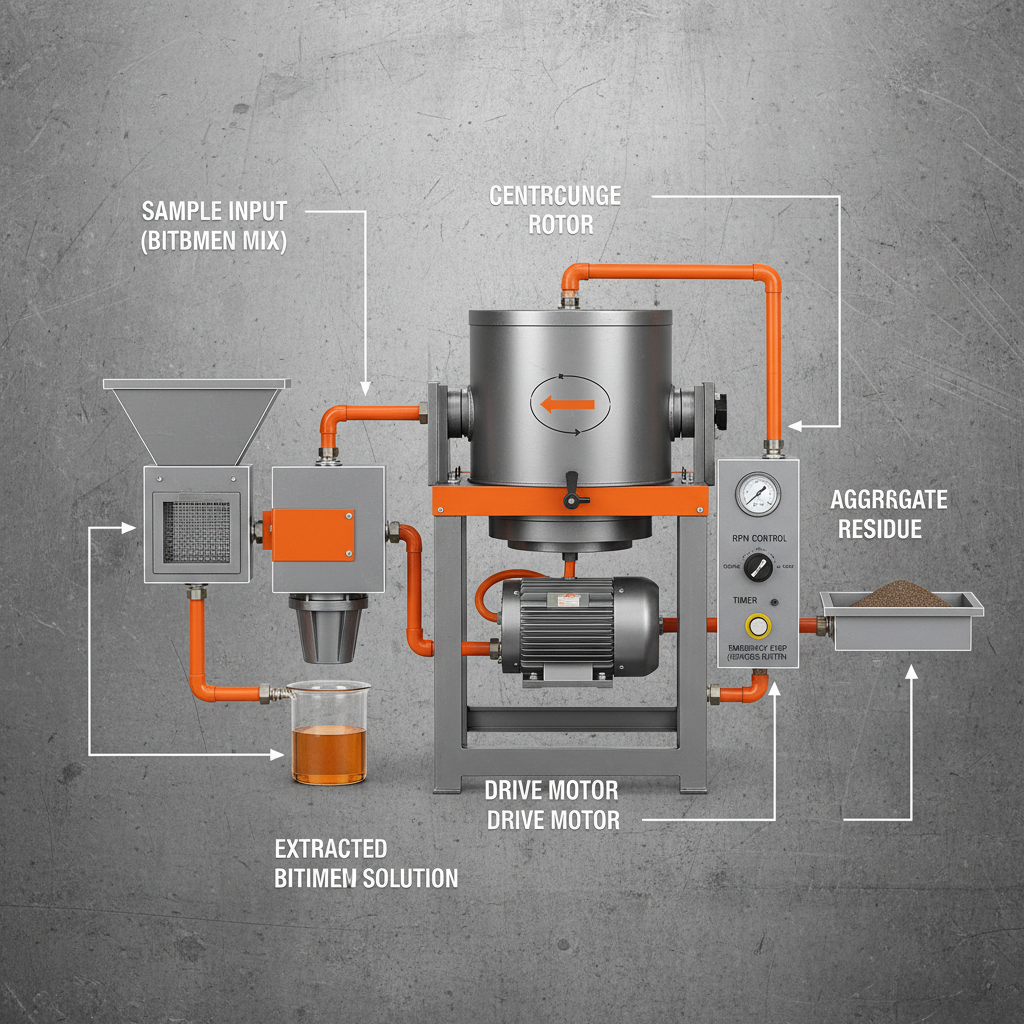
Introduction to the Bitumen Centrifuge Extraction Tester
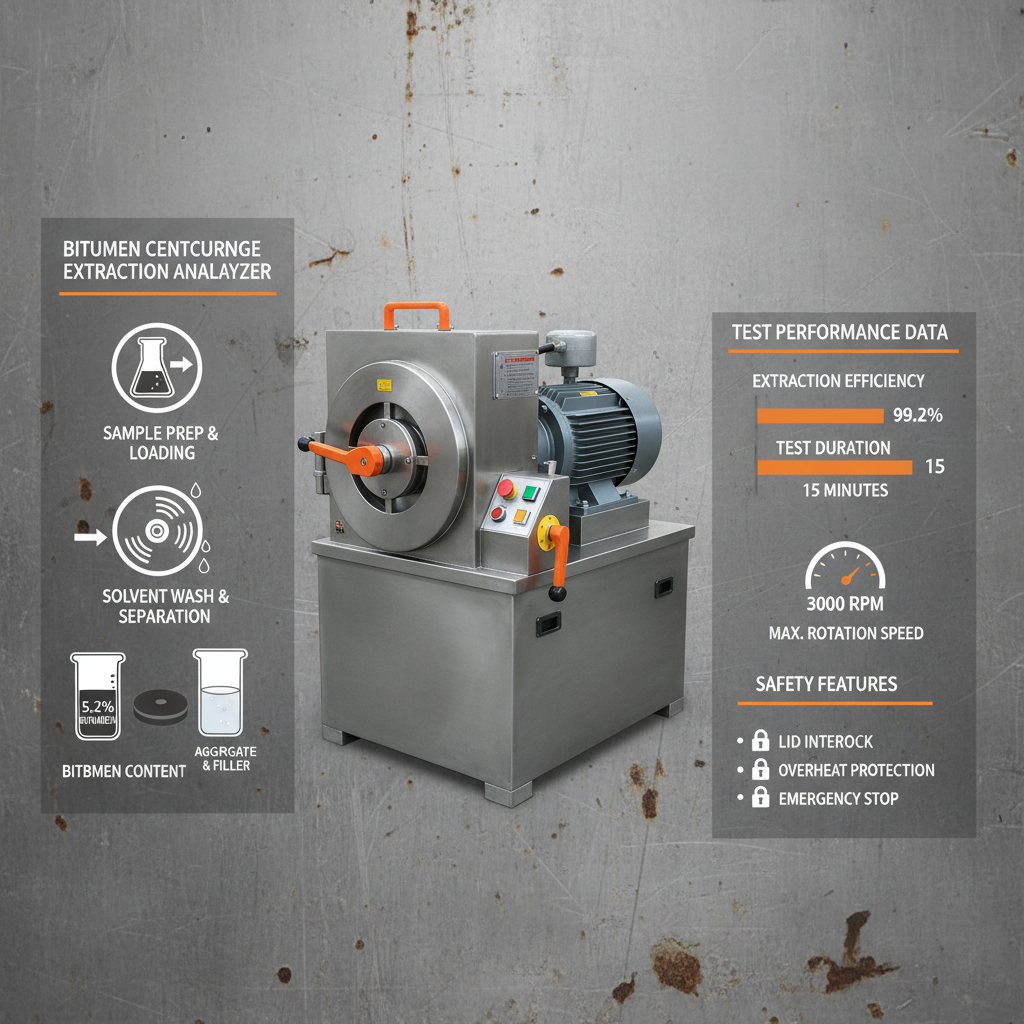
The Bitumen Centrifuge Extraction Tester is not merely a laboratory instrument; it’s a cornerstone of modern pavement engineering. Its function extends beyond simply separating bitumen from aggregate. By precisely quantifying the binder content, engineers gain critical insights into the mixture’s performance characteristics. This data allows for informed decisions regarding mix design, material selection, and ultimately, the construction of durable, safe, and cost-effective roads. Investing in a high-quality Bitumen Centrifuge Extraction Tester is an investment in the future of infrastructure.
The use of this tester allows for standardized testing procedures, adhering to international standards like ASTM D2172 and EN 12697-1. This standardization ensures consistency and comparability of results, regardless of the location or laboratory conducting the test. Without such reliable measurement tools, it would be exceedingly difficult to objectively assess the quality of asphalt mixtures and predict their long-term behavior in service.
FAQS
The most commonly referenced ASTM standard is ASTM D2172, which specifically outlines the procedure for determining the bitumen content of paving mixtures using the centrifuge method. Other relevant standards include those pertaining to solvent purity, calibration procedures, and sample preparation. Adhering to these standards is crucial for ensuring the accuracy and reliability of test results and maintaining compliance with project specifications. It's important to regularly review and update your knowledge of these standards as they may be revised periodically.
Calibration frequency depends on the usage intensity and the manufacturer’s recommendations. However, as a general guideline, it’s best practice to calibrate the centrifuge at least annually, or more frequently if the instrument is used heavily. Calibration should be performed by a qualified technician using certified calibration standards. Regular calibration ensures that the centrifuge is operating within the required specifications, minimizing errors and maintaining the accuracy of the test results.
Toluene and xylene are the most commonly used solvents for Bitumen Centrifuge Extraction Testing. The choice between the two depends on factors such as cost, availability, and environmental regulations. It's crucial to use a high-purity solvent specifically designed for asphalt testing. Impurities can interfere with the dissolution of the bitumen and introduce errors into the final result. Always follow the solvent manufacturer’s safety guidelines and handle with appropriate personal protective equipment.
Common sources of error include inaccurate sample weighing, incomplete solvent evaporation, inconsistencies in centrifugation speed and time, and the use of contaminated solvents. Technician skill and adherence to standardized procedures also play a significant role. Implementing robust quality control measures, such as regular calibration checks and proficiency testing, can help minimize these errors and ensure the reliability of the results.
Temperature can significantly influence the results, particularly during the solvent evaporation stage. Elevated temperatures can lead to premature solvent evaporation and potential losses of volatile components, resulting in an inaccurate bitumen content determination. Maintaining a consistent and controlled temperature during evaporation is crucial for ensuring accurate results. Adhering to the recommended drying oven temperature specified in the relevant ASTM standard is essential.
Solvents like toluene and xylene are flammable and can be harmful if inhaled or absorbed through the skin. Always work in a well-ventilated area, wear appropriate personal protective equipment (gloves, safety glasses, lab coat), and avoid contact with ignition sources. Dispose of waste solvents properly in accordance with local regulations. Consult the solvent’s Safety Data Sheet (SDS) for detailed safety information and handling procedures.
Conclusion
In conclusion, the Bitumen Centrifuge Extraction Tester remains an indispensable tool for ensuring the quality and durability of asphalt pavements worldwide. Its ability to accurately determine bitumen content is fundamental to informed mix design, effective quality control, and ultimately, the construction of sustainable and cost-effective transportation infrastructure. Continued advancements in automation, data analytics, and materials science will further enhance the capabilities of this vital testing method.
Looking ahead, investing in a high-quality Bitumen Centrifuge Extraction Tester, coupled with ongoing training and adherence to best practices, is essential for professionals in the pavement engineering field. By embracing innovation and prioritizing accuracy, we can continue to build roads that are safer, more durable, and more resilient to the challenges of the 21st century.
Related Posts
-
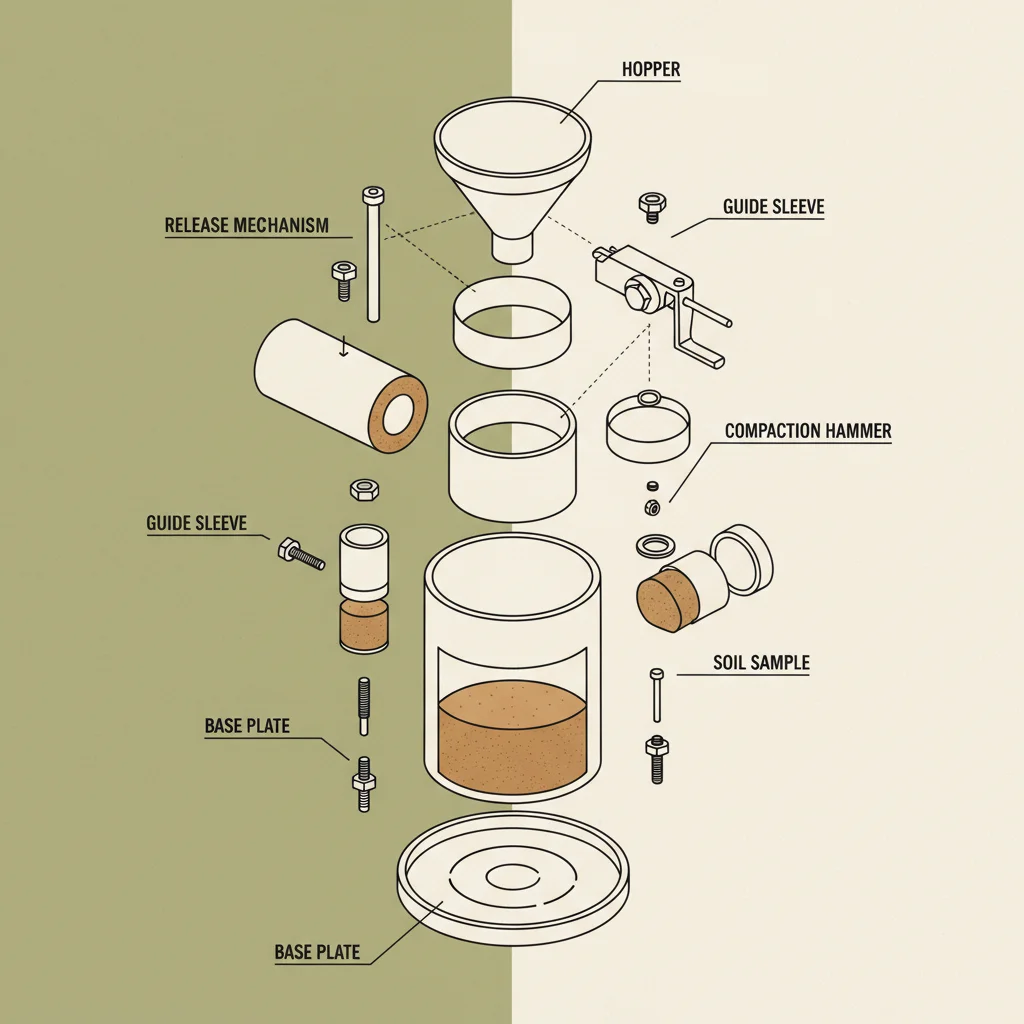
Understanding the Compaction Test Apparatus for Robust Foundation Testing
-
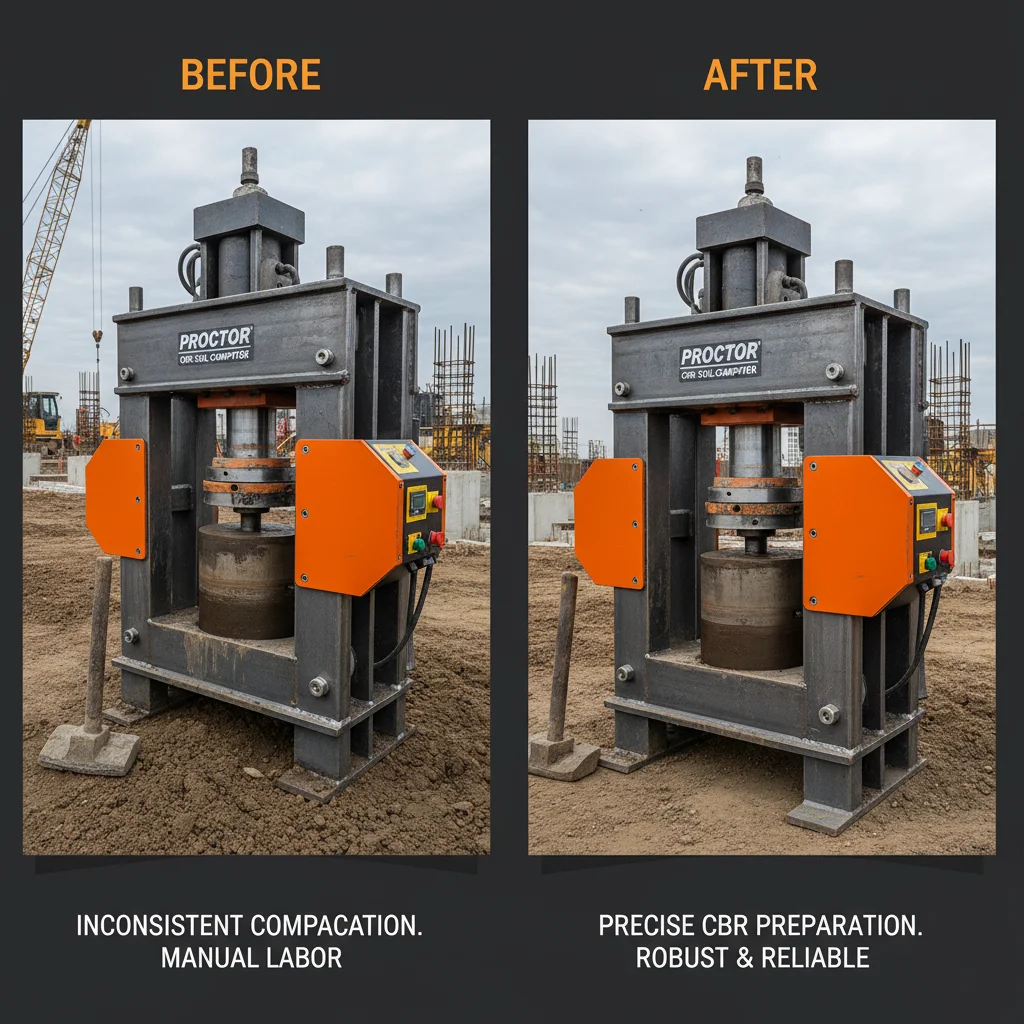
Proctor CBR Soil Compactor Importance in Modern Geotechnical Engineering
-
Advancements in CBR Soil Compactor Technology for Infrastructure Development
-

Understanding Soil Bearing Ratio Test for Safe and Reliable Infrastructure Development