0%

Table of Contents

Ensuring the durability and safety of road infrastructure begins with the precise measurement of binder content in asphalt mixtures. The Combustion Method Asphalt Content Tester has emerged as a gold standard in materials science, providing an efficient and environmentally friendly alternative to traditional chemical solvent extraction. By utilizing high-temperature oxidation to remove the bitumen, this technology allows engineers to verify the quality of asphalt concrete with unmatched accuracy.

Globally, the shift toward sustainable construction and stricter quality control standards has placed immense pressure on testing laboratories to move away from hazardous chemicals. The adoption of the Combustion Method Asphalt Content Tester addresses these challenges by eliminating the need for trichloroethylene or other toxic solvents, thereby reducing the carbon footprint of the testing process and improving workplace safety for laboratory technicians.

Understanding the nuances of this testing method is critical for contractors, government transport departments, and research institutes. From optimizing the fuel efficiency of road surfaces to preventing premature pavement failure, the insights provided by a high-precision Combustion Method Asphalt Content Tester are indispensable for the modern civil engineering lifecycle.
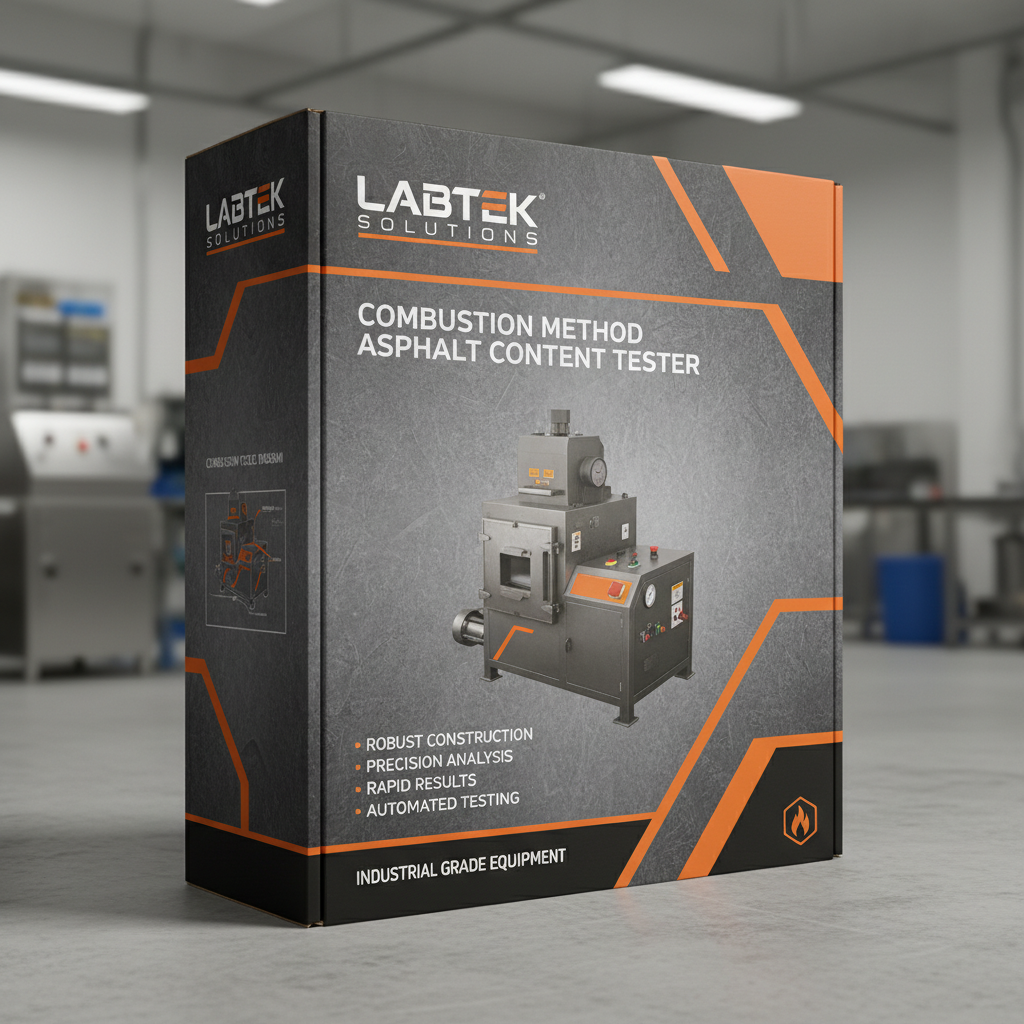
Combustion Method Asphalt Content Tester
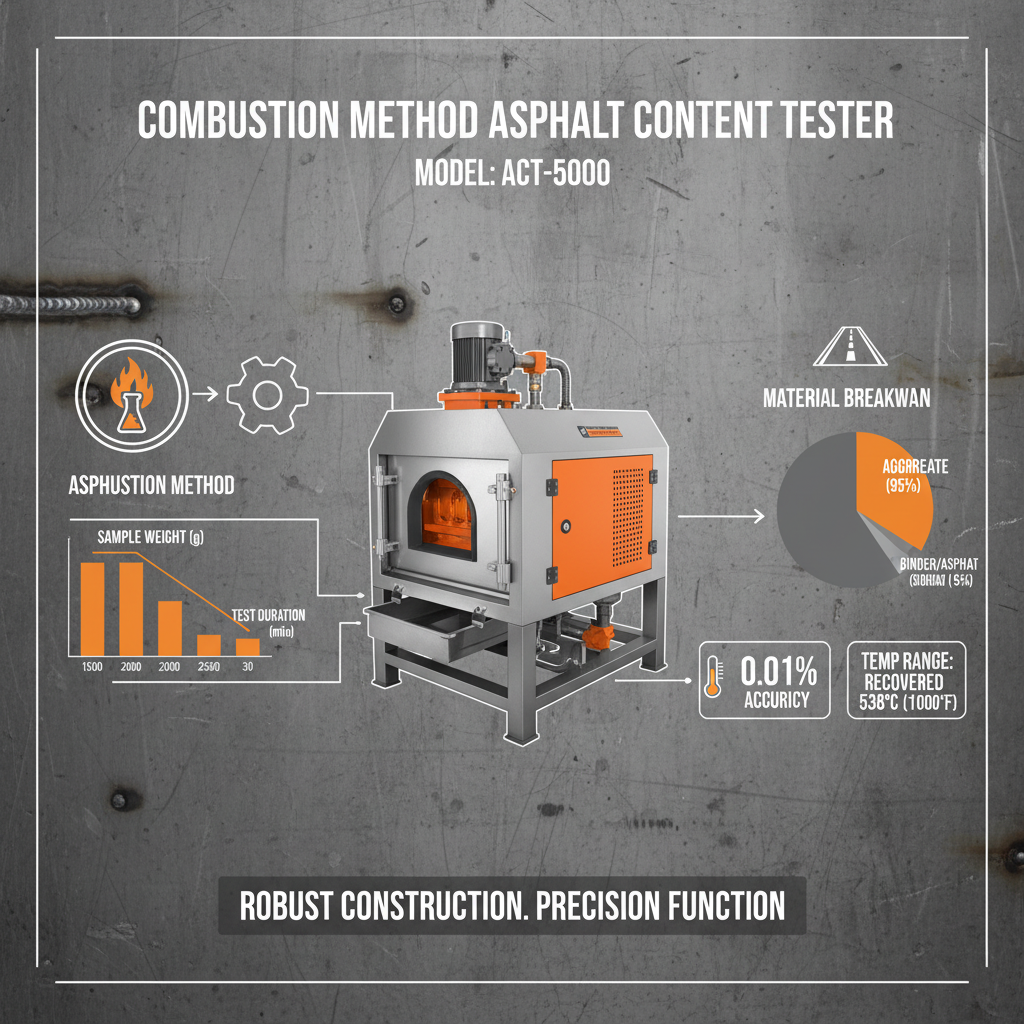
Global Relevance of Combustion Method Asphalt Content Tester

Combustion Method Asphalt Content Tester

In the contemporary era of rapid urbanization, the demand for high-performance road networks has scaled exponentially. According to international standards such as ASTM and ISO, the precision of binder content is the most significant predictor of pavement longevity. The Combustion Method Asphalt Content Tester plays a pivotal role here, ensuring that the ratio of aggregate to bitumen is optimized to withstand heavy traffic loads and extreme weather conditions.

The global move toward "Green Infrastructure" has rendered the old centrifuge-extraction methods obsolete due to their reliance on volatile organic compounds (VOCs). By transitioning to a Combustion Method Asphalt Content Tester, nations are aligning their construction protocols with environmental regulations, reducing chemical waste, and speeding up the quality assurance cycle from days to hours.

Defining the Combustion Method Asphalt Content Tester

At its core, a Combustion Method Asphalt Content Tester is a sophisticated laboratory instrument designed to determine the percentage of bitumen in an asphalt sample through controlled thermal oxidation. Unlike traditional methods that "wash" the binder away, this device burns the bitumen in an oxygen-rich environment, leaving behind only the mineral aggregate.

The process involves weighing the sample before and after combustion. The loss in mass represents the asphalt content, which the system calculates automatically. Modern versions of the Combustion Method Asphalt Content Tester integrate digital balances and infrared sensors to ensure that the results are precise to several decimal places, eliminating human error during the weighing process.

This technology is not merely a laboratory tool but a critical component of humanitarian and economic development. By ensuring that roads in developing regions are built with the correct asphalt content, these testers help create durable transport arteries that facilitate the delivery of aid, food, and medical supplies, proving that high-end instrumentation has a direct impact on social welfare.

Core Components of High-Precision Combustion Testing

The operational success of a Combustion Method Asphalt Content Tester depends on its thermal stability. High-grade quartz or ceramic combustion chambers are utilized to withstand extreme temperatures without warping, ensuring that the heating element distributes thermal energy evenly across the sample.

Precision weighing is the heartbeat of the Combustion Method Asphalt Content Tester. The integration of high-sensitivity electronic balances allows the system to track minute mass changes in real-time, which is essential when dealing with modified binders or polymer-enhanced asphalt mixtures.

Automation and software control further enhance the reliability of the Combustion Method Asphalt Content Tester. Modern interfaces allow users to set specific temperature ramps and dwell times, ensuring compliance with diverse international standards and reducing the need for constant manual supervision.

Performance Metrics and Efficiency Analysis

When comparing the Combustion Method Asphalt Content Tester to traditional extraction methods, the most striking difference is the "Time-to-Result" metric. Traditional methods often require hours of solvent soaking and centrifuge cycles, whereas combustion systems can provide definitive results in a fraction of the time.

Furthermore, the scalability of these testers allows large-scale project sites to maintain rigorous quality control without bottlenecking the production line. The reliability of the data produced by a Combustion Method Asphalt Content Tester reduces the likelihood of costly road failures and subsequent reconstruction.

Efficiency Comparison of Asphalt Testing Methods

Real-World Applications in Global Infrastructure

In the construction of high-speed rail corridors across Asia and expansive highway networks in North America, the Combustion Method Asphalt Content Tester is used to verify the mix design of polymer-modified bitumen (PMB). Because PMB is more resistant to solvents, the combustion method is often the only reliable way to ensure the binder content is exactly as specified.

Beyond metropolitan areas, these testers are deployed in remote industrial zones, such as mining regions in Africa and South America. In these environments, the absence of hazardous waste disposal facilities makes the Combustion Method Asphalt Content Tester the only viable option, as it generates no liquid chemical waste, ensuring that local ecosystems remain uncontaminated.

Long-Term Value and Sustainability Benefits

The long-term value of investing in a Combustion Method Asphalt Content Tester extends far beyond immediate test results. From a financial perspective, the elimination of solvent procurement and hazardous waste disposal fees significantly reduces the operational expenditure (OPEX) of a materials lab over a 5-year period.

From a social and ethical standpoint, the use of this technology protects the health of technicians. Traditional extraction methods expose workers to carcinogenic fumes; the Combustion Method Asphalt Content Tester operates within a controlled, ventilated system, promoting a safer work environment and upholding the dignity of labor.

Furthermore, the ability to precisely control asphalt content leads to the production of "leaner" but more durable mixes. This reduction in excess bitumen usage not only lowers the cost of materials but also reduces the overall environmental impact of road construction, aligning corporate goals with global sustainability targets.

Future Innovations in Asphalt Content Analysis

The future of the Combustion Method Asphalt Content Tester is leaning heavily toward full digital integration. We are seeing the rise of IoT-enabled testers that can upload results directly to a cloud-based Quality Management System (QMS), allowing project managers to monitor asphalt quality in real-time from a remote dashboard.

Advancements in material science are also introducing "Smart Crucibles" and adaptive heating algorithms. These innovations allow the Combustion Method Asphalt Content Tester to detect the composition of the sample and automatically adjust the oxygen flow and temperature to prevent the oxidation of the aggregate itself, further increasing accuracy.

As the industry moves toward "Circular Economy" models, these testers will be essential in analyzing Recycled Asphalt Pavement (RAP). The ability to accurately determine the residual binder in old road materials is key to creating high-quality recycled mixes, ensuring that the Combustion Method Asphalt Content Tester remains at the forefront of green construction.

Technical Analysis of Combustion Testing Innovations

Technology Phase Accuracy Level (1-10) Environmental Impact Operational Speed
Traditional Solvent Extraction 6 High Toxicity Very Slow
Basic Ignition Oven 7 Low Emission Moderate
Standard Combustion Tester 9 Eco-Friendly Fast
Auto-Combustion System 10 Zero Waste Very Fast
IoT-Integrated Combustion 10 Zero Waste Instant Data
RAP-Specialized Tester 9 Sustainable Fast

FAQS

What makes the Combustion Method Asphalt Content Tester better than traditional solvent extraction?

The primary advantages are speed, safety, and environmental impact. While solvent extraction relies on hazardous chemicals like trichloroethylene, which are carcinogenic and slow to process, the combustion method uses heat and oxygen to remove the binder. This results in a significantly faster turnaround time and eliminates the need for expensive chemical waste disposal, making it a more sustainable choice for modern labs.

How accurate is the combustion method for polymer-modified bitumen?

The Combustion Method Asphalt Content Tester is exceptionally accurate for polymer-modified bitumen. Solvent extraction often fails to fully dissolve polymers, leading to underestimation of the binder content. Combustion completely oxidizes all organic materials, regardless of the additive or polymer used, ensuring that the final mass loss represents the total binder content with high precision.

Can this equipment be used for recycled asphalt pavement (RAP) analysis?

Yes, it is ideal for RAP analysis. Determining the residual bitumen in recycled materials is critical for calculating how much new binder must be added to a recycled mix. The Combustion Method Asphalt Content Tester provides the necessary precision to manage RAP ratios, helping contractors reduce costs and improve the sustainability of their paving projects.

Is the combustion process harmful to the mineral aggregate?

When operated correctly within the specified temperature ranges, the process does not affect the aggregate. Professional-grade testers are designed to reach the exact temperature required to burn the bitumen without causing the decomposition of carbonates or the loss of moisture in the stone, which prevents "false weight loss" and ensures a true reading of the asphalt content.

How often does a Combustion Method Asphalt Content Tester require calibration?

Calibration frequency depends on usage volume, but it is generally recommended every 6 to 12 months. Because the system relies on a high-precision balance, daily "zeroing" and periodic verification using standard reference materials are essential to maintain the accuracy required by ASTM and ISO standards.

Is the operation of this machine complex for new laboratory staff?

Not at all. Modern Combustion Method Asphalt Content Testers are designed with user-friendly digital interfaces. Most require only a few steps: weighing the sample, starting the automated heating cycle, and reading the final result. The automation reduces the risk of human error, making it much easier to train new staff compared to the tedious and dangerous steps of solvent extraction.

Conclusion

The Combustion Method Asphalt Content Tester represents a critical evolution in pavement materials testing. By combining thermal precision with automated weighing, it solves the dual challenge of operational efficiency and environmental responsibility. From ensuring the integrity of high-speed highways to facilitating the use of recycled materials, this instrument provides the empirical data necessary to build safer, more durable, and more sustainable infrastructure across the globe.

As the industry pivots toward digital transformation and carbon neutrality, the adoption of combustion-based analysis is no longer optional—it is a strategic necessity. For laboratories aiming to increase their throughput while upholding the highest safety and environmental standards, upgrading to a high-performance Combustion Method Asphalt Content Tester is the most effective path forward. Visit our website to learn more about our precision solutions: www.czlabinstrument.com

Ethan Turner

Ethan Turner

Ethan is the Marketing Director at Cangzhou Jiujiang, focusing on expanding the brand's presence in North America. With over a decade of experience in outdoor apparel marketing, Ethan leverages his knowledge to promote the company’s PU rainwear, emphasizing its BSCI and GRS certifications.

Previous Precision Asphalt Ductility Testing Machine for Road Safety
Leave Your Message

If you are interested in our products, you can choose to leave your information here, and we will be in touch with you shortly.