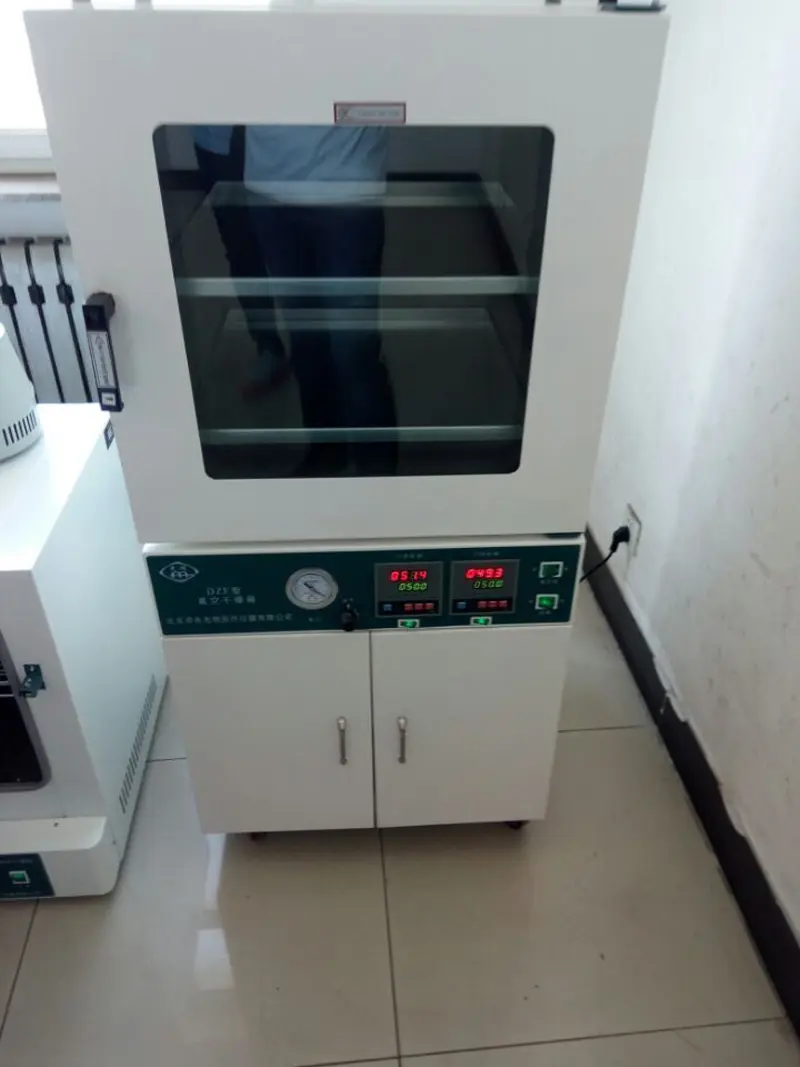
GZ 75 Cement Mortar Vibrating Table from Drying Oven factory
GZ 75 Cement Mortar Vibrating Table from Drying Oven factory
Precision in cement mortar testing begins with the elimination of air voids and the stabilization of sample density. The GZ-75 cement mortar vibrating table is engineered specifically for this purpose, providing a controlled mechanical vibration environment that ensures water-soft samples are uniformly compacted. For construction departments, concrete quality control firms, and academic research laboratories, the consistency of the vibration process is a critical variable that directly impacts the validity of compressive strength and durability tests.
By utilizing a high-frequency motor to generate precise amplitudes, this instrument removes internal inconsistencies within the mortar mix. Whether operating in a high-volume commercial laboratory or a specialized university research setting, the GZ-75 streamlines the sample preparation phase, reducing human error and ensuring that every specimen meets the stringent technical parameters required for standardized material analysis.

Mechanics of High-Frequency Vibration in Mortar Specimen Preparation
The fundamental objective of the GZ-75 is to achieve a homogeneous distribution of aggregates and binder within the mortar mold. This is accomplished through a vibration frequency of 2800-3000 cycles per 60 seconds, which induces a state of liquefaction in the fresh mortar. This process allows the material to flow into every corner of the formwork, effectively displacing trapped air and preventing the formation of honeycombing or internal voids that would otherwise compromise the structural integrity of the test specimen.
A critical aspect of this technical process is the amplitude control. With a precision of 0.75±0.05mm, the instrument ensures that the energy delivered to the sample is sufficient for compaction without causing segregation of the coarser particles. This balance is essential for maintaining the designed mix proportion of the cement mortar, ensuring that the subsequent physical inspection results accurately reflect the material's inherent properties rather than preparation flaws.
- Frequency Stability: Consistent cycles prevent erratic compaction.
- Amplitude Precision: Maintains the integrity of the mortar matrix.
- Timed Execution: Standardized 120S duration for repeatable results.

Technical Specifications and Operational Performance Standards
The GZ-75 is built for industrial durability and laboratory precision. Its 350×350mm table size is optimized to accommodate multiple standard molds simultaneously, increasing laboratory throughput without sacrificing quality. Powered by a 0.25KW motor operating at 380V (50HZ), the system is designed for continuous operation in heavy-duty environments, such as municipal construction departments or petroleum industry laboratories where material testing is a daily requirement.
Weight and stability are key to preventing energy loss during the vibration cycle. With a net weight of 70kg, the chassis provides the necessary inertia to keep the vibration focused on the specimen rather than the surrounding bench. This structural stability is a result of the rigorous ISO9001:2008 quality system implemented during the manufacturing process, ensuring a product pass rate of 99% and long-term reliability under demanding conditions.
Application Scenarios Across Construction and Engineering Sectors
In the context of modern infrastructure, the GZ-75 serves as a gateway to quality assurance. In university research laboratories, it is used to study the effect of various chemical admixtures on mortar workability. By keeping the vibration parameters constant, researchers can isolate the chemical variables affecting strength. In road and building construction, the table is used to verify that the cement batches delivered to the site meet the specified technical requirements before large-scale pouring begins.
Furthermore, the instrument is vital for environmental protection and chemical engineering firms testing specialized binders or waste-derived cements. These materials often exhibit different viscosity profiles than standard Portland cement, making the precise frequency and amplitude of the GZ-75 indispensable for achieving the density required for accurate analytical instrumentation testing. The ease of use and low human error associated with this model make it an ideal choice for technicians who must process numerous samples daily.
Technical Parameter Analysis of GZ-75 Vibrating Table
| Parameter Item | Technical Requirement | Operational Impact | Evaluation Metric |
|---|---|---|---|
| Table Dimensions | 350 × 350 mm | Specimen Capacity | Standardized |
| Vibration Frequency | 2800-3000 cycles/60s | Air Void Removal | High Efficiency |
| Vibration Amplitude | 0.75 ± 0.05 mm | Matrix Homogeneity | Precision Controlled |
| Operational Time | 120s ± 5s | Compaction Consistency | Time-Regulated |
| Power Configuration | 0.25KW / 380V / 50HZ | Motor Stability | Industrial Grade |
Evaluating Supplier Capability for Laboratory Testing Instruments
When sourcing material testing equipment, procurement managers must look beyond the basic datasheet. The ability of a manufacturer to integrate R&D with actual production is what ensures the longevity of the instrument. Cangzhou Blue Beauty Instrument Co., Ltd. employs a specialized structure featuring dedicated production, quality inspection, and after-sales departments. This ensures that every GZ-75 unit is subjected to rigorous inspection based on enterprise standards that often exceed ministerial or industry requirements.
A key differentiator for a professional manufacturer is the ownership of intellectual property. With four invention patents in the field of physical inspection and analytical instruments, the company demonstrates a commitment to innovation in automation and the reduction of human error. For buyers in over 60 countries, this translates to equipment that is not only easy to operate but also consistently accurate, supporting a global footprint from Europe to Asia.
Future Trends in Material Testing and Automation
The trajectory of the construction instrument industry is moving toward higher automation and tighter integration with digital data logging. While the GZ-75 provides the essential mechanical foundation for sample preparation, the next generation of instruments will likely incorporate smart sensors to monitor compaction in real-time. This evolution will allow laboratories to transition from fixed-time vibration to "state-based" vibration, where the machine stops automatically once the ideal density is achieved.
For procurement professionals, the focus should remain on acquiring equipment from suppliers who can adapt to these changes while maintaining the core mechanical reliability of the hardware. As international standards for building materials become more stringent, the reliance on high-precision instruments like the GZ-75 will only increase, necessitating a partnership with manufacturers who provide comprehensive after-sales support and a proven track record of export quality.
Frequently Asked Questions Regarding Mortar Vibrating Tables
What is the primary purpose of the GZ-75 vibrating table in a lab?
The GZ-75 is used to vibrate mortar molds to remove trapped air and ensure the specimen is densely and uniformly compacted, which is essential for accurate strength testing.
How does the amplitude of 0.75mm affect the cement mortar sample?
The precise amplitude ensures sufficient energy to settle the mortar without causing the heavier aggregates to sink to the bottom, maintaining a homogeneous mix.
Can this equipment be used for non-cement materials?
Yes, it is suitable for various water-soft samples in building materials, chemicals, and petroleum industries, provided they require high-frequency mechanical compaction.
What quality certifications does the manufacturer follow?
The production is managed according to the ISO9001:2008 and GB/T190001-2008 quality systems to ensure a pass rate of 99%.
What is the ideal vibration time for standard mortar samples?
According to the technical parameters of the GZ-75, the standardized vibration time is 120 seconds, with a permissible tolerance of ±5 seconds.
Is the GZ-75 suitable for international voltage standards?
The standard model is configured for 380V (50HZ), but the company's export experience to over 60 countries allows for coordination on specific power requirements.
Technical References and Industry Standards
- ASTM International - Standards for Concrete and Mortar Testing
- ISO Quality Management Systems for Manufacturing
- American Concrete Institute (ACI) Material Guidelines
- BSI Standards for Building Material Instruments
Selecting the right compaction equipment is a prerequisite for any laboratory aiming for high-precision results in material science. The GZ-75 combines industrial-grade durability with the technical precision required by global construction standards.
Related Technical Insights