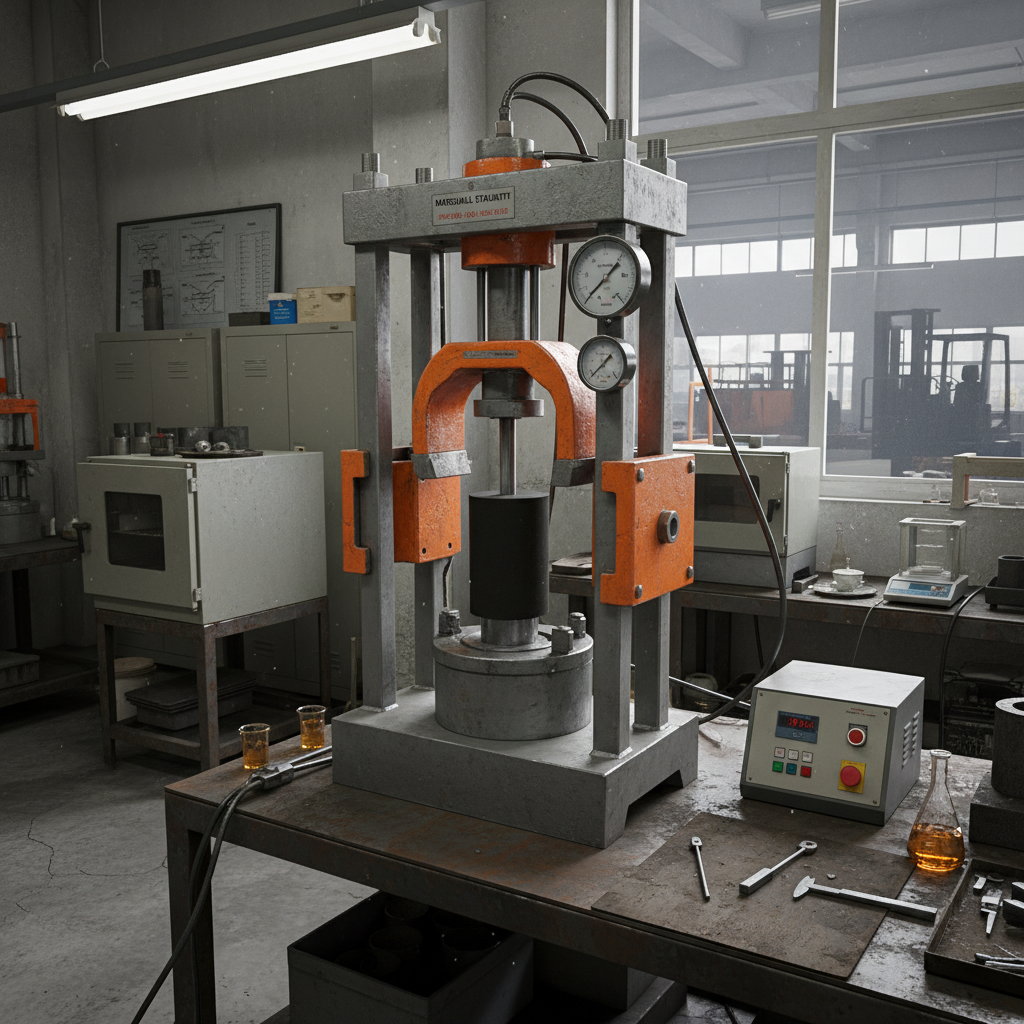
Concrete Testing Moulds from Ceramic Fiber Muffle Furnace factory
Concrete Testing Moulds from Ceramic Fiber Muffle Furnace factory
Ensuring the structural integrity of concrete requires precise specimen preparation, where the quality of the mould directly influences the accuracy of compressive strength testing. For laboratories and construction sites, selecting durable, high-precision casting tools is a critical operational requirement. Whether preparing 100mm or 150mm cubes, the consistency of the geometry prevents edge failures and ensures that the load is applied uniformly during the crush test.
Cangzhou Blue Beauty Instrument Co., Ltd. provides professional-grade engineering plastic moulds designed to minimize friction during specimen extraction and maximize dimensional stability. By utilizing high-density plastics, these tools offer a reliable alternative to traditional metal moulds, reducing corrosion risks and lowering long-term procurement costs. In the broader context of materials testing, such precision is as vital as the thermal control found in a Ceramic Fiber Muffle Furnace factory, where stability is the key to repeatable results.

Engineering Plastic Moulds for Standard Concrete Cube Testing
Concrete test moulds serve as the fundamental interface between the raw material mix and the finalized data. The use of engineering plastics in the production of 100mm and 150mm cubes is specifically intended to address the challenges of surface adhesion and mould deformation. Unlike lower-grade plastics, the materials used by Cangzhou Blue Beauty Instrument Co., Ltd. are selected for their rigidity and resistance to the chemical alkalinity of cement, ensuring that the mould does not warp under the pressure of compaction.
Our product range includes a variety of configurations to suit different laboratory scales, including single and three-gang moulds. The three-gang design is particularly efficient for high-volume testing environments, allowing technicians to cast multiple specimens simultaneously while maintaining identical casting conditions. This synchronization is essential for reducing human error and ensuring that the batch variability is a reflection of the concrete mix rather than the mould geometry.
- Dimensional Accuracy: Strict adherence to international standards for 100mm and 150mm specifications.
- Surface Finish: Smooth interior walls to facilitate easy specimen removal without damaging the cube edges.
- Material Durability: High-impact engineering plastic that withstands repeated use in harsh construction environments.

Technical Advantages of Plastic vs Metal Casting Tools
In the materials testing industry, the debate between plastic and metal moulds often centers on longevity and precision. Metal moulds, while strong, are prone to rust and often require the application of release agents that can contaminate the specimen surface. Engineering plastic moulds eliminate the need for excessive oiling and are completely immune to atmospheric corrosion, making them ideal for laboratories in humid or coastal regions.
Furthermore, the thermal expansion coefficient of high-quality plastics is managed to ensure that the internal dimensions remain constant during the initial curing phase. This stability is critical for the "100mm Concrete plastic cube test mould" series, where even a millimeter of deviation can lead to skewed stress-strain calculations during the compression phase. By optimizing the wall thickness and reinforcement of the plastic body, we provide a tool that balances lightweight handling with industrial-strength rigidity.
For specialized applications, our range extends to elastic modulus and bending resistance moulds. These elongated forms require even higher longitudinal stability to prevent bowing, a requirement we meet through advanced injection moulding processes that ensure uniform density throughout the plastic structure.
Application Scenarios in Modern Civil Engineering and Quality Control
The application of these moulds spans the entire lifecycle of construction, from initial mix design in university laboratories to on-site quality assurance for highways, bridges, and high-rise buildings. In a professional setting, the ability to quickly cast and extract cubes is vital for maintaining the project timeline without compromising on safety standards. The use of color-coded moulds (Black, Green, Blue) allows laboratories to easily categorize different concrete grades or project phases, reducing the risk of specimen mix-ups.
Beyond standard cubes, the "Impermeability plastic test mould" is used in specialized hydraulic engineering to determine the water-tightness of concrete structures. These tests require a perfect seal between the specimen and the mould, a feat achieved through our precision-machined joints. Whether it is a 70.7mm small cube for specialized research or a 150mm standard cube for commercial building codes, the priority remains the same: absolute geometric fidelity.
For procurement managers, sourcing from a Ceramic Fiber Muffle Furnace factory partner like Cangzhou Blue Beauty Instrument Co., Ltd. means accessing a supply chain that understands the intersection of laboratory precision and industrial durability, ensuring that the tools provided are fit for purpose in any global environment.
Technical Specifications and Model Comparison
| Product Model | Spec Size | Available Colors | Typical Application |
|---|---|---|---|
| Concrete Plastic Cube (G1/G2/G3) | 150mm | Black, Green, Blue | Standard Compressive Strength |
| Three Gang Cube Mould | 100mm | Black, Green | High-Efficiency Batch Testing |
| Small Cube Mould | 70.7mm | Black, Green | Specialized Research/Small Scale |
| Elastic Modulus Mould | 150x150x300mm | Black, Green | Concrete Deformation Analysis |
| Impermeability Mould | 175x185x150mm | Black | Water-Tightness & Porosity Tests |
Manufacturing Quality and ISO Compliance in Tool Production
Quality assurance in the production of testing instruments is not merely about the final product but the entire manufacturing process. Cangzhou Blue Beauty Instrument Co., Ltd. operates under the ISO9001:2008 and GB/T190001-2008 quality systems. This ensures that every batch of plastic moulds undergoes rigorous dimensional inspection before leaving the factory, targeting a pass rate of 99% to prevent any operational delays for our end users.
Our investment in advanced production equipment, exceeding 10 million yuan, allows us to maintain tight tolerances across large production runs. The integration of a dedicated Quality Inspection Department means that each mould is checked for squareness, wall thickness, and surface smoothness. This level of control is what distinguishes industrial-grade testing tools from generic plastic containers, providing the reliability needed for certified laboratory results.
Moreover, our R&D department focuses on the evolution of materials. By researching new polymer composites, we continue to enhance the impact resistance of our moulds, ensuring they can withstand the rigors of construction site transport and the mechanical stress of specimen extraction without cracking or losing their shape.
Buyer's Guide for Selecting Concrete Testing Moulds
When procuring concrete moulds, buyers should look beyond the initial price point and evaluate the total cost of ownership. A cheap mould that warps after ten uses creates inconsistent data and leads to failed inspections, which is far more costly than investing in high-quality engineering plastics. Key evaluation criteria should include the material grade, the ease of specimen extraction, and the supplier's ability to provide consistent dimensions across multiple orders.
For laboratories handling diverse projects, we recommend a mix of three-gang moulds for efficiency and single moulds for specialized tests. Additionally, ensuring the supplier has a robust after-sales support system is crucial. Our commitment to "user satisfaction" means we provide timely feedback and technical support to ensure that the tools are being used optimally within the specific constraints of the user's laboratory setup.
Finally, consider the logistics of procurement. Working with a manufacturer that has a dedicated logistics department ensures that delicate instruments are packaged securely to avoid transit damage and delivered on time to meet project deadlines, whether the destination is in Asia, Europe, or the Americas.
Frequently Asked Questions About Concrete Test Moulds
What is the main advantage of using engineering plastic over metal for concrete cubes?
Engineering plastic moulds are corrosion-resistant, lightweight, and typically require less release agent than metal, which prevents surface contamination of the concrete specimen and reduces long-term maintenance costs.
How do I choose between a single mould and a three-gang mould?
Single moulds are ideal for low-volume or specialized testing. Three-gang moulds are designed for high-throughput laboratories, allowing the casting of three specimens simultaneously to increase efficiency and ensure uniform conditions.
Do these moulds meet international construction standards?
Yes, our moulds are manufactured to strict dimensional standards for 100mm and 150mm cubes, ensuring they are compatible with standard compression testing machines used globally.
Can these moulds be used for different types of cement or additives?
Yes, the high-density engineering plastic used is chemically stable and resistant to the alkaline nature of various cement types, including those with chemical admixtures.
What is the lifespan of a plastic test mould?
Lifespan depends on the frequency of use and handling, but our industrial-grade plastics are designed for hundreds of cycles provided they are cleaned properly after each use.
How are the moulds packaged for international shipping?
Moulds are packed in secure, size-specific boxes (e.g., 24 pieces per box for 150mm models) to ensure they arrive without deformation or damage during transit.
Technical References & Industry Standards
- ASTM International - Standard Test Method for Compressive Strength of Cylindrical Concrete Specimens
- ISO Quality Management Systems for Manufacturing Instruments
- American Concrete Institute (ACI) - Guidelines for Specimen Preparation
- British Standards Institution (BSI) - Concrete Testing Procedures
For laboratories seeking to upgrade their quality control infrastructure, investing in precision-engineered casting tools is the first step toward reliable data. Cangzhou Blue Beauty Instrument Co., Ltd. remains dedicated to supporting the global construction industry with durable, accurate, and efficient testing solutions.
Related Articles