
Comprehensive Guide to the Blaine Apparatus for Accurate Fineness Testing
The Blaine Apparatus: A Comprehensive Guide
The Blaine Apparatus is an essential tool for determining the fineness of cement and other powdered materials. Used extensively in quality control within the construction, chemical, and pharmaceutical industries, it provides crucial data for assessing material performance and consistency. This article delves into the principles of the Blaine Apparatus, its applications, operation, maintenance, and why choosing a reliable supplier like CZ Lab Instrument is paramount. Understanding the Blaine Apparatus is fundamental to ensuring the quality and reliability of materials used in various applications.
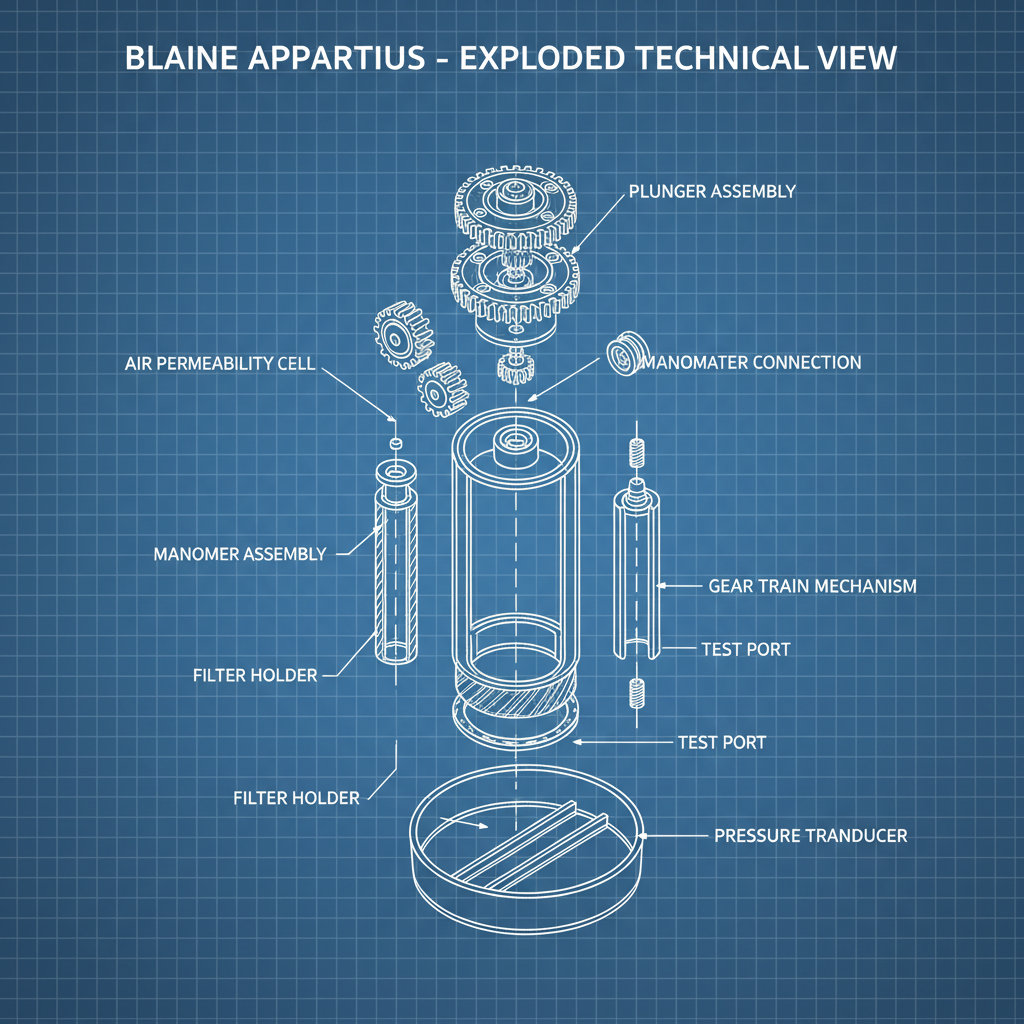
Understanding the Principle Behind the Blaine Apparatus
The Blaine Apparatus operates on the principle of air permeability. It measures the specific surface area of a powder by determining the rate at which air flows through a packed bed of the material. A larger specific surface area indicates a finer powder, as there is more surface available for reaction or hydration. The Blaine number, expressed in cm²/g, quantifies this fineness. This is crucial for cement, as fineness directly influences the rate of hydration and, consequently, the strength development of concrete. The Blaine Apparatus provides a standardized and accurate method for this measurement.
Key Benefit: Accurate determination of powder fineness for quality control and process optimization.
Applications of the Blaine Apparatus Across Industries
The Blaine Apparatus isn’t limited to cement testing. It has broad applications in various industries:
- Cement Manufacturing: Ensuring cement meets required fineness standards for optimal performance.
- Fly Ash & Pozzolanic Materials: Characterizing the reactivity of supplementary cementitious materials.
- Mineral Powders: Evaluating the fineness of minerals like silica, limestone, and clay.
- Pharmaceuticals: Assessing the particle size of active pharmaceutical ingredients (APIs) for drug delivery.
- Chemical Industry: Quality control of powdered chemicals used in various processes.
Application Summary:
• Cement Quality Control
• Fly Ash Analysis
• Mineral Powder Characterization
• Pharmaceutical API Testing
Blaine Apparatus vs. Other Fineness Testing Methods
Several methods can determine powder fineness, but the Blaine Apparatus offers distinct advantages. Sieve analysis, while simple, only measures particle size distribution and doesn't accurately reflect surface area. Laser diffraction provides particle size distribution but may be less suitable for highly agglomerated powders. The Blaine Apparatus specifically targets specific surface area, offering a more relevant metric for reactivity and performance. Choosing the right method depends on the application, but for cement and related materials, the Blaine test remains the gold standard. Consider CZ Lab Instrument's Blaine Apparatus for reliable results.
Choosing the Right Blaine Apparatus – Considerations and CZ Lab Instrument
When selecting a Blaine Apparatus, consider factors like the cell volume, air pressure control, and overall build quality. A robust and accurate instrument ensures reliable results and minimizes the need for frequent recalibration. CZ Lab Instrument provides high-quality Blaine Apparatus designed for precision and durability. We offer comprehensive support, including installation, training, and maintenance services, ensuring you get the most out of your investment.
Maintaining Your Blaine Apparatus for Optimal Performance
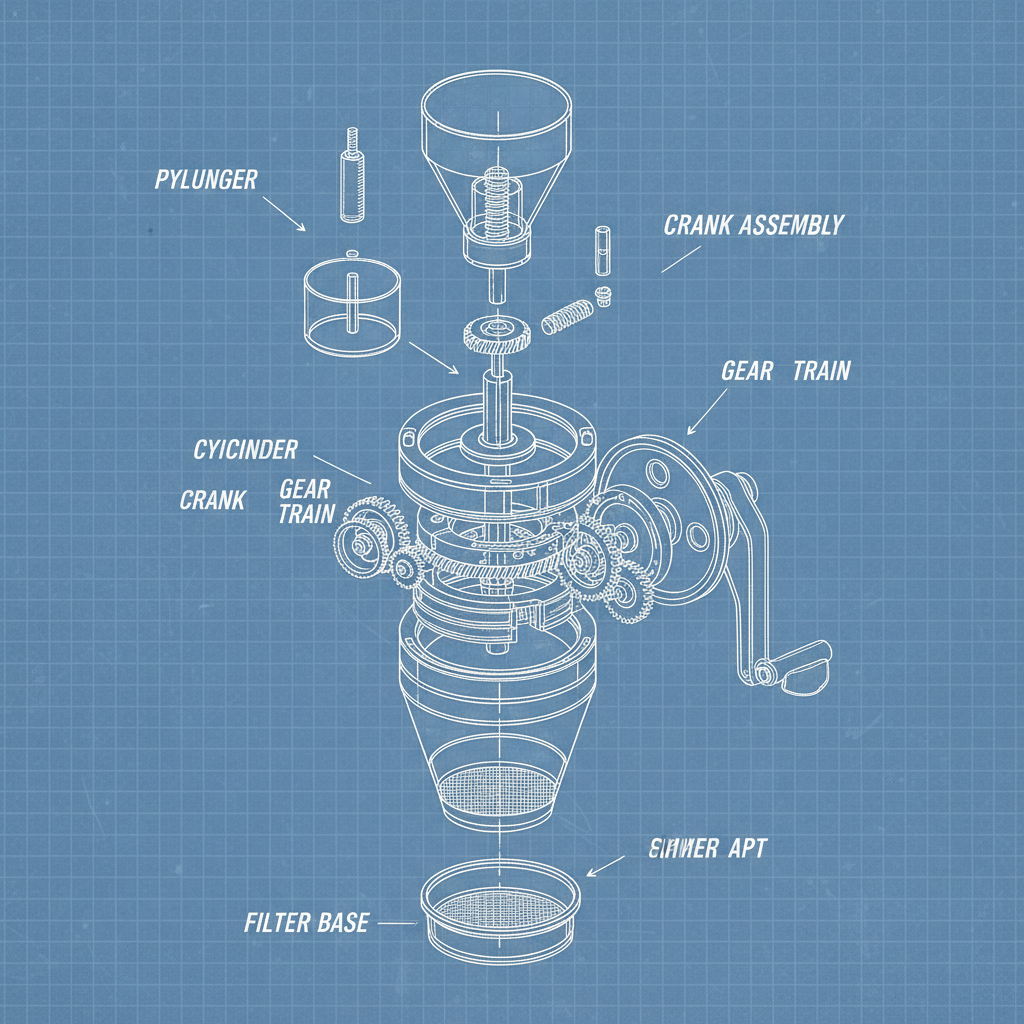
Regular maintenance is crucial for ensuring accurate and consistent results from your Blaine Apparatus. This includes cleaning the cell regularly, checking for leaks in the air supply system, and calibrating the instrument periodically. Refer to the manufacturer’s instructions for specific maintenance procedures. Proper maintenance not only prolongs the life of the instrument but also guarantees the reliability of your test data. CZ Lab Instrument offers service contracts to keep your equipment in peak condition.
Conclusion: Invest in Accuracy with a Quality Blaine Apparatus
The Blaine Apparatus is an indispensable tool for industries requiring precise fineness measurements. By investing in a high-quality instrument from a trusted supplier like CZ Lab Instrument, you can ensure accurate results, reliable performance, and long-term cost savings.
Frequently Asked Questions (FAQs)
What type of material is best suited for Blaine Apparatus testing?
The Blaine Apparatus is ideal for testing finely ground powders, particularly cement, fly ash, and mineral additives. It's effective for materials that can be packed into the cell without significant air gaps. However, materials with excessive moisture or coarse particles may require pre-treatment, such as drying or grinding, to ensure accurate results. The material should be free-flowing and capable of forming a permeable bed.
How often should the Blaine Apparatus be calibrated?
Calibration should be performed at least annually, or more frequently if the instrument is used extensively or experiences significant temperature fluctuations. Calibration ensures the accuracy of the air permeability measurements. CZ Lab Instrument provides calibration services to maintain the precision of your equipment.
What are common sources of error in Blaine Apparatus testing?
Common errors include improper sample preparation (moisture content, agglomeration), air leaks in the system, and incorrect cell packing. Ensuring the sample is dry, free-flowing, and packed uniformly is crucial. Regularly check for leaks and ensure the cell is properly seated. Following standardized test procedures minimizes errors and ensures reliable results.


