
Comprehensive Guide to Laboratory Hot Plate Magnetic Stirrer Applications and Selection
Laboratory Hot Plate Magnetic Stirrer: A Comprehensive Guide
The Laboratory Hot Plate Magnetic Stirrer is an indispensable piece of equipment in modern scientific research and development. Combining the functions of heating and mixing, it significantly enhances efficiency and precision in various applications. This article provides a detailed overview of its features, benefits, applications, and considerations for selecting the right model. Understanding the capabilities of a laboratory hot plate magnetic stirrer is crucial for optimizing experimental processes and achieving accurate results. Whether you're in a chemistry lab, biology research center, or quality control facility, a reliable hot plate stirrer is essential.
Understanding the Core Features of a Laboratory Hot Plate Magnetic Stirrer
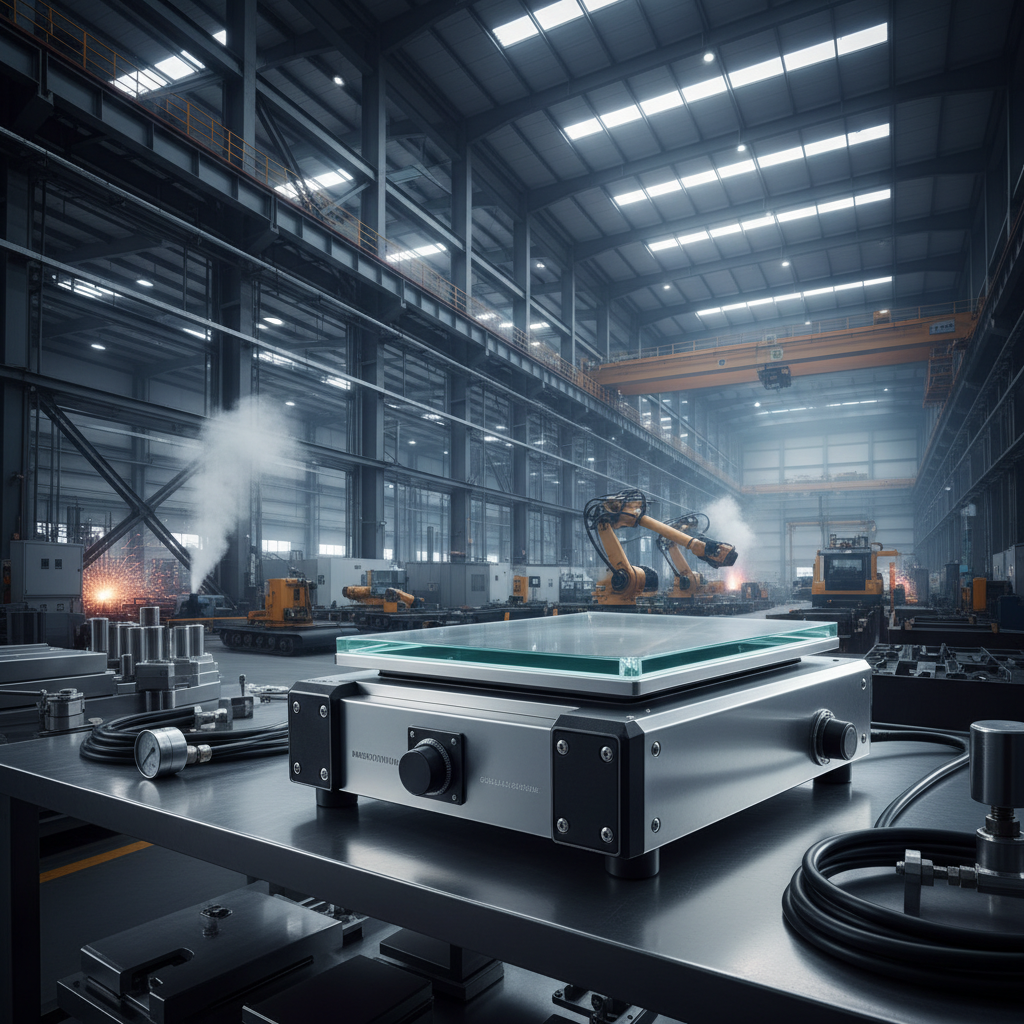
A typical laboratory hot plate magnetic stirrer consists of a flat heating surface (the hot plate) and a magnetic field generator. The hot plate provides controlled heating, while the magnetic stirrer uses a rotating magnet to drive a stir bar within the liquid, ensuring thorough mixing. Key features include precise temperature control, variable stirring speed, and a robust construction for durability. Modern models often include digital displays, programmable settings, and safety features such as overheat protection. The selection of materials used in construction is also important, with ceramic and glass ceramic surfaces being common choices due to their chemical resistance.
Key Highlights: Precise temperature control, variable stirring speed, robust construction, digital displays, and safety features like overheat protection.
Applications Across Scientific Disciplines
The versatility of a laboratory hot plate magnetic stirrer makes it applicable across a broad spectrum of scientific disciplines. In chemistry, it’s used for titrations, dissolving solids, and refluxing. Biology labs utilize it for preparing media, heating samples, and maintaining cultures. Pharmaceutical research relies on it for reaction optimization and quality control. Environmental monitoring employs these stirrers for sample preparation and analysis. The ability to simultaneously heat and mix makes it invaluable for processes that require consistent temperatures and homogenous solutions. CZLabInstrument offers a range of models to suit diverse laboratory needs.
Application Benefits:
• Enhances reaction rates and yields
• Ensures homogenous mixing of solutions
• Provides precise temperature control
• Improves experimental reproducibility
Laboratory Hot Plate Magnetic Stirrer Comparison: Key Specifications
Choosing the right hot plate magnetic stirrer requires considering several factors, including heating capacity, stirring speed range, plate material, and safety features. Here’s a comparison of different models, highlighting their key specifications:
Safety Considerations When Using a Magnetic Stirrer Hot Plate
Safety is paramount when operating a laboratory hot plate magnetic stirrer. Always wear appropriate personal protective equipment (PPE), including safety glasses and gloves. Ensure the stirrer is placed on a stable, heat-resistant surface away from flammable materials. Never leave a heating stirrer unattended. Always allow the hot plate to cool down completely before handling or storing. Be mindful of the potential for burns from the hot plate surface and hot stir bars. Proper training and adherence to laboratory safety protocols are essential. CZLabInstrument provides detailed safety guidelines with each product.
Conclusion: Selecting the Right Hot Plate Magnetic Stirrer for Your Needs
Investing in Quality and Reliability
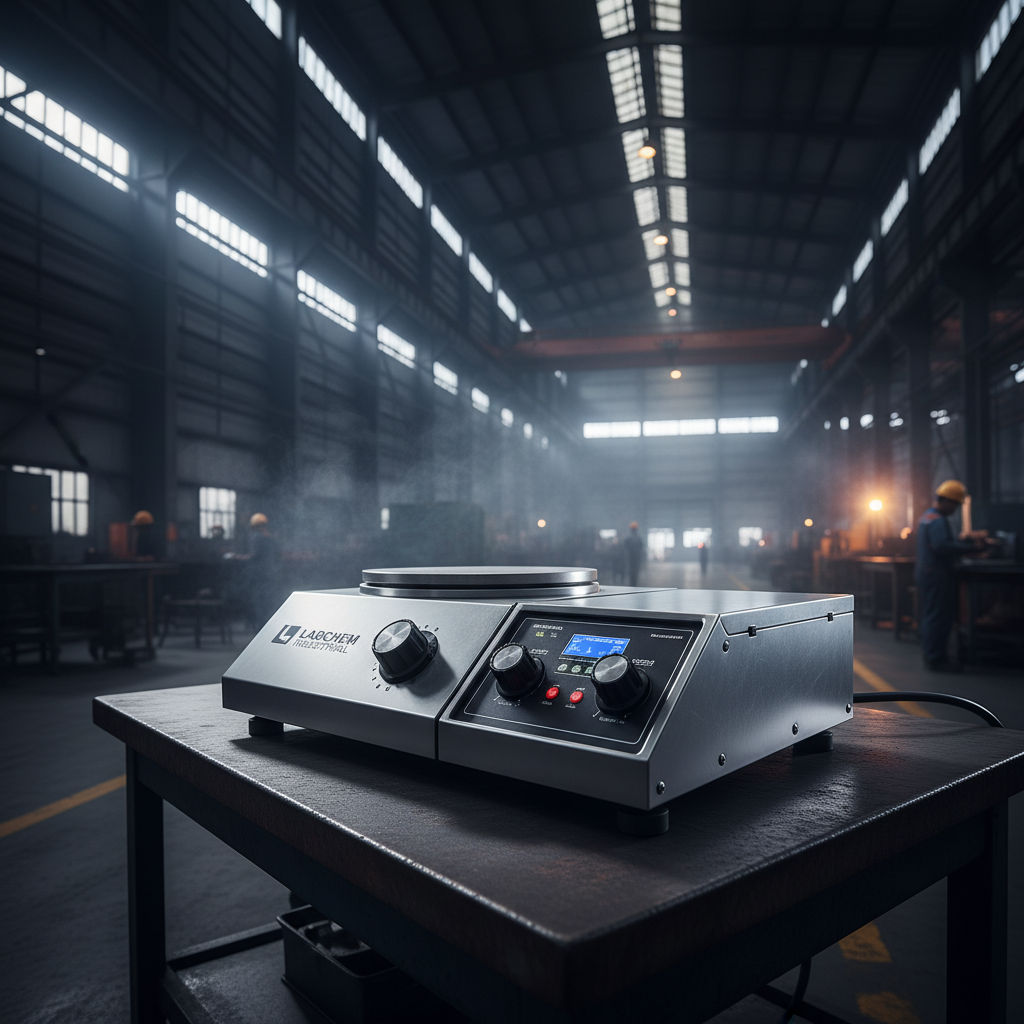
The laboratory hot plate magnetic stirrer is a fundamental tool for any modern laboratory. Choosing a model from a reputable manufacturer like CZLabInstrument ensures you receive a high-quality, reliable instrument that will deliver consistent performance. By carefully considering your specific needs and prioritizing safety, you can select the ideal hot plate stirrer to enhance your research and streamline your laboratory workflows.
Frequently Asked Questions (FAQs)
What is the best plate material for a hot plate magnetic stirrer?
The best plate material depends on your application. Aluminum is cost-effective and provides good heat distribution, but it can be reactive with certain chemicals. Ceramic is more chemically resistant but may heat up more slowly. Glass ceramic offers the best combination of chemical resistance, even heating, and durability, making it ideal for demanding applications. Consider the types of solvents and chemicals you will be using when making your selection.
How do I choose the right stirring speed for my application?
The optimal stirring speed depends on the viscosity of the liquid and the desired level of mixing. For low-viscosity liquids, a higher stirring speed will provide efficient mixing. For high-viscosity liquids, a slower speed may be necessary to prevent splashing. Start with a low speed and gradually increase it until you achieve the desired level of mixing. Avoid using excessive speeds, as this can create vortexes and potentially damage the stir bar or container.
What are the benefits of a digital hot plate magnetic stirrer?
Digital hot plate magnetic stirrers offer several advantages over analog models. They provide precise temperature control, allowing you to set and maintain desired temperatures with accuracy. Digital displays make it easy to monitor the temperature and stirring speed. Programmable settings allow you to automate processes and repeat experiments consistently. They typically also have enhanced safety features, like real-time temperature monitoring, and alarm systems.


