
High Temperature Laboratory Hot Plates A Comprehensive Buyers Guide
High Temperature Laboratory Hot Plates: A Comprehensive Guide
Laboratory high temperature hot plates are essential equipment in various scientific disciplines, offering precise and controlled heating for a multitude of applications. From chemical synthesis to materials testing, these devices provide a stable platform for reactions and experiments. This article delves into the features, benefits, types, and selection criteria for high-temperature laboratory hot plates, helping you choose the right equipment for your specific needs. Understanding the nuances of these instruments is crucial for ensuring accurate and reproducible results.
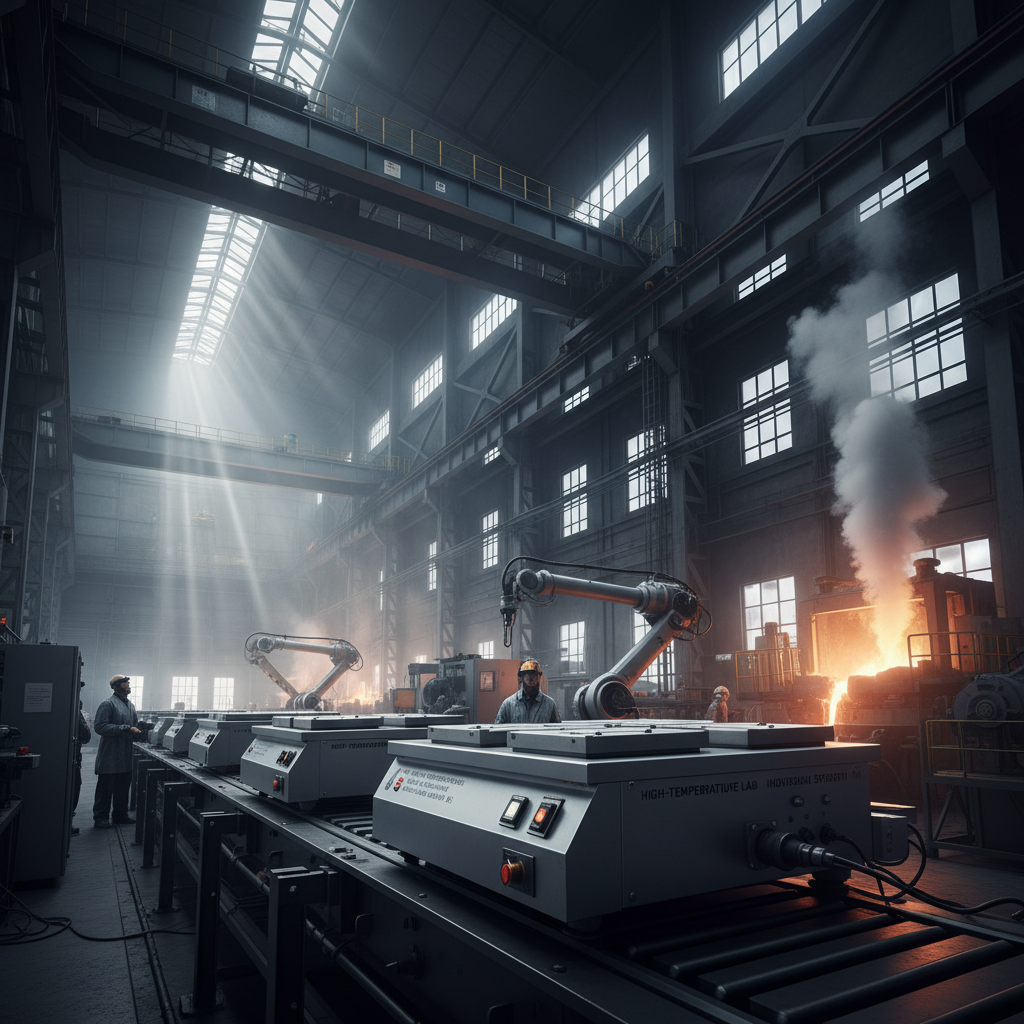
Understanding the Applications of High Temperature Hot Plates
High temperature hot plates are used extensively across a range of scientific fields. In chemistry, they are vital for heating reaction mixtures, evaporating solvents, and performing distillations. Biology labs utilize them for applications like DNA melting and protein denaturation. Materials science relies on hot plates for sintering, drying samples, and performing thermal analysis. Quality control in pharmaceuticals and food science also benefits from precise temperature control offered by these devices. The versatility and precision of these hot plates make them indispensable tools in modern laboratories.
Key Applications: Heating reaction mixtures, evaporating solvents, sintering, DNA melting, protein denaturation, quality control in pharmaceuticals and food science.
Types of High Temperature Laboratory Hot Plates
There are several types of high temperature hot plates, each designed for specific applications. Digital hot plates offer precise temperature control and often include programmable features. Analog hot plates are simpler and more cost-effective but provide less precise control. Ceramic hot plates are known for their excellent thermal stability and resistance to corrosion, while metallic hot plates offer faster heating times. Stirring hot plates combine heating with magnetic stirring, providing a convenient solution for reactions requiring constant mixing. Choosing the right type depends on the specific requirements of your experiments and budget.
Hot Plate Types:
• Digital Hot Plates
• Analog Hot Plates
• Ceramic Hot Plates
• Metallic Hot Plates
• Stirring Hot Plates
Key Features to Consider When Choosing a High Temperature Hot Plate
Several features should be considered when selecting a high temperature hot plate. Temperature range is critical, ensuring it meets the demands of your experiments. Temperature accuracy and uniformity are also crucial for reproducible results. The size and material of the heating surface should be appropriate for your sample containers. Look for features like digital displays, programmable settings, and safety mechanisms such as overheat protection. Durability and ease of cleaning are also important considerations for long-term use and maintenance. A robust build quality will ensure a longer lifespan and reliable performance.
High Temperature Laboratory Hot Plates: Comparison Table
Choosing the right hot plate can be challenging. Here's a comparison of different types to help you decide:
Safety Considerations and Best Practices
Safety is paramount when working with high temperature hot plates. Always wear appropriate personal protective equipment (PPE), including heat-resistant gloves and safety glasses. Ensure the hot plate is placed on a stable, heat-resistant surface away from flammable materials. Never leave a hot plate unattended while in use. Be aware of the hot surface and allow it to cool completely before handling or storing. Proper training and adherence to laboratory safety protocols are essential. CZ Lab Instrument provides resources and support to ensure safe operation of our products.

Conclusion: Choosing the Right High Temperature Hot Plate
Selecting the appropriate high temperature hot plate is crucial for achieving accurate and reliable results in your laboratory. By considering your specific applications, temperature requirements, and safety needs, you can choose a device that meets your demands and enhances your research. Don't hesitate to consult with experts at CZ Lab Instrument for guidance and support.
Frequently Asked Questions (FAQs)
What temperature range should I look for in a high temperature hot plate?
The required temperature range depends entirely on your application. Consider the highest temperature you’ll need for your experiments, and select a hot plate that exceeds this by a comfortable margin. Some hot plates can reach temperatures up to 600°C or higher, while others are designed for lower-temperature applications. It’s always better to have some headroom than to be limited by the hot plate's maximum temperature.
How important is temperature accuracy and uniformity?
Temperature accuracy and uniformity are critical for reproducible results. Accuracy refers to how closely the displayed temperature matches the actual temperature of the heating surface. Uniformity describes how consistent the temperature is across the entire surface. Higher-quality hot plates typically offer better accuracy and uniformity. Look for specifications that indicate low deviations in both parameters. Regular calibration can also help maintain accuracy over time.
What are the benefits of a stirring hot plate?
A stirring hot plate combines heating with magnetic stirring, providing a homogeneous temperature distribution throughout the liquid. This is particularly useful for reactions that require constant mixing to ensure efficient heat transfer and prevent localized overheating or precipitation. Stirring also helps maintain a consistent reaction rate and promotes complete dissolution of reactants.
What materials are commonly used for hot plate surfaces?
Ceramic and metal are the most common materials for hot plate surfaces. Ceramic hot plates offer excellent chemical resistance and thermal stability, making them ideal for use with corrosive substances. Metallic hot plates, typically made from aluminum or steel, heat up more quickly but may be less resistant to corrosion. The choice depends on the types of chemicals you'll be using and the desired heating rate.


