
Optimizing Contamination Control with Cleaning Equipment Clean Bench Solutions
Choosing the Right Cleaning Equipment Clean Bench
Maintaining a sterile environment is crucial in numerous industries, including pharmaceuticals, biotechnology, and microelectronics. Cleaning Equipment Clean Benches offer a controlled workspace that minimizes contamination, ensuring product quality and research integrity. This article delves into the benefits, types, key features, and selection criteria for clean benches, providing a comprehensive guide for professionals seeking optimal contamination control solutions. Investing in the right clean bench is a vital step towards ensuring reliable results and maintaining stringent standards.

What is a Cleaning Equipment Clean Bench?
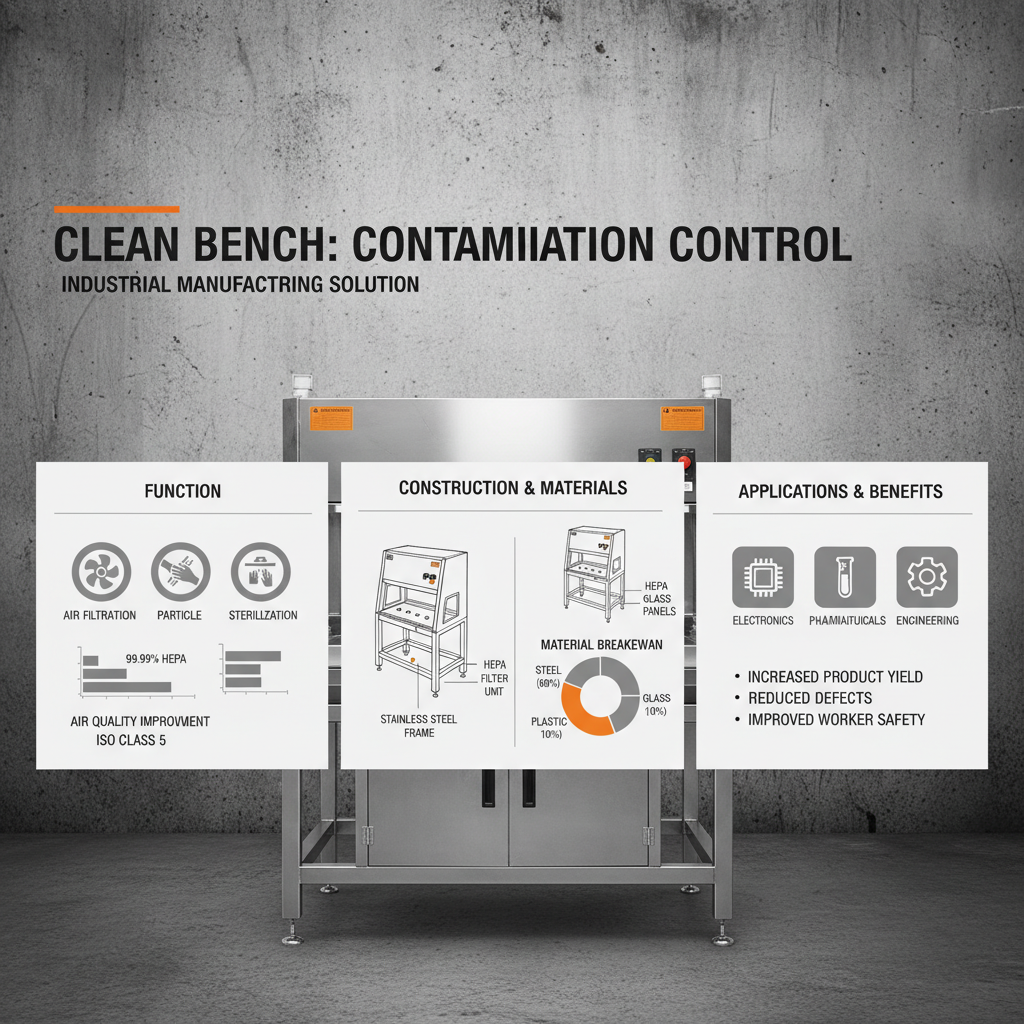
A clean bench, also known as a laminar flow hood, is a specialized workstation that provides a particle-free working environment. These benches utilize a HEPA (High-Efficiency Particulate Air) filter to remove at least 99.97% of particles 0.3 microns in diameter, creating a consistently clean and regulated airflow. This airflow is either horizontal (flowing across the work surface) or vertical (flowing down from the top). Clean benches are essential for processes requiring a sterile or controlled atmosphere, protecting products and experiments from contamination. CZLabInstrument.com offers a wide range of high-quality clean benches to suit diverse needs.
Key Benefit: Eliminates contamination, ensures product integrity, and enhances research reliability.
Horizontal vs. Vertical Laminar Flow Clean Benches
The choice between horizontal and vertical laminar flow depends on the application. Horizontal flow benches direct airflow across the work surface, making them suitable for applications where operator contamination is less of a concern. Vertical flow benches, however, direct air downwards, providing enhanced protection for both the product and the operator. Vertical flow benches are ideal for handling hazardous materials or processes requiring stringent sterility. Careful consideration of the specific needs of your application is crucial when selecting the appropriate clean bench type.
Key Differences:
• Horizontal Flow: Airflow is across the work surface, suitable for less sensitive applications.
• Vertical Flow: Airflow is downward, providing superior protection for product and operator.
• Operator Protection: Vertical flow benches offer better protection against hazardous materials.
Key Features to Consider When Purchasing a Cleaning Equipment Clean Bench
When investing in a clean bench, several features are critical to ensure optimal performance and reliability. These include the quality of the HEPA filter (look for filters certified to meet industry standards), the airflow velocity (typically measured in feet per minute - FPM), the construction materials (stainless steel is preferred for ease of cleaning and durability), and the presence of a UV light for sterilization. Additional features, such as ergonomic designs, adjustable stands, and digital displays, can further enhance usability and efficiency. Choosing a bench from a reputable manufacturer like CZLabInstrument ensures high-quality components and reliable performance.
Applications of Cleaning Equipment Clean Benches
Clean benches find applications across a wide spectrum of industries. In pharmaceutical and biotechnology, they are used for sterile compounding, cell culture, and microbiology. In microelectronics, they are essential for assembling and inspecting sensitive components. Research laboratories rely on clean benches for a variety of experiments requiring a controlled environment. Food and beverage industries utilize them for quality control and product testing. The versatility of clean benches makes them an invaluable asset in any environment where contamination control is paramount.
Selecting the Right Clean Bench: A Comprehensive Guide
Choosing the right clean bench involves considering several factors, including the size of the work area, the type of application, the level of sterility required, and budget constraints. It's essential to assess your specific needs and select a bench that meets those requirements. Consider the available space and ensure the bench fits comfortably within the designated workspace. Also, ensure the bench's dimensions are adequate to accommodate your equipment and materials. CZLabInstrument.com provides expert guidance to help you choose the ideal clean bench for your application.
Conclusion: Invest in Cleanliness and Reliability
Investing in a Cleaning Equipment Clean Bench from CZLabInstrument.com is a crucial step towards ensuring product quality, research integrity, and operator safety. By carefully considering your application and selecting the appropriate features, you can create a sterile workspace that meets your specific needs. Don't compromise on cleanliness – choose a reliable clean bench that will deliver consistent performance for years to come.
Frequently Asked Questions (FAQs)
How often should I replace the HEPA filter in my clean bench?
The HEPA filter should be replaced every 6-12 months, or more frequently depending on the usage and the level of contamination in the environment. Regularly monitor the filter's performance using a particle counter. A decrease in airflow or an increase in particle counts indicates that the filter needs to be replaced. Always use genuine replacement filters recommended by the manufacturer to ensure optimal performance and maintain the bench's integrity. Replacing the filter is a simple process, but it's crucial to follow the manufacturer's instructions carefully.
What is the proper way to disinfect a clean bench?
Regular disinfection is crucial to maintain a sterile environment. Use an appropriate disinfectant, such as 70% isopropyl alcohol, and wipe down all surfaces of the bench, including the work surface, side walls, and interior surfaces. Ensure the disinfectant is compatible with the materials used in the bench's construction. Avoid using abrasive cleaners, as they can damage the surfaces. Always allow the disinfectant to dry completely before resuming work. Follow a consistent disinfection protocol to ensure thorough cleaning and prevent contamination.
What safety precautions should I take when working with a clean bench?
Always wear appropriate personal protective equipment (PPE), such as gloves, masks, and lab coats, when working with a clean bench. Avoid introducing any unnecessary materials or equipment into the bench. Minimize clutter and keep the work area organized. Never block the airflow inlets or outlets of the bench. Follow proper waste disposal procedures to prevent contamination. If working with hazardous materials, ensure the bench is equipped with appropriate containment features.
How can I ensure proper airflow within the clean bench?
Regularly monitor the airflow velocity using an anemometer to ensure it meets the manufacturer's specifications. Avoid obstructing the airflow inlets or outlets. Ensure the HEPA filter is clean and functioning properly. Periodically inspect the bench for any leaks or damage that could compromise the airflow. Proper maintenance and regular monitoring are essential to maintain optimal airflow and ensure a sterile environment.


