
Comprehensive Guide to Clean Bench with HEPA Filter for Lab Applications
Clean Bench with HEPA Filter: A Comprehensive Guide
Maintaining a pristine environment is critical in various scientific, medical, and industrial applications. A Clean Bench with HEPA Filter provides the necessary controlled workspace to prevent contamination. This article delves into the features, benefits, applications, and selection criteria for these essential laboratory instruments, helping you choose the right solution for your needs. Investing in a high-quality clean bench is a vital step towards ensuring accurate results and product integrity.
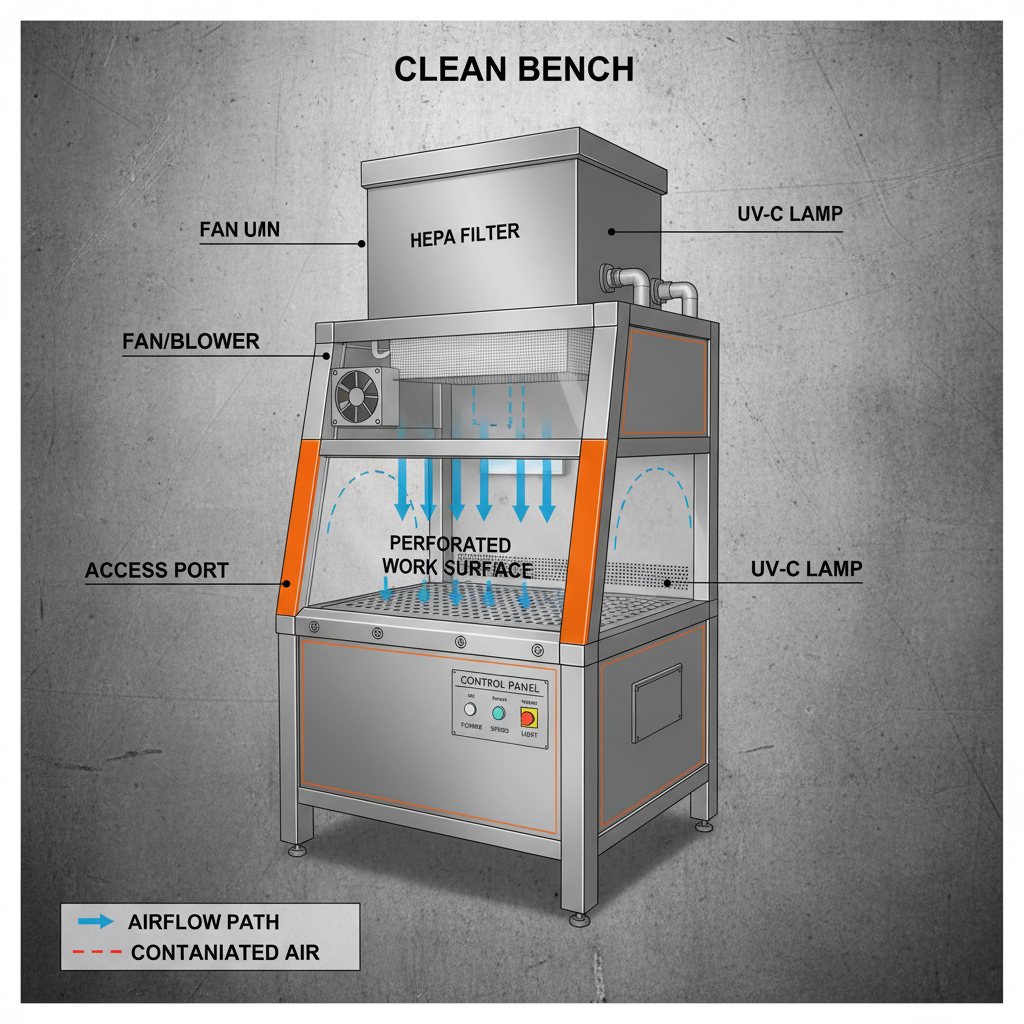
Understanding HEPA Filtration
The core component of any clean bench is its High-Efficiency Particulate Air (HEPA) filter. These filters are designed to remove at least 99.97% of particles 0.3 micrometers in diameter, ensuring a consistently clean airflow. This level of filtration is essential for protecting sensitive experiments and processes from contaminants like dust, microbes, and aerosols. The effectiveness of a HEPA filter is rigorously tested and certified to meet industry standards. CZ Lab Instrument provides clean benches equipped with high-performance HEPA filters.
Key Benefit: HEPA filters remove at least 99.97% of particles 0.3 micrometers in diameter, protecting sensitive processes and experiments.
Types of Clean Benches: Laminar Flow vs. Ducted Fume Hoods
It’s crucial to understand the distinction between different types of clean benches. Laminar flow hoods provide a clean work surface by blowing HEPA-filtered air across the workspace. They protect the process but not the operator. Ducted fume hoods, on the other hand, protect both the process and the operator by venting hazardous fumes and vapors away from the user. Choosing the right type depends on the nature of the work being performed. CZ Lab Instrument offers both laminar flow clean benches and ducted fume hoods to meet diverse laboratory needs.
Key Differences:
• Laminar Flow Hoods: Protect the process only.
• Ducted Fume Hoods: Protect both the process and the operator.
• Choosing the right type depends on the application and hazards involved.
Clean Bench with HEPA Filter: Applications Across Industries
Clean benches with HEPA filters are indispensable in a wide array of industries. In pharmaceutical research, they are used to maintain sterility during drug development and compounding. Biotechnology labs rely on them for cell culture and microbiology. The electronics industry utilizes clean benches to prevent dust contamination during the manufacturing of sensitive components. Furthermore, they are essential in medical facilities for preparing sterile solutions and performing diagnostic tests. CZ Lab Instrument’s clean benches cater to a broad spectrum of applications.
Selecting the Right Clean Bench: Key Considerations
Several factors should guide your selection of a clean bench with a HEPA filter. Consider the size of the workspace needed for your applications. Evaluate the airflow pattern – vertical or horizontal – based on your requirements. Determine whether you need a stainless steel work surface for chemical resistance. And critically, ensure the bench meets relevant safety standards and certifications. CZ Lab Instrument provides detailed specifications and guidance to help you make the right choice.
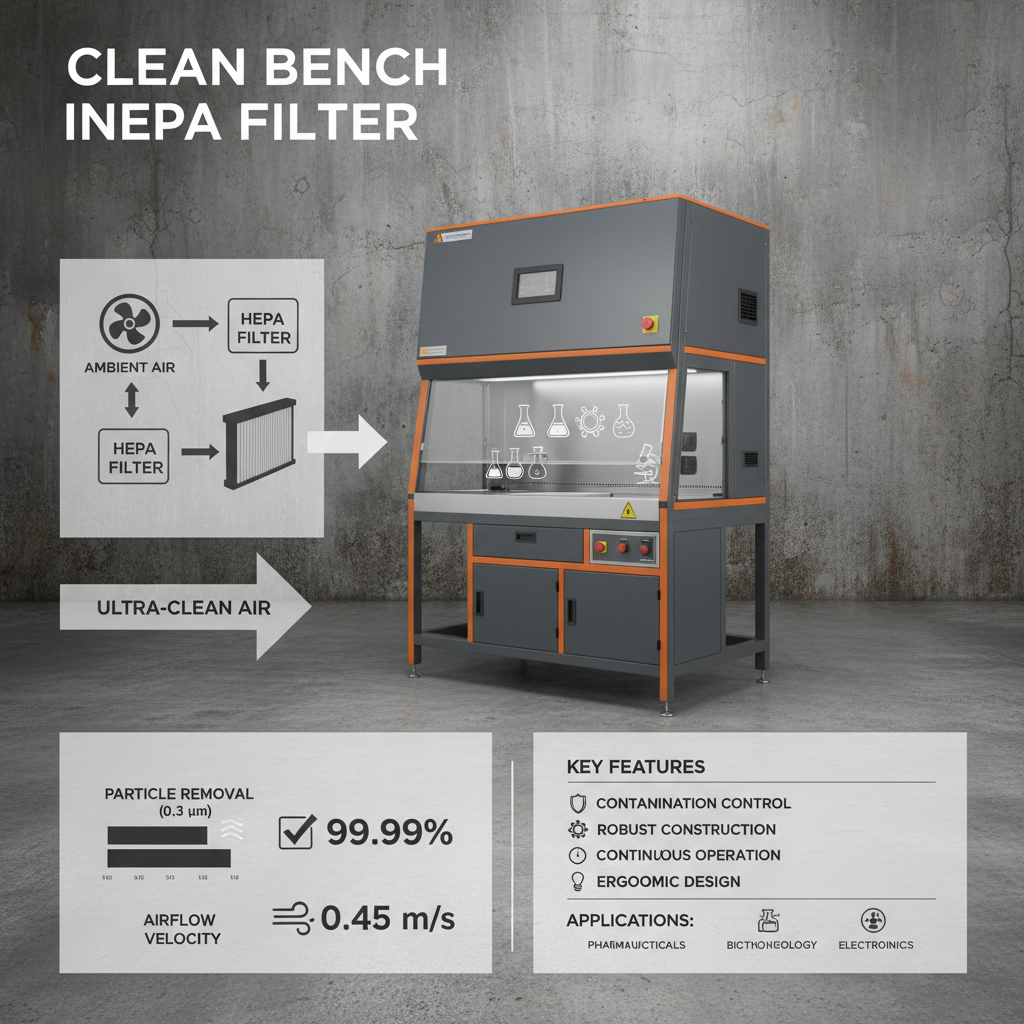
Product Specifications Example
Here's an example of the specifications you can expect from a standard clean bench with a HEPA filter:
Conclusion: Ensuring a Contamination-Free Workspace
A Clean Bench with HEPA Filter is a fundamental tool for maintaining a controlled environment in critical applications. By understanding the different types of clean benches, key specifications, and industry applications, you can select the optimal solution for your needs. CZ Lab Instrument is committed to providing high-quality, reliable clean benches to support your research and manufacturing processes.
Frequently Asked Questions (FAQs)
How often should I replace the HEPA filter in my clean bench?
The frequency of HEPA filter replacement depends on usage and the level of contamination in the environment. As a general guideline, HEPA filters should be replaced at least once a year, or more frequently if the clean bench is used heavily or in a particularly dirty environment. Regularly monitoring the airflow velocity and conducting particle counts can help determine when filter replacement is necessary. CZ Lab Instrument offers filter replacement services to ensure optimal performance. It’s vital to maintain the integrity of the HEPA filtration system to ensure a clean workspace. Proper filter maintenance contributes significantly to the longevity and reliability of your clean bench.
What is the difference between vertical and horizontal laminar flow?
In vertical laminar flow, filtered air flows downwards onto the work surface, providing a clean vertical stream. This is ideal for applications where downward protection is critical. Horizontal laminar flow blows filtered air across the work surface horizontally. This is suitable when cross-contamination is less of a concern. The choice between vertical and horizontal flow depends on the specific application and the potential for airborne contaminants. Vertical flow is often preferred for sensitive procedures like cell culture.
How do I ensure my clean bench is properly maintained?
Proper maintenance includes regular cleaning of the work surface with appropriate disinfectants, monitoring airflow velocity, and replacing the HEPA filter as needed. Avoid placing heavy objects directly on the filter. It's also important to ensure the clean bench is located in a clean environment away from drafts and excessive vibrations. CZ Lab Instrument provides maintenance guidelines and support to help you keep your clean bench operating at peak performance. Regular maintenance extends the lifespan of the equipment and ensures consistent performance.
Are clean benches suitable for working with hazardous materials?
While laminar flow clean benches provide a clean work environment, they do not offer the same level of protection as a ducted fume hood. For working with hazardous materials such as volatile chemicals or infectious agents, a ducted fume hood is essential to prevent exposure. Clean benches are designed to protect the process, not the operator. Always follow proper safety protocols and use appropriate personal protective equipment (PPE) when working with hazardous materials.


