
Comprehensive Guide to Medical Laminar Flow Cabinet Selection and Applications
Medical Laminar Flow Cabinet: Ensuring Sterile Environments
In critical fields like biotechnology, pharmaceuticals, and healthcare, maintaining a sterile environment is paramount. A Medical Laminar Flow Cabinet is a vital piece of equipment designed to achieve just that. These cabinets provide a controlled, particle-free workspace, protecting both the materials and the operator from contamination. This article explores the importance of laminar flow cabinets, their different types, key features, applications, and how to choose the right one for your needs. Understanding these cabinets is crucial for ensuring the integrity of your research and the safety of your procedures.
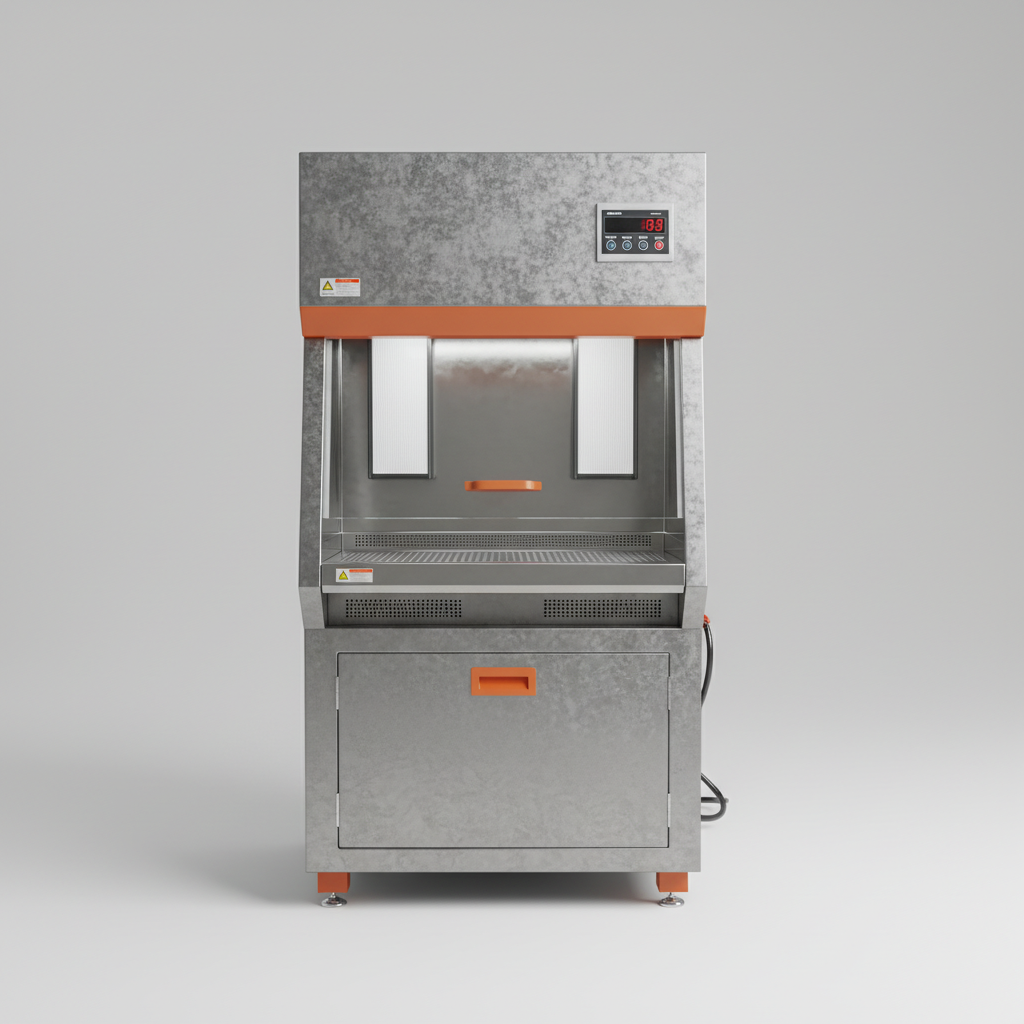
What is a Medical Laminar Flow Cabinet?
A Medical Laminar Flow Cabinet (also known as a tissue culture hood or biological safety cabinet) is a specially designed workbench that creates a unidirectional airflow, ensuring a sterile working environment. This airflow is achieved using a HEPA (High-Efficiency Particulate Air) filter, which removes at least 99.97% of particles 0.3 micrometers in diameter. There are two main types: horizontal and vertical laminar flow cabinets. Horizontal cabinets blow air across the workspace, while vertical cabinets blow air down onto the workspace. The choice between the two depends on the specific application and the level of protection required. CZLabInstrument provides a comprehensive range of high-quality laminar flow cabinets designed to meet the needs of various industries.
Key Benefits: Provides a sterile working environment, protects samples and operators, reduces contamination risks, and ensures reliable research results.
Horizontal vs. Vertical Laminar Flow Cabinets
The primary difference between horizontal and vertical laminar flow cabinets lies in the direction of airflow. Horizontal flow cabinets are suitable for applications where protection of the sample is the primary concern, as the airflow blows across the workspace, minimizing contamination of the materials. Vertical flow cabinets, on the other hand, provide better operator protection, as the airflow blows down onto the workspace and away from the user. Understanding these differences is vital when selecting the correct cabinet for your lab or facility. CZLabInstrument offers both types of cabinets to cater to diverse laboratory needs.
Key Differences:
• Horizontal Flow: Air blows across the workspace, ideal for sample protection.
• Vertical Flow: Air blows down onto the workspace, offering better operator protection.
• Applications: Horizontal flow is suited for working with non-hazardous materials, while vertical flow is preferred for handling potentially infectious or dangerous substances.
Key Features of a High-Quality Medical Laminar Flow Cabinet
A high-quality Medical Laminar Flow Cabinet incorporates several key features to ensure optimal performance and reliability. These include a powerful and efficient blower motor, a long-lasting HEPA filter, a stainless steel work surface for easy cleaning and sterilization, and a clear viewing window for unobstructed observation of the workspace. Advanced models may also include features like UV sterilization, digital airflow monitoring, and ergonomic designs for enhanced user comfort. Investing in a cabinet with these features ensures consistent performance and a long service life. CZLabInstrument’s cabinets are engineered with these features in mind, providing a superior solution for your lab.
Applications of Medical Laminar Flow Cabinets
Medical Laminar Flow Cabinets are indispensable in a wide variety of applications. These include cell culture, microbiology research, pharmaceutical compounding, and medical device assembly. They're commonly used in hospitals, research laboratories, and pharmaceutical manufacturing facilities. The specific application dictates the required level of protection and the type of cabinet needed. CZLabInstrument provides solutions for diverse applications, ensuring that you find the right cabinet for your specific needs.
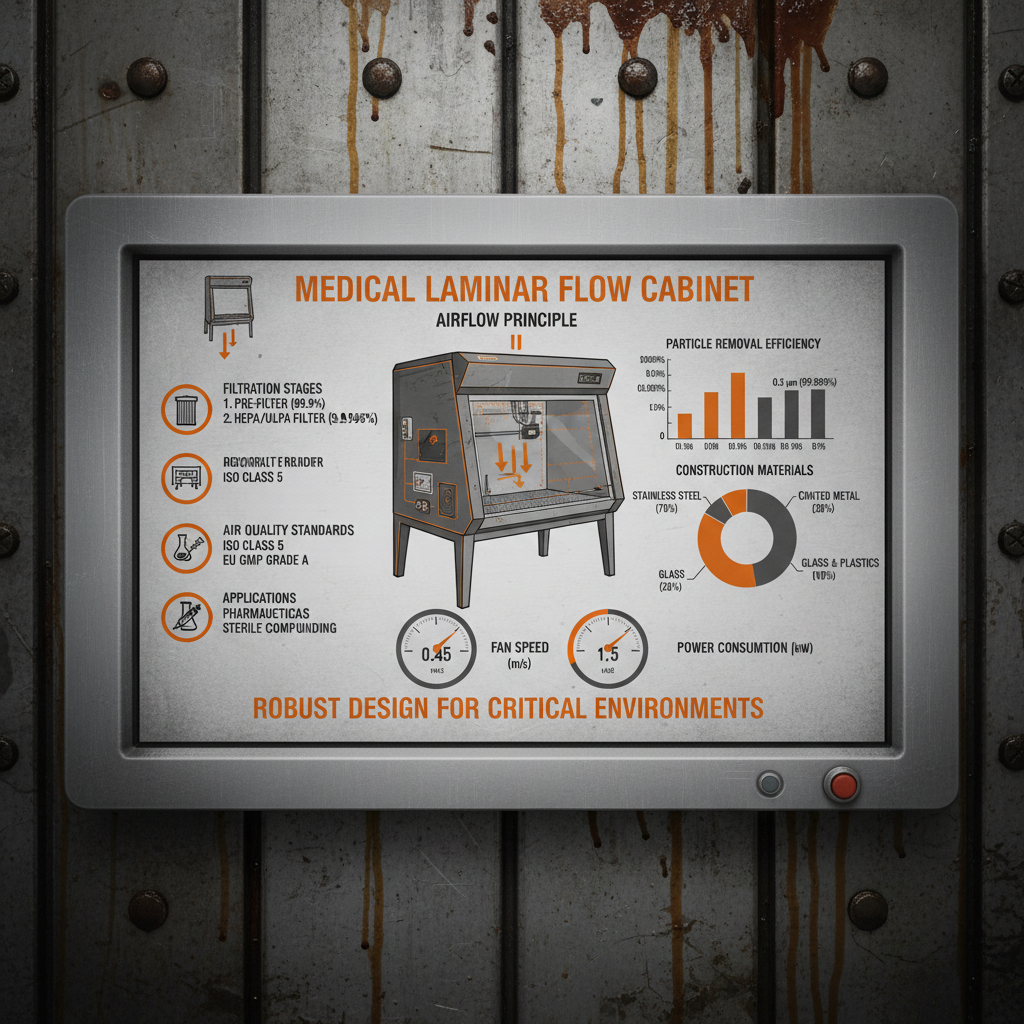
Choosing the Right Medical Laminar Flow Cabinet
Selecting the appropriate Medical Laminar Flow Cabinet requires careful consideration of several factors. These include the type of work being performed, the level of protection required, the size of the workspace needed, and budget constraints. It’s important to choose a cabinet that meets relevant safety standards and is certified for its intended use. CZLabInstrument’s expert team can help you navigate these considerations and choose the perfect cabinet for your specific requirements. We offer a range of options, from basic models to fully-featured units, ensuring that you find a solution that fits your needs and budget.
Conclusion: Investing in a Sterile Environment
A Medical Laminar Flow Cabinet is a critical investment for any laboratory or facility requiring a sterile workspace. By providing a controlled, particle-free environment, these cabinets protect both samples and personnel from contamination. Choosing the right cabinet, with features like HEPA filtration and appropriate airflow, is essential for ensuring accurate results and maintaining a safe working environment. CZLabInstrument is dedicated to providing high-quality laminar flow cabinets that meet the highest standards of performance and reliability.
Frequently Asked Questions (FAQs)
How often should I replace the HEPA filter?
The HEPA filter should be replaced at least every 6-12 months, depending on usage and the level of contamination in the environment. Regular filter changes are crucial for maintaining the cabinet’s effectiveness. Many cabinets have filter change indicators to alert you when a replacement is needed. It's also recommended to have the cabinet professionally certified annually to ensure proper airflow and filtration performance.
What is the best way to clean a laminar flow cabinet?
Regular cleaning is essential for maintaining a sterile environment. Before cleaning, disconnect the cabinet from power. Use a mild disinfectant, such as 70% isopropyl alcohol, and wipe down all surfaces, including the work surface, sidewalls, and viewing window. Avoid using abrasive cleaners or harsh chemicals. Always allow the cabinet to air dry completely before use. Follow the manufacturer’s instructions for specific cleaning procedures.
Can I use a laminar flow cabinet for applications involving infectious materials?
While laminar flow cabinets provide a clean workspace, they are not the same as Biological Safety Cabinets (BSCs). BSCs offer a higher level of protection for both the operator and the environment when working with infectious materials. If you are working with potentially hazardous substances, it’s crucial to use a BSC specifically designed for that purpose. CZLabInstrument offers a wide range of BSCs to meet your safety needs.


