
Comprehensive Guide to Biosafety Cabinet for Hospital Applications and Safety
Biosafety Cabinet for Hospital: A Comprehensive Guide
Maintaining a sterile environment is crucial in healthcare settings, and a biosafety cabinet (BSC) for hospital use plays a vital role in protecting personnel, products, and the environment. This article provides an in-depth overview of BSCs for hospitals, covering their types, applications, key features, and considerations for selection. We'll explore how choosing the right BSC can significantly enhance laboratory safety and research quality. Investing in a quality BSC is a crucial step towards creating a safer and more reliable healthcare facility.
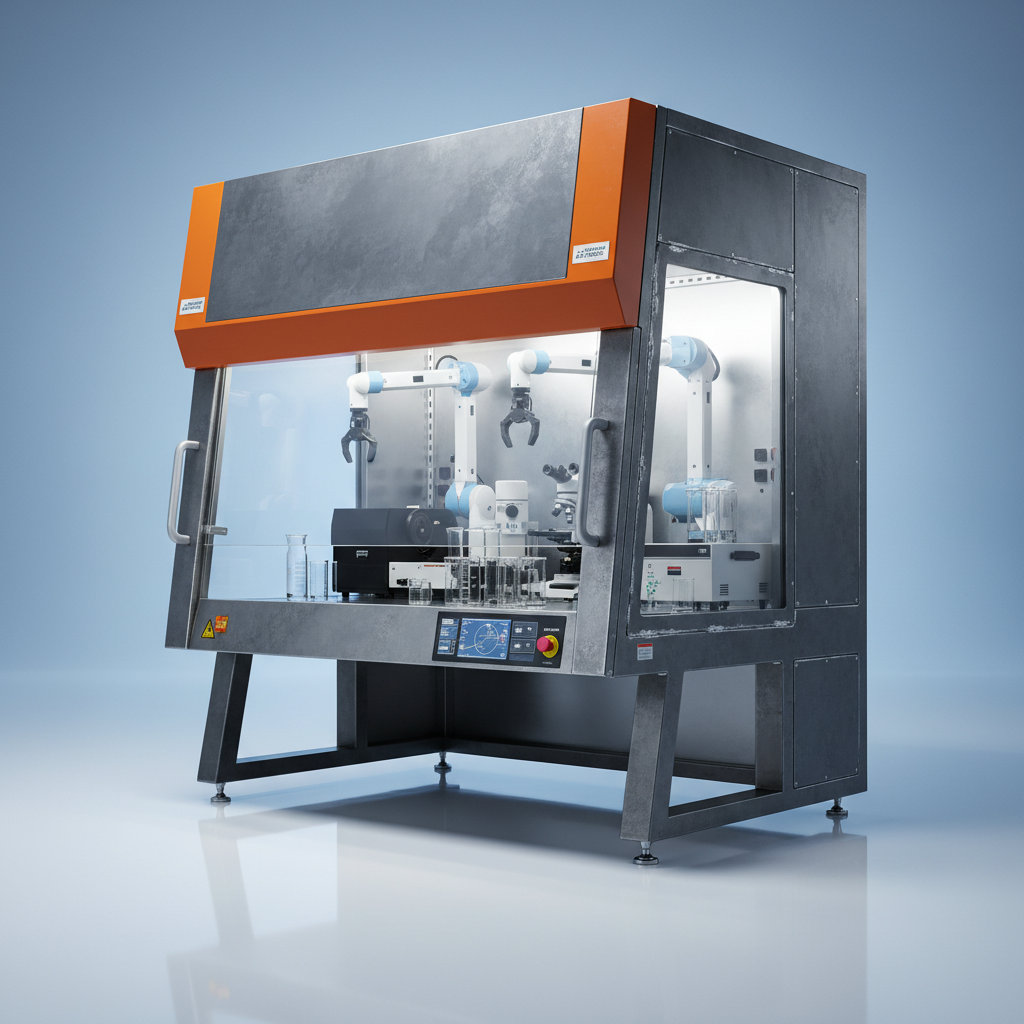
Understanding Biosafety Cabinet Classes
Biosafety cabinets are categorized into different classes based on their level of protection and airflow patterns. Class I BSCs offer personnel and environmental protection but lack product protection. Class II BSCs are the most common type used in hospitals, providing personnel, product, and environmental protection to varying degrees depending on the subtype (A2, B1, or B2). Class III BSCs offer the highest level of protection, completely enclosing the work area and utilizing a gas-tight environment. The choice of BSC class depends on the specific research being conducted and the biohazard level of the materials being handled. CZ Lab Instrument offers a wide range of BSCs to meet diverse hospital needs.
Key Takeaway: Selecting the appropriate BSC class is paramount for ensuring the safety of lab personnel, protecting the integrity of experiments, and maintaining environmental control.
Key Features of a Hospital-Grade Biosafety Cabinet
A high-quality biosafety cabinet for hospital application features several key components. These include a HEPA (High-Efficiency Particulate Air) filter that removes 99.97% of particles 0.3 microns in size, an airflow system designed to protect personnel and samples, and a robust construction using materials resistant to chemical and biological agents. Additional features often include UV lights for sterilization, ergonomic designs for user comfort, and digital displays for monitoring performance. Look for cabinets certified by NSF International or similar reputable organizations to ensure quality and compliance with industry standards. Proper maintenance and regular filter replacement are also critical for optimal performance.
Essential BSC Features:
• HEPA Filtration System
• Airflow Monitoring & Alarms
• UV Sterilization
• Ergonomic Design
Biosafety Cabinet Types and Their Applications
Different hospital departments have varying needs for biosafety cabinets. Microbiology labs typically require Class II Type A2 cabinets for routine work with low- to moderate-risk biological agents. Pharmacology departments may need Class II Type B1 or B2 cabinets for handling cytotoxic drugs. Research labs working with higher-risk pathogens may opt for Class III cabinets for maximum containment. Selecting the right type ensures adequate protection for personnel, products, and the surrounding environment. CZ Lab Instrument provides expert guidance to help you choose the most suitable BSC for your specific application.
Selecting the Right Biosafety Cabinet: Key Considerations
Choosing a biosafety cabinet for hospital use involves careful consideration of several factors. These include the type of work being performed, the biohazard level of the materials, the available space, and the budget. Ensure the cabinet meets relevant safety standards (e.g., NSF/ANSI 49) and is certified by a qualified technician after installation. Consider airflow patterns, noise levels, and ease of cleaning. CZ Lab Instrument provides expert consultation to help you navigate these considerations and select the optimal BSC for your specific needs.
Maintenance and Certification
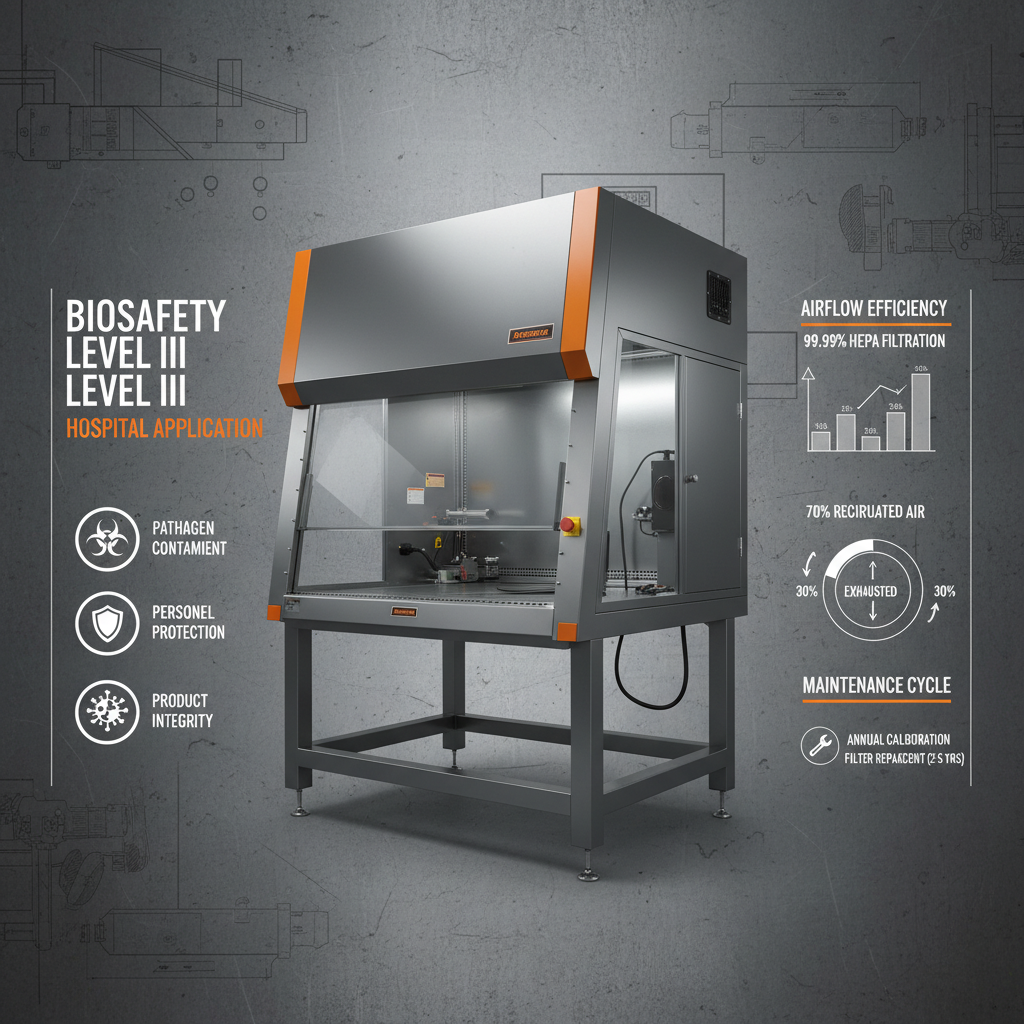
Regular maintenance and certification are essential for ensuring the ongoing safety and performance of your biosafety cabinet. This includes routine filter replacements, airflow testing, and leak checks. Annual certification by a qualified technician is typically required to comply with regulatory standards. Proper maintenance extends the lifespan of the cabinet and protects personnel from potential hazards. CZ Lab Instrument offers comprehensive service and certification plans to ensure your BSC remains in optimal working condition.
Conclusion: Investing in Safety with a Quality BSC
A biosafety cabinet for hospital is an indispensable piece of equipment for any healthcare facility. By choosing the right cabinet, implementing a regular maintenance schedule, and ensuring proper certification, you can create a safer working environment and protect personnel, products, and the environment. Investing in a quality BSC is an investment in the health and safety of your team and the integrity of your research.
Frequently Asked Questions (FAQs)
How often should the HEPA filter in a biosafety cabinet be replaced?
The HEPA filter should be replaced at least annually, or more frequently if indicated by airflow testing. Regular filter replacements are crucial for maintaining the cabinet’s protective capabilities. The frequency can also depend on the usage level and the type of materials being handled. A drop in airflow or a failed filter integrity test indicates the need for immediate replacement. CZ Lab Instrument offers filter replacement services and can advise on the appropriate schedule for your specific application.
What is the importance of airflow monitoring in a biosafety cabinet?
Airflow monitoring is critical for ensuring the cabinet is functioning correctly and providing adequate protection. BSCs rely on a specific airflow pattern to contain biohazards. Monitoring systems alert users to any disruptions in airflow, indicating a potential failure of the containment system. Regular airflow testing and monitoring are essential for maintaining a safe working environment and complying with regulatory requirements.
How do I know if my BSC needs certification?
BSCs should be certified annually, or whenever the cabinet is moved or repaired. Certification involves a thorough inspection and testing of all critical components, including airflow, filter integrity, and electrical safety. If you notice any unusual noises, fluctuations in airflow, or other performance issues, you should have the cabinet certified immediately. CZ Lab Instrument offers comprehensive certification services performed by qualified technicians.
What cleaning agents are safe to use in a biosafety cabinet?
Use only cleaning agents specifically recommended for biosafety cabinets. Avoid harsh chemicals, abrasive cleaners, and flammable solvents. 70% isopropyl alcohol is commonly used for disinfecting surfaces. Always refer to the manufacturer’s instructions for cleaning recommendations and ensure the cleaning agent is compatible with the cabinet’s materials. Proper cleaning is essential for maintaining a sterile work environment.


