
Comprehensive Guide to Choosing the Right Concrete Press for Your Needs
Choosing the Right Concrete Press: A Comprehensive Guide
Selecting the appropriate concrete press is crucial for achieving high-quality results in concrete fabrication. This guide will explore the different types of concrete presses available, their applications, key features, and how to choose the best one for your specific needs. We will cover hydraulic presses, manual presses, and specialized models, providing insights to help you make an informed decision. Properly utilizing a concrete press ensures consistency, accuracy, and efficiency in your concrete projects.
Understanding Different Types of Concrete Presses
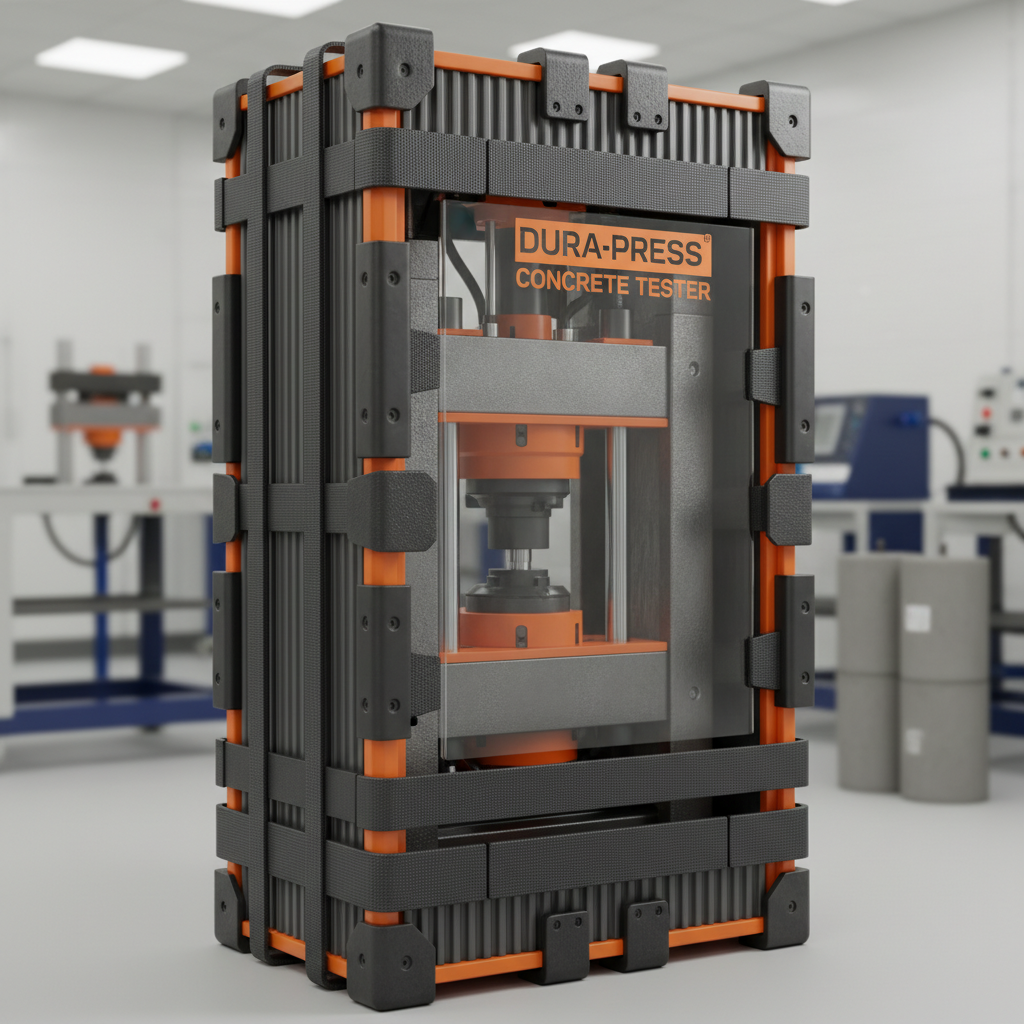
Concrete presses come in various designs, each suited for different applications and production volumes. The most common types include hydraulic presses, manual lever presses, and electro-mechanical presses. Hydraulic presses utilize hydraulic cylinders to generate high forces, making them ideal for large-scale production and complex molds. Manual lever presses are more compact and affordable, suitable for smaller projects and occasional use. Electro-mechanical presses offer precise control and automated operation, commonly found in advanced concrete manufacturing facilities. The choice depends on factors like budget, production requirements, and the type of concrete products you intend to create. Selecting the right press significantly impacts the quality and efficiency of your concrete operations.
Key Takeaway: Understanding the capabilities of each press type ensures you choose a machine that aligns with your production goals and budget.
Applications of Concrete Presses
Concrete presses are used in a broad spectrum of concrete product manufacturing. Common applications include producing paving stones, concrete tiles, garden ornaments, precast concrete elements, and architectural components. They are also essential in creating specialty concrete products with intricate designs and precise dimensions. The press provides the necessary force to compact the concrete mixture into molds, ensuring consistent density and structural integrity. Different press types are better suited for certain products – for example, hydraulic presses are often favored for producing large, complex items, while manual presses are suitable for smaller, simpler designs. Investing in the right press expands your product capabilities and improves overall quality.
Common Applications:
• Paving Stones
• Concrete Tiles
• Garden Ornaments
• Precast Concrete Elements
Hydraulic vs. Manual Concrete Presses: A Detailed Comparison
The choice between a hydraulic and manual concrete press significantly impacts your production process. Hydraulic presses offer greater force and consistency, making them ideal for high-volume production and complex molds. Manual presses are more affordable and portable, suitable for smaller projects and limited budgets. However, manual presses require more physical effort and may not deliver the same level of precision as hydraulic models. Consider the scale of your operation, the complexity of your designs, and your budget when making this decision. CZLabInstrument offers both types to cater to diverse needs.
Key Features to Consider When Buying a Concrete Press
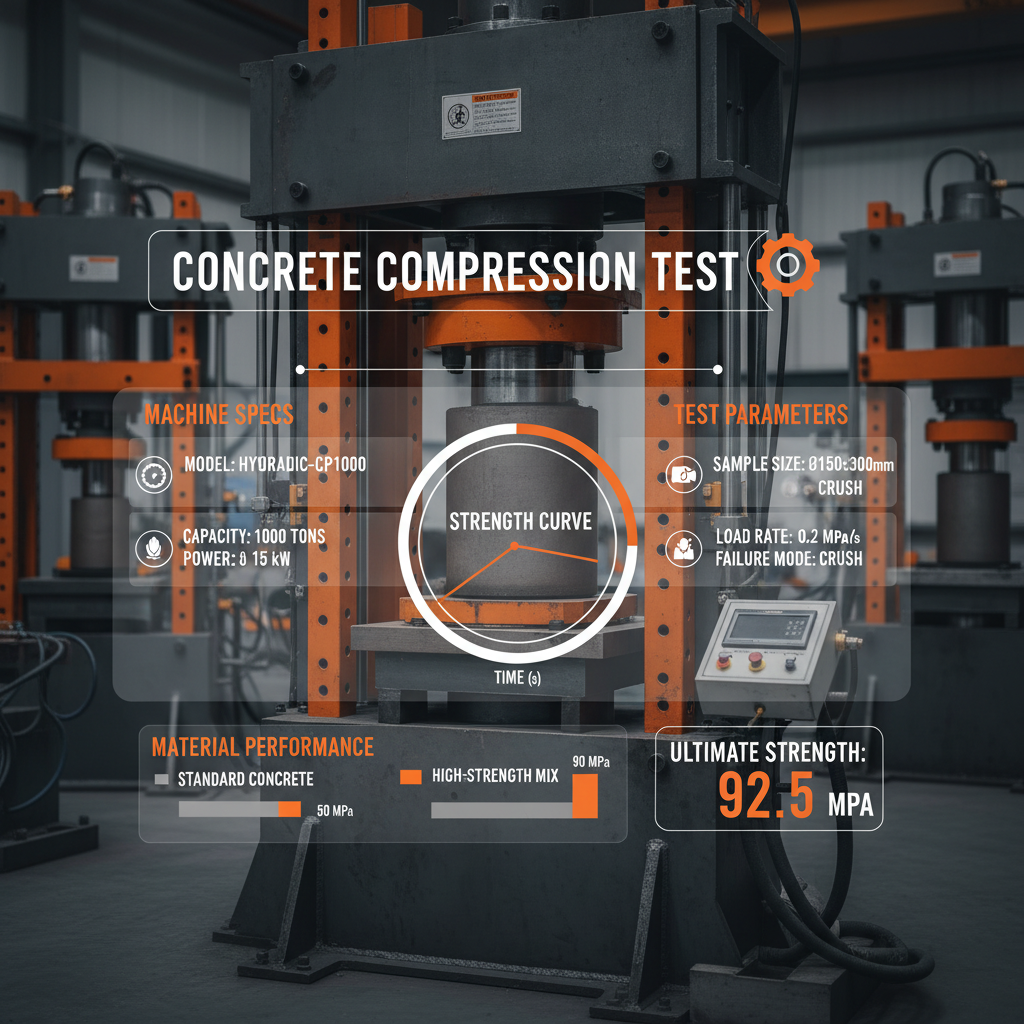
When selecting a concrete press, several features are critical. Consider the press’s capacity (tonnage), the size of the work area, the type of mold system it supports, and the level of automation. Look for presses with robust construction, reliable hydraulic systems (for hydraulic models), and user-friendly controls. Safety features such as emergency stop buttons and safety guards are also essential. The availability of accessories and support services from the manufacturer is another important factor. CZLabInstrument provides detailed specifications and support to help you make the right choice.
Maintaining Your Concrete Press for Optimal Performance
Regular maintenance is essential for ensuring the longevity and optimal performance of your concrete press. This includes lubricating moving parts, checking hydraulic fluid levels (for hydraulic presses), inspecting for wear and tear, and cleaning the press after each use. Following the manufacturer's recommended maintenance schedule is crucial. Proper maintenance prevents breakdowns, extends the press's lifespan, and ensures consistent product quality. Investing in preventative maintenance is far more cost-effective than dealing with unexpected repairs and downtime.
Conclusion: Investing in the Right Concrete Press
Selecting the right concrete press is a vital investment for any concrete product manufacturer. By carefully considering your production needs, budget, and the features discussed in this guide, you can choose a press that delivers consistent quality, efficiency, and long-term value. CZLabInstrument offers a wide range of concrete presses to meet diverse requirements.
Frequently Asked Questions (FAQs)
What is the typical power requirement for a hydraulic concrete press?
The power requirement for a hydraulic concrete press varies depending on its capacity and features. Smaller presses may require a 220V single-phase power supply, while larger presses typically need a 380V or 415V three-phase power supply. It’s essential to check the manufacturer’s specifications before installation to ensure your electrical system can handle the load. Incorrect power supply can damage the press and void the warranty. CZLabInstrument provides detailed power requirements with each press.
How do I choose the right mold for my concrete press?
Selecting the right mold is critical for producing accurate and high-quality concrete products. Consider the size, shape, and complexity of the desired product. The mold material should be durable and compatible with the concrete mixture. Ensure the mold fits securely within the press and allows for easy demolding. CZLabInstrument offers custom mold design and manufacturing services to meet your specific needs.
What safety precautions should I take when operating a concrete press?
Safety is paramount when operating a concrete press. Always wear appropriate personal protective equipment (PPE), including safety glasses, gloves, and ear protection. Never place your hands or body parts within the press’s operating area. Ensure the safety guards are in place and functioning correctly. Familiarize yourself with the emergency stop button and know how to use it. Follow all manufacturer's safety guidelines and provide adequate training to all operators.
What is the warranty on CZLabInstrument concrete presses?
CZLabInstrument offers a comprehensive warranty on all its concrete presses, typically covering manufacturing defects for a period of one year from the date of purchase. The warranty covers parts and labor for repairs or replacements. Please refer to our warranty policy for detailed terms and conditions. We also provide ongoing technical support and maintenance services to ensure your press operates reliably.


