
Choosing the Right Concrete Compression Machine for Quality Testing
Choosing the Right Concrete Compression Machine
Ensuring the quality and durability of concrete is crucial in any construction project. A reliable concrete compression machine is essential for accurately testing the compressive strength of concrete specimens. This article will guide you through understanding the importance of these machines, factors to consider when purchasing one, the different types available, and how they contribute to quality control. Choosing the right machine can significantly impact the reliability of your testing and the overall structural integrity of your projects.
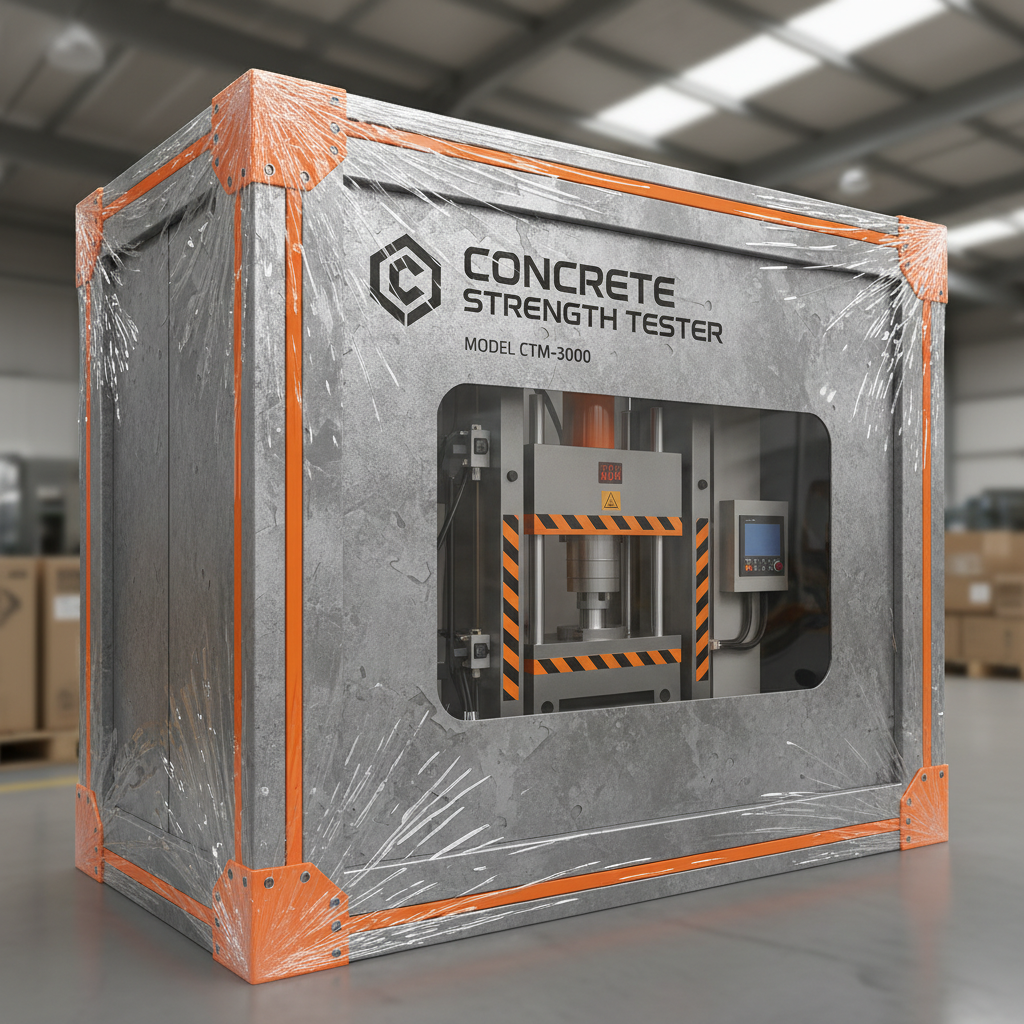
Why is a Concrete Compression Machine Important?
Concrete compression testing is a fundamental process in civil engineering and construction. It determines the ability of a concrete material to withstand loads. This data is vital for ensuring that the concrete used in structures like buildings, bridges, and roadways meets required safety standards. Using a precise concrete compression machine allows engineers to assess the material's strength and identify potential weaknesses before construction, mitigating risks of structural failure. Regular testing also confirms the consistency of concrete mixes, guaranteeing quality throughout a project.
Key Benefit: Reliable compression testing directly contributes to safer and more durable infrastructure.
Types of Concrete Compression Machines
Concrete compression machines come in various designs, primarily categorized by their loading mechanisms. The two main types are:
- Hydraulic Compression Machines: These machines utilize hydraulic pressure to apply a controlled load. They are known for their accuracy, consistent performance, and ability to handle a wide range of specimen sizes and testing requirements.
- Electromechanical Compression Machines: These machines use electric motors and gears to apply the load. They offer precise control and data acquisition capabilities but may have limited force capacity compared to hydraulic models.
The best choice depends on your specific testing needs, budget, and the volume of testing required. For high-volume testing and demanding applications, hydraulic machines are generally preferred.
Key Features to Consider When Purchasing a Concrete Compression Machine
When investing in a concrete compression machine, several key features deserve careful consideration:
- Load Capacity: Ensure the machine's maximum load capacity meets the requirements of the concrete mixes you'll be testing.
- Accuracy & Calibration: Look for machines with high accuracy and traceable calibration certificates to ensure reliable results.
- Control System: A user-friendly control system with clear displays and data logging capabilities is crucial for efficient operation.
- Specimen Size Range: Verify that the machine can accommodate the various sizes of concrete specimens you'll be testing.
- Safety Features: Essential safety features include overload protection, emergency stop buttons, and guarding to prevent injury.
Hydraulic vs. Electromechanical: A Detailed Comparison
Understanding the differences between hydraulic and electromechanical compression machines is vital for making an informed decision. Here's a comparative overview:
Why Choose CZLabInstrument?
At CZLabInstrument, we provide high-quality concrete compression machines designed for accuracy, durability, and ease of use. We offer a range of models to suit diverse testing needs and budgets. Our machines are rigorously tested and calibrated to ensure reliable results, and we provide comprehensive customer support and service. We're committed to helping you achieve accurate and dependable concrete testing.
Conclusion: Invest in Quality for Reliable Results
Choosing the right concrete compression machine is a critical investment for any construction or materials testing laboratory. By considering the factors outlined in this article and partnering with a reputable supplier like CZLabInstrument, you can ensure accurate, reliable testing, and ultimately, the safety and durability of your projects.
Frequently Asked Questions (FAQs)
What is the typical testing procedure using a concrete compression machine?
The testing procedure generally involves preparing concrete cylinder or cube specimens according to standardized methods (e.g., ASTM C39). The specimen is centered within the compression machine, and a load is applied at a constant rate until failure. The maximum load sustained by the specimen is recorded, and the compressive strength is calculated by dividing the load by the specimen’s cross-sectional area. Precise alignment and consistent loading rates are crucial for accurate results. The entire process should be overseen by qualified personnel following established testing protocols.
How often should a concrete compression machine be calibrated?
Concrete compression machines should be calibrated regularly to ensure accuracy. A typical calibration interval is once a year, or whenever the machine is moved or undergoes significant repairs. Calibration involves verifying the machine’s load cells and ensuring they provide accurate readings throughout the entire loading range. A traceable calibration certificate from a certified calibration laboratory is essential for maintaining quality control and complying with industry standards.
What safety precautions should be taken when operating a concrete compression machine?
Safety is paramount when operating a concrete compression machine. Always wear appropriate personal protective equipment (PPE), including safety glasses, gloves, and steel-toe boots. Ensure the machine is properly guarded and that all safety devices are functioning correctly. Never stand in the path of the loading ram during operation. Familiarize yourself with the machine’s emergency stop procedures. Only trained and authorized personnel should operate the machine. Regularly inspect the machine for any signs of damage or wear.


