
Comprehensive Guide to Vacumm Oven With Vacuum Pump for Precise Applications
Vacuum Oven With Vacuum Pump: A Comprehensive Guide
A vacuum oven with vacuum pump is a crucial piece of equipment for a wide range of scientific and industrial applications. It provides a controlled environment for drying, curing, degassing, and other processes that require low pressure. This article will delve into the benefits, applications, key features, and factors to consider when selecting a vacuum oven with an integrated vacuum pump. Understanding these aspects will help you choose the right equipment for your specific needs and ensure optimal performance. Whether you're in a research laboratory or a manufacturing facility, a reliable vacuum oven can significantly improve your processes and product quality.
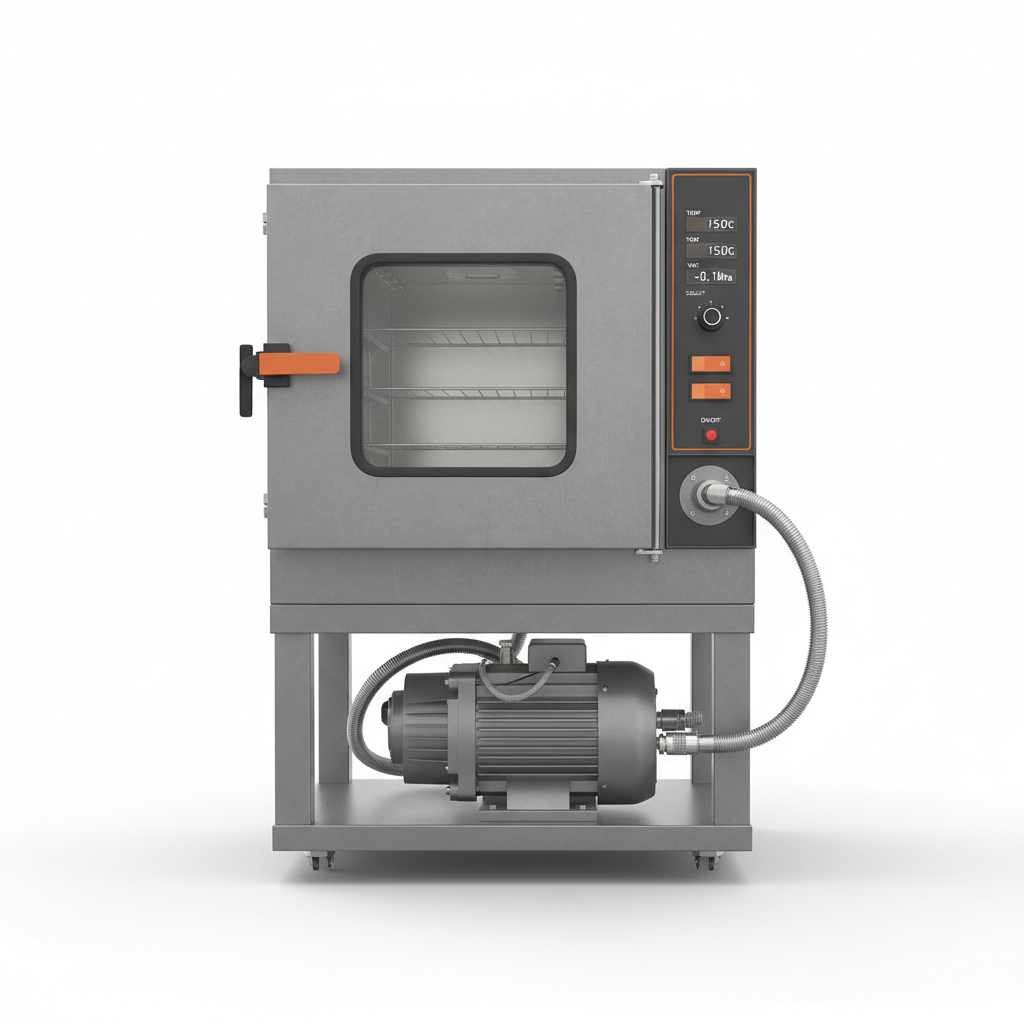
Understanding the Benefits of Vacuum Ovens with Integrated Pumps
Using a vacuum oven with a built-in vacuum pump offers several advantages over traditional ovens. Firstly, it lowers the boiling point of liquids, allowing for faster and more efficient drying at lower temperatures. This is particularly important for heat-sensitive materials. Secondly, the vacuum environment minimizes oxidation, preserving the integrity of your samples. Thirdly, integrated pumps eliminate the need for separate vacuum systems, simplifying setup and operation. Finally, these ovens provide more uniform heating and temperature control, resulting in consistent and reproducible results. A quality vacuum oven is a valuable investment for any lab or production environment.
Key Benefits: Faster drying times, reduced oxidation, simplified operation, uniform heating, and reproducible results.
Common Applications for Vacuum Ovens With Vacuum Pump
Vacuum ovens are utilized across a diverse range of industries. In the pharmaceutical sector, they are essential for drying APIs (Active Pharmaceutical Ingredients) and ensuring product stability. The electronics industry employs them for drying PCBs (Printed Circuit Boards) and removing moisture from components. In materials science, they're used for degassing polymers, drying powders, and creating controlled atmospheres for heat treatment. Food processing utilizes them for dehydration and preservation. Furthermore, they are commonly found in research laboratories for various applications, including sample preparation and materials characterization. A versatile vacuum oven can be adapted to a wide variety of tasks.
Application Areas:
• Pharmaceutical Industry
• Electronics Manufacturing
• Materials Science Research
• Food Processing & Preservation
Key Features to Consider When Selecting a Vacuum Oven With Vacuum Pump
When choosing a vacuum oven, several factors are critical. First, consider the chamber volume – it should be sufficient to accommodate your largest samples. Second, assess the vacuum level achievable by the pump; lower vacuum levels are required for certain applications. Third, look for precise temperature control and uniformity. Fourth, examine the materials of construction; stainless steel chambers are ideal for corrosive environments. Fifth, consider the user interface and ease of programming. Finally, ensure the oven meets relevant safety standards and certifications. Investing in a well-equipped vacuum oven with pump is crucial for consistent and reliable results.
Vacuum Oven With Vacuum Pump: Specifications and Comparison
Here's a look at the specifications of a typical vacuum oven with vacuum pump offered by CZ Lab Instrument. These specifications can vary depending on the model.
Choosing the Right Supplier: Why CZ Lab Instrument?
When investing in a vacuum oven, selecting a reputable supplier is crucial. CZ Lab Instrument provides high-quality vacuum ovens with integrated pumps, backed by excellent customer support and competitive pricing. We offer a range of models to suit diverse applications and budgets. Our commitment to quality and innovation ensures that you receive a reliable and durable product. We also offer customization options to meet your specific requirements. Choosing the right partner ensures a smooth experience and long-term satisfaction.
Conclusion: Optimizing Your Processes with a Reliable Vacuum Oven
Investing in a vacuum oven with vacuum pump from a trusted supplier like CZ Lab Instrument is a strategic move for any laboratory or industrial operation. By carefully considering your needs and selecting the right equipment, you can improve efficiency, enhance product quality, and ensure reliable results. Explore our range of vacuum ovens today and experience the difference.
Frequently Asked Questions (FAQs)
What is the typical drying time in a vacuum oven compared to a conventional oven?
Drying times in a vacuum oven are significantly shorter, often by a factor of 2 to 10, compared to conventional ovens. This is because the reduced pressure lowers the boiling point of the liquid, allowing it to evaporate more readily at lower temperatures. For example, drying a solvent at 60°C in a vacuum oven might take 2 hours, while the same process in a conventional oven at 100°C could take 8-10 hours. The exact time depends on the material being dried, the vacuum level, and the temperature setting.
What maintenance is required for a vacuum oven with pump?
Regular maintenance is essential for optimal performance. This includes checking the pump oil level and changing it according to the manufacturer's recommendations. Cleaning the chamber regularly to remove any residue is also important. Inspect the door seals for leaks and replace them if necessary. It's also crucial to check the vacuum gauge for accuracy and calibrate it if needed. Following a preventative maintenance schedule will ensure the longevity and reliability of your vacuum oven.
Can I use a vacuum oven for drying samples containing volatile solvents?
Yes, vacuum ovens are often used for drying samples containing volatile solvents. However, it's crucial to ensure proper ventilation and safety measures are in place to handle the emitted vapors. Using a vacuum pump with a solvent recovery system is recommended to prevent environmental contamination and ensure compliance with safety regulations. Always consult the safety data sheet (SDS) for the solvent and follow the manufacturer's guidelines for safe handling and disposal. A vacuum oven from CZ Lab Instrument can often be equipped with these safety features.
What safety features should I look for in a vacuum oven?
Important safety features include over-temperature protection to prevent overheating, a vacuum relief valve to prevent implosion, and a robust door seal to maintain vacuum integrity. Some models also include a digital display for precise temperature control and a safety interlock that automatically shuts off the pump if the chamber is opened during operation. Ensure the oven meets relevant safety standards such as CE certification.


