
Comprehensive Guide to Laboratory Vacuum Oven Operation and Applications
Laboratory Vacuum Oven: A Comprehensive Guide
A laboratory vacuum oven is an indispensable piece of equipment for a wide range of scientific and industrial applications. It provides a controlled, low-pressure environment for drying, heating, outgassing, and other processes. Choosing the right vacuum oven is crucial for achieving accurate and reliable results. This article will explore the principles of vacuum oven operation, key features to consider, common applications, and the advantages of selecting a quality instrument like those offered by CZ Lab Instrument. Understanding these aspects will empower you to make an informed decision for your specific laboratory needs.
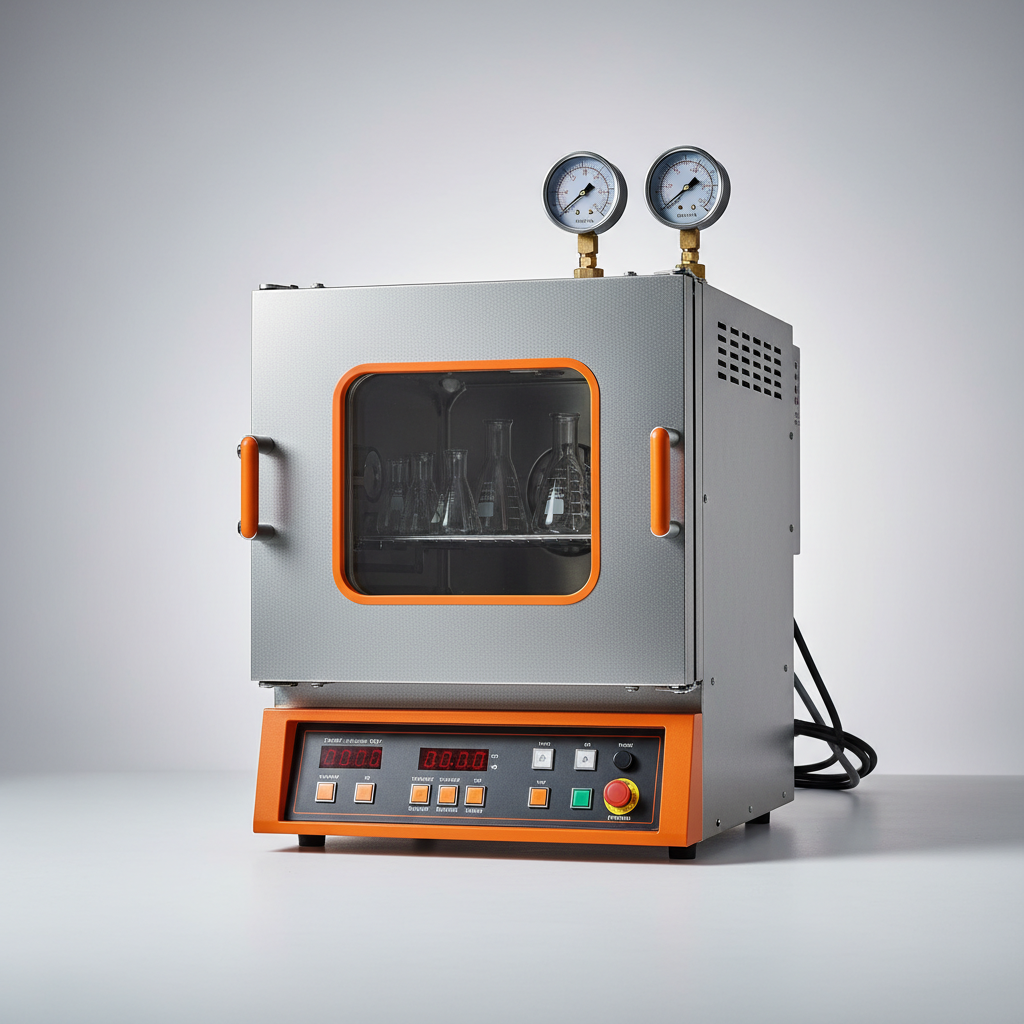
How Does a Laboratory Vacuum Oven Work?
The core principle behind a laboratory vacuum oven is the reduction of atmospheric pressure within a sealed chamber. A vacuum pump removes air and other gases, creating a low-pressure environment. This lower pressure significantly lowers the boiling point of liquids, allowing for efficient drying at relatively low temperatures. The oven also incorporates heating elements to provide controlled thermal energy to the sample. Precise temperature control and vacuum levels are essential for repeatable and reliable results. Many modern vacuum ovens feature digital controllers for accurate setting and monitoring of these parameters. CZ Lab Instrument offers a range of ovens with advanced control systems.
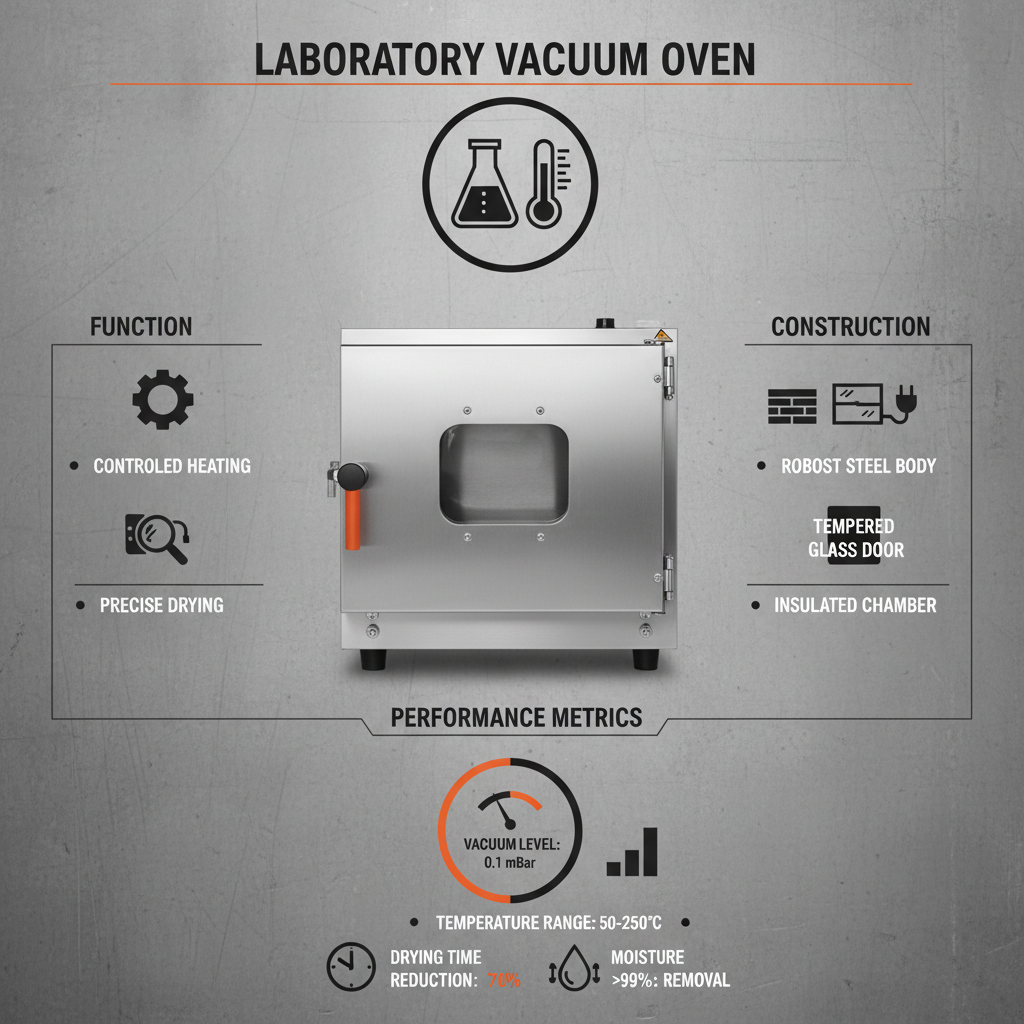
Key Benefits of Vacuum Drying: Reduced drying temperatures, faster drying times, preservation of heat-sensitive materials, and improved product quality.
Key Features to Consider When Choosing a Laboratory Vacuum Oven
Selecting the appropriate laboratory vacuum oven requires careful consideration of several factors. Chamber size is paramount, dictating the quantity and size of samples that can be processed simultaneously. Temperature range and accuracy are also critical, ensuring the oven can meet the demands of your specific applications. The type of vacuum pump (rotary vane, diaphragm, or turbo molecular) impacts the ultimate vacuum level achievable and the drying speed. Material of construction (stainless steel, aluminum) influences chemical compatibility and durability. Finally, features like digital controllers, programmable profiles, and gas backfilling capabilities enhance ease of use and process control.
Essential Features Checklist:
• Chamber Size & Material
• Temperature Range & Accuracy
• Vacuum Pump Type & Performance
• Digital Control & Programmability
Laboratory Vacuum Oven Applications: A Diverse Range
The applications of a laboratory vacuum oven are remarkably diverse. In pharmaceuticals, they are used for drying APIs (Active Pharmaceutical Ingredients) and excipients. In materials science, they facilitate the removal of solvents from polymers and the creation of porous materials. Food processing utilizes vacuum ovens for freeze-drying and preserving sensitive ingredients. Electronics manufacturing relies on them for drying PCBs and removing moisture from components. Additionally, they play a critical role in forensic science, archeology, and environmental monitoring. A vacuum oven from CZ Lab Instrument can handle a multitude of these applications effectively.
Benefits of Choosing CZ Lab Instrument Vacuum Ovens
CZ Lab Instrument is dedicated to providing high-quality, reliable laboratory equipment. Our laboratory vacuum ovens are engineered for precision, durability, and ease of use. We offer a diverse range of models to suit various applications and budgets. We pride ourselves on excellent customer support, prompt delivery, and competitive pricing. By choosing CZ Lab Instrument, you are investing in a product that will enhance your research and analytical capabilities.
Conclusion: Optimizing Your Lab with a Quality Vacuum Oven
A laboratory vacuum oven is a versatile and essential tool for numerous scientific and industrial applications. By understanding the underlying principles, key features, and diverse applications, you can select the optimal oven for your specific needs. CZ Lab Instrument provides a comprehensive range of high-quality vacuum ovens, coupled with exceptional customer support, to help you achieve accurate, reliable, and efficient results.
Frequently Asked Questions (FAQs)
What is the importance of vacuum level in a vacuum oven?
The vacuum level directly impacts the drying temperature and efficiency. A higher vacuum level (lower pressure) lowers the boiling point of liquids, allowing for faster and more effective drying, especially for heat-sensitive materials. It also improves the removal of volatile compounds. Different applications require different vacuum levels; for example, drying solvents might need a higher vacuum than simply removing moisture. Achieving the optimal vacuum level is critical for consistent and reliable results.
What safety precautions should be taken when using a vacuum oven?
Safety is paramount when operating a vacuum oven. Always wear appropriate personal protective equipment (PPE), including safety glasses and gloves. Ensure the oven is properly vented to prevent the buildup of hazardous vapors. Avoid placing flammable materials inside the oven without proper precautions. Regularly inspect the vacuum pump and oven chamber for leaks or damage. Follow the manufacturer's instructions and safety guidelines diligently.
How do I maintain a laboratory vacuum oven?
Regular maintenance is essential for prolonging the life and ensuring the optimal performance of your vacuum oven. This includes routinely cleaning the chamber, checking and replacing seals, maintaining the vacuum pump (oil changes if applicable), and inspecting electrical connections. Refer to the manufacturer's manual for specific maintenance schedules and procedures. Proper maintenance minimizes downtime and ensures accurate and reliable results.
Can I use a vacuum oven for sterilizing materials?
While a vacuum oven can assist in the sterilization process, it is not typically a standalone sterilizer. Dry heat sterilization in a vacuum oven is effective for certain materials, but it requires high temperatures and extended exposure times. For complete sterilization, especially for medical or biological applications, autoclaving is generally preferred. The effectiveness of vacuum oven sterilization depends on the material being sterilized and the specific temperature and time parameters used.


