
Comprehensive Guide to Drying Oven With Vacuum Pump Applications and Benefits
Drying Oven With Vacuum Pump: A Comprehensive Guide
Maintaining product integrity and accelerating drying processes are critical in many industries, from pharmaceuticals to materials science. A drying oven with vacuum pump provides a powerful solution, offering precise temperature control and reduced drying times. This article will explore the benefits, applications, key features, and considerations when choosing this essential laboratory equipment. Understanding the nuances of vacuum drying can significantly enhance your research and production workflows.
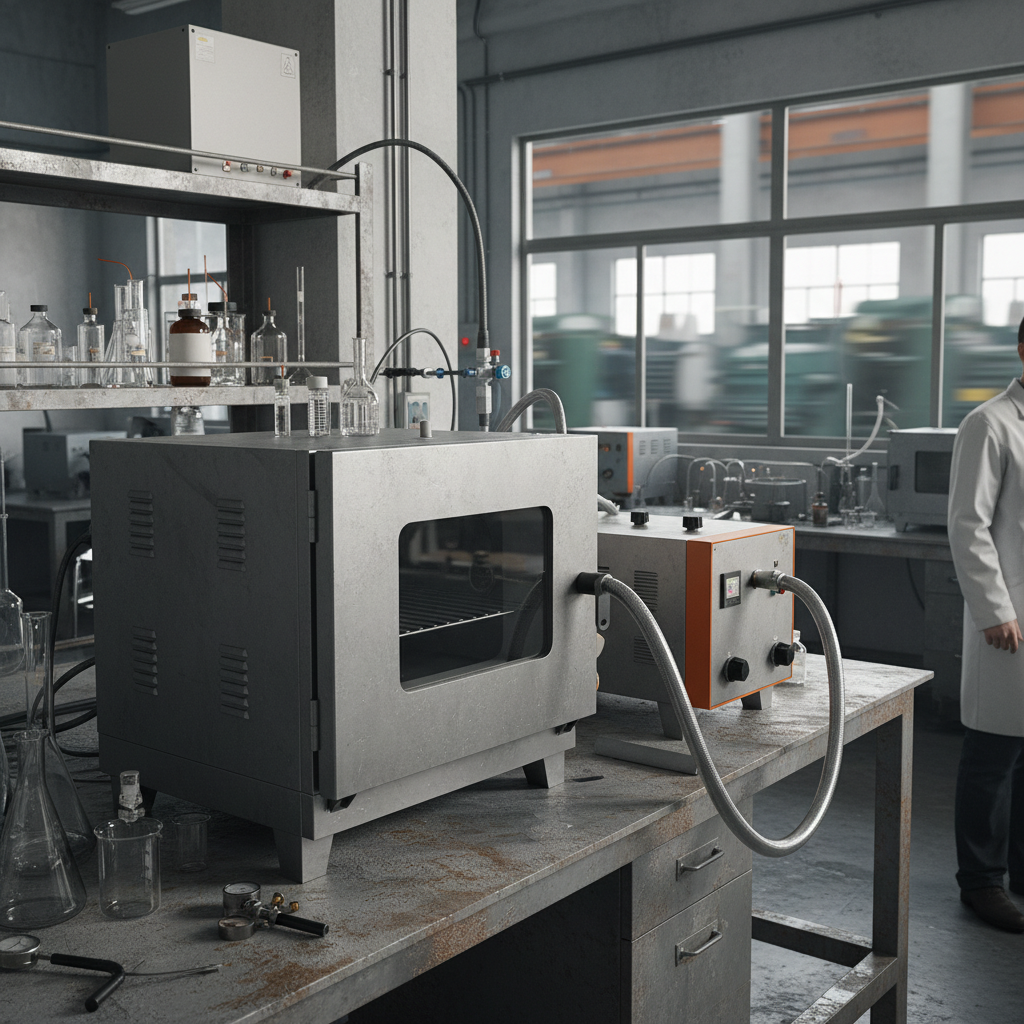
Understanding the Benefits of Vacuum Drying
Traditional convection drying relies on heat to evaporate moisture, which can be slow and potentially damage sensitive materials. A drying oven with vacuum pump overcomes these limitations by lowering the boiling point of liquids. By reducing the surrounding pressure, the vacuum pump facilitates faster evaporation at lower temperatures, preserving the integrity of heat-sensitive substances. This method is particularly useful for drying materials prone to oxidation or degradation, as the vacuum environment minimizes exposure to oxygen. Furthermore, vacuum drying ensures more uniform drying, preventing surface hardening and internal moisture pockets.
Key Applications Across Diverse Industries
The versatility of a vacuum drying oven makes it indispensable across a broad spectrum of industries. In the pharmaceutical sector, it's used for drying APIs (Active Pharmaceutical Ingredients) and excipients. Food processing utilizes vacuum drying for preserving flavor and nutritional value. Materials science employs it for preparing samples for analysis and testing. The electronics industry benefits from its ability to remove moisture from sensitive components. Polymer research relies on it for characterizing material properties. Finally, environmental monitoring uses vacuum drying for sample preparation in analytical procedures. These applications demonstrate the widespread utility of this technology.
Key Benefits: Faster drying times, lower operating temperatures, preservation of heat-sensitive materials, uniform drying, minimized oxidation, and suitability for a wide range of materials.
Choosing the Right Drying Oven With Vacuum Pump
Selecting the appropriate vacuum drying oven requires careful consideration of your specific needs. Key factors include chamber volume, temperature range, vacuum level, and control system. Chamber size should be sufficient to accommodate your largest sample batch. Temperature control accuracy is crucial for sensitive materials. The vacuum pump’s performance, measured in microns or millibar, dictates drying speed. Digital control systems offer precise parameter setting and data logging. Consider features like programmable profiles, inert gas purging, and explosion-proof designs for specialized applications.
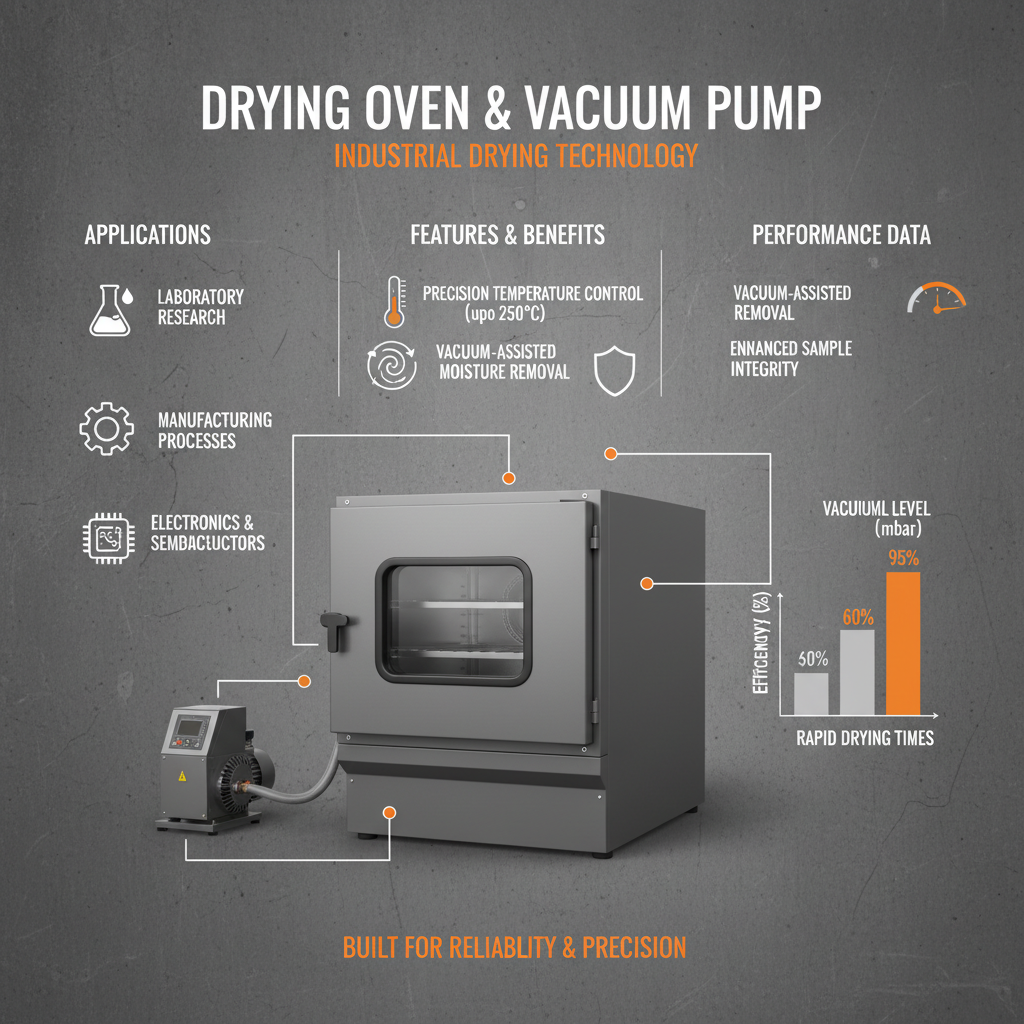
Vacuum Drying Oven With Vacuum Pump: Specifications & Performance
Below is a sample specification table highlighting typical features found in high-quality vacuum drying ovens. Remember to always verify specifications with the manufacturer to ensure the oven meets your precise requirements.
Maintenance and Best Practices for Optimal Performance
To ensure the longevity and optimal performance of your drying oven with vacuum pump, regular maintenance is essential. This includes routinely checking the vacuum pump oil level and quality, cleaning the chamber to remove residue, and inspecting seals for leaks. Following the manufacturer's recommended maintenance schedule is crucial. Proper sample loading, avoiding overloading the chamber, and utilizing appropriate sample containers will also contribute to efficient and reliable operation. Periodic calibration of temperature sensors ensures accurate readings.
Conclusion: Enhancing Your Processes with Vacuum Drying
Investing in a high-quality drying oven with vacuum pump is a strategic move for any organization seeking to improve efficiency, preserve product quality, and accelerate research. By understanding the benefits, applications, and crucial selection criteria, you can choose the optimal solution for your unique needs. CZ Lab Instrument offers a comprehensive range of vacuum drying ovens designed for superior performance and reliability.
Frequently Asked Questions (FAQs)
What types of materials are suitable for vacuum drying?
Vacuum drying is ideal for heat-sensitive, easily oxidized, or volatile materials. This includes pharmaceuticals, food products, polymers, chemicals, and biological samples. The reduced pressure lowers the boiling point, minimizing thermal degradation. However, highly porous materials or those prone to sublimation may require adjusted parameters to prevent issues like foaming or uneven drying. It's always best to test a small sample before processing a large batch.
How does the vacuum level impact drying time?
A lower vacuum level (higher vacuum) generally leads to faster drying times. This is because a deeper vacuum reduces the partial pressure of the solvent, promoting more rapid evaporation. However, pushing the vacuum too low can be detrimental for some materials, potentially causing foaming or damaging sensitive structures. Finding the optimal vacuum level is crucial and often requires experimentation.
What safety precautions should be taken when operating a vacuum drying oven?
Always wear appropriate personal protective equipment (PPE), including safety glasses and gloves. Ensure the oven is properly grounded and vented. Handle solvents with care and avoid flammable materials in the vicinity. Never open the chamber while under vacuum without first properly venting it to prevent implosion. Regularly inspect the vacuum pump and chamber for any signs of damage. Refer to the manufacturer’s safety guidelines for specific instructions.
Can I dry materials in a vacuum oven that release hazardous fumes?
If the material releases hazardous fumes, it's imperative to use a vacuum oven equipped with a proper venting system connected to a fume hood or scrubber. This prevents the release of toxic vapors into the laboratory environment. Additionally, ensure the vacuum pump is compatible with the type of fumes being released and consider using a secondary trap to capture any residual contaminants. Safety is paramount when handling hazardous materials.


