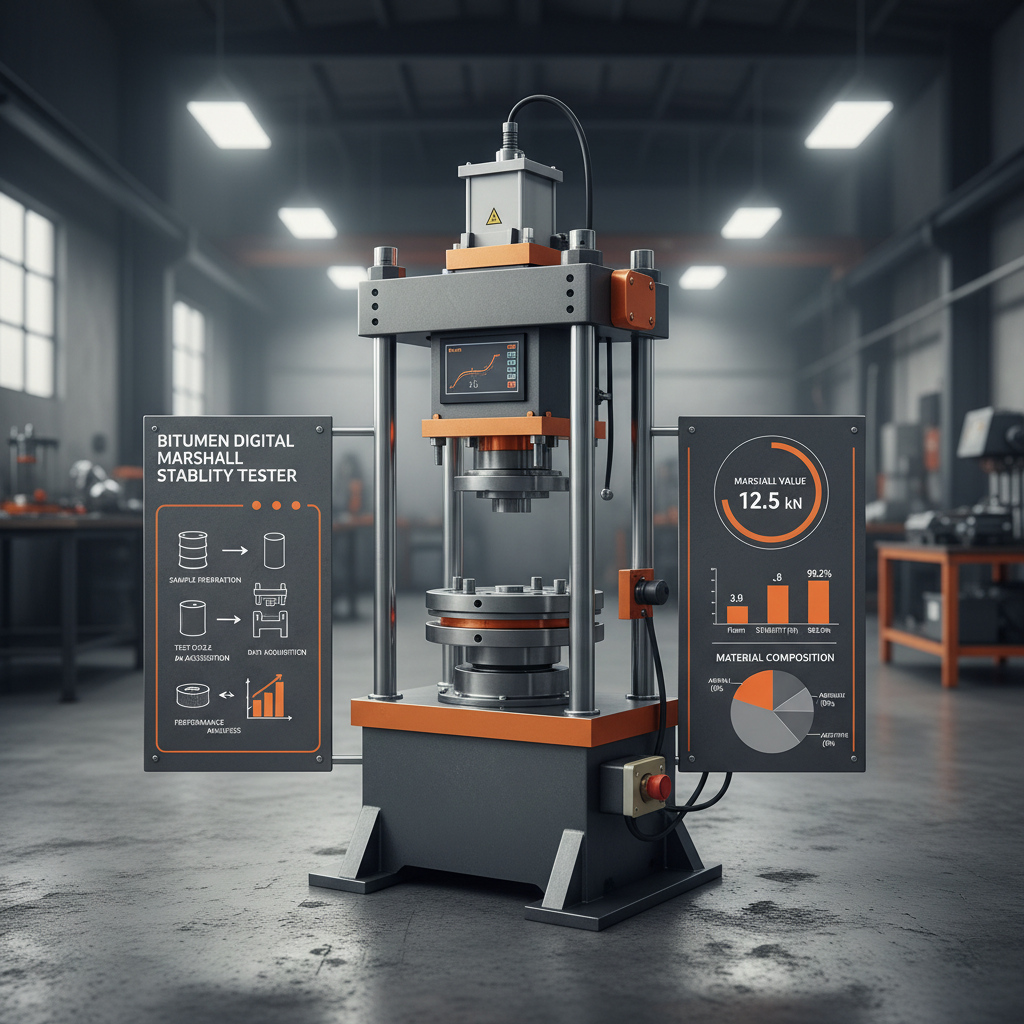
Let’s talk about the Digital Marshall Stability Tester. I've spent years on asphalt projects – from small rural roads to massive interstate expansions – and I’ve seen firsthand how critical getting the mix right is. It’s not just about meeting specs; it's about building roads that last, roads that are safe, and roads that don’t cost taxpayers a fortune in repairs down the line. The old pen-and-paper methods, even the early computerized versions, just weren't cutting it consistently. Too much room for human error, too slow for modern production rates, and honestly, too difficult to pull meaningful data from when things went wrong. The Digital Marshall Stability Tester changes all that.
We're talking about a completely digitized workflow here. No more squinting at dial gauges or manually calculating stability values. Everything is logged, analyzed, and reported automatically. I’ve seen crews go from taking hours to get a reliable result to having data in minutes. That speed isn’t just about efficiency; it’s about responsiveness. If a mix is off, you know it immediately and can adjust before pouring a truckload of substandard asphalt. And frankly, in today’s competitive bidding environment, being able to deliver consistent quality – and prove it – can be the difference between winning and losing a contract.
Look, I’m a practical guy. I don’t care about fancy features if they don’t translate to real-world benefits on the job site. This isn't some lab toy; it's a piece of equipment that directly impacts the quality and longevity of the infrastructure we build. The Digital Marshall Stability Tester isn’t just about making our jobs easier; it’s about building better roads for everyone.
The Importance of Digital Marshall Stability Testing
The asphalt we lay down today is the foundation for the economies of tomorrow. A properly designed and tested asphalt mix is essential for ensuring road durability, safety, and cost-effectiveness. The Digital Marshall Stability Tester plays a pivotal role in achieving this, providing the data needed for informed decision-making and quality control. According to the Federal Highway Administration, premature pavement failure costs the US billions annually. Accurate Marshall testing helps minimize these costs.
What I’ve seen over the years is a move towards preventative maintenance. It’s cheaper to get the mix right the first time than to constantly be patching and repairing roads. Digital Marshall testing gives us the ability to proactively identify and address potential issues before they become major problems. It’s not just about meeting minimum standards; it's about exceeding them and building infrastructure that lasts.
Defining the Digital Marshall Stability Tester
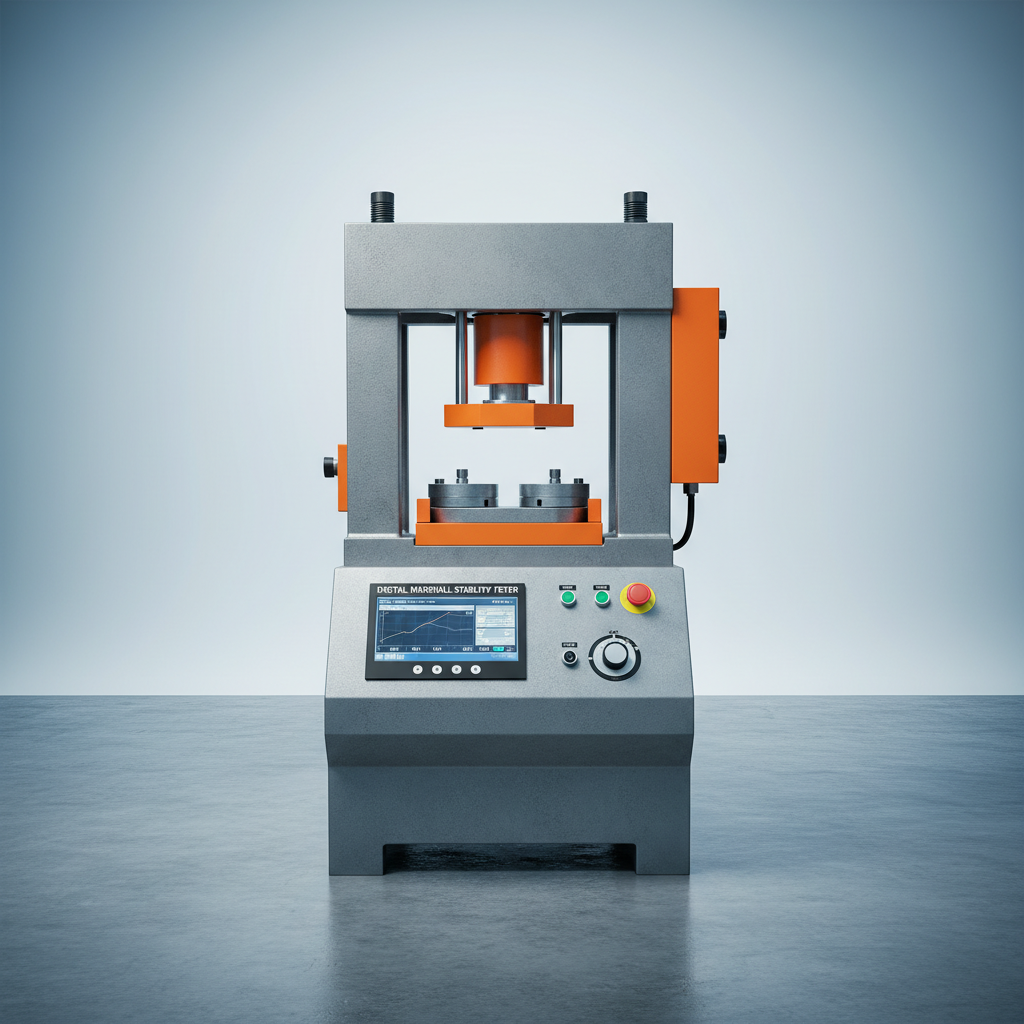
The Digital Marshall Stability Tester is an automated system for measuring the resistance of a compacted asphalt mixture to deformation under a compressive load. Unlike traditional methods that rely on manual gauges and calculations, this system utilizes load cells, displacement sensors, and sophisticated software to provide precise and repeatable results. It’s essentially taking a test that’s been around for decades and bringing it into the 21st century. It provides values for Stability, Flow, and Bulk Specific Gravity, all critical parameters for asphalt mix design.
Think of it this way: It's not just about what number you get, it’s about how you get it. With a digital system, you eliminate subjective interpretation and potential operator errors. Every test is performed the same way, every time, ensuring consistency and reliability. This is especially important when you’re dealing with large-scale projects where variations in material properties can have a significant impact on performance.
This isn't about replacing skilled technicians; it’s about empowering them with better tools. It allows technicians to focus on analysis and problem-solving rather than tedious manual measurements. And the data generated can be easily shared and analyzed across teams, promoting collaboration and continuous improvement.
Key Factors in Accurate Asphalt Mix Design
Several factors contribute to accurate asphalt mix design, and the Digital Marshall Stability Tester helps assess each one. First, you’ve got aggregate gradation – the distribution of particle sizes. This significantly influences the mix's stability and workability. The tester helps determine the optimal gradation for achieving desired performance characteristics. Then there’s the asphalt content. Too little, and the mix will be brittle; too much, and it will be prone to rutting. Digital Marshall Stability Tester gives you precise data to pinpoint the ideal asphalt content.
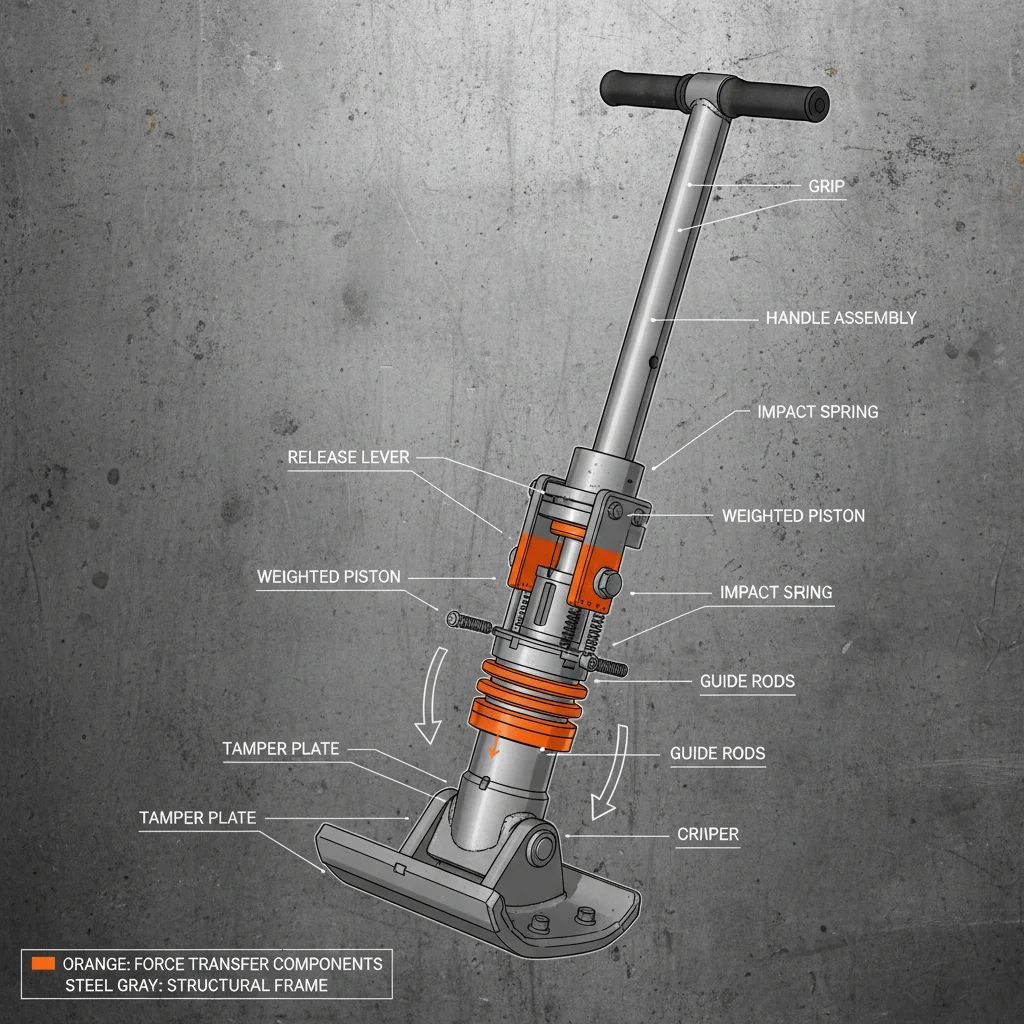
Compaction is also key. Getting the proper density is crucial for ensuring the mix’s resistance to deformation and water damage. The Digital Marshall Stability Tester provides a standardized method for compacting samples, allowing for consistent comparisons between different mixes. And finally, air voids – the percentage of air spaces within the compacted asphalt. Too many air voids can lead to oxidation and cracking, while too few can cause bleeding and rutting. The tester accurately measures air voids, allowing engineers to optimize the mix design for long-term durability.
These aren’t isolated factors; they all interact with each other. That's where the power of the digital system really comes into play. You can quickly evaluate different mix designs, adjust parameters, and see the resulting impact on key performance indicators. It's about understanding the complex interplay of these factors and optimizing the mix for specific traffic loads, climate conditions, and pavement type.
Global Applications and Real-World Impact
The need for durable and reliable roads is universal. We see Digital Marshall Stability Testers being deployed in projects across the globe – from the highways of Europe to the developing infrastructure of Southeast Asia. In countries with harsh climates, like Canada and Russia, the ability to accurately assess mix performance is especially critical. In post-disaster reconstruction efforts, where speed and reliability are paramount, these testers can help rebuild infrastructure quickly and efficiently.
I worked on a project in India a few years back where they were struggling with premature pavement failure due to poor mix design. Introducing the Digital Marshall Stability Tester allowed them to identify and correct the issues, resulting in a significant improvement in road quality and lifespan. It’s not just about building new roads either; it's about maintaining and rehabilitating existing ones. Digital testing helps optimize rehabilitation strategies and extend the service life of pavements.
The technology is also being adopted by research institutions and universities for advanced materials testing and development. It's becoming a standard tool for evaluating new asphalt binders, additives, and mix designs, paving the way for more sustainable and high-performing pavements.
Digital Marshall Stability Tester Performance Metrics
Advantages and Long-Term Value Proposition
The benefits of investing in a Digital Marshall Stability Tester extend far beyond just improved test accuracy. From a cost perspective, reducing rework and extending pavement life translates to significant savings over the long term. The increased efficiency of the digital workflow also reduces labor costs and speeds up project timelines. But it’s not just about the bottom line.
There’s a real safety component here. Better roads mean fewer accidents and a safer driving experience for everyone. And from a sustainability standpoint, building more durable pavements reduces the need for frequent repairs and reconstructions, minimizing the environmental impact of road construction. It builds trust with the public – they can see the quality of the work.
Future Trends and Innovations in Asphalt Testing
We’re already seeing integration of the Digital Marshall Stability Tester with other data analytics platforms. This allows for real-time monitoring of mix performance, predictive maintenance scheduling, and even automated adjustments to mix designs based on changing conditions. The move toward "smart pavements" – roads that can sense and respond to their environment – is driving demand for more sophisticated testing technologies.
I also foresee a greater emphasis on sustainable materials and circular economy principles. Digital testing will play a key role in evaluating the performance of recycled asphalt pavement (RAP) and other alternative materials, ensuring that they meet the same rigorous standards as traditional mixes.
Challenges and Solutions in Implementing Digital Testing
One of the biggest challenges is the initial investment cost. Digital systems are more expensive than traditional methods, which can be a barrier for smaller contractors or agencies. However, the long-term cost savings and increased efficiency often outweigh the upfront expense. Another challenge is the need for training and technical support. Technicians need to be properly trained on how to operate the equipment and interpret the data.
To address this, manufacturers are offering comprehensive training programs and remote support services. And as the technology becomes more widespread, the cost of ownership is likely to decrease. We're also seeing the development of more user-friendly software and interfaces, making it easier for technicians to learn and use the system. Ultimately, the benefits of digital Marshall testing far outweigh the challenges.
Summary of Solutions for Digital Marshall Stability Tester Implementation Challenges
| Challenge |
Impact on Project |
Proposed Solution |
Implementation Cost (Scale 1-10) |
| High Initial Investment |
Delayed Adoption, Budget Constraints |
Leasing Options, Phased Implementation |
6 |
| Lack of Trained Personnel |
Inaccurate Testing, Data Misinterpretation |
Manufacturer-Led Training Programs, Online Resources |
7 |
| Data Integration Complexity |
Siloed Information, Limited Analysis |
API Integration with Existing Systems, Data Standardization |
8 |
| Maintenance & Calibration |
Inaccurate Results, Downtime |
Preventative Maintenance Schedules, Calibration Services |
5 |
| Software Updates & Compatibility |
System Errors, Reduced Functionality |
Automatic Updates, Regular Compatibility Checks |
4 |
| Resistance to Change |
Slow Adoption Rate, Underutilization |
Demonstrations, Pilot Programs, Success Stories |
3 |
FAQS
The ROI varies depending on project volume and existing infrastructure, but typically ranges from 18-36 months. This is driven by reduced material waste, faster testing times, fewer road failures, and improved quality control. We've seen clients report significant cost savings within the first year, particularly on large-scale projects. The reduction in rework alone often justifies the investment.
Modern Digital Marshall Stability Testers are designed with open architecture and API compatibility to facilitate seamless integration with most LIMS. Our systems offer various data export formats and protocols. However, custom integration may require some IT support to ensure compatibility and data mapping. We provide documentation and support to assist with the integration process.
While the system is automated, a foundational understanding of asphalt mix design principles is beneficial. We provide comprehensive training programs that cover operation, calibration, and basic troubleshooting. Routine maintenance can be performed by trained laboratory technicians. More complex repairs may require a qualified service engineer.
Digital Marshall Stability Testers significantly improve repeatability and accuracy compared to manual methods. Manual testing is susceptible to human error and inconsistencies in force application and measurement. The automated system ensures consistent compaction, load application, and data recording, resulting in more reliable and reproducible results.
Our Digital Marshall Stability Testers meet or exceed the requirements of ASTM D693, AASHTO T240, and EN 12697-23. We also provide calibration certificates traceable to national standards to ensure compliance and data integrity. We’re committed to adhering to the highest industry standards.
We offer a standard one-year warranty on all Digital Marshall Stability Testers, covering defects in materials and workmanship. We also provide extended warranty options for added peace of mind. Our after-sales support includes remote technical assistance, on-site service, and readily available spare parts.
Conclusion
The Digital Marshall Stability Tester isn't just a piece of equipment; it’s an investment in the future of our infrastructure. It provides the accuracy, efficiency, and reliability needed to build durable, safe, and sustainable roads. It empowers engineers and technicians to make informed decisions, optimize mix designs, and ultimately, deliver better value to taxpayers.
Looking ahead, the integration of digital technologies will continue to transform the asphalt industry. Embracing innovation, like the Digital Marshall Stability Tester, is essential for meeting the challenges of a rapidly changing world and ensuring that our infrastructure can support economic growth and improve quality of life for generations to come. For more information and to explore how a Digital Marshall Stability Tester can benefit your projects, visit our website: www.czlabinstrument.com.