
The California Bearing Ratio (CBR) Test is a crucial geotechnical engineering investigation used to evaluate the bearing strength of soil and its suitability for supporting pavements and structures. Globally, the reliable assessment of soil bearing capacity is paramount for infrastructure development, impacting everything from road construction to foundation design for buildings. A properly conducted California Bearing Ratio Test ensures the longevity and safety of these critical projects, minimizing risks of failure and costly repairs.
The demand for robust and accurate soil testing methodologies is ever-increasing, driven by population growth, urbanization, and the need for sustainable infrastructure. With the rise of extreme weather events and climate change, the importance of understanding soil behavior under varying conditions is more critical than ever. CBR testing provides a standardized approach to characterizing soil strength, contributing significantly to resilient infrastructure development and public safety.
Furthermore, advancements in construction materials and techniques require precise soil property data for optimized design. The California Bearing Ratio Test serves as a cornerstone in this process, informing engineers and planners to make informed decisions, ensuring the stability and performance of infrastructure projects worldwide.
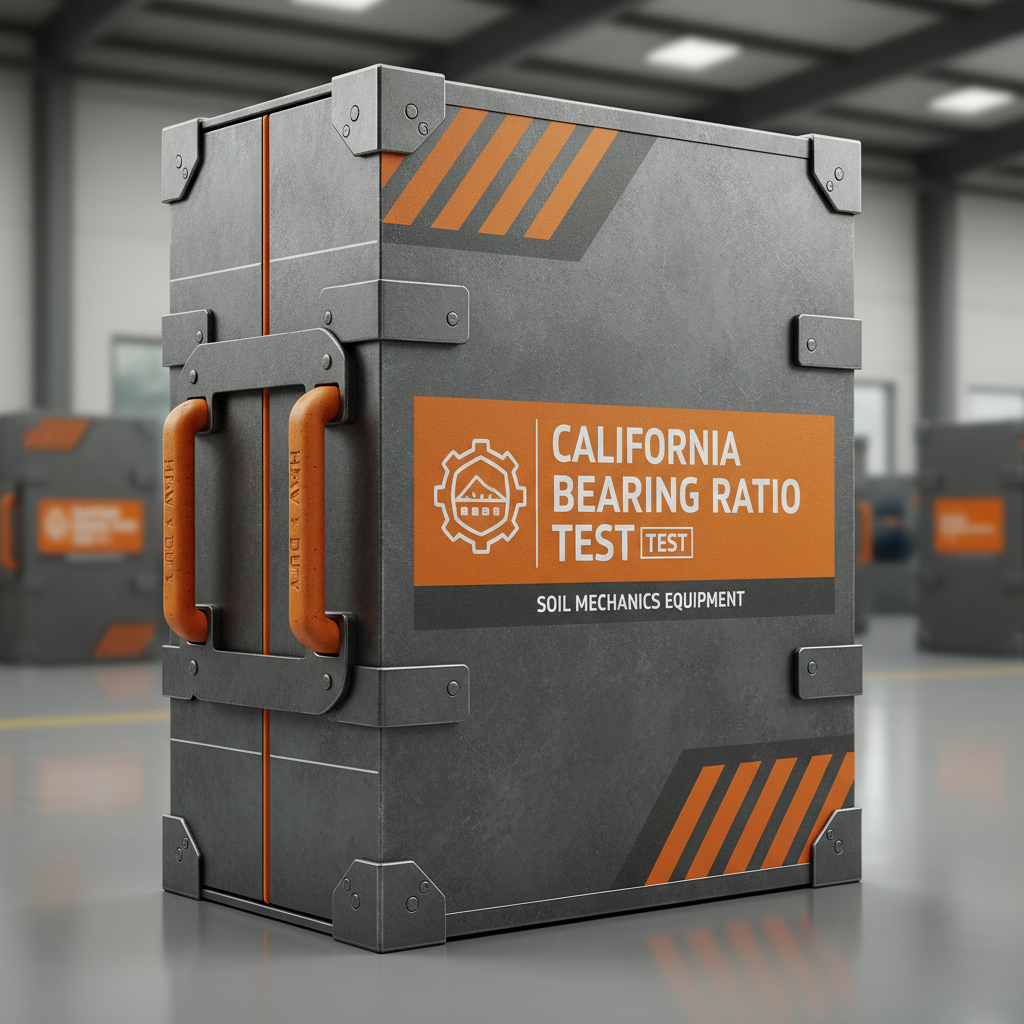
Introduction to the California Bearing Ratio Test
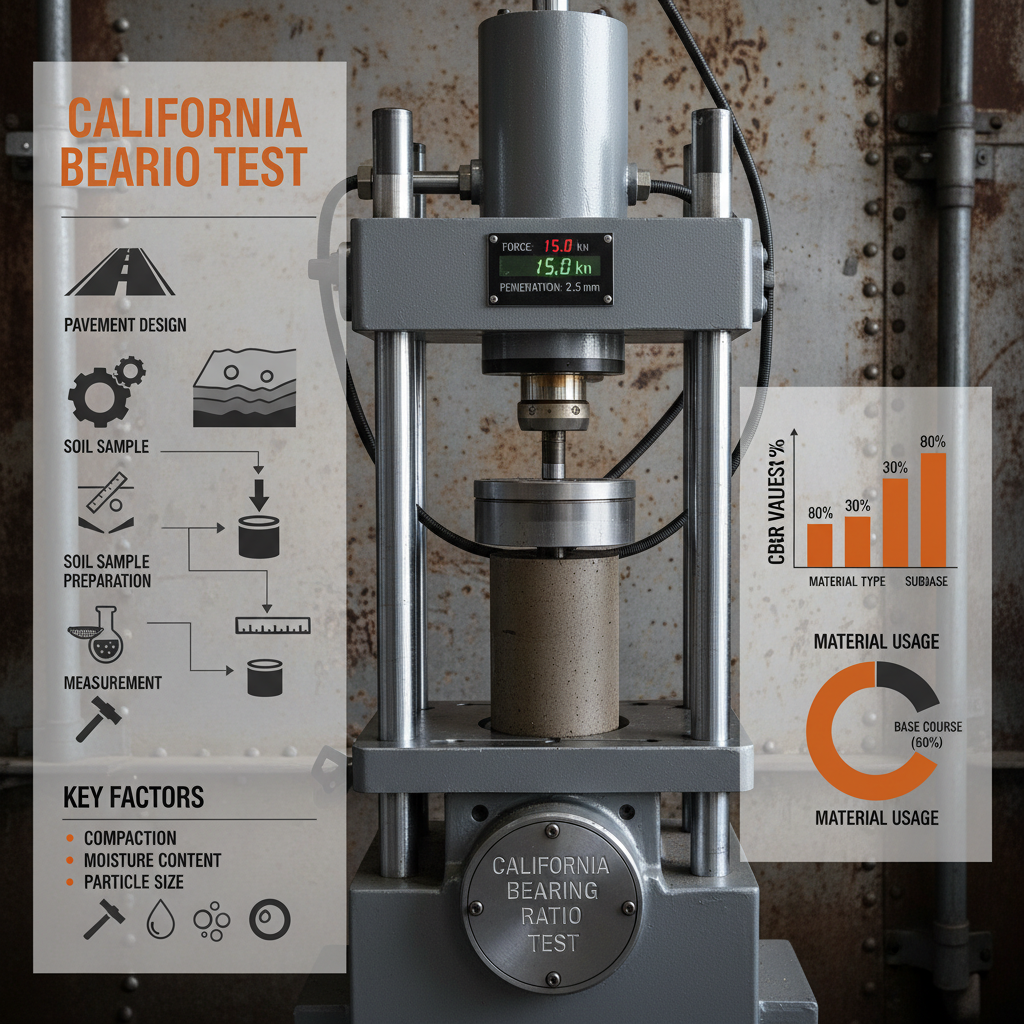
The California Bearing Ratio Test, often simply referred to as the CBR test, is a penetration test used to determine the relative strength of cohesive materials. It originated in California in the late 1920s as a method for evaluating the suitability of subgrade materials for flexible pavement construction. Its simplicity, cost-effectiveness, and correlation with pavement performance have made it a widely adopted standard globally.
The test fundamentally assesses the resistance of a soil sample to penetration by a cylindrical plunger under controlled conditions. The resulting CBR value is expressed as a percentage, representing the ratio of the test load required to achieve a specified penetration to the load required to achieve the same penetration in a standard crushed stone material. This allows for a standardized comparison of soil strengths across different locations and projects.
FAQS
The primary purpose of the California Bearing Ratio (CBR) test is to determine the bearing strength of subgrade soils and their suitability for supporting pavements. It provides a numerical value that correlates to the soil's resistance to penetration, which is crucial for designing stable and durable road structures. This test helps engineers assess how well the soil will withstand the loads imposed by traffic and prevent premature pavement failure, ensuring a safe and long-lasting road surface.
Laboratory CBR tests are conducted on undisturbed soil samples in a controlled environment, offering precise conditions and minimizing external variables. In-situ CBR tests, conversely, are performed directly in the field, providing a real-world assessment of the soil’s bearing capacity. Laboratory tests are ideal for detailed soil characterization and quality control, while in-situ tests are better suited for quick assessments of large areas and representative soil conditions. The choice depends on project requirements, available resources, and the desired level of accuracy.
Moisture content has a significant impact on the CBR value. Generally, increasing moisture content reduces the soil's strength and consequently lowers the CBR value, particularly in cohesive soils like clay. Water weakens the bonds between soil particles, reducing its resistance to penetration. Conversely, well-drained and compacted soils with lower moisture content typically exhibit higher CBR values. Accurate moisture content measurement and control are crucial for obtaining reliable CBR test results.
A "good" CBR value for road construction generally ranges from 10 to 30 or higher, but this is heavily dependent on the type of pavement and traffic loading. For light traffic roads, a CBR of 10 might be sufficient, while highways and roads with heavy traffic require CBR values of 30 or more. Factors influencing this benchmark include the subgrade soil type, the thickness of the pavement layers, and the expected traffic volume. Engineers use CBR values in conjunction with other geotechnical parameters to determine the optimal pavement design.
CBR results are directly integrated into pavement design methodologies. The CBR value is used to calculate the required thickness of the pavement layers – the base course, subbase course, and surface course – to ensure the pavement can withstand anticipated traffic loads without excessive deformation or failure. Higher CBR values allow for thinner pavement layers, reducing construction costs, while lower CBR values necessitate thicker layers to provide adequate support and longevity.
While the CBR test is a valuable tool, relying solely on it can be limiting. It primarily assesses soil strength under static loads and may not fully capture dynamic effects caused by traffic or seismic activity. It also doesn't directly measure other critical soil properties like shear strength or compressibility. Therefore, it’s often used in conjunction with other geotechnical investigations, such as triaxial tests and consolidation tests, to obtain a comprehensive understanding of soil behavior and ensure a robust and reliable pavement or foundation design.
Conclusion
In summary, the California Bearing Ratio Test remains a cornerstone of geotechnical engineering, providing a simple, cost-effective, and reliable method for evaluating soil bearing capacity. Its widespread application in road construction, foundation design, and infrastructure development globally underscores its importance in ensuring the safety, durability, and sustainability of built environments. Understanding the nuances of CBR testing and its influencing factors is critical for informed decision-making in civil engineering projects.
Looking ahead, continued advancements in testing technologies, data analysis, and standardization will further enhance the accuracy and efficiency of the California Bearing Ratio Test. Embracing these innovations will be essential for meeting the evolving demands of infrastructure development in a changing world, fostering resilient and sustainable solutions for future generations. Visit our website to learn more about our CBR testing equipment and services.
Related Posts
-
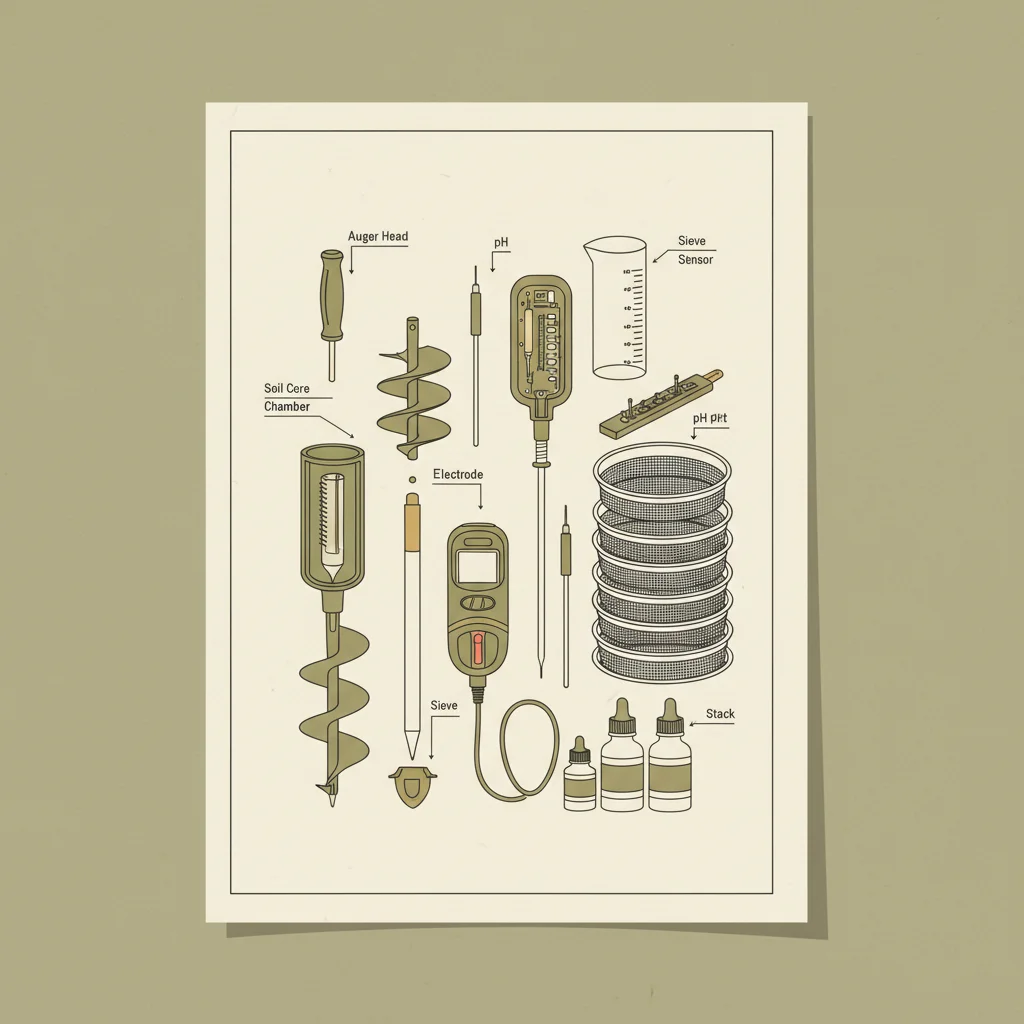
Advancements and Practical Applications of Soil Testing Tools Globally
-
Advancements in Geotechnical Testing with Digital California Bearing Ratio Apparatus
-

Essential Guide to Electrical Marshall Compactor for Civil Engineering and Material Science
-
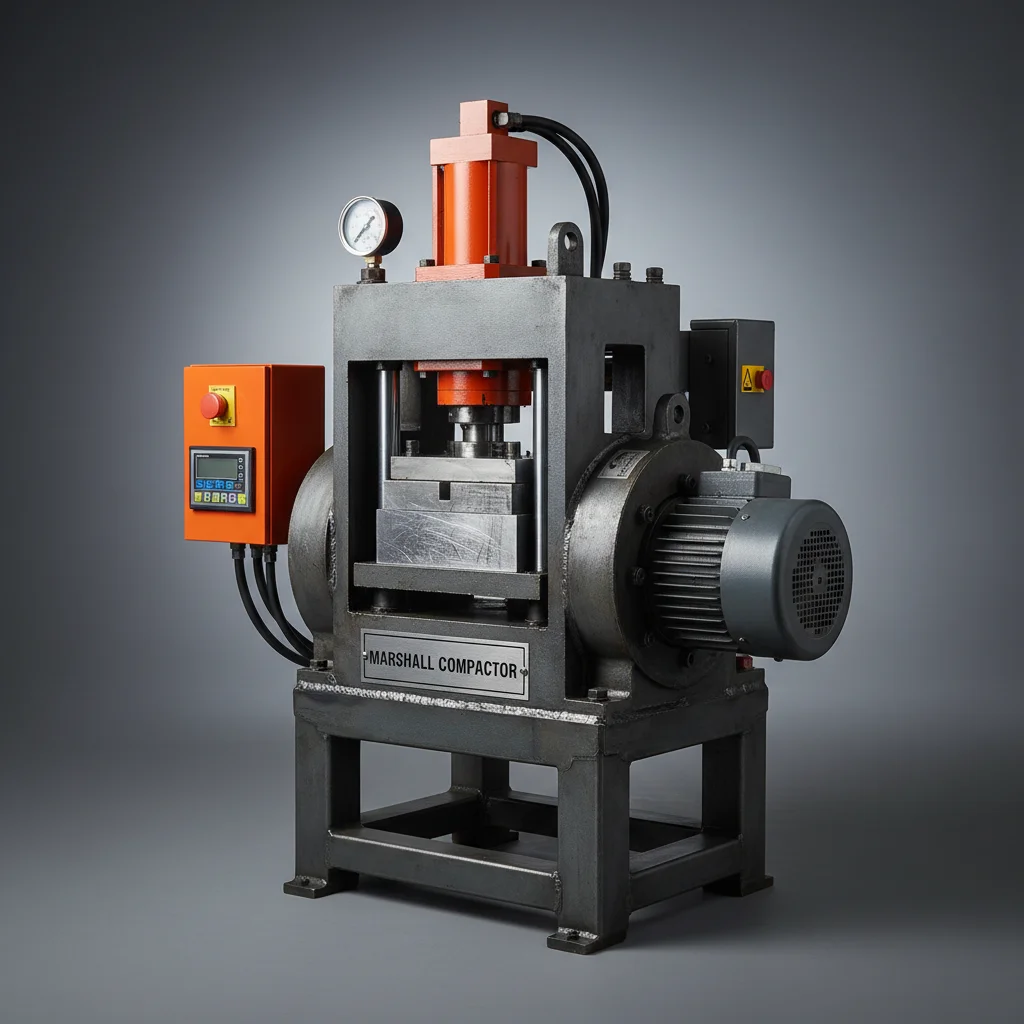
The Significance of Marshall Compactor in Geotechnical Engineering and Road Infrastructure