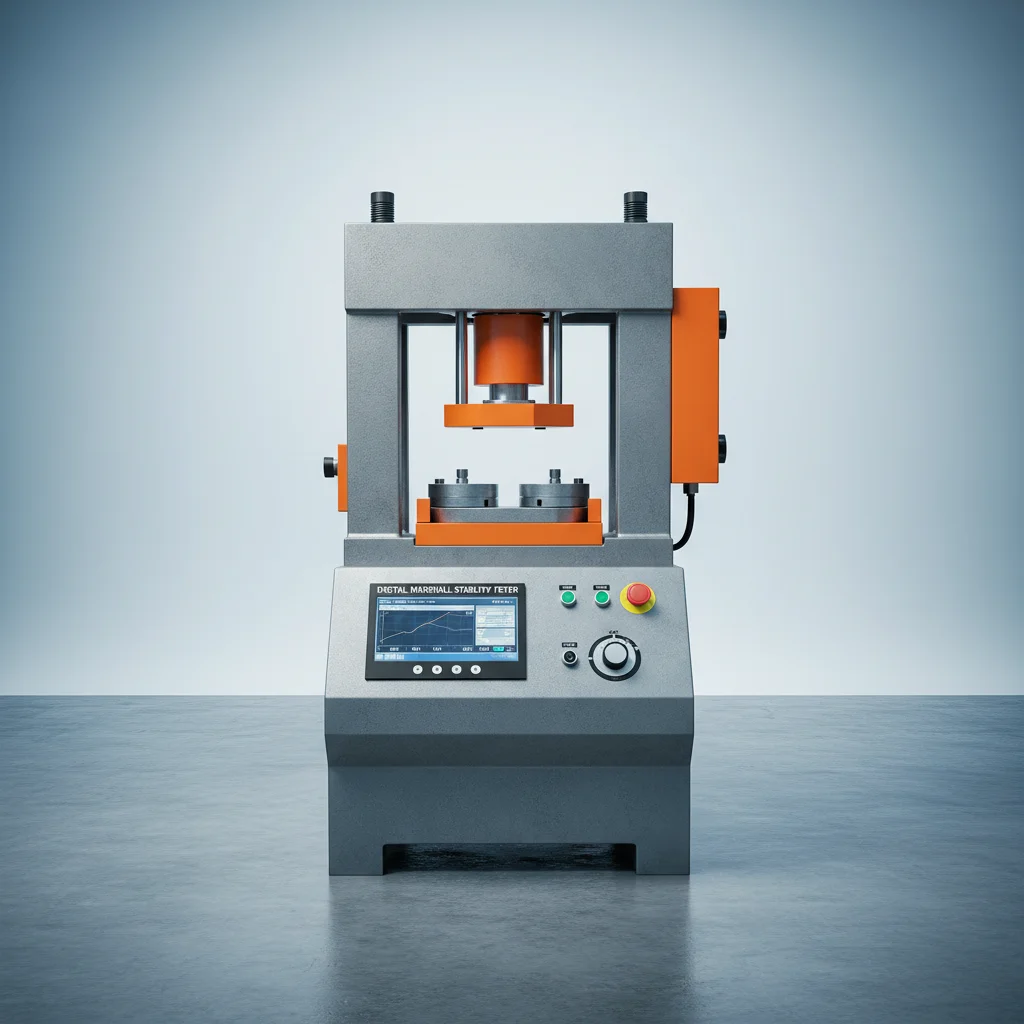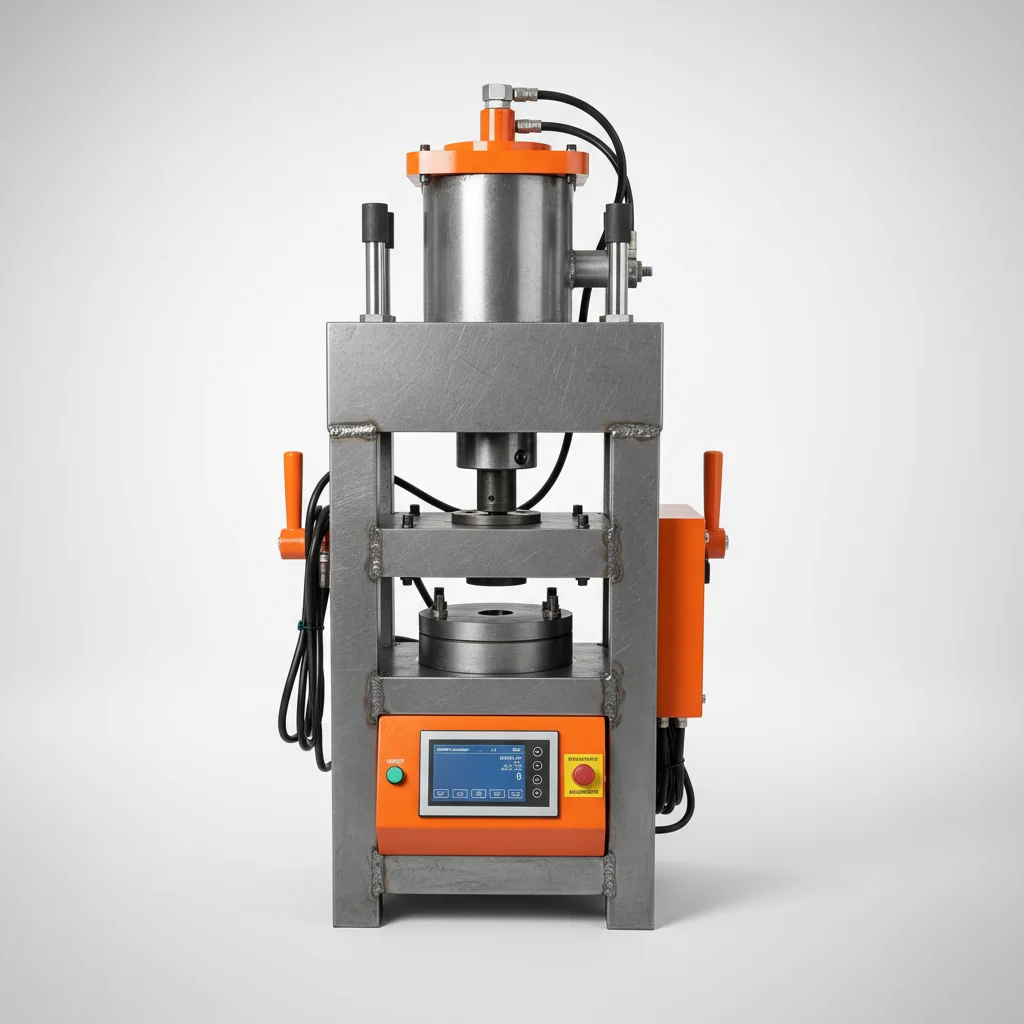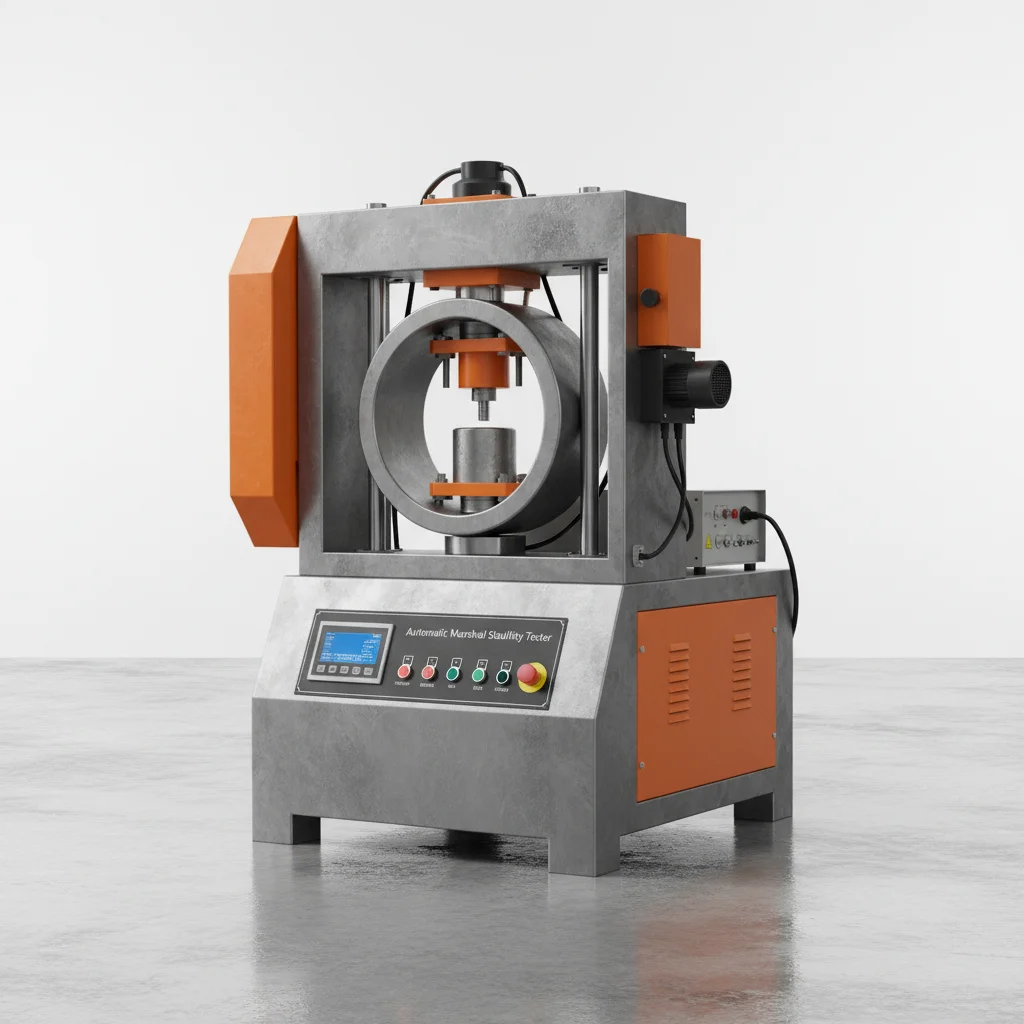
The Digital California Bearing Ratio (CBR) Apparatus represents a cornerstone in geotechnical engineering, playing a vital role in assessing the bearing strength of soils for road construction, runway building, and foundation design. Its relevance spans globally, underpinning infrastructure development in both developed and developing nations. Accurate soil assessment, facilitated by instruments like the Digital CBR Apparatus, directly impacts the longevity, safety, and cost-effectiveness of these crucial projects, making it an indispensable tool for civil engineers worldwide.
The demand for reliable soil testing equipment is continuously growing, driven by expanding infrastructure needs, especially in rapidly urbanizing areas. Global spending on infrastructure is projected to reach trillions of dollars in the coming years, as highlighted by reports from the World Bank and UN Habitat. Utilizing a Digital California Bearing Ratio Apparatus ensures the structural integrity of construction projects, mitigating risks associated with soil failure and reducing long-term maintenance costs. The precision afforded by digital models is surpassing traditional, manual methods.
The Digital California Bearing Ratio Apparatus isn't merely a testing tool; it's an investment in quality infrastructure, public safety, and sustainable development. By providing engineers with precise data, this apparatus empowers them to make informed decisions, optimize resource allocation, and build resilient structures capable of withstanding environmental challenges and heavy loads. This ultimately translates to safer roads, more durable buildings, and a more robust built environment.
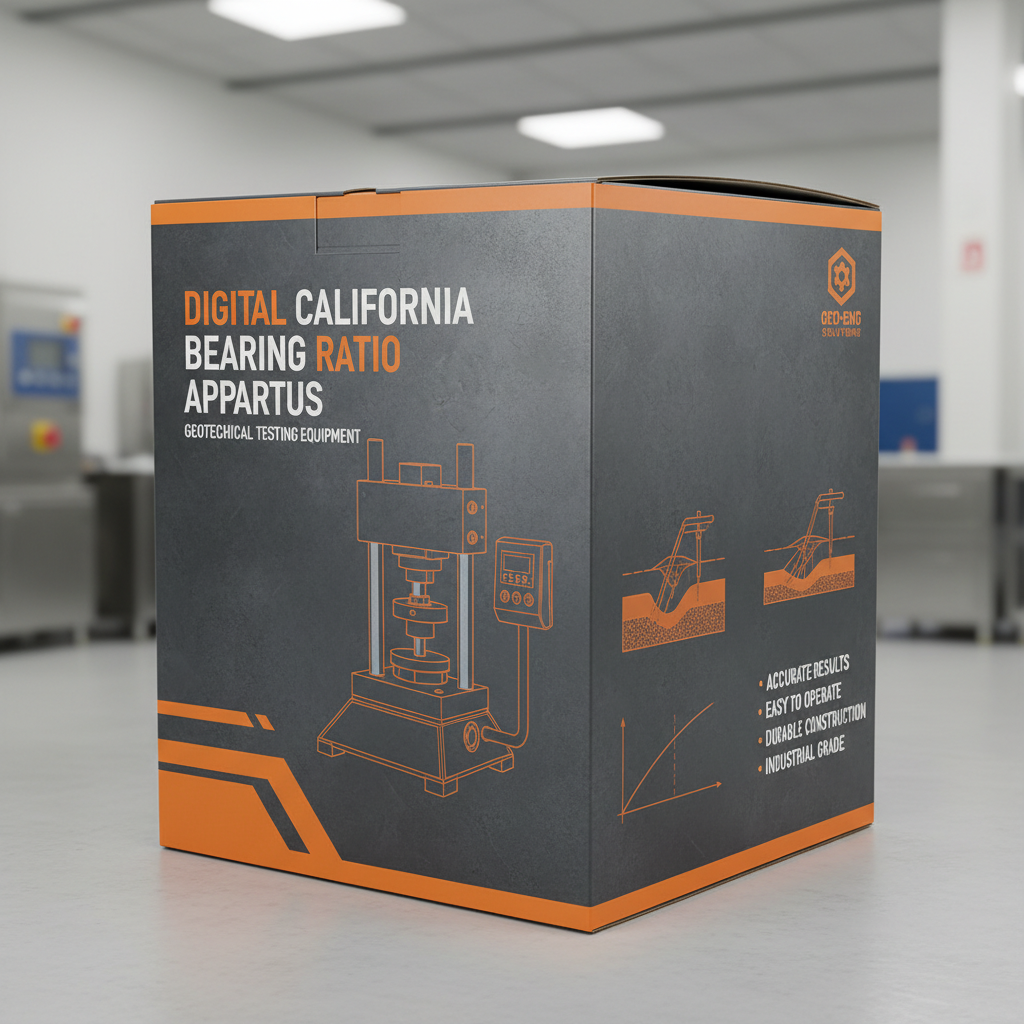
Introduction to Digital California Bearing Ratio Apparatus
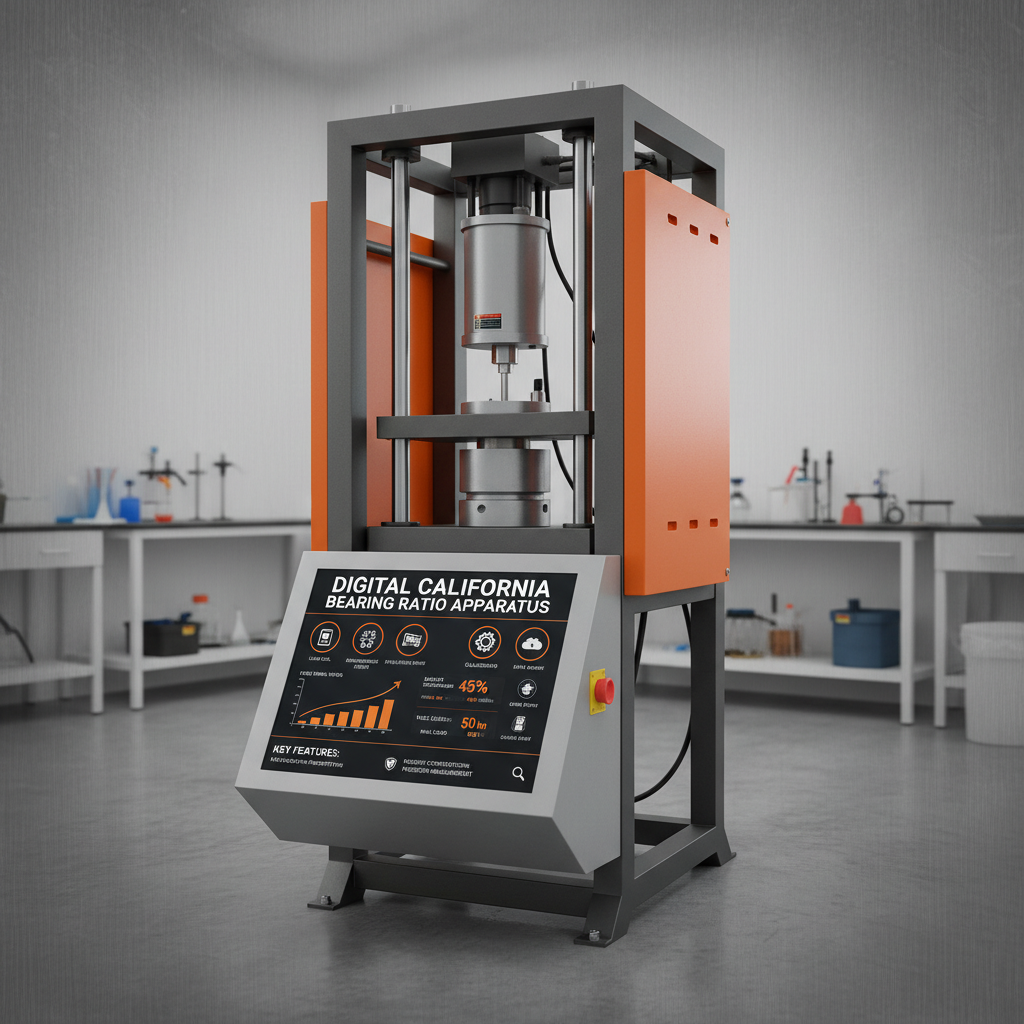
The Digital California Bearing Ratio Apparatus is a sophisticated instrument used to determine the bearing capacity of soil, crucial for designing stable foundations and pavements. Unlike traditional methods relying on manual measurements, the digital apparatus employs load cells and data acquisition systems to provide precise, automated readings, minimizing human error and increasing efficiency. This results in more reliable data for informed decision-making.
The integration of digital technology into the CBR testing process has revolutionized geotechnical investigations. The ability to collect and analyze data in real-time allows engineers to identify potential soil instability issues quickly and efficiently. This is particularly critical in large-scale infrastructure projects where even minor discrepancies in soil bearing capacity can have significant consequences.
FAQS
A digital CBR apparatus offers significantly enhanced accuracy and repeatability compared to manual methods. Automation minimizes human error in load application and displacement measurement. It also streamlines data collection and analysis, saving time and reducing the risk of transcription errors. Furthermore, digital systems often allow for real-time monitoring and data logging, providing valuable insights during the testing process. This ultimately leads to more reliable and defensible results.
A Digital California Bearing Ratio Apparatus should be calibrated regularly, typically at least annually, or more frequently if used extensively. Calibration should be performed by a qualified technician using traceable standards. The primary standard for CBR testing is ASTM D1883, which outlines the calibration procedures and acceptance criteria for the apparatus. Adhering to these standards ensures the accuracy and reliability of the test results. Records of calibration should be meticulously maintained.
Both undisturbed and remolded soil samples can be used for CBR testing, depending on the project requirements. Undisturbed samples, obtained using techniques that preserve the soil’s in-situ structure, provide the most accurate representation of the soil’s bearing capacity. However, remolded samples are often used for comparative studies or when undisturbed samples are difficult to obtain. It is crucial to properly identify and document the source and preparation method of each sample.
Moisture content significantly impacts CBR test results. Generally, as moisture content increases, the CBR value decreases, as the soil loses strength and becomes more susceptible to deformation. To control moisture content, samples should be sealed immediately after extraction to prevent evaporation or absorption. Testing should be performed at a consistent moisture content, often at optimum moisture content as determined by Proctor compaction tests. Moisture content should be accurately measured and recorded for each test.
Common sources of error include sample disturbance, inaccurate load application, inconsistent penetration rates, and human error in data recording. A digital CBR apparatus minimizes these errors through automated load control, precise displacement measurement, and data logging, reducing the reliance on manual operation. Regular calibration and adherence to standardized testing procedures are also crucial for minimizing errors and ensuring data reliability.
The CBR value is a crucial parameter in pavement design, directly influencing the thickness of the pavement layers. It represents the soil’s strength and its ability to support applied loads. A higher CBR value indicates stronger soil, requiring a thinner pavement structure. Conversely, a lower CBR value necessitates a thicker pavement to distribute the load effectively and prevent premature failure. Pavement design methods, such as those outlined by the American Association of State Highway and Transportation Officials (AASHTO), utilize CBR values to determine the appropriate layer thicknesses.
Conclusion
In conclusion, the Digital California Bearing Ratio Apparatus is an indispensable tool for geotechnical engineers worldwide. Its ability to provide accurate, reliable, and efficient soil strength assessments underpins the safety and longevity of critical infrastructure projects. By embracing digital technology, we enhance our ability to build resilient roads, stable foundations, and sustainable structures.
Looking ahead, continuous innovation in sensor technology, data analytics, and automation will further refine the capabilities of the Digital CBR apparatus. Investing in these advancements is paramount to addressing the growing infrastructure challenges of the 21st century and ensuring a safer, more sustainable built environment for generations to come. For more information about our Digital California Bearing Ratio Apparatus and other geotechnical testing equipment, please visit our website: Digital California Bearing Ratio Apparatus.