The California Bearing Ratio (CBR) Test Apparatus is a critical tool in geotechnical engineering, essential for evaluating the bearing capacity of soils for the design of roads, runways, and foundations. Globally, infrastructure development relies heavily on accurate soil assessment, making the CBR test a foundational element. The need for durable and reliable infrastructure, particularly in rapidly developing nations and regions prone to natural disasters, elevates the importance of this testing method. Understanding the principles and applications of the California Bearing Ratio Test Apparatus ensures safer, more cost-effective, and longer-lasting construction projects.
The demand for robust infrastructure is rising exponentially, driven by population growth and urbanization. The CBR test directly addresses the challenge of predicting soil behavior under load, reducing the risk of structural failure and extending the service life of infrastructure. Adoption of standardized testing methods like those facilitated by a quality California Bearing Ratio Test Apparatus is crucial for maintaining consistent engineering standards across diverse geographical locations.
Ultimately, investing in accurate soil analysis, through the use of sophisticated equipment like the California Bearing Ratio Test Apparatus, is an investment in public safety, economic stability, and sustainable development. This apparatus is vital for projects ranging from local road improvements to large-scale international infrastructure initiatives.
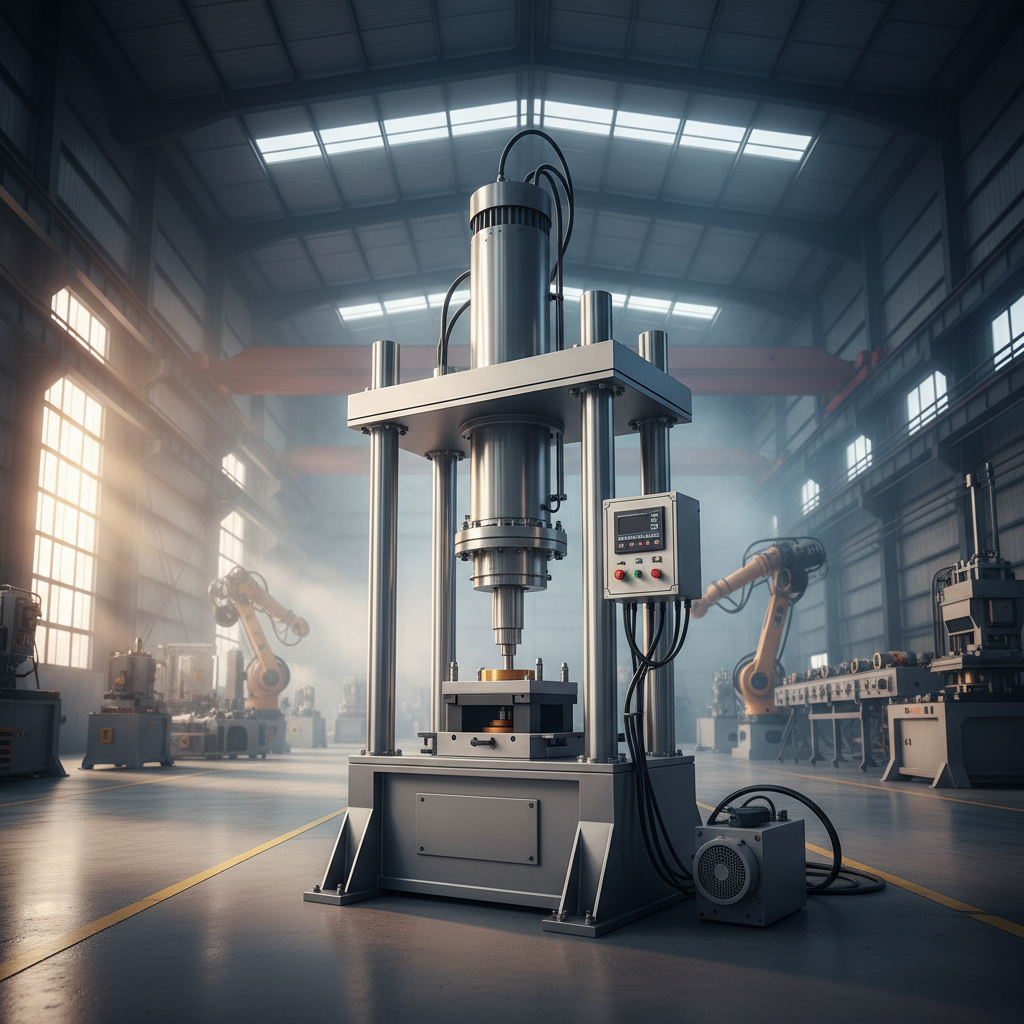
Introduction to the California Bearing Ratio Test Apparatus
The California Bearing Ratio (CBR) Test Apparatus isn’t merely a collection of mechanical components; it represents a pivotal approach to understanding soil strength and its ability to support structural loads. It's the foundation upon which countless infrastructure projects are built, from highways to airport runways. The apparatus provides a standardized method for measuring the bearing capacity of soil, allowing engineers to confidently assess the suitability of a site for construction.
The core principle behind the CBR test is to determine the relative strength of a soil sample compared to a standard crushed stone. This ratio, expressed as a percentage, indicates the soil’s resistance to penetration and deformation under load. A higher CBR value signifies greater soil strength and a lower risk of failure. Investing in a precise and reliable California Bearing Ratio Test Apparatus is therefore paramount for any serious geotechnical investigation.
Defining the California Bearing Ratio Test Apparatus
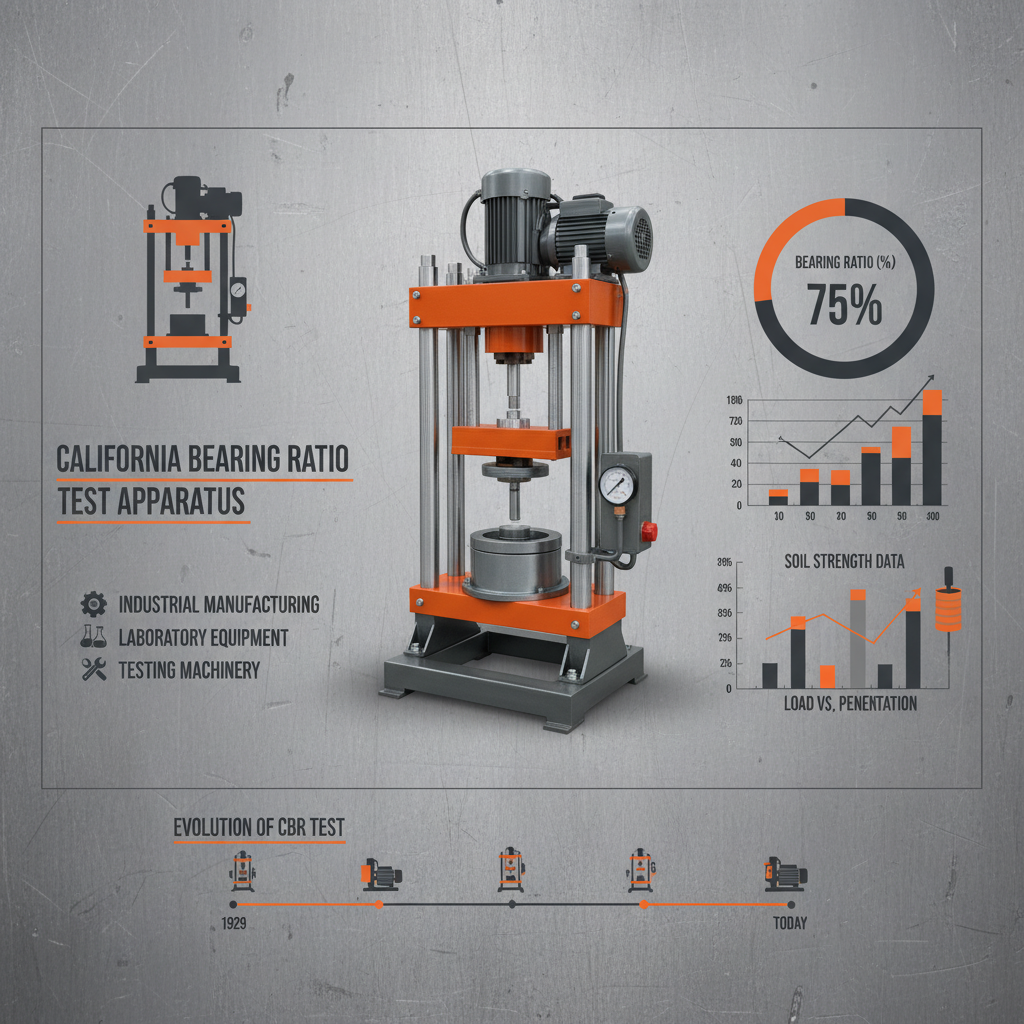
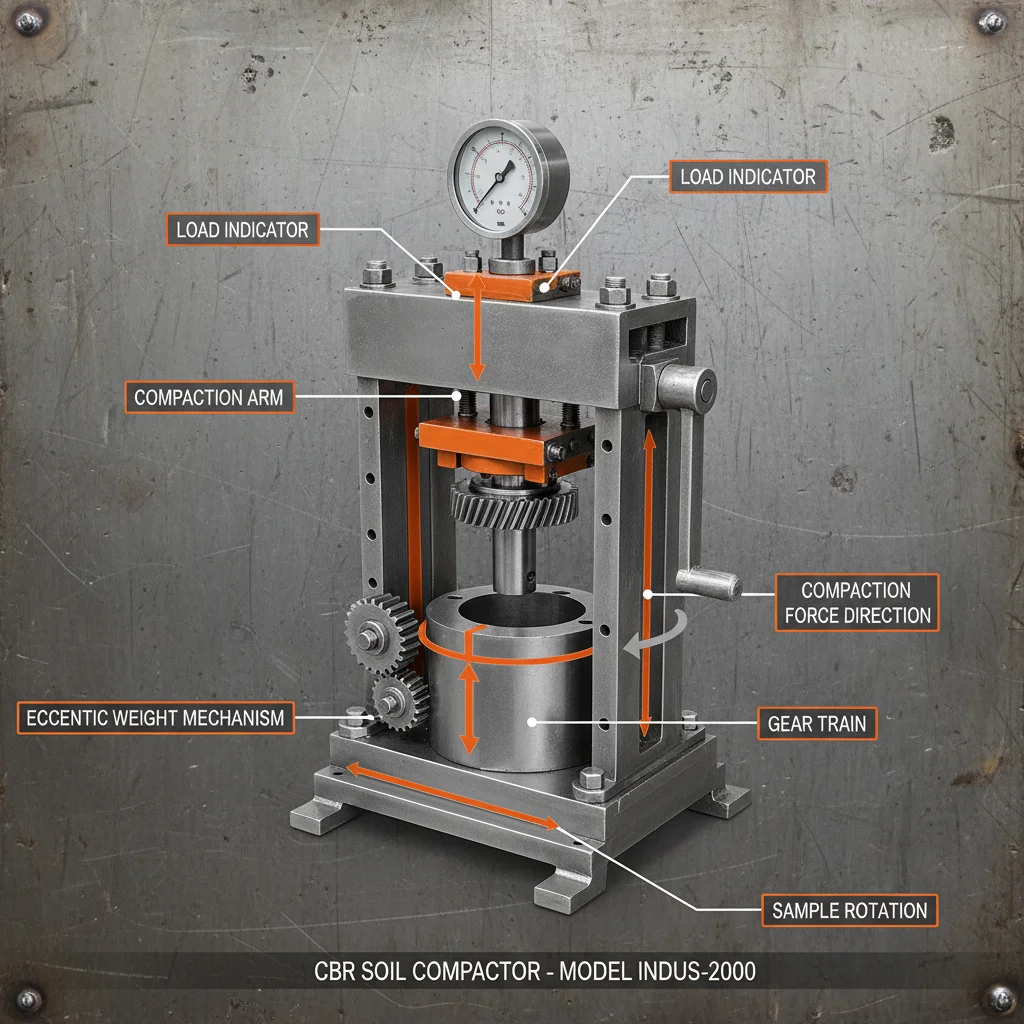
The California Bearing Ratio Test Apparatus is a laboratory instrument used to measure the bearing capacity of soil. It typically consists of a loading frame, a penetration piston, a load cell, dial gauges for measuring penetration and swell, and a water bath to maintain moisture content. The apparatus simulates the pressure exerted by a vehicle tire on a road surface, allowing engineers to assess how well a soil will support traffic loads. It is considered a semi-empirical test, providing a reliable correlation between laboratory-determined strength and actual field performance.
Essentially, the CBR apparatus provides a numerical value, the CBR itself, which represents the ratio of the soil's resistance to penetration to the resistance of a standard crushed rock. This simple, yet effective, metric is used extensively in pavement design to determine the thickness of road base and subbase layers.
The CBR test's connection to modern infrastructure is undeniable. It isn't just about building roads; it’s about ensuring the longevity, safety, and cost-effectiveness of transportation networks vital to modern economies and humanitarian efforts.
Core Components of a CBR Test Apparatus
A complete California Bearing Ratio Test Apparatus comprises several key components working in concert. These include a robust loading frame capable of applying controlled compressive loads, a circular penetration piston with a defined diameter (typically 3 inches or 50mm), a proving ring or load cell to accurately measure the applied force, and a dial gauge with precision to measure the piston's penetration into the soil.
Beyond these primary components, accurate CBR testing requires specialized molds for compacting soil samples to standardized densities, a weighing scale for determining moisture content, and a water bath to maintain consistent saturation levels. The quality and calibration of each component significantly impacts the accuracy and reliability of the test results. Furthermore, accessories like extension rods and adaptors are often included for accommodating different sample sizes or testing configurations.
Each component’s design and calibration are governed by international standards (like ASTM D1883 and AASHTO T193) to ensure consistency and comparability of results across different laboratories and projects. A properly maintained and calibrated California Bearing Ratio Test Apparatus is an essential investment for any geotechnical testing facility.
Key Factors Influencing CBR Test Results
Several factors can significantly influence the accuracy and reliability of CBR test results. Soil type is paramount, as different soils exhibit varying resistance to penetration. Moisture content also plays a critical role; the degree of saturation dramatically affects the soil's strength characteristics. Compaction effort, adhering to standardized procedures, is crucial for achieving consistent sample density.
The rate of loading during the test must also be carefully controlled, as excessive speed can lead to inaccurate readings. Soil disturbance during sampling and preparation can compromise the integrity of the sample and affect the test results. Thorough understanding and diligent control of these factors are essential for obtaining meaningful data.
Influence of Factors on California Bearing Ratio Test Apparatus Readings
Global Applications of the California Bearing Ratio Test
The California Bearing Ratio test is applied globally across a wide range of civil engineering projects. In road construction, it’s fundamental to determining the appropriate thickness of pavement layers. Airport runway design relies heavily on CBR values to ensure the ability to withstand the heavy loads of aircraft. Foundation design for buildings and other structures also benefits from CBR data to assess soil bearing capacity.
In post-disaster relief operations, rapid CBR testing can quickly evaluate the suitability of existing roadways for emergency vehicle access and reconstruction efforts. In remote industrial zones, where access to sophisticated laboratory facilities is limited, portable CBR test kits facilitate on-site assessments, speeding up project timelines.
Advantages and Long-Term Value of CBR Testing
The advantages of utilizing the California Bearing Ratio test are numerous. It provides a relatively simple and cost-effective method for assessing soil strength, reducing the need for more expensive and time-consuming testing procedures. The standardized nature of the test ensures consistency and comparability of results, facilitating effective communication and collaboration between engineers.
Long-term, reliable CBR data contributes to more durable and sustainable infrastructure, minimizing maintenance costs and extending the service life of projects. This translates to significant economic benefits, reduced environmental impact, and enhanced public safety. Using a high-quality California Bearing Ratio Test Apparatus is an investment in long-term project success.
Future Trends in CBR Testing and Soil Mechanics
The field of CBR testing is constantly evolving with advancements in technology and a growing emphasis on sustainability. The integration of digital sensors and automated data acquisition systems is streamlining the testing process and improving accuracy. Non-destructive testing methods, such as cone penetration testing (CPT), are being increasingly used to correlate with CBR values, providing a more efficient and comprehensive assessment of soil properties.
Research is also focusing on developing more sophisticated models to predict soil behavior under dynamic loading conditions, particularly in seismic regions. The incorporation of artificial intelligence (AI) and machine learning (ML) techniques is enabling the analysis of vast datasets to identify patterns and optimize pavement design.
Furthermore, there's a growing trend towards utilizing recycled materials in road construction, necessitating modified CBR testing procedures to account for the altered soil characteristics. Future iterations of the California Bearing Ratio Test Apparatus will likely incorporate these advancements to meet the evolving needs of the industry.
Summary of Key Challenges and Potential Solutions in CBR Testing
| Challenge |
Impact on CBR Results |
Potential Solution |
Implementation Cost (1-10) |
| Soil Variability |
Inconsistent CBR values across a site. |
Increased sampling density and spatial mapping. |
6 |
| Moisture Content Fluctuations |
Unreliable readings due to variable soil strength. |
Controlled laboratory conditions and timely testing. |
4 |
| Operator Error |
Inaccurate compaction, loading, or measurement. |
Standardized training and quality control procedures. |
5 |
| Equipment Calibration |
Systematic errors in load or penetration measurements. |
Regular calibration and maintenance of the apparatus. |
7 |
| Sample Disturbance |
Reduced CBR values due to altered soil structure. |
Careful sampling and handling techniques. |
3 |
| Data Interpretation |
Misapplication of CBR values in pavement design. |
Experienced geotechnical engineers and appropriate design software. |
8 |
FAQS
A standard CBR test typically takes between 24 to 72 hours to complete, depending on the soil type and laboratory procedures. This timeframe accounts for sample preparation, soaking (to achieve optimal moisture content), penetration testing, and data analysis. Accurate and consistent results are more important than rushing the process; a quality California Bearing Ratio Test Apparatus can help ensure efficient testing without compromising accuracy.
Laboratory CBR testing offers greater control over variables like moisture content and compaction, resulting in more precise measurements. Field CBR testing, however, provides a more realistic assessment of soil conditions as they exist in situ. Field testing often uses a dynamic penetrometer, offering a quicker, but less controlled, assessment. The choice depends on the project requirements and the level of detail needed.
Highly variable soil types, such as those with significant clay content or stratified layers, require more frequent testing. Homogeneous soils, like well-graded gravels, may require less frequent testing. The geotechnical engineer determines the appropriate testing frequency based on a site investigation and risk assessment. A consistent and reliable California Bearing Ratio Test Apparatus is vital regardless of the testing frequency.
CBR values are primarily indicators of soil strength and don’t directly account for other crucial pavement design factors like traffic loading, climate conditions, and drainage. Relying solely on CBR values can lead to inaccurate or unsafe pavement designs. It's essential to integrate CBR data with other engineering analyses and consider the entire pavement system.
Proper sample preparation is critical. Accurate compaction to a standardized density, representative sampling, and minimizing disturbance during handling are all essential for obtaining reliable CBR values. A poorly prepared sample can lead to significantly inaccurate results, undermining the entire engineering assessment.
Regular maintenance includes calibration of the loading frame, load cell, and dial gauges. Cleaning and lubrication of moving parts are also essential. Adhering to the manufacturer’s recommendations and performing periodic inspections will ensure the apparatus continues to provide accurate and reliable data over its lifespan.
Conclusion
The California Bearing Ratio Test Apparatus remains an indispensable tool in geotechnical engineering, providing critical data for assessing soil strength and ensuring the durability of infrastructure projects worldwide. Its continued relevance stems from its simplicity, cost-effectiveness, and standardized methodology. By accurately predicting soil behavior, the CBR test minimizes the risk of structural failure, reduces maintenance costs, and promotes sustainable development.
Looking ahead, advancements in technology and a growing emphasis on sustainability will drive further innovations in CBR testing. The integration of automated systems, AI-powered data analysis, and non-destructive testing methods will enhance the efficiency and accuracy of soil assessments. For detailed information, high-quality equipment, and expert support, visit our website: www.czlabinstrument.com.