0%

Table of Contents

The realm of infrastructure development consistently seeks reliable and efficient methods for soil stabilization and compaction, particularly in challenging terrains or time-sensitive projects. A CBR Soil Compactor plays a pivotal role in achieving these goals, ensuring the stability and longevity of roads, foundations, and other critical structures. Understanding the principles and applications of this technology is crucial for engineers, construction professionals, and policymakers alike, as it directly impacts the safety, cost-effectiveness, and sustainability of infrastructure projects globally.

The increasing demand for robust and resilient infrastructure, coupled with growing concerns about environmental impact and project timelines, has propelled the CBR Soil Compactor to the forefront of geotechnical engineering. The standardization of testing procedures, such as those outlined by ASTM and ISO, underscore its global relevance. Failure to adequately compact soil can lead to significant structural issues, increased maintenance costs, and even catastrophic failures, highlighting the critical importance of reliable compaction assessment.

Investing in high-quality CBR Soil Compactor equipment and training professionals in its proper use is no longer a luxury but a necessity for modern construction. Its precise and repeatable measurements ensure project success, reduce long-term risks, and contribute to a more sustainable built environment.
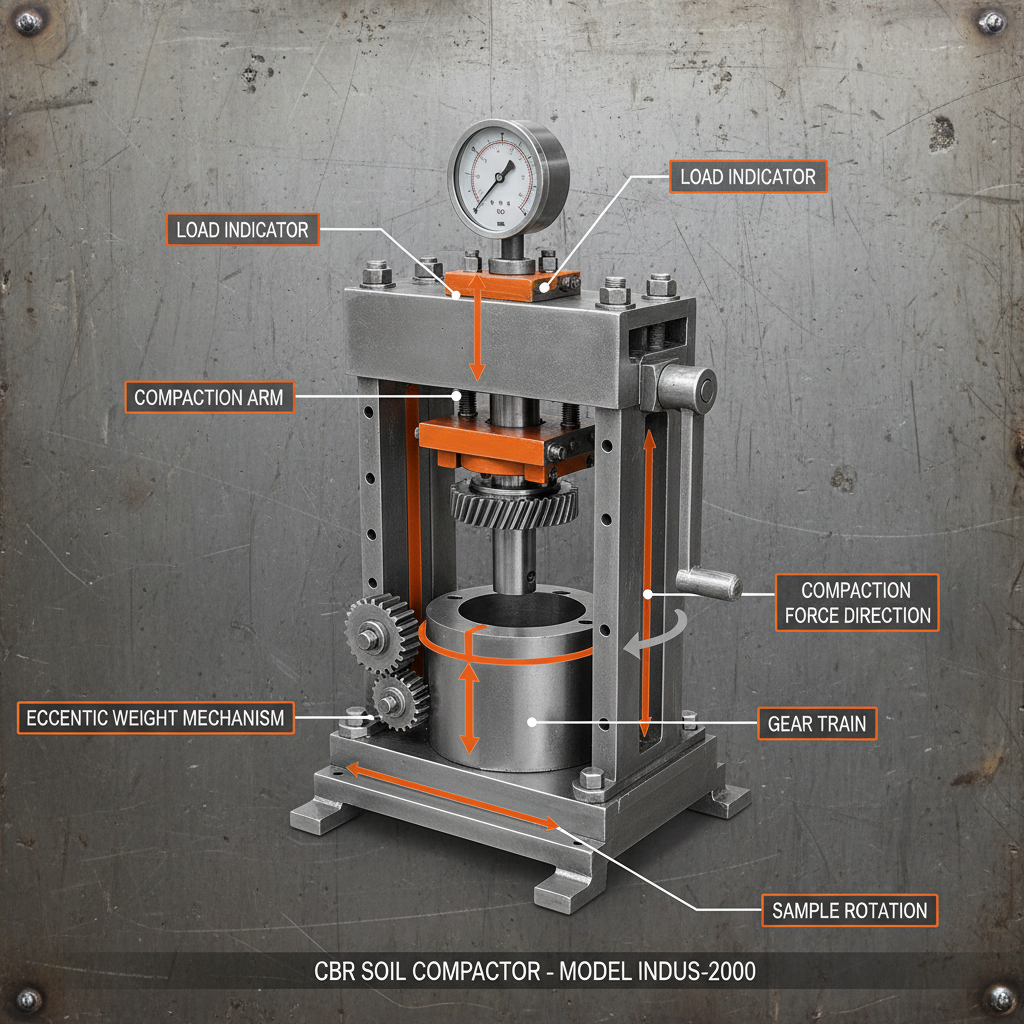
CBR Soil Compactor

Introduction to CBR Soil Compaction

CBR Soil Compactor

The California Bearing Ratio (CBR) test, and consequently the CBR Soil Compactor used to facilitate it, is a penetration test used to evaluate the bearing capacity of soil. This is crucial for designing roadways, runways, and foundations. Understanding the CBR value is fundamental to ensuring that the subgrade can withstand the anticipated loads without excessive deformation or failure.

Modern infrastructure projects increasingly demand rigorous quality control. The CBR Soil Compactor offers a standardized and efficient way to assess soil strength in-situ, reducing the need for costly and time-consuming laboratory testing. This technology is indispensable for projects ranging from rural road construction to large-scale airport developments.

Defining CBR Soil Compactor Technology

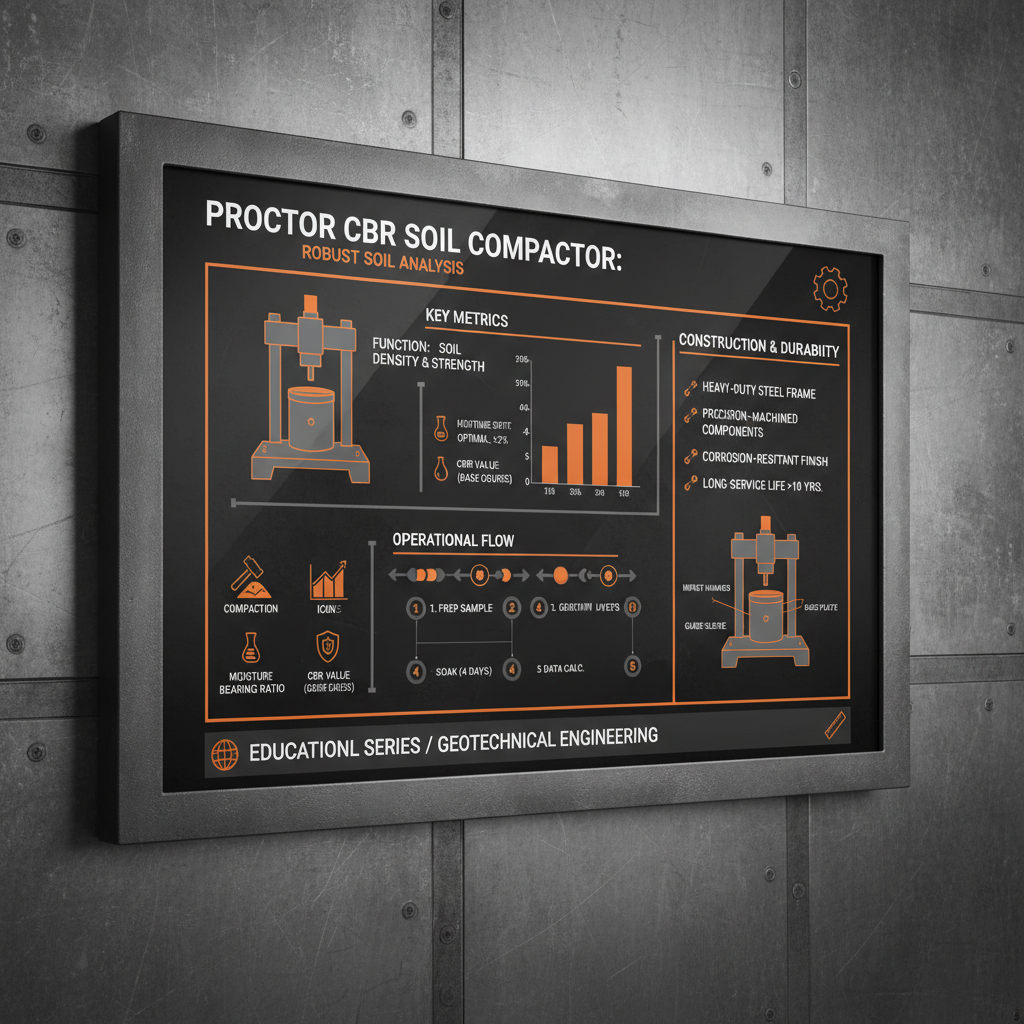
A CBR Soil Compactor isn’t a single device, but rather encompasses the equipment used to perform CBR testing, including dynamic compaction devices, penetrometers, and associated data logging systems. Its core function is to determine the relative strength of a soil sample by measuring the resistance to penetration of a circular plunger. This resistance is then compared to the resistance of a standard crushed stone material.

This technology bridges the gap between theoretical soil mechanics and practical application in construction. The CBR value, expressed as a percentage, provides a concise and readily interpretable metric for soil strength, allowing engineers to make informed decisions about material selection and construction methods.

The modern CBR Soil Compactor systems often incorporate digital data acquisition, GPS location tracking, and data analysis software, streamlining the testing process and enhancing the accuracy and reliability of results. This is a significant advancement from the traditionally manual methods.

Key Factors Influencing CBR Soil Compactor Performance

Several factors significantly impact the accuracy and reliability of CBR measurements. Soil type, moisture content, compaction level, and the presence of organic matter all play a crucial role. A skilled operator, utilizing properly calibrated equipment, is essential for mitigating these influences.

Consistent testing protocols are paramount. The standardized procedures outlined by ASTM D1883 and similar standards ensure that results are comparable across different projects and locations. Adhering to these standards minimizes variability and promotes confidence in the data.

Environmental conditions, such as temperature, can also affect the results. Therefore, it’s crucial to document these conditions alongside the CBR measurements for accurate interpretation. Calibration of the CBR Soil Compactor is critical for consistent readings.

Core Components of a CBR Soil Compactor System

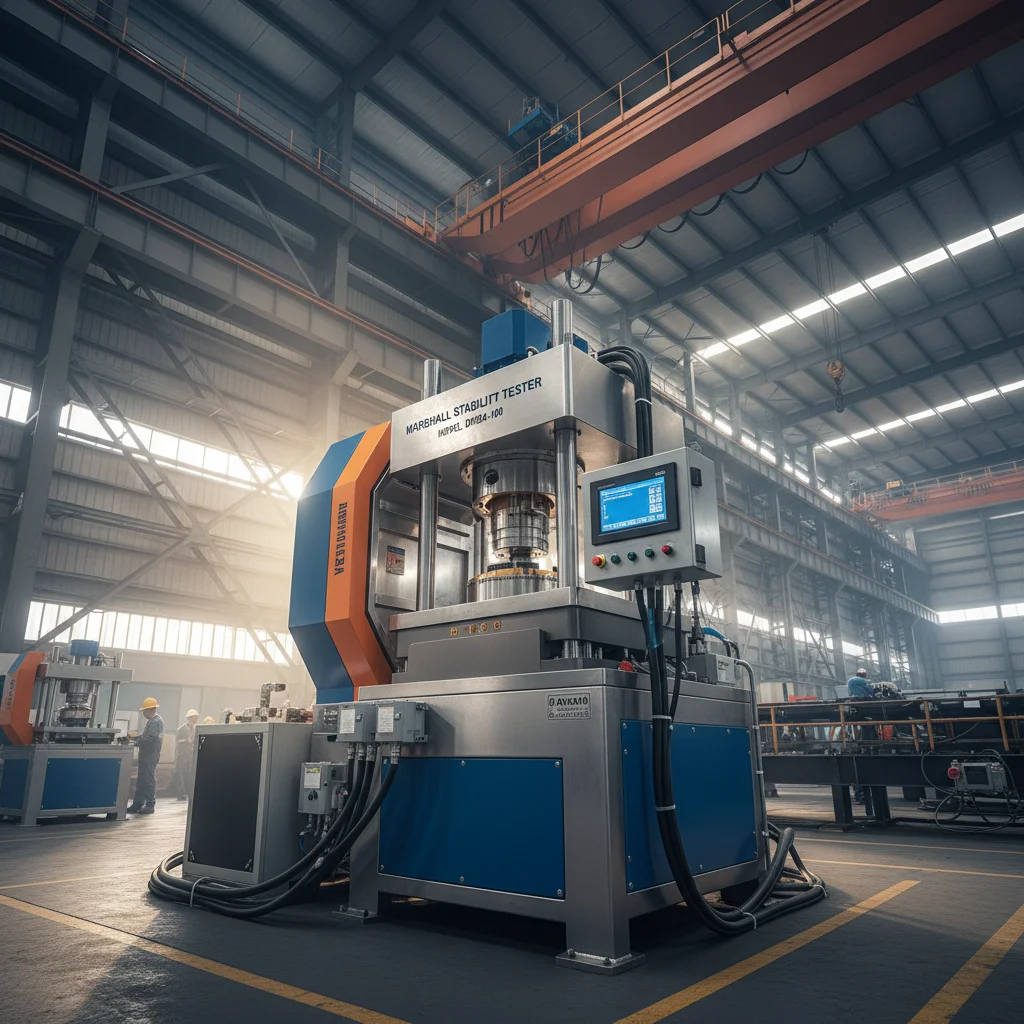
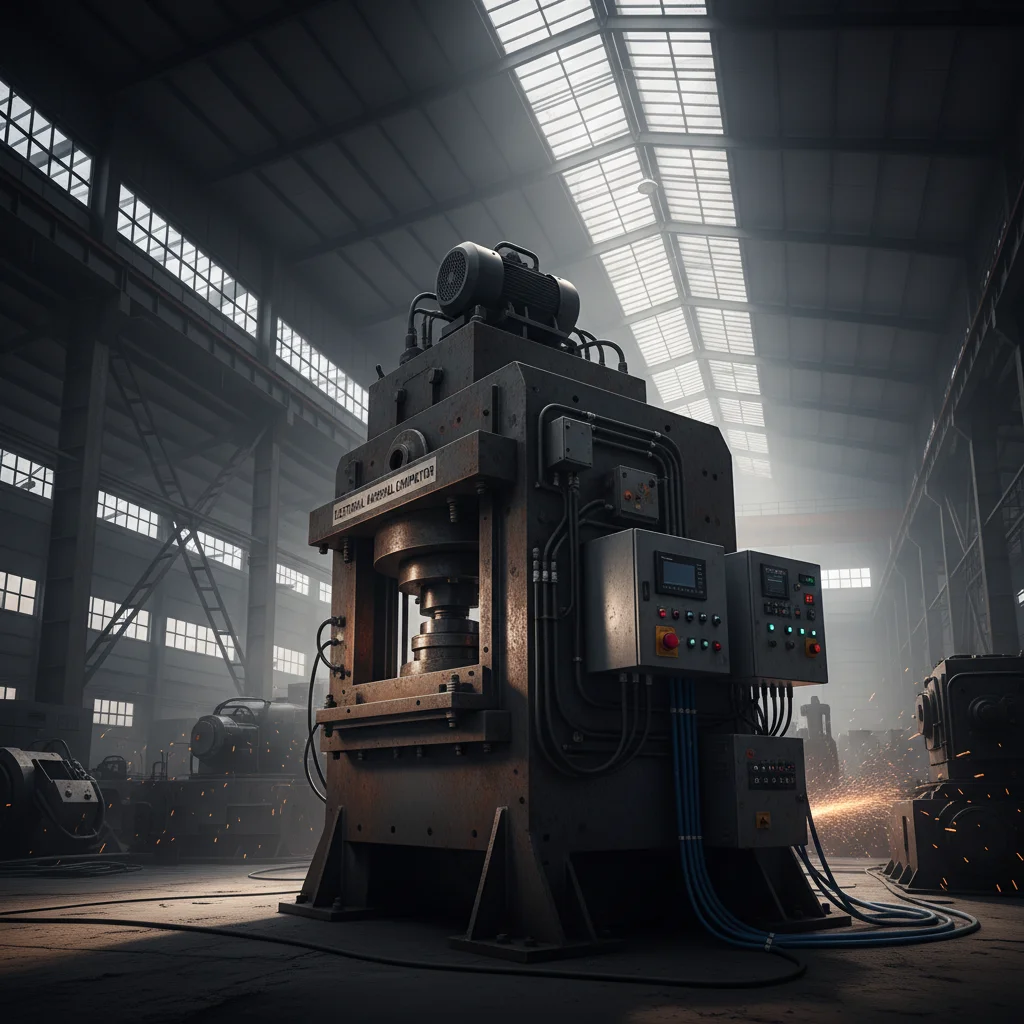
A typical CBR Soil Compactor system comprises several key components working in unison. These include a loading frame, a penetration piston (often with a diameter of 60mm), a load cell for measuring applied force, and a displacement sensor to track piston penetration.

More advanced systems integrate digital displays, data logging capabilities, and software for real-time data analysis and report generation. Some models feature automated compaction mechanisms, ensuring consistent and repeatable results.

CBR Soil Compactor Component Performance

Global Applications and Real-World Use Cases

The CBR Soil Compactor is employed in a diverse range of applications worldwide. In road construction, it’s essential for determining the required thickness of pavement layers. For building foundations, it ensures that the soil can support the structural loads without settling.

In post-disaster relief operations, rapid assessment of soil conditions is critical for establishing temporary access routes and stabilizing vulnerable areas. The portability and ease of use of modern systems make them ideal for these challenging environments. Similarly, in remote industrial zones, where laboratory testing facilities are limited, in-situ CBR testing provides a practical and cost-effective solution.

Advantages and Long-Term Value Proposition

Employing a CBR Soil Compactor delivers numerous tangible benefits. The most significant is cost reduction – accurately assessing soil strength minimizes material waste and prevents costly rework due to foundation failures. Furthermore, reliable compaction data enhances the longevity of infrastructure projects, reducing long-term maintenance expenses.

Beyond economic advantages, the use of this technology promotes safety and environmental sustainability. A properly compacted foundation ensures structural integrity, protecting lives and property. Reduced material consumption also minimizes the environmental footprint of construction projects. The trust instilled through rigorous testing builds confidence in the quality and durability of infrastructure.

The long-term value is clear: investment in CBR Soil Compactor technology pays dividends through increased project efficiency, reduced lifecycle costs, and a more resilient and sustainable built environment.

Future Trends and Innovations in CBR Soil Compaction

The field of soil compaction is constantly evolving. Emerging technologies include the integration of artificial intelligence (AI) and machine learning (ML) to analyze CBR data in real-time, predict soil behavior, and optimize compaction efforts. This will lead to increased automation and efficiency in the testing process.

Advancements in sensor technology are also enabling more precise and non-destructive measurements of soil properties. The development of lightweight, portable CBR Soil Compactor systems is expanding access to this technology in remote and challenging locations. The trend towards sustainable construction practices is driving the demand for eco-friendly compaction methods and materials.

The incorporation of digital twins and Building Information Modeling (BIM) will enable engineers to create virtual representations of infrastructure projects, integrating CBR data and simulations to optimize design and construction.

Summary of Challenges and Solutions in CBR Soil Compaction

Challenge Impact on CBR Measurement Proposed Solution Implementation Cost (1-10)
Variability in Soil Composition Inconsistent CBR values across a site. Increased sampling density & Geo-statistical analysis. 6
Operator Skill & Consistency Subjective data interpretation. Standardized training & automated data collection. 7
Moisture Content Fluctuations Significant changes in CBR value. Real-time moisture sensors & adjusted testing protocols. 5
Equipment Calibration Drift Inaccurate load & penetration measurements. Regular calibration checks & traceable standards. 4
Limited Access to Testing Locations Delays and increased project costs. Portable & lightweight CBR Soil Compactor systems. 8
Data Management & Analysis Difficulty in identifying trends & making informed decisions. Cloud-based data storage & advanced analytics software. 6

FAQS

What is the primary purpose of a CBR test?

The primary purpose of a CBR test is to determine the bearing capacity of soil, indicating its ability to support structural loads. This is vital for designing pavements, foundations, and other infrastructure elements. The test measures the resistance of a material to penetration, providing a relative strength value crucial for engineering calculations and ensuring long-term stability. The CBR Soil Compactor allows for efficient and accurate measurements.

How does moisture content affect CBR values?

Moisture content significantly impacts CBR values. Generally, as moisture content increases, the CBR value decreases, as the soil loses strength and becomes more susceptible to deformation. This is because water reduces the inter-particle friction within the soil. Accurate moisture content measurement is crucial during testing, and adjustments may be needed to account for its influence on the final results. A CBR Soil Compactor can support these measurements.

What are the key differences between laboratory and field CBR testing?

Laboratory CBR testing involves carefully prepared soil samples, providing controlled conditions, but may not perfectly represent in-situ soil conditions. Field CBR testing, using a CBR Soil Compactor, measures the soil strength directly in place, accounting for natural variations in density and moisture. Field testing is often preferred for large-scale projects, offering a more realistic assessment of the soil’s bearing capacity.

How often should CBR testing be performed during a construction project?

The frequency of CBR testing depends on the project's scope, soil variability, and regulatory requirements. Generally, testing should be performed before construction begins to establish baseline soil conditions. During construction, testing should be conducted at regular intervals, particularly after each layer of compaction, to ensure quality control and verify that the desired compaction levels are achieved. The CBR Soil Compactor streamlines this process.

What safety precautions should be taken when performing CBR testing?

Safety is paramount during CBR testing. Wear appropriate personal protective equipment (PPE), including safety glasses, gloves, and steel-toed boots. Ensure the testing area is clear of obstructions and that the equipment is properly maintained. Follow the manufacturer's instructions for operating the CBR Soil Compactor and be aware of potential hazards, such as unstable soil conditions.

How does the CBR value relate to pavement design?

The CBR value is a critical input in pavement design calculations. It's used to determine the required thickness of the pavement layers (subgrade, base course, and surface course). A higher CBR value indicates a stronger subgrade, allowing for thinner pavement layers and potentially reducing construction costs. Engineers utilize CBR values in conjunction with traffic loads and material properties to design pavements that can withstand anticipated stresses and provide a long service life.

Conclusion

In conclusion, the CBR Soil Compactor and the CBR testing methodology are indispensable tools in modern geotechnical engineering and construction. They provide crucial data for assessing soil strength, ensuring the stability and longevity of infrastructure projects, and optimizing construction processes. From road construction to foundation design, the accurate determination of CBR values is paramount for safety, cost-effectiveness, and sustainability.

Looking ahead, the integration of advanced technologies like AI, automation, and real-time data analytics will further enhance the capabilities of CBR testing. Investing in high-quality equipment, comprehensive training, and adherence to standardized testing procedures will be essential for maximizing the benefits of this technology. Visit our website at www.czlabinstrument.com to explore our range of CBR Soil Compactor solutions and learn how we can help you build a more resilient and sustainable future.

Ethan Turner

Ethan Turner

Ethan is the Marketing Director at Cangzhou Jiujiang, focusing on expanding the brand's presence in North America. With over a decade of experience in outdoor apparel marketing, Ethan leverages his knowledge to promote the company’s PU rainwear, emphasizing its BSCI and GRS certifications.

Previous Proctor CBR Soil Compactor Importance in Modern Geotechnical Engineering
Next Comprehensive Guide to Manual Soil Compactor Applications and Effectiveness
Leave Your Message

If you are interested in our products, you can choose to leave your information here, and we will be in touch with you shortly.