
Understanding Drying Chambers: A Comprehensive Guide
Drying chambers are essential equipment in a wide range of industries, from pharmaceuticals and food processing to materials science and manufacturing. These controlled environments facilitate the removal of moisture from materials, ensuring product quality, extending shelf life, and enabling specific production processes. This article will explore the principles behind drying chambers, their various types, applications, and key considerations for choosing the right system for your needs. A properly selected and maintained drying chamber can significantly improve efficiency and product consistency.
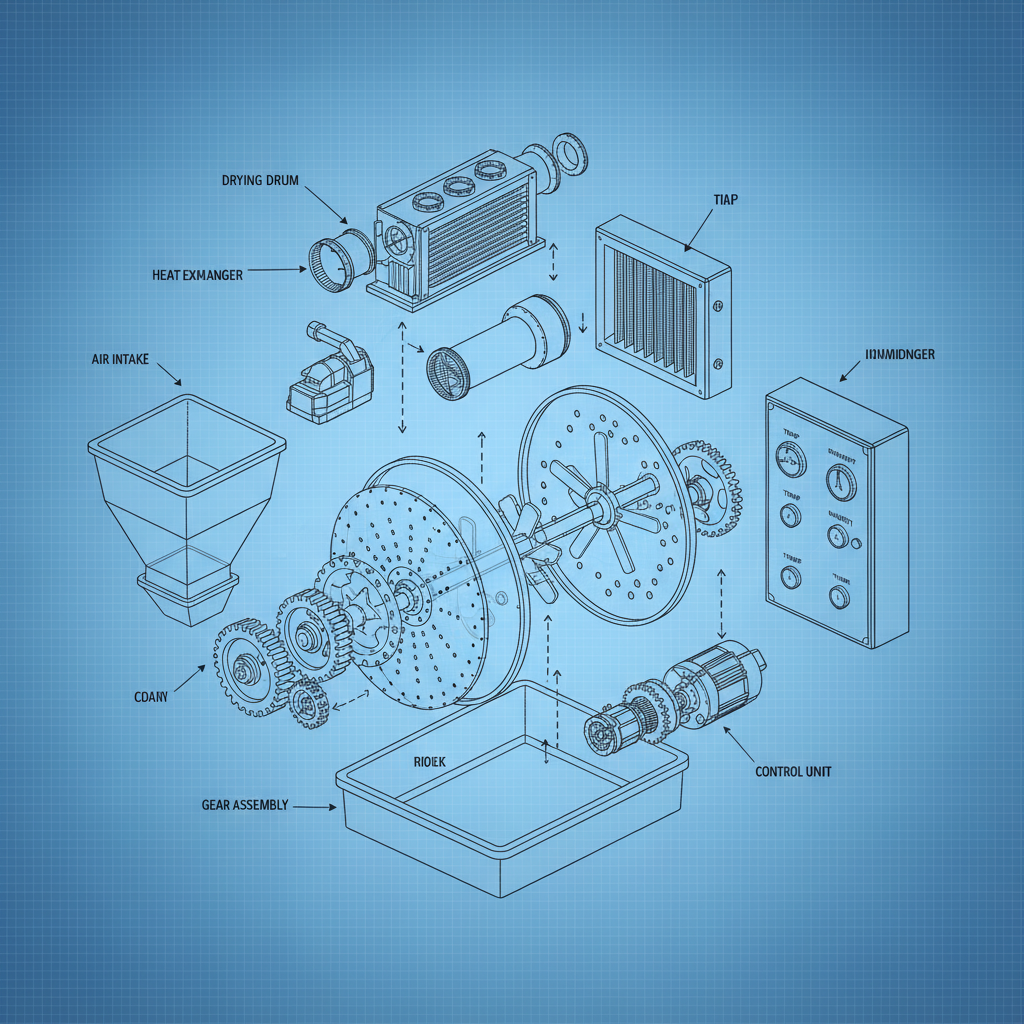
What is a Drying Chamber and How Does it Work?
A drying chamber is an enclosed, temperature-controlled environment designed to remove moisture from a substance, typically a solid, liquid, or semi-solid. The process involves applying heat and controlling humidity to promote evaporation. The evaporated moisture is then removed from the chamber through ventilation. Different types of drying chambers utilize different heating methods and airflow patterns to optimize the drying process for specific materials and applications. This controlled environment is crucial for maintaining the integrity and quality of the product being dried. For example, certain pharmaceutical ingredients require precise temperature and humidity control to prevent degradation.
Key Benefits: Ensures product quality, extends shelf life, enables specific production processes, and offers precise control over drying parameters.
Types of Drying Chambers
Drying chambers come in several varieties, each suited to different applications and materials. Some common types include:
- Tray Dryers: Utilize stacked trays to hold the material being dried. Simple and versatile.
- Fluid Bed Dryers: Suspend particles in a stream of hot air, providing rapid and uniform drying.
- Vacuum Drying Chambers: Reduce the boiling point of liquids by lowering the pressure, enabling drying at lower temperatures. Ideal for heat-sensitive materials.
- Spray Dryers: Atomize liquid into a spray, which is then dried by hot air. Used for producing powders.
- Rotary Dryers: Employ a rotating drum to tumble and dry materials. Commonly used for granular materials.
Choosing the appropriate type depends on factors like the material's characteristics, desired drying rate, and temperature sensitivity.
Key Drying Methods:
• Convective Drying: Uses hot air to carry away moisture.
• Conductive Drying: Transfers heat through direct contact.
• Radiative Drying: Employs infrared radiation for heating.
• Vacuum Drying: Reduces pressure to lower boiling point.
Drying Chamber Applications Across Industries
Drying chambers are integral to numerous industries. In the pharmaceutical sector, they are used for drying APIs (Active Pharmaceutical Ingredients) and excipients. The food industry relies on them for preserving fruits, vegetables, and creating powdered products like milk and coffee. In materials science, drying chambers play a role in preparing samples for analysis and manufacturing ceramics. The chemical industry uses them for drying salts, polymers, and other compounds. Furthermore, the electronics industry utilizes drying chambers to remove moisture from PCBs (Printed Circuit Boards) before soldering.
Key Considerations When Choosing a Drying Chamber
Selecting the right drying chamber involves considering several factors. These include the type of material being dried, the desired drying rate, temperature requirements, batch size, and budget. Factors like temperature uniformity, humidity control, and airflow patterns are also crucial. The chamber’s construction materials should be compatible with the materials being dried to prevent contamination. Finally, consider the ease of maintenance and cleaning. A high-quality drying chamber will be a reliable asset for your operation.
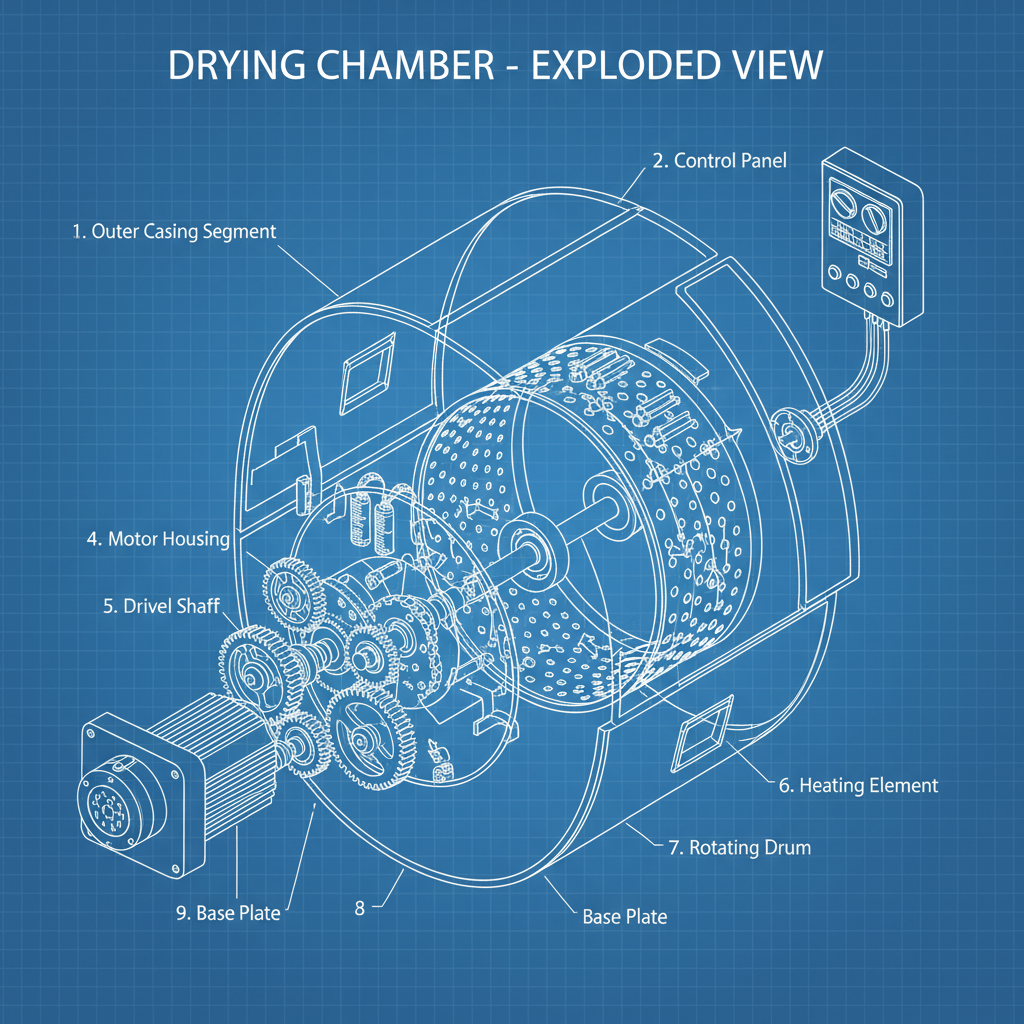
Product Specifications & Selection at CZ Lab Instrument
CZ Lab Instrument offers a diverse range of drying chambers tailored to meet various industrial needs. Here's a quick overview of typical specifications:
Conclusion: Optimizing Your Processes with the Right Drying Chamber
Selecting the appropriate drying chamber is a critical investment for businesses across a multitude of industries. CZ Lab Instrument provides high-quality, reliable solutions tailored to your specific needs. By carefully considering your application, material characteristics, and budget, you can ensure optimal performance, product quality, and long-term success. Don’t hesitate to explore our range of drying chambers and contact our experts for guidance.
Frequently Asked Questions (FAQs)
What factors influence the drying rate in a chamber?
Several factors impact the drying rate, including temperature, humidity, airflow velocity, and the surface area of the material being dried. Higher temperatures generally increase the drying rate, but it's crucial to avoid damaging the material. Lower humidity also promotes faster drying. Effective airflow ensures consistent heat distribution and removal of moisture-laden air. Increasing the surface area exposed to the drying environment, for example by using smaller particles or thinner layers, can also accelerate the process. Proper ventilation is essential to remove the evaporated moisture from the chamber.
How do I maintain a drying chamber to ensure its longevity?
Regular maintenance is vital for extending the life of a drying chamber. This includes cleaning the chamber after each use to prevent contamination and corrosion. Inspecting the heating elements, seals, and ventilation system regularly is crucial. Check for any signs of wear or damage and replace components as needed. Calibrate the temperature and humidity sensors periodically to ensure accuracy. Following the manufacturer’s instructions for maintenance and cleaning is essential. A well-maintained chamber will operate efficiently and reliably for years.
What safety precautions should be taken when operating a drying chamber?
Safety is paramount when operating a drying chamber. Always wear appropriate personal protective equipment (PPE), such as gloves and eye protection. Ensure the chamber is properly ventilated to prevent the buildup of flammable vapors. Never overload the chamber, as this can impede airflow and create a safety hazard. Be mindful of hot surfaces and avoid contact. Follow all manufacturer’s safety guidelines and operating procedures. Regularly inspect the chamber for any potential hazards and address them promptly.
Can drying chambers be used with flammable materials?
Using drying chambers with flammable materials requires extreme caution and specific safety measures. It’s crucial to use a chamber designed for flammable substances, often with explosion-proof components and proper ventilation systems. The chamber should be equipped with temperature controls to prevent overheating and ignition. All safety guidelines must be meticulously followed, and personnel must be thoroughly trained in handling flammable materials. It is highly recommended to consult with a safety professional before drying flammable materials in any chamber.
Related Posts
-
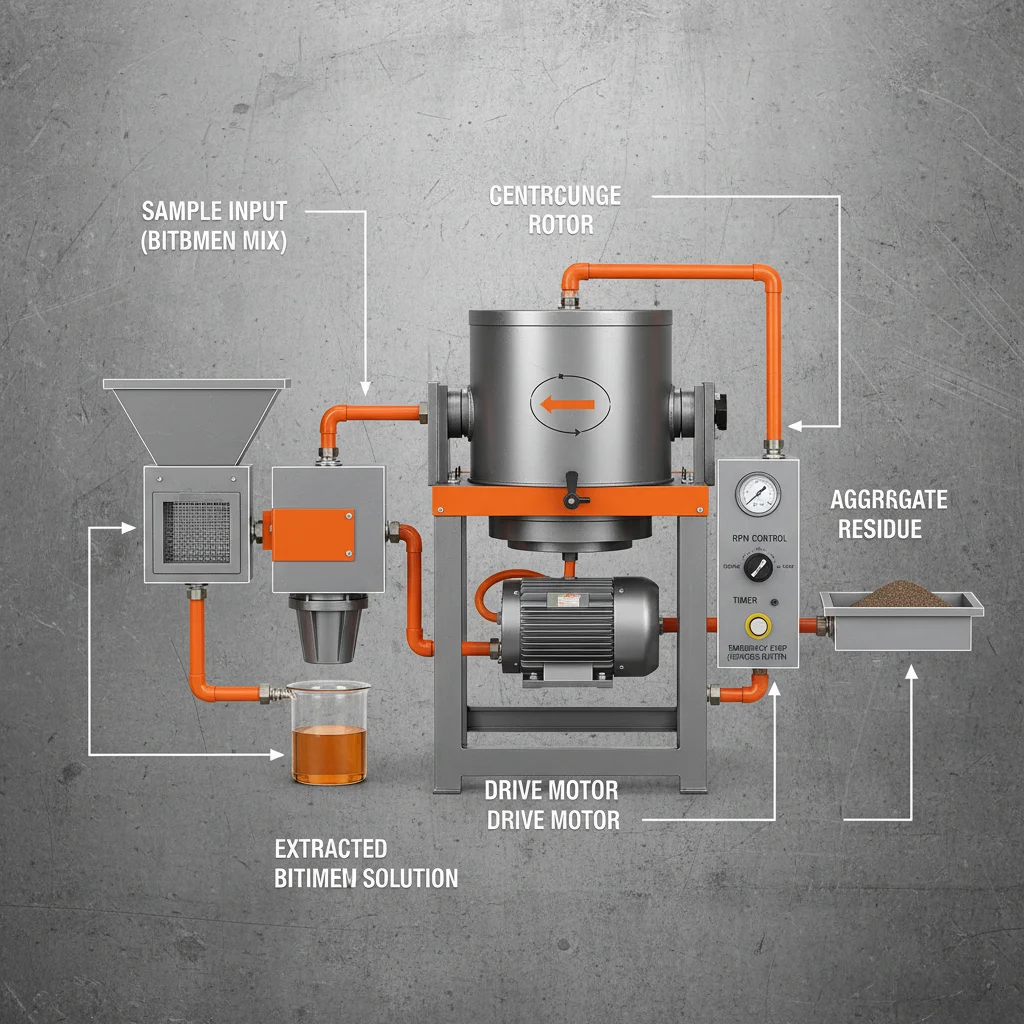
Advancing Road Infrastructure with the Bitumen Centrifuge Extraction Tester
-
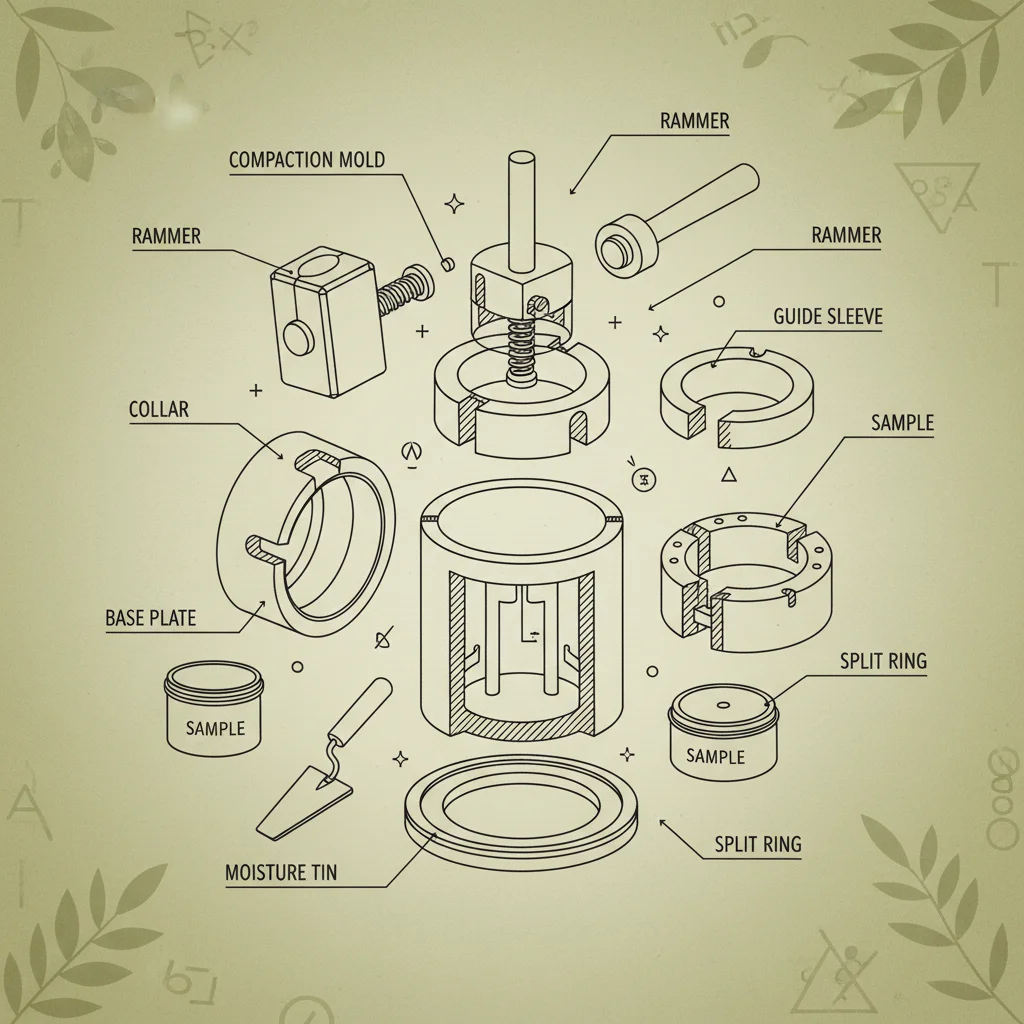
Optimizing Construction Foundations with Geotechnical laboratory compaction apparatus
-
Advancements in Automatic Proctor CBR Compactors for Soil Testing and Infrastructure Development
-
Digimatic Marshall Stability Test Machine