The need for effective and reliable soil compaction is globally significant, impacting infrastructure development, agricultural productivity, and disaster relief efforts. A Manual Soil Compactor provides a cost-effective and readily deployable solution, particularly in regions with limited access to heavy machinery or power sources. Understanding its principles and applications is crucial for engineers, construction workers, agricultural professionals, and humanitarian organizations alike.
The efficiency of construction projects, the stability of roadways, and the success of agricultural endeavors heavily rely on properly compacted soil. The versatility of a Manual Soil Compactor makes it an invaluable tool for diverse applications ranging from small-scale residential projects to large-scale infrastructure developments in challenging terrains. This compacting method contributes to enhanced durability and longevity of structures.
In an era increasingly focused on sustainable practices, the relative simplicity and lower environmental impact of manual compaction offer a compelling alternative to energy-intensive mechanized methods. The widespread availability and ease of use of a Manual Soil Compactor enable localized solutions and empower communities to build and maintain their infrastructure with limited resources.
The Significance of Manual Soil Compaction
Manual soil compaction addresses a fundamental need in construction and land management: ensuring ground stability. Globally, billions of dollars are invested annually in infrastructure projects that rely on effective soil preparation. Without adequate compaction, structures are susceptible to settlement, cracking, and ultimately, failure. Utilizing a Manual Soil Compactor offers a practical solution where large-scale machinery is impractical or unavailable.
The UN estimates that approximately 1.6 billion people worldwide live in inadequate housing. A robust foundation, often achieved through manual compaction techniques, is paramount in creating safe and durable shelters, particularly in disaster-prone regions or areas with limited resources. This process is not simply about building; it’s about providing security and stability to communities in need.
Defining Manual Soil Compaction
Manual soil compaction refers to the process of increasing the density of soil by applying force with hand-operated tools, such as hand tampers, plate compactors, or rollers. Unlike mechanized compaction, it relies on human power and does not require external energy sources. The goal is to reduce air voids within the soil, increasing its load-bearing capacity and stability.
This technique is intrinsically linked to both traditional building practices and contemporary humanitarian efforts. Historically, manual compaction has been the cornerstone of construction in many cultures, leveraging locally available materials and skills. Today, it remains a critical element in fast-deployment housing initiatives, emergency infrastructure repair, and sustainable building projects.
The application of a Manual Soil Compactor extends beyond construction. It’s used in landscaping, gardening, agricultural preparation, and even archaeological site preservation, showcasing its versatility across diverse fields.
Core Components and Operating Principles
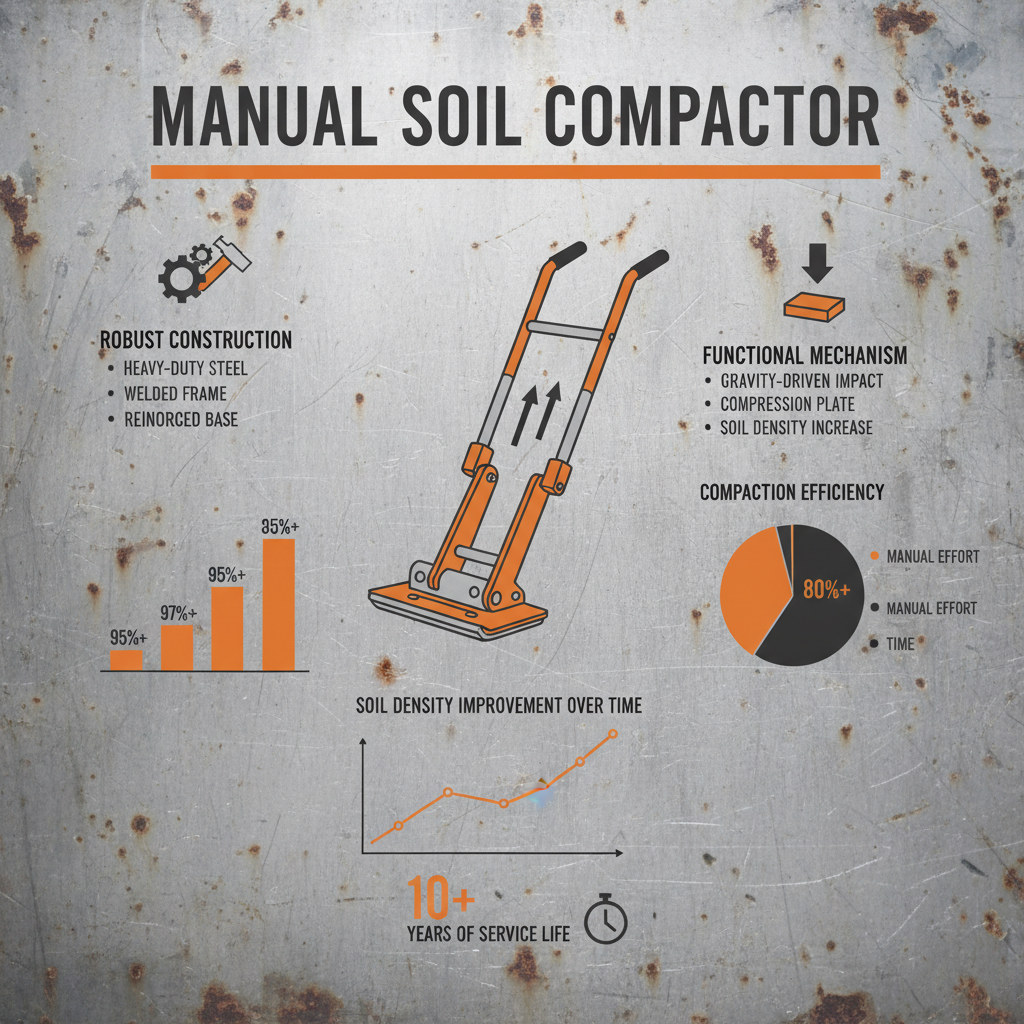
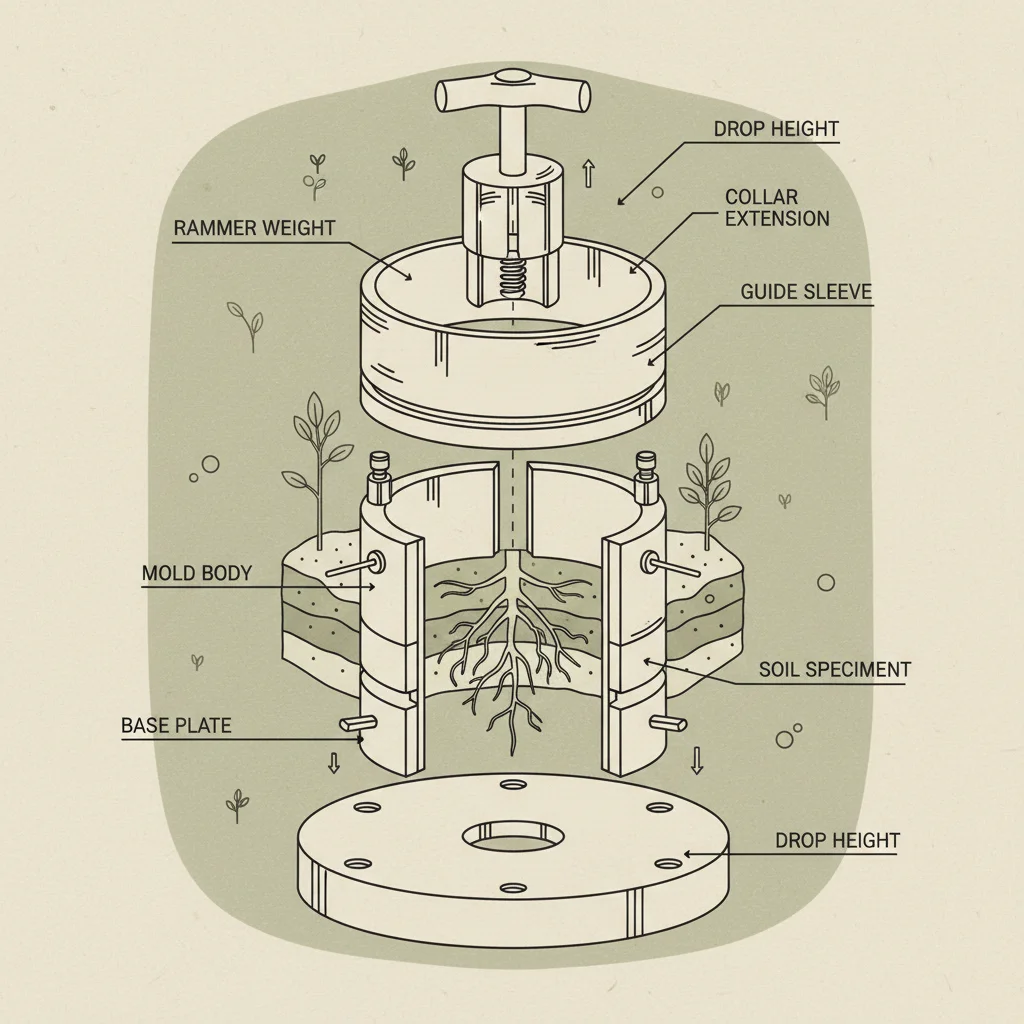
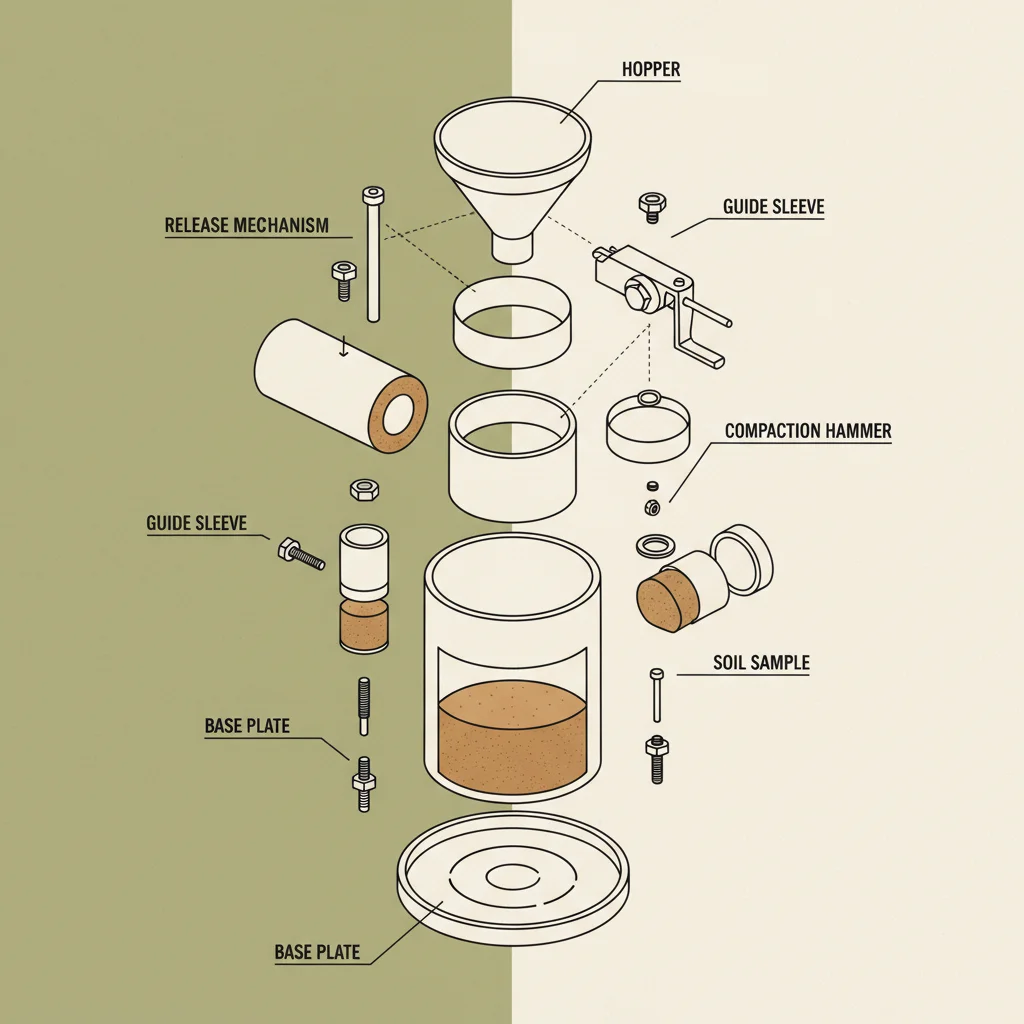
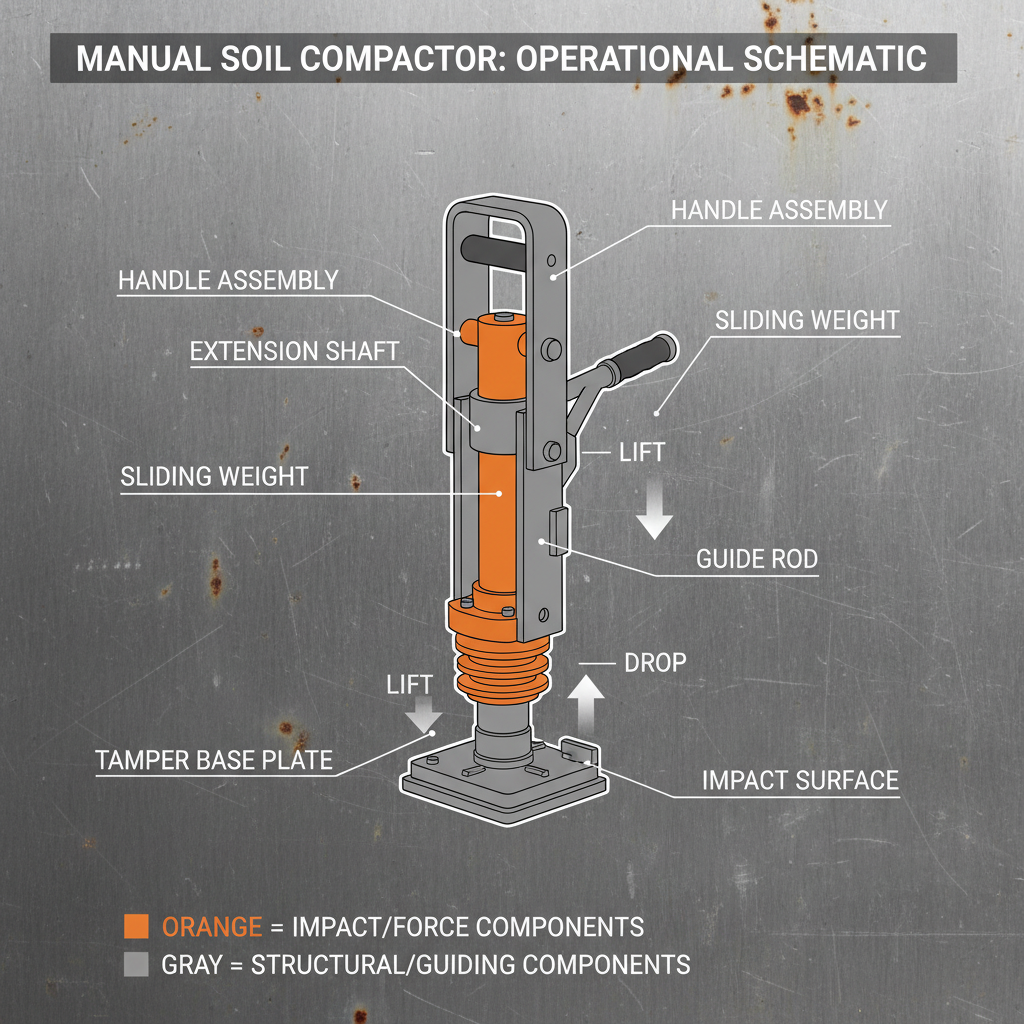
At its core, manual soil compaction relies on the principles of kinetic energy transfer. A Manual Soil Compactor transfers force from the operator to the soil, reducing air pockets and increasing particle density. The primary components usually consist of a base plate (for plate compactors), a tamping foot (for hand tampers), or a roller, designed to maximize contact area and impact force.
Different types of manual compactors cater to specific soil types and project requirements. Hand tampers are ideal for localized compaction in trenches or around obstacles. Plate compactors are effective for larger areas, providing a uniform compaction force. Rollers, while more physically demanding, offer superior compaction for extensive surfaces like pathways or building foundations. The choice of tool significantly impacts the final density and quality of the compacted soil.
The effectiveness of manual compaction isn't solely reliant on the tool itself, but also on proper technique. Factors such as lift height, impact force, and overlap between passes play critical roles in achieving optimal results. Training and adherence to best practices are essential for ensuring consistent and reliable compaction.
Key Factors Influencing Compaction Effectiveness
Several key factors directly influence the success of manual soil compaction. Soil type is paramount – sandy soils compact differently than clay-rich soils, requiring varied techniques. Moisture content is also critical; optimal compaction occurs within a specific moisture range. Too dry, and the particles won’t bind; too wet, and the soil becomes unstable.
The layer thickness of the soil being compacted plays a significant role. Compacting excessively thick layers results in uneven density and reduced effectiveness. Multiple passes with a Manual Soil Compactor are usually necessary to achieve the desired level of compaction, and the number of passes directly relates to the project’s structural requirements.
Manual Soil Compactor Effectiveness by Soil Type
Global Applications and Diverse Use Cases
Manual soil compaction is utilized extensively in developing nations for building foundations for homes and community structures. In post-disaster relief operations, a Manual Soil Compactor is frequently deployed to quickly prepare sites for temporary shelters and sanitation facilities, providing essential support to affected populations.
Remote industrial zones, lacking access to power grids, often rely on manual compaction techniques for constructing access roads, equipment pads, and work areas. Agricultural applications include leveling fields, creating planting beds, and establishing drainage systems, contributing to increased crop yields and sustainable farming practices.
Advantages and Long-Term Value Proposition
The primary advantage of a Manual Soil Compactor lies in its cost-effectiveness. It eliminates the need for expensive machinery and fuel, making it accessible to communities with limited budgets. Furthermore, it’s environmentally friendly, producing minimal emissions and reducing reliance on fossil fuels.
From a social impact perspective, manual compaction empowers local communities by providing employment opportunities and fostering self-sufficiency. It promotes dignity and resilience, enabling people to take control of their living conditions and rebuild their lives. Reliability is also key; these tools require minimal maintenance and can function in virtually any environment.
Future Trends and Emerging Innovations
Ongoing research focuses on improving the ergonomic design of manual compaction tools, reducing operator fatigue and enhancing efficiency. The development of more durable and lightweight materials is another key area of innovation, aimed at extending the lifespan of these tools and making them easier to transport.
Integration of smart technology, such as sensors that measure compaction levels and provide real-time feedback, could significantly enhance the quality and consistency of results. Sustainable material sourcing and closed-loop manufacturing processes are gaining traction, aligning with broader environmental goals.
The rise of modular construction and prefabricated building components is also driving demand for reliable and efficient manual compaction techniques to prepare foundations and site areas.
Challenges and Solutions
A significant challenge associated with manual soil compaction is the physical exertion required, potentially leading to operator fatigue and reduced productivity. Addressing this requires ergonomic tool design and implementation of work rotation schedules to minimize strain.
Ensuring consistent compaction quality across large areas can also be difficult without proper training and supervision. Establishing clear standards, providing comprehensive training programs, and implementing quality control checks are essential for mitigating this risk.
Finally, accurately assessing compaction levels without specialized equipment remains a challenge. Developing simple, affordable field tests to verify compaction density would significantly improve project outcomes.
Summarizing Core Challenges and Potential Solutions for Manual Soil Compaction
| Challenge |
Impact on Project |
Proposed Solution |
Implementation Cost (USD) |
| Operator Fatigue |
Reduced Productivity, Lower Quality |
Ergonomic Tool Design & Work Rotation |
$50 - $200 |
| Inconsistent Compaction |
Structural Instability, Premature Failure |
Comprehensive Training Programs |
$100 - $500 |
| Lack of Compaction Verification |
Uncertainty of Foundation Integrity |
Development of Simple Field Tests |
$200 - $1000 (R&D) |
| Soil Type Variability |
Uneven Compaction, Reduced Stability |
Adjusted Techniques Per Soil Type |
$50 - $150 (Training) |
| Limited Tool Availability |
Project Delays, Increased Costs |
Local Tool Production/Rental Programs |
$300 - $2000 (Setup) |
| Insufficient Moisture Control |
Poor Particle Binding, Reduced Density |
Soil Moisture Testing & Adjustment |
$20 - $100 (Testing Equipment) |
FAQS
Manual soil compaction relies on human power, making it ideal for areas with limited access to electricity or fuel. It's typically less expensive upfront but requires more labor. Mechanized compaction utilizes heavy machinery for faster and more consistent results, but comes with higher costs and environmental impacts. Choosing between the two depends on project scale, budget, and accessibility.
The required compaction level depends on the intended use of the soil. Generally, clay soils require higher compaction than sandy soils. Soil testing, either through professional services or simple field tests, can help determine the optimal moisture content and compaction density. A Manual Soil Compactor can then be used to achieve the desired results, with multiple passes often required.
Always wear appropriate safety gear, including sturdy boots, gloves, and eye protection. Ensure the work area is clear of obstacles. Lift with your legs, not your back, to avoid injuries. Take frequent breaks to prevent fatigue. Proper training on the correct operation of the Manual Soil Compactor is also crucial for safe and effective use.
Moisture content significantly influences compaction. Soil that is too dry will not bind together effectively, resulting in low density. Soil that is too wet becomes unstable and difficult to compact. The optimal moisture content, known as the Proctor optimum, allows for maximum density. Simple field tests, such as the squeeze test, can help determine if the moisture level is appropriate.
While typically more suited for smaller projects, manual soil compaction can be effectively used in large-scale projects by dividing the work into manageable sections and utilizing a team of workers. It's often employed in conjunction with mechanized methods, particularly in areas inaccessible to heavy machinery. Strategic planning and coordination are essential for successful implementation.
With proper care and maintenance, a Manual Soil Compactor can last for many years. Regular cleaning, lubrication of moving parts, and storage in a dry environment are essential. Replacing worn components, such as the base plate or tamping foot, will also extend its lifespan. High-quality construction and durable materials contribute to its longevity.
Conclusion
Manual soil compaction remains a vital technique across a diverse range of applications, from construction and agriculture to disaster relief and humanitarian aid. Its cost-effectiveness, environmental friendliness, and accessibility make it an invaluable tool, particularly in resource-constrained settings. By understanding the core principles, influencing factors, and emerging innovations, we can optimize its effectiveness and maximize its long-term benefits.
Investing in training programs, promoting the development of ergonomic tools, and exploring the integration of smart technologies will further enhance the value of manual soil compaction. A continued focus on sustainable practices and community empowerment will ensure its relevance for generations to come. To learn more about our range of robust and reliable soil compaction tools, visit our website: www.czlabinstrument.com.