
The Marshall Stability Test Apparatus plays a crucial role in ensuring the quality and durability of asphalt mixtures used in road construction. This apparatus is instrumental in determining the resistance of a compacted bituminous mixture to deformation under the load of a moving vehicle. Understanding its functionality and proper application is paramount for civil engineers, road construction companies, and material scientists globally, impacting infrastructure development and longevity. The benefits of employing a reliable Marshall Stability Test Apparatus include improved road safety, reduced maintenance costs, and enhanced overall pavement performance.
Globally, the demand for robust and long-lasting road infrastructure continues to rise, fueled by increasing urbanization and economic growth. The United Nations Sustainable Development Goal 9 focuses on building resilient infrastructure, and the Marshall Stability Test is a cornerstone in achieving this goal. The World Bank consistently emphasizes the importance of quality control in infrastructure projects, and this test is a vital component of that process. ISO standards further validate the need for accurate and repeatable testing methods like those provided by this apparatus.
The Marshall Stability Test Apparatus is a laboratory device used to measure the resistance of a cylindrical specimen of asphalt paving mixture to rutting caused by the passage of wheel loads. The test determines the maximum load a specimen can bear before it yields. This value, known as the Marshall Stability, is a key indicator of the mixture's strength and suitability for use in road construction. It’s a standard procedure essential in modern road building, ensuring compliance with safety regulations and long-term road integrity, addressing critical humanitarian needs for safe transportation.

Introduction to Marshall Stability Testing
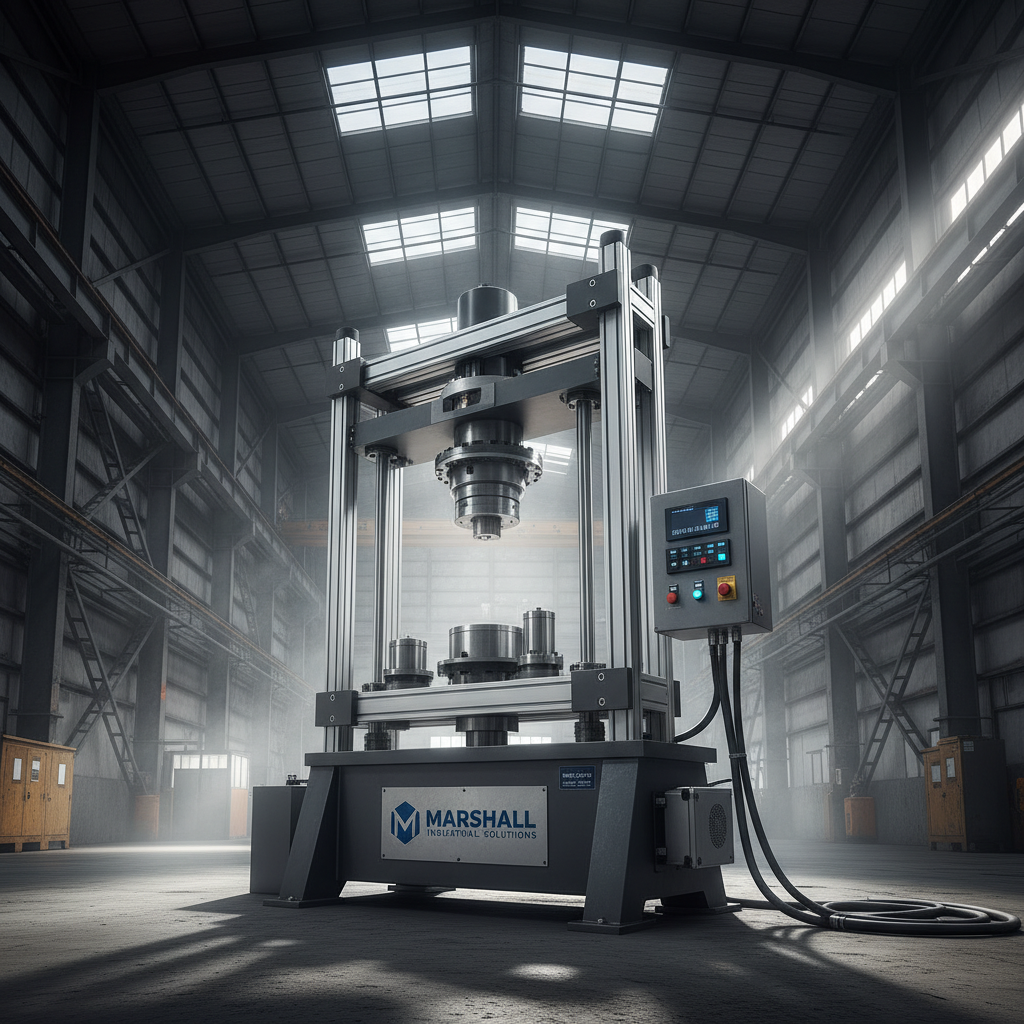
The Marshall Stability Test, developed by Bruce Marshall in the 1940s, remains a foundational method for evaluating asphalt pavement mixtures. Its enduring relevance stems from its simplicity, repeatability, and its ability to predict the performance of pavements under traffic loads. The Marshall Stability Test Apparatus provides a standardized framework for conducting this vital test, ensuring consistent results across different laboratories and projects.
The significance of accurate Marshall Stability testing cannot be overstated. It directly influences the design and construction of roads, highways, and airport runways, contributing to safer and more durable infrastructure. By quantifying the load-carrying capacity of asphalt mixtures, engineers can optimize material compositions and construction techniques, ultimately reducing the lifecycle costs of pavement assets.
FAQS
The primary purpose is to evaluate the structural capacity of asphalt paving mixtures, specifically their resistance to rutting and deformation under vehicular traffic. It allows engineers to determine the optimal mix design for creating durable and long-lasting road surfaces, ensuring safety and minimizing maintenance needs. The test result is a crucial factor in pavement design and quality control, helping predict long-term performance.
To maintain accurate and reliable results, the Marshall Stability Test Apparatus, particularly the proving ring, should be calibrated at least annually, or more frequently if it's subject to heavy use. Regular calibration ensures that the load measurements are precise and traceable to national or international standards, guaranteeing the validity of the testing data. It's crucial to document all calibration procedures.
The most commonly followed standards are ASTM D693 (Standard Test Method for Resistance of Cohesive Soil to Shear) and AASHTO T 245 (Standard Method of Testing Asphalt Mixtures by Means of the Marshall Apparatus). These standards outline the precise procedures for specimen preparation, testing parameters, and data analysis, ensuring consistency and comparability of results across different laboratories and projects. Adherence to these standards is critical for quality control.
Several factors can influence the results, including the temperature during testing, the degree of specimen compaction, the aggregate gradation, the asphalt content, and the testing speed. Maintaining strict control over these variables is essential for obtaining accurate and reliable results. Proper specimen preparation and adherence to standardized procedures are key to minimizing variability and ensuring the validity of the test.
While the Marshall Stability Test is widely used, it’s most commonly applied to conventional hot-mix asphalt (HMA) mixtures. It may not be as suitable for specialized mixtures, such as polymer-modified asphalt or warm-mix asphalt, which require alternative testing methods to accurately assess their performance characteristics. Supplemental testing is often required to fully characterize these types of mixtures.
The Marshall Quotient (Stability / Flow) is a crucial parameter in asphalt mixture design. It provides a comprehensive indication of the pavement’s resistance to both permanent deformation (flow) and failure (stability). A higher Marshall Quotient generally indicates a more durable and resilient asphalt mixture, capable of withstanding traffic loads and environmental stresses. It aids in selecting the optimal asphalt content and mix design for long-term performance.
Conclusion
The Marshall Stability Test Apparatus remains an indispensable tool for ensuring the quality and durability of asphalt pavements worldwide. Its ability to accurately assess the structural capacity of asphalt mixtures is paramount for building resilient infrastructure and minimizing lifecycle costs. From enhancing road safety to promoting sustainable construction practices, the benefits of employing this apparatus are far-reaching and impactful.
Investing in high-quality testing equipment and prioritizing adherence to standardized testing procedures are crucial for achieving optimal pavement performance. Continued innovation in materials science and testing technologies will further refine the Marshall Stability Test and enhance our ability to design and construct more durable and sustainable road networks for the future.
Related Posts
-

Comprehensive Guide to Bitumen Stability Tester and Asphalt Quality Control
-
Advancements in Road Infrastructure with Digital Automatic Marshall Compactor
-
Comprehensive Guide to the California Bearing Ratio Test Apparatus and Its Applications
-

Comprehensive Guide to Universal Material Testing Machine Applications and Advancements