
The Digital Automatic Marshall Compactor represents a significant advancement in road construction and material testing. Its ability to consistently and accurately compact asphalt mixtures is crucial for ensuring the longevity and safety of roadways globally. Understanding its principles and applications is paramount for civil engineers, construction professionals, and researchers alike, as it directly impacts infrastructure development and maintenance.
Worldwide, infrastructure development is accelerating, particularly in emerging economies. This growth necessitates reliable and efficient testing equipment to guarantee quality control. The Digital Automatic Marshall Compactor addresses the need for standardized and reproducible compaction procedures, minimizing variability and reducing the risk of premature road failure. Statistical data from the World Bank indicates that inadequate road infrastructure costs developing nations billions annually in lost productivity and repair expenses, highlighting the critical role of robust testing methodologies.
The Digital Automatic Marshall Compactor isn't merely a laboratory instrument; it’s a foundational tool for building resilient infrastructure. Its precision ensures adherence to stringent international standards (ISO, ASTM), making it an indispensable asset in ensuring safe, durable, and cost-effective road construction projects across diverse geographical locations. Proper utilization of this equipment leads to significant long-term benefits for communities and economies worldwide.
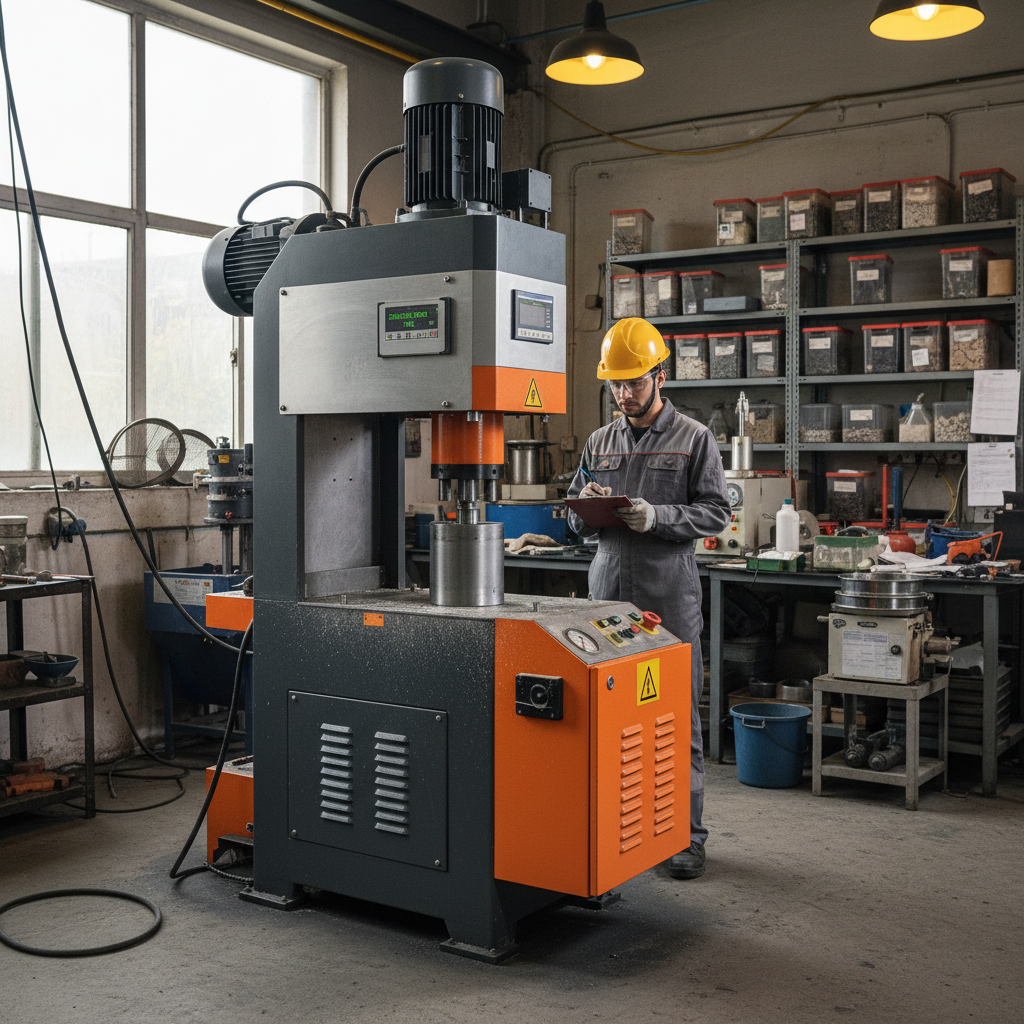
Introduction to Digital Automatic Marshall Compactor
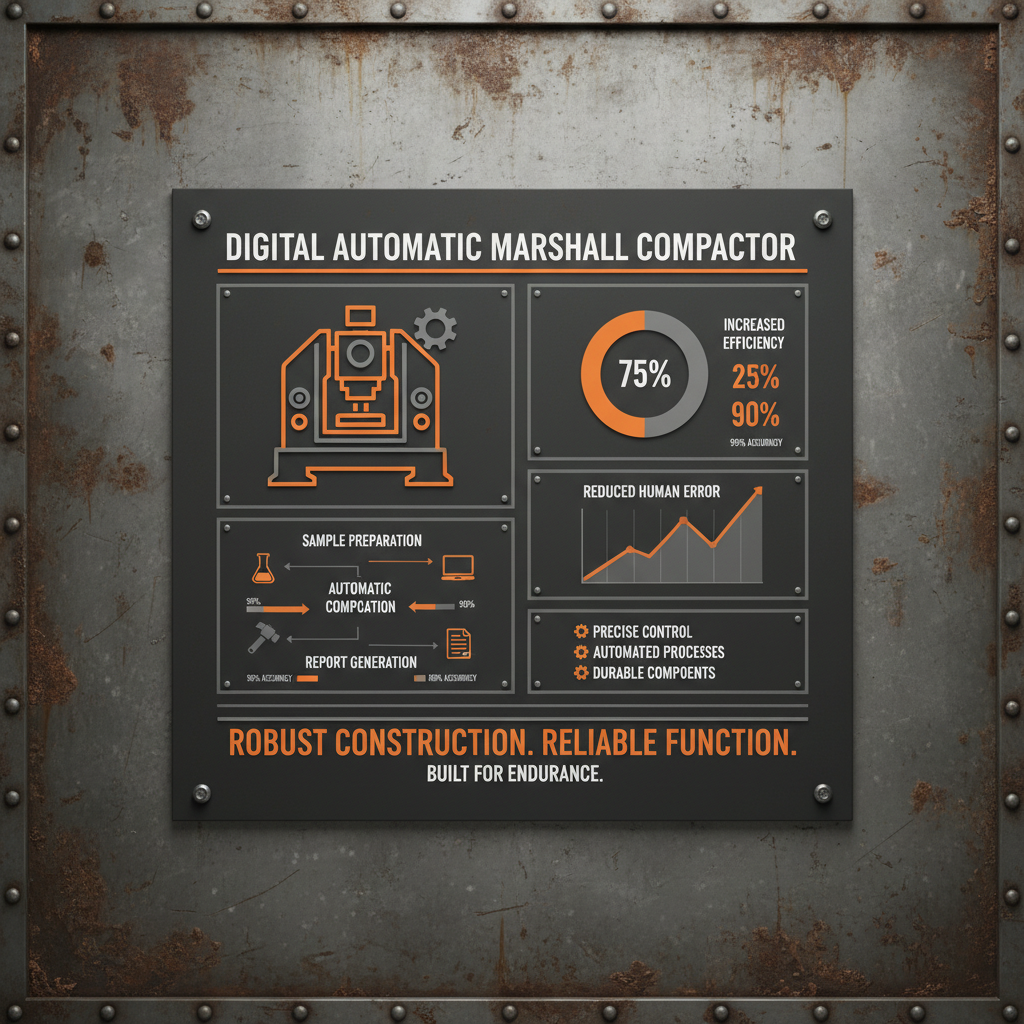
The Digital Automatic Marshall Compactor has revolutionized asphalt compaction testing, moving beyond manual methods to offer precise control and repeatable results. This has profound implications for road quality, safety, and long-term maintenance costs, impacting infrastructure projects worldwide.
Its automated functionality eliminates human error, leading to greater consistency in compaction force and frequency. This feature is particularly vital for adhering to strict construction specifications and ensuring that road surfaces can withstand heavy traffic loads and varying environmental conditions. Digital Automatic Marshall Compactor is therefore a cornerstone of modern road building.
FAQS
The primary difference lies in control and reproducibility. A digital compactor offers precise, computer-controlled compaction parameters (hammer weight, drop height, blows), minimizing human error and ensuring consistent results. Manual compactors rely on operator skill, leading to potential variations. Digital compactors also provide data logging and analysis capabilities, invaluable for quality control and documentation.
Calibration should be performed at least annually, or more frequently if the instrument is heavily used or subjected to significant environmental changes. Regular calibration ensures the accuracy of the compaction force and drop height, vital for obtaining reliable test results. Many manufacturers recommend a specific calibration procedure outlined in the equipment’s manual.
These compactors typically adhere to ASTM D698 and AASHTO T240 standards for compaction of bituminous mixtures. Compliance with these standards ensures that the compaction process meets recognized industry requirements for asphalt testing, ensuring consistent material performance and quality assurance across projects.
With proper maintenance and care, a high-quality Digital Automatic Marshall Compactor can have a lifespan of 10-15 years or more. Regular servicing, including lubrication, cleaning, and replacement of worn parts, is crucial for maximizing its longevity. Choosing a reputable manufacturer known for durable construction also contributes to a longer lifespan.
Comprehensive training is essential. Operators should be thoroughly familiar with the equipment's operation, calibration procedures, data analysis, and relevant testing standards (ASTM/AASHTO). Many manufacturers offer on-site training programs, while some institutions provide specialized courses in asphalt testing techniques.
By ensuring accurate and consistent compaction, the Digital Automatic Marshall Compactor helps to produce more durable roads that require less frequent maintenance and repair. This reduces material consumption, lowers lifecycle costs, and minimizes the environmental impact associated with road construction, aligning with sustainable infrastructure principles.
Conclusion
In summary, the Digital Automatic Marshall Compactor represents a crucial advancement in asphalt testing technology, offering unparalleled precision, reproducibility, and data analysis capabilities. Its adoption is pivotal in ensuring the quality, safety, and longevity of road infrastructure globally. From optimizing material properties to reducing construction costs and promoting sustainable practices, its benefits are far-reaching and impact communities worldwide.
Looking ahead, continued innovation in this field will focus on further automation, integration with digital platforms, and development of more sustainable materials and processes. Investing in this technology is not merely about acquiring equipment; it’s about building a future where infrastructure is more resilient, efficient, and environmentally responsible. For more information about Digital Automatic Marshall Compactor and its applications, visit our website today.
Related Posts
-
The 4 Marshall Stability Test Set Ensuring Durable Pavement Infrastructure
-
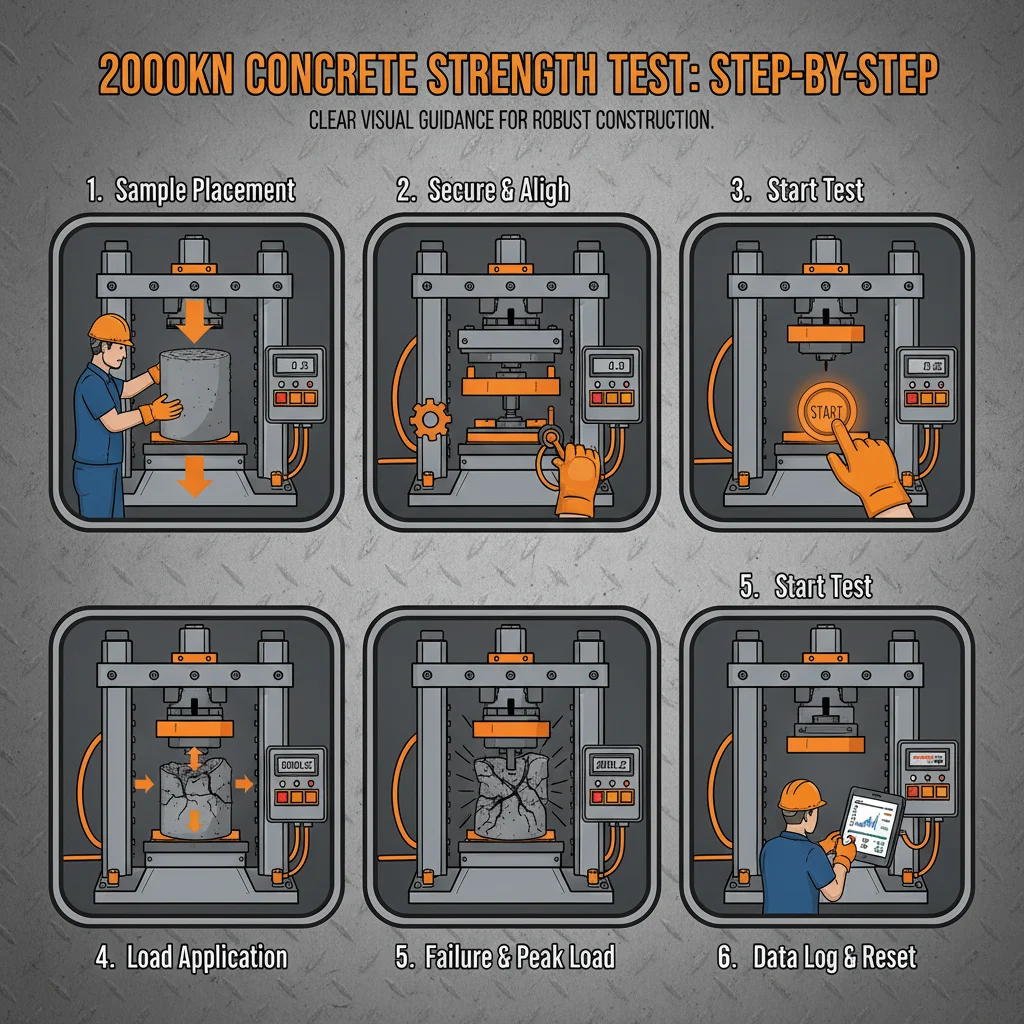
Essential Guide to the 2000KN Concrete Strength machine and its Applications
-

The Importance of Soil Multifunctional Compaction Apparatus in Modern Construction
-
Advancing Road Infrastructure with the Bitumen Centrifuge Extraction Tester