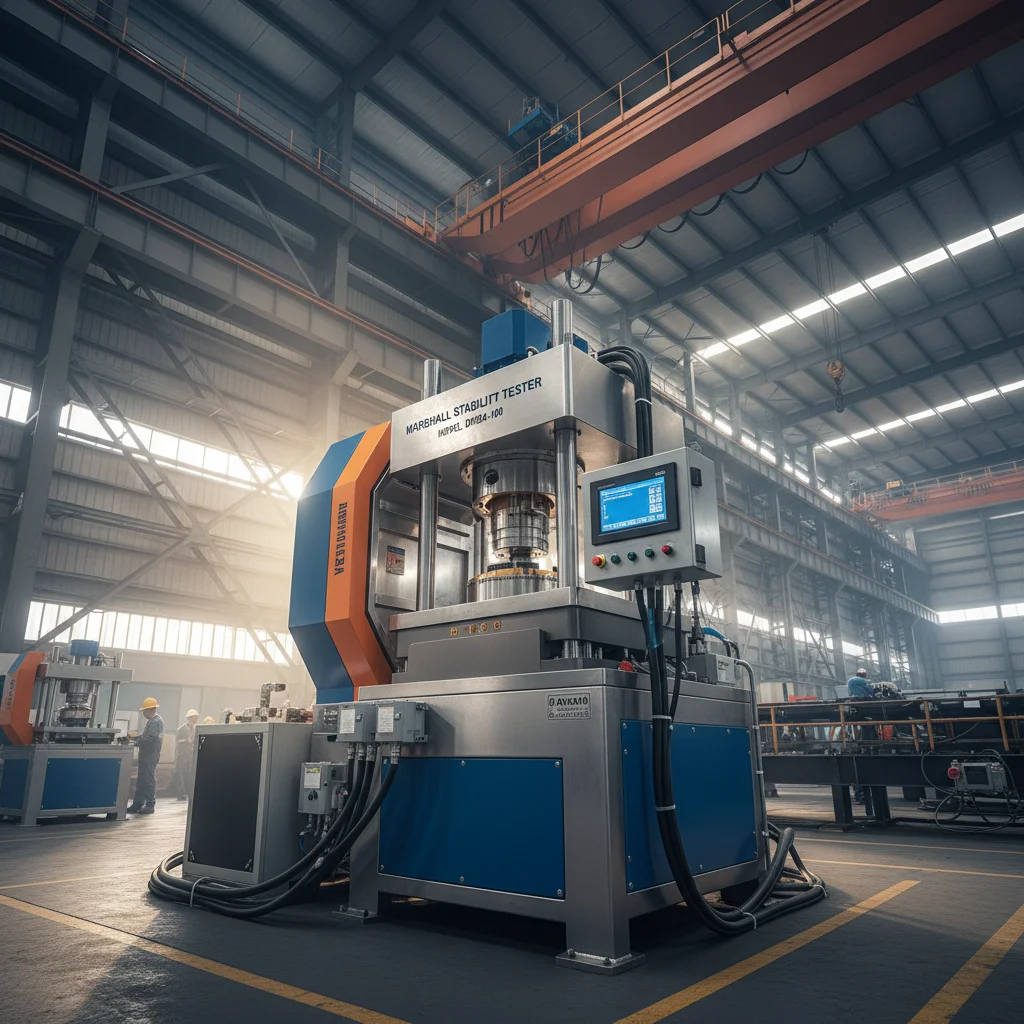
Automatic Proctor CBR Compactors are pivotal tools in geotechnical engineering, essential for assessing the bearing strength of soils for construction projects. These compactors precisely apply controlled compaction to soil samples, mimicking the impact of construction equipment, enabling accurate California Bearing Ratio (CBR) determination. Understanding and utilizing these compactors ensures the stability and longevity of infrastructure projects globally, from roads and highways to building foundations and airport runways.
The demand for reliable soil testing equipment, including Automatic Proctor CBR Compactors, is steadily increasing alongside global infrastructure development and urbanization. Factors such as climate change, increasing populations, and the need for resilient infrastructure necessitate precise soil analysis to prevent failures and ensure safety. Furthermore, adherence to stringent international standards like those set by ASTM and ISO drives the adoption of automated and accurate testing methods.
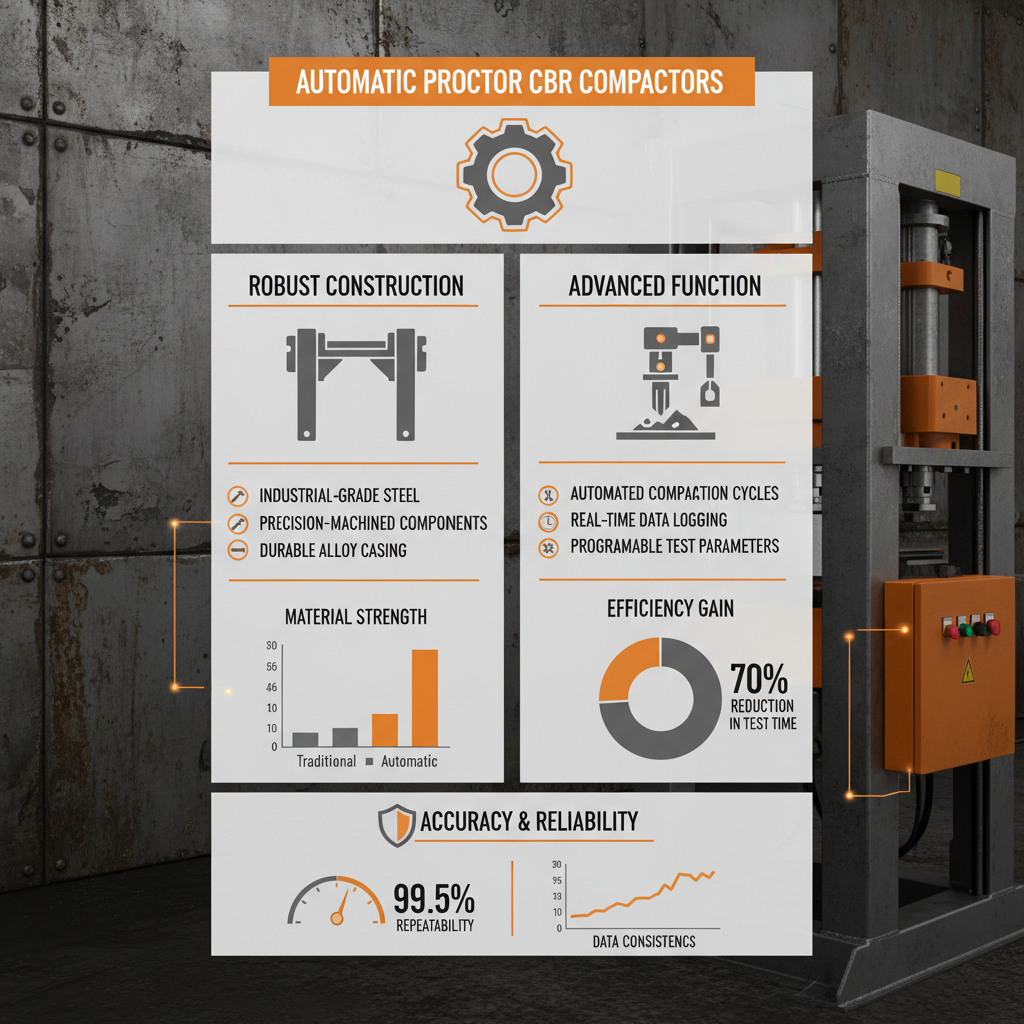
Automatic Proctor CBR Compactors represent a significant advancement over traditional manual compaction methods, offering enhanced precision, efficiency, and reproducibility. They minimize human error, streamline the testing process, and provide consistent results critical for informed engineering decisions. This commitment to quality and reliability is paramount in modern construction practices.
Introduction to Automatic Proctor CBR Compactors
Automatic Proctor CBR Compactors have fundamentally changed the landscape of soil mechanics testing. By automating the process of applying compaction energy to soil samples, these machines provide consistently accurate data crucial for determining a soil's strength and suitability for supporting structures. This technology enables engineers to design and build safer, more durable infrastructure.
The transition to automated compaction methods represents a key step in modernizing geotechnical practices. Traditional manual compaction methods are prone to inconsistencies due to operator variability, making precise data collection challenging. Automatic Proctor CBR Compactors eliminate these inconsistencies, offering a standardized and reproducible testing process essential for reliable engineering analysis.
Global Relevance and Industry Context
The need for robust infrastructure is a global imperative, with the United Nations Sustainable Development Goals (SDGs) placing significant emphasis on building resilient infrastructure (SDG 9). Automatic Proctor CBR Compactors play a vital role in achieving this goal by ensuring the quality and stability of construction materials. The World Bank estimates that trillions of dollars will be invested in infrastructure projects over the next decade, making reliable soil testing more crucial than ever.
Currently, many developing nations face challenges related to inadequate infrastructure and frequent infrastructure failures due to poor soil analysis. The adoption of Automatic Proctor CBR Compactors in these regions can significantly improve the quality of construction, reduce project costs associated with repairs, and enhance the safety and resilience of vital infrastructure. Furthermore, adherence to ISO standards for soil testing is becoming increasingly common in international construction projects.
The demand for Automatic Proctor CBR Compactors is particularly high in rapidly urbanizing areas, where large-scale construction projects are common. These compactors are essential for ensuring that foundations, roads, and other infrastructure components can withstand the stresses of increased traffic and population density. Efficient and accurate soil testing is a cornerstone of responsible urban development.
Defining Automatic Proctor CBR Compactors
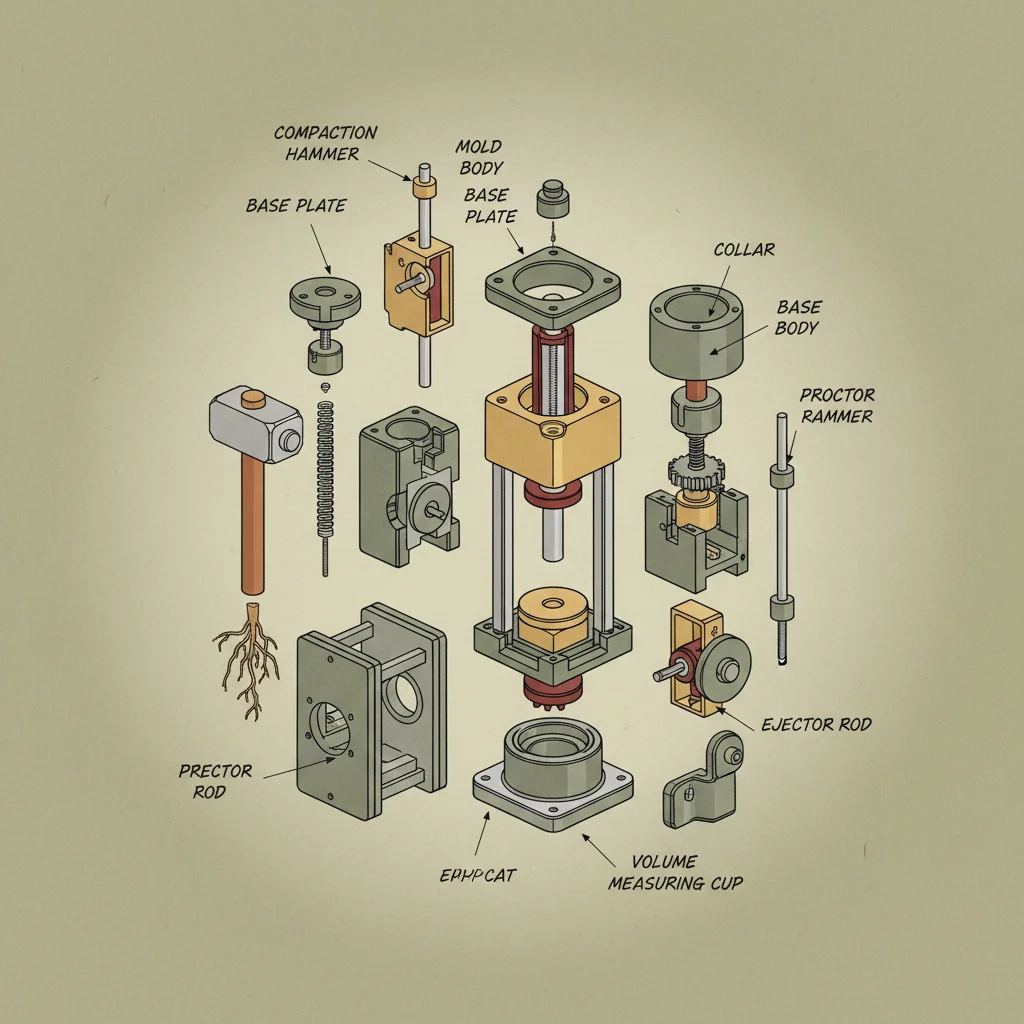
An Automatic Proctor CBR Compactor is a laboratory instrument used to determine the maximum dry density and optimum moisture content of a soil sample, as well as its California Bearing Ratio (CBR). The machine automates the process of applying a specified amount of energy to the soil sample through repeated lifting and dropping of a hammer, simulating the compaction achieved by field equipment.
Unlike manual compaction methods, these instruments ensure precise control over compaction energy, frequency, and drop height, leading to highly reproducible results. Data from these tests are essential for designing pavements, foundations, and other structures where soil bearing capacity is critical. The resulting CBR value indicates the soil’s resistance to penetration and is used in pavement design calculations.
The connection to modern industry and humanitarian needs is clear. In construction, these compactors are indispensable for quality control. In disaster relief, rapid assessment of soil conditions is essential for building temporary shelters and restoring infrastructure. Automatic Proctor CBR Compactors represent a key element in building a more resilient and sustainable world.
Key Factors of Automatic Proctor CBR Compactors
Several core aspects define the quality and effectiveness of Automatic Proctor CBR Compactors. Firstly, Accuracy and Precision are paramount; the machine must deliver consistent compaction energy to ensure reliable results. Secondly, Durability is crucial, as these instruments are often used in demanding laboratory environments. A robust build ensures a long lifespan and minimizes downtime.
Another vital aspect is User-Friendliness. Intuitive controls and automated functions simplify the testing process and reduce the risk of operator error. Compliance with Standards (ASTM, ISO) is also essential, ensuring that the test results are internationally recognized and accepted. Finally, Data Management Capabilities facilitate efficient data recording, analysis, and reporting.
Comparison of Automatic Proctor CBR Compactor Features
Global Applications & Use Cases
Automatic Proctor CBR Compactors are employed across a wide range of construction and geotechnical engineering projects worldwide. In post-disaster relief operations, these compactors are invaluable for quickly assessing soil stability and constructing temporary shelters and road networks. They are also crucial in the construction of major transportation infrastructure projects, such as highways, airports, and railways.
In remote industrial zones, where access to sophisticated laboratories may be limited, portable Automatic Proctor CBR Compactors enable on-site soil testing, reducing delays and transportation costs. Government agencies, civil engineering firms, and research institutions rely on these compactors to ensure the quality and safety of infrastructure projects. Additionally, the mining industry utilizes these tools for analyzing soil conditions related to tailings dams and slope stability.
Specific examples include their use in the construction of the Panama Canal expansion, where precise soil analysis was essential for ensuring the stability of the new locks, and in numerous highway projects across the United States, where CBR testing is a standard requirement for pavement design. These compactors are also vital for the construction of large-scale residential and commercial developments.
Advantages and Long-Term Value
The advantages of employing Automatic Proctor CBR Compactors are substantial. Cost savings are realized through reduced labor requirements, minimized errors, and faster testing times. The enhanced reliability of the results minimizes the risk of costly construction failures and rework. Sustainability is improved by ensuring durable infrastructure that requires less frequent maintenance and replacement.
The long-term value extends beyond mere cost benefits. Utilizing these machines fosters a culture of safety and quality within the construction industry, contributing to more resilient and dependable infrastructure. This, in turn, enhances public trust and promotes economic growth. The emotional peace of mind derived from knowing that infrastructure is built on a solid foundation is immeasurable.
Future Trends and Innovations
The future of Automatic Proctor CBR Compactors is geared towards increased automation, integration with digital technologies, and a focus on sustainability. We can anticipate the development of compactors equipped with advanced sensors and data analytics capabilities, providing real-time monitoring of soil compaction and predictive maintenance alerts.
The integration of Artificial Intelligence (AI) and Machine Learning (ML) algorithms will further enhance data analysis and optimize compaction processes. Furthermore, there is a growing trend towards developing eco-friendly compactors that utilize renewable energy sources and minimize environmental impact. Digital transformation and the rise of Building Information Modeling (BIM) will also drive the demand for seamless data integration between compactors and other construction software.
Challenges & Solutions
Despite their advantages, challenges associated with Automatic Proctor CBR Compactors persist. Initial investment costs can be a barrier for some smaller laboratories or organizations. Calibration and maintenance require skilled technicians, and ensuring consistent performance across different soil types can be complex. The dependence on electricity for operation can also be a limitation in remote locations.
Solutions include offering financing options to reduce upfront costs and providing comprehensive training programs for technicians. Advanced calibration algorithms and automated adjustments can mitigate performance variations. The development of portable, battery-powered Automatic Proctor CBR Compactors can address limitations in areas with unreliable power supplies. Automatic Proctor CBR Compactors manufacturers are continuously innovating to address these challenges.
Summary of Challenges and Solutions for Automatic Proctor CBR Compactors
| Challenge |
Impact on Users |
Potential Solution |
Implementation Cost |
| High Initial Investment |
Limits accessibility for smaller labs |
Leasing programs, tiered pricing |
Low-Medium |
| Calibration Complexity |
Inaccurate results, reduced reliability |
Automated calibration routines |
Medium |
| Skill Requirements for Maintenance |
Increased downtime, repair costs |
Comprehensive training programs |
Low |
| Soil Type Variations |
Inconsistent compaction, data errors |
Adaptive compaction algorithms |
Medium-High |
| Power Dependency |
Limits use in remote areas |
Battery-powered options |
Medium |
| Data Integration Challenges |
Difficult data sharing, analysis |
Open API, cloud connectivity |
Low-Medium |
FAQS
With regular calibration, cleaning, and adherence to manufacturer recommendations, a high-quality Automatic Proctor CBR Compactor can reliably operate for 10-15 years, or even longer. Factors such as usage frequency and the severity of the laboratory environment will influence the lifespan. Preventative maintenance is key to maximizing the instrument's longevity and ensuring consistent accuracy.
Manual compaction is susceptible to variations in operator technique, leading to inconsistencies in compaction energy and density. Automatic compactors eliminate this human error by applying precise, controlled energy consistently across all tests. This results in highly reproducible data, crucial for reliable engineering analysis and decision-making.
ASTM D1883 and ASTM D698 are primary standards for compaction testing. ISO 14688-1 and ISO 14688-2 cover similar procedures. Compliance with these standards ensures the test results are internationally recognized and accepted for quality control and regulatory purposes. Verification of compliance is vital for any testing laboratory.
An Automatic Proctor CBR Compactor significantly reduces testing time compared to manual methods. Typically, a single soil sample can be tested in approximately 30-60 minutes, depending on the model and specific testing parameters. This efficiency improves laboratory throughput and reduces project timelines.
Calibration should be performed at least annually, or more frequently if the instrument is used intensively or experiences significant environmental changes. Regular calibration ensures the accuracy and reliability of the compaction energy delivered, which is critical for obtaining valid test results. Following manufacturer’s guidelines is recommended.
Always follow the manufacturer's safety guidelines. Wear appropriate personal protective equipment (PPE), such as safety glasses and gloves. Ensure the compactor is properly grounded and maintained. Never operate the machine with any safety guards removed. Proper training is essential for safe and effective operation.
Conclusion
Automatic Proctor CBR Compactors are indispensable tools for modern geotechnical engineering, providing accurate, reliable, and efficient soil testing solutions. Their ability to deliver consistent compaction energy, adhere to international standards, and streamline laboratory workflows makes them essential for ensuring the stability and longevity of infrastructure projects worldwide. The benefits extend beyond technical performance, fostering a culture of safety and quality within the construction industry.
Looking ahead, continued innovation in automation, data analytics, and sustainability will further enhance the capabilities of Automatic Proctor CBR Compactors. Investing in these technologies is crucial for building a more resilient, efficient, and environmentally responsible infrastructure for future generations. To learn more about how Automatic Proctor CBR Compactors can benefit your organization, visit our website today.