0%

Table of Contents

You know, these days everyone's talking about smarter construction, prefabrication, modular design… Honestly, it’s all about speed and reducing labor costs. But have you noticed? A lot of these "innovations" end up creating new headaches for the guys actually doing the work. They design things on computers, all neat and tidy, but forget what it's like out here, in the mud and the dust.

The biggest thing I see is companies trying to over-engineer things. They get so caught up in features and specifications that they forget the basics. A simple, robust design is always better than something overly complex. And the materials... that's a whole other story.

We’re talking a lot about high-strength steel, obviously. But the feel of the steel matters, you know? Is it brittle? Does it bend easily? Some of that Chinese steel… well, let's just say it smells different. Not in a bad way, just… different. You can tell it's got a higher carbon content. And the aluminum alloys? Don't even get me started on the inconsistencies. One batch might be great, the next… you’re fighting it every step of the way.
Soil Compaction Tester

The Current Landscape of Soil Compaction Testing
Soil Compaction Tester

To be honest, the whole industry is shifting towards more real-time data. Folks want to know, now, if the soil's properly compacted. Not after they've already poured the foundation. It's driven by regulations, sure, but also by liability. Nobody wants another building collapse on their hands. I saw a report from the World Bank last year about infrastructure failures… sobering stuff.

Strangely enough, despite all the tech, a lot of guys still rely on the “thumb test”. You stick your thumb in the dirt. If it holds, good enough. Which is… not ideal. The demand for accurate, reliable, and portable Soil Compaction Testers is only going up. And they have to be tough. I mean, really tough.

Defining the Soil Compaction Tester and Its Relevance

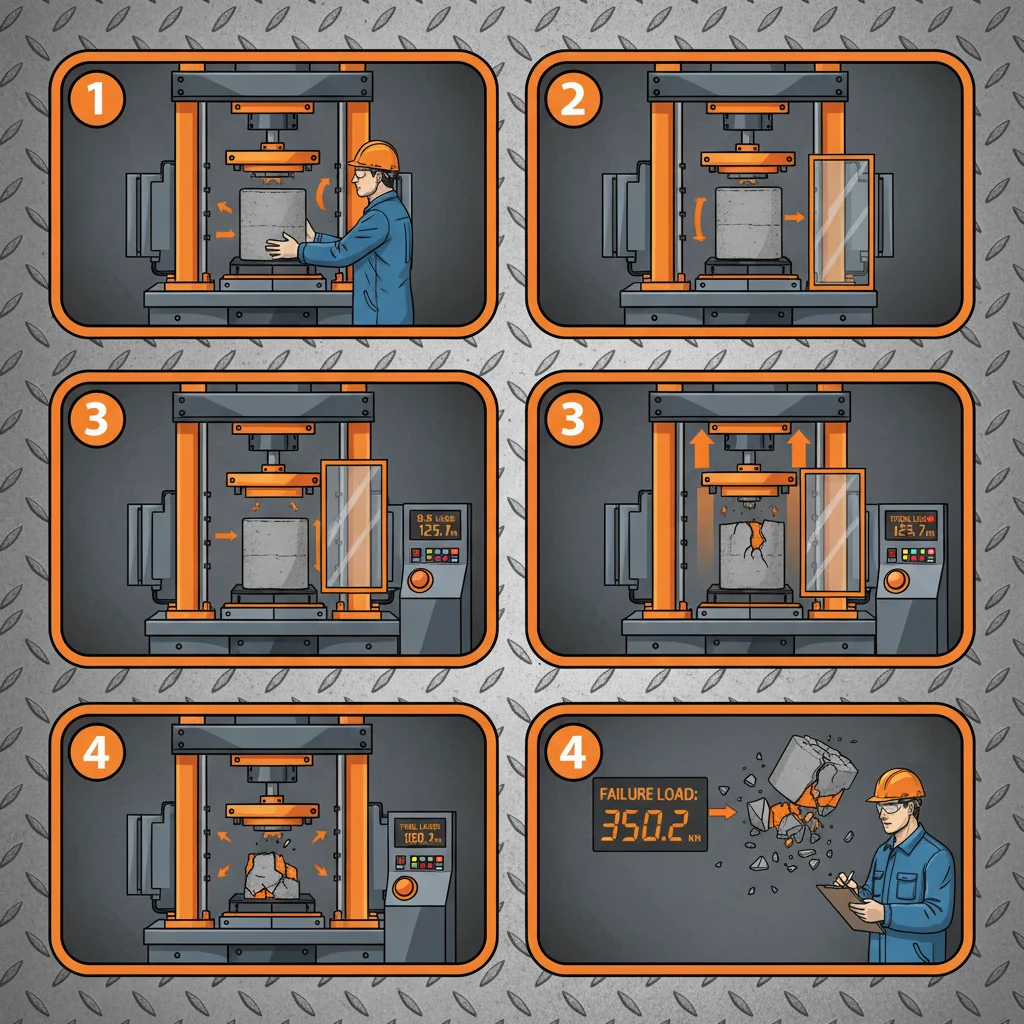
A Soil Compaction Tester, in its simplest form, is a device that measures the density of soil. But it's more than that. It's about ensuring stability, preventing settling, and ensuring a structure can withstand the forces it's designed to handle. Think roads, buildings, pipelines… anything built on earth.

Its relevance is growing because we’re building bigger, taller, and in more challenging environments. We're reclaiming land, building on unstable ground, dealing with the effects of climate change. It's no longer enough to just look at the soil. You need hard data.

And it's not just about construction. Think about agricultural land. Compaction affects root growth, water absorption, and crop yields. A good Soil Compaction Tester can help farmers optimize their land for better productivity. It all connects, you see.

Key Components and Critical Considerations

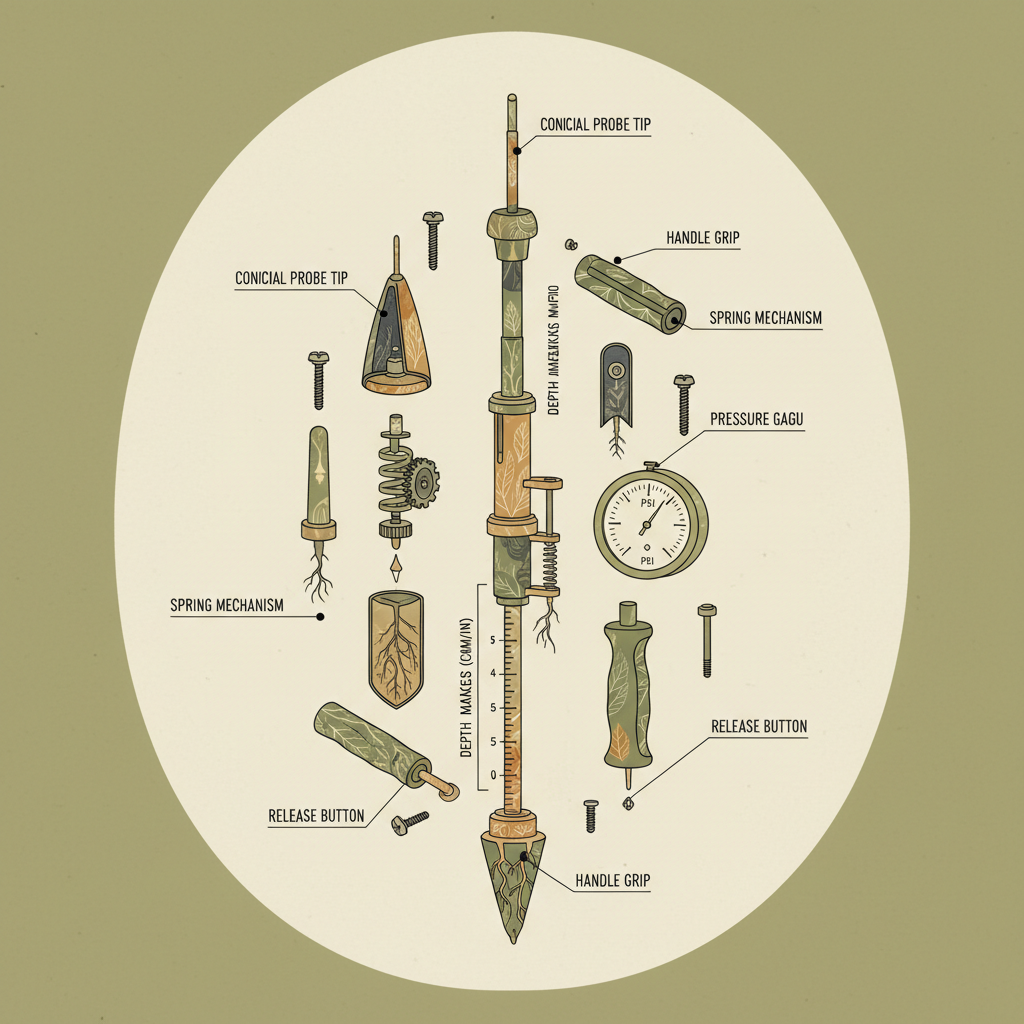
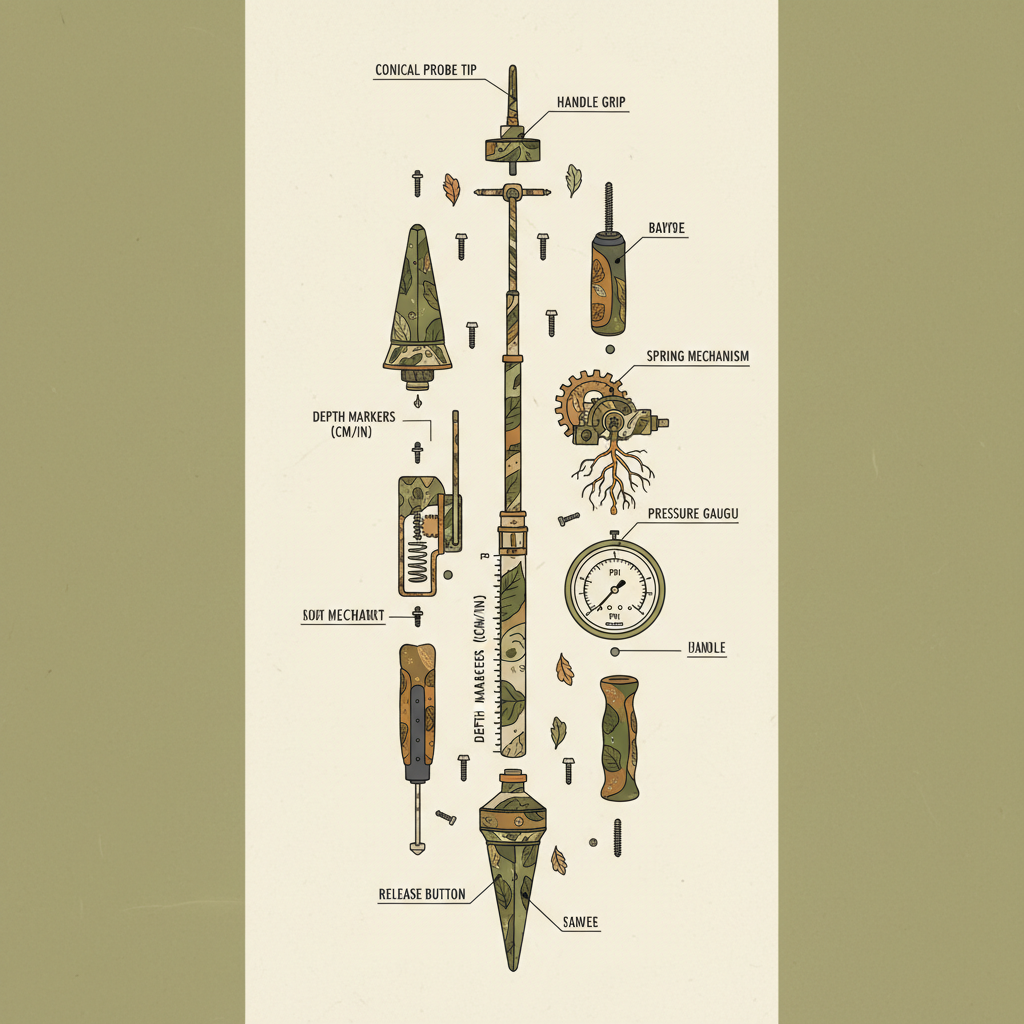
The core components are usually a probe, a pressure sensor, and a data display. But the quality of those components makes all the difference. Cheap probes bend. Inaccurate sensors give you false readings. And a flimsy display… well, it’s useless after a few drops. I encountered this at a factory in Shandong last time; the sensor calibration was completely off.

Durability is key. These testers get thrown around on construction sites. They get dropped, stepped on, exposed to the elements. They need to be built to withstand abuse. Then there’s portability. You need something that's easy to carry around, especially for large sites. And finally, data logging. Being able to record readings and export them for analysis is crucial.

Calibration is a huge headache, by the way. You have to calibrate these things regularly to ensure accuracy. And the calibration process can be tricky. It requires specialized equipment and trained personnel. A lot of companies skimp on this, which leads to unreliable data and potential problems down the line. I’ve seen projects delayed for weeks because of inaccurate compaction readings.

Anyway, I think the type of soil you're testing also dictates the type of tester you need. Sandy soil requires a different approach than clay soil. And the depth of compaction matters too. You need a tester that can accurately measure density at different depths.

Practical Applications Across Diverse Sectors

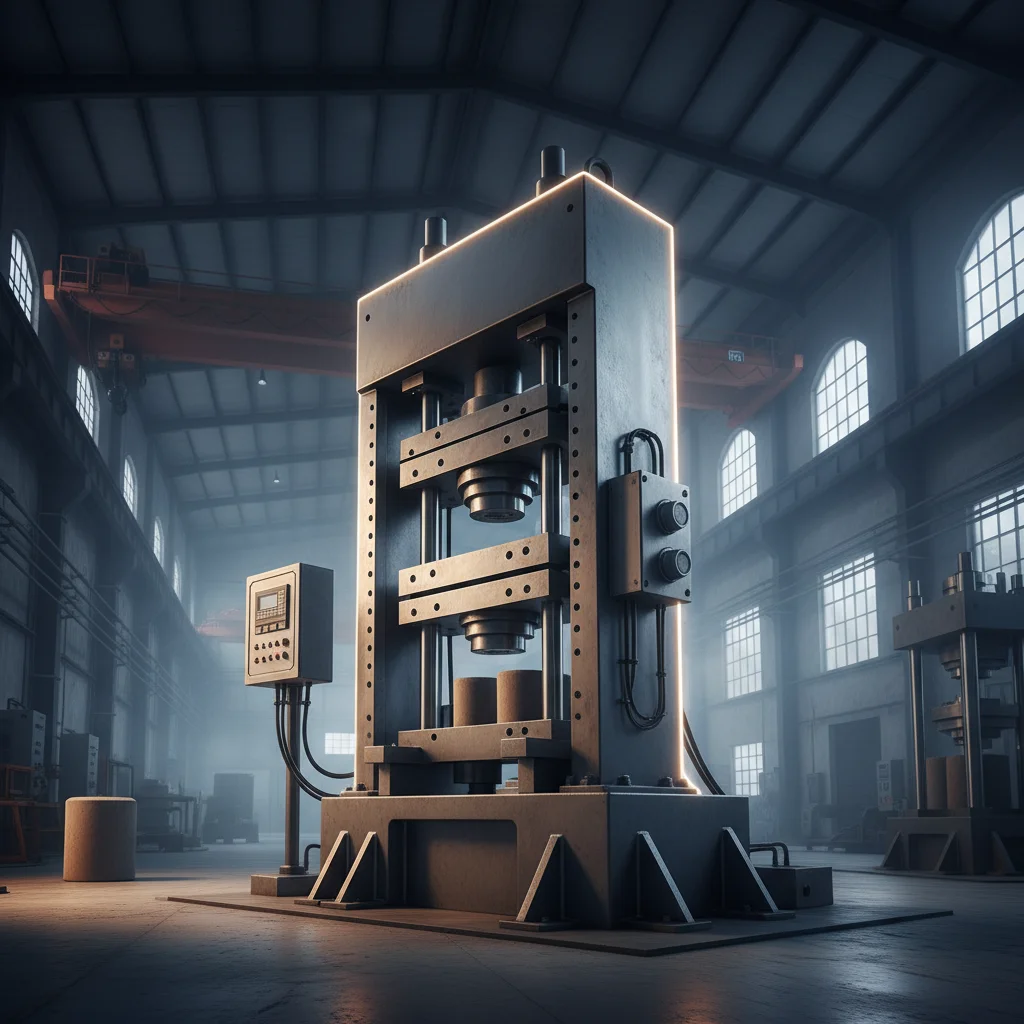
It’s not just buildings, you know. Roads are a big one. Highway departments rely heavily on Soil Compaction Testers to ensure the stability of roadbeds. Airports too. You don't want a runway collapsing under the weight of a 747!

Then there’s the oil and gas industry. They use these testers to ensure the integrity of pipelines and storage tanks. Landfills are another major application. Proper compaction prevents settling and reduces the risk of environmental contamination. I saw one application in a land reclamation project down in Florida, using real-time data feedback to adjust compaction levels on the fly - impressive stuff.

Soil Compaction Tester Application Areas

Advantages, Disadvantages, and Long-Term Value

The biggest advantage? Preventing costly rework. Fixing a foundation after it’s been built is… expensive. Like, really expensive. A good Soil Compaction Tester can help you catch problems early, before they become major headaches. They also improve safety, which is obviously paramount.

The downsides? Well, the initial cost can be significant, especially for high-end models. And as I mentioned before, calibration and maintenance are ongoing expenses. Some models can be complex to operate, requiring specialized training. But honestly, the long-term value far outweighs the costs.

Future Trends and Emerging Innovations

I think we’re going to see a lot more integration with IoT devices. Real-time data transmission to the cloud, automated analysis, predictive maintenance… that’s the direction things are heading. And AI. Imagine a system that can automatically adjust compaction levels based on soil conditions and weather patterns.

Wireless sensors are also becoming more common. No more tangled cables, no more tripping hazards. And there's a push for more sustainable materials. Companies are exploring biodegradable casings and energy-efficient sensors.

Common Challenges and Practical Solutions

The biggest challenge is user error. People don't read the manual. They don't calibrate the equipment properly. They just… wing it. Training is crucial. We need to invest in educating users on how to properly operate and maintain these testers.

Another challenge is dealing with varying soil conditions. What works well in sandy soil might not work at all in clay soil. You need to choose the right tester for the job and adjust your techniques accordingly. And finally, data management. Collecting data is one thing, but analyzing it and turning it into actionable insights is another.

Common Soil Compaction Tester Issues and Mitigation Strategies

Issue Likelihood (1-5) Impact (1-5) Mitigation Strategy
Calibration Drift 3 4 Regular scheduled calibration & record-keeping.
Probe Damage 4 3 Protective case, careful handling procedures.
Battery Life 2 2 Carry spare batteries, consider models with longer life.
Data Transfer Issues 3 2 Ensure compatible software, verify connection protocols.
User Misinterpretation of Readings 5 4 Comprehensive training, clear documentation.
Environmental Interference 2 3 Shielded sensors, calibrated for temperature & humidity.

FAQS

What’s the biggest mistake people make when using a Soil Compaction Tester?

Without a doubt, it's skipping the calibration. People think they can just grab the tester and go, but if it’s not calibrated, the readings are meaningless. It’s like trying to build a house with a crooked ruler. You'll end up with a mess. I’ve seen entire projects held up because of this. It’s a waste of time and money, and frankly, it's just sloppy work. Taking those extra few minutes to verify the calibration can save a lot of headaches down the line. Honestly, it's the first thing I check when I get on a new site.

How important is the probe material? Is stainless steel really worth the extra cost?

It depends on the soil type, but generally, yes. Stainless steel is much more durable and resistant to corrosion than cheaper alternatives. If you're working with highly corrosive soils – like those near the coast or in industrial areas – you need stainless steel. Otherwise, the probe will rust and become inaccurate. I encountered this at a wastewater treatment plant last year. They were using a carbon steel probe, and it was completely shot after just a few weeks. The extra cost of stainless steel is a small price to pay for long-term reliability and accuracy.

What’s the difference between dynamic and static compaction testing?

Dynamic testing involves applying a force to the soil and measuring its resistance. Think of it like hitting the soil with a hammer. Static testing, on the other hand, involves applying a constant pressure and measuring the resulting deformation. They give you different types of information. Dynamic testing is good for quick assessments, while static testing provides a more detailed understanding of the soil’s properties. It really depends on what you're trying to achieve. For most routine construction work, dynamic testing is sufficient. But for critical applications, static testing is the way to go.

Can a Soil Compaction Tester be used to test asphalt?

You can, but you need a specialized probe and settings. Asphalt is much stiffer than soil, so you need a probe that can withstand the increased force. And the calibration needs to be different. Most standard Soil Compaction Testers aren't designed for asphalt testing, so you'll need to make sure you have the right equipment and expertise. Trying to use a standard tester on asphalt can damage the probe and give you inaccurate readings. It’s not a one-size-fits-all situation.

How often should a Soil Compaction Tester be serviced?

At least once a year, even if it’s not used heavily. Regular servicing ensures that all the components are functioning properly and that the calibration is accurate. It's also a good idea to inspect the probe for wear and tear. A damaged probe can give you false readings. Think of it like servicing your car. You don't want to wait until something breaks down to get it fixed. Preventative maintenance is always cheaper and less disruptive in the long run.

What's the biggest innovation you’ve seen in Soil Compaction Testers recently?

Definitely the integration of GPS and data logging. Being able to map compaction levels across a site is a game-changer. It allows you to identify areas that need more attention and track progress over time. And the cloud-based data storage makes it easy to share information with other stakeholders. Last month, that small boss in Shenzhen who makes smart home devices insisted on changing the interface to , and the result was a complete disaster – compatibility issues with all their existing equipment. Sometimes, sticking with what works is the best approach. But the GPS data logging? That’s genuinely useful.

Conclusion

So, look, a Soil Compaction Tester isn’t glamorous. It’s not going to win any design awards. But it’s a critical tool for ensuring the safety and durability of our infrastructure. From roads and bridges to buildings and pipelines, these testers play a vital role in protecting lives and property. We’ve talked about the technology, the materials, the applications… but it all boils down to one simple thing: accurate data.

Ultimately, whether this thing works or not, the worker will know the moment he tightens the screw. If the ground feels solid, if everything aligns properly… that’s when you know you’ve done your job right. And that’s what matters. If you’re looking for a reliable Soil Compaction Tester, visit our website: www.czlabinstrument.com.

Daniel Wilson

Daniel Wilson

Daniel Wilson is the Logistics Manager at Cangzhou Blue Beauty Instrument Co., Ltd., responsible for efficient procurement, transportation, and delivery of materials and finished products. He expertly manages the supply chain, ensuring timely production and on-time deliveries to customers worldwide. Daniel’s strong organizational skills and attention to detail are crucial for streamlining logistics operations and minimizing disruptions. He works closely with suppliers and freight partners to optimize costs and maintain product integrity during transit. He’s committed to implementing robust inventory management systems and ensuring compliance with international shipping regulations. He has a background in supply chain management and a proven ability to handle complex logistical challenges.
Previous Advancements in Geotechnical Compaction Apparatus for Efficient Site Work
Next Understanding the Compaction Test Apparatus for Robust Foundation Testing
Leave Your Message

If you are interested in our products, you can choose to leave your information here, and we will be in touch with you shortly.