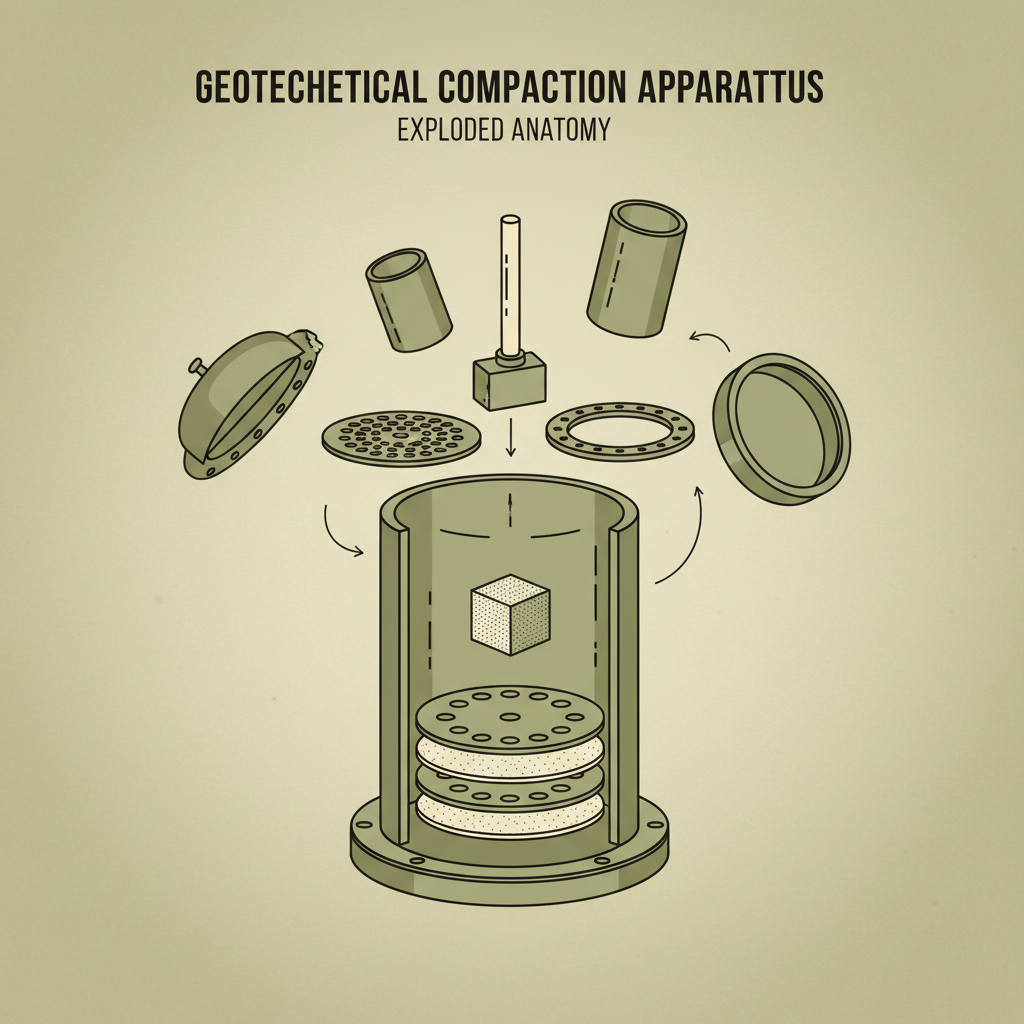
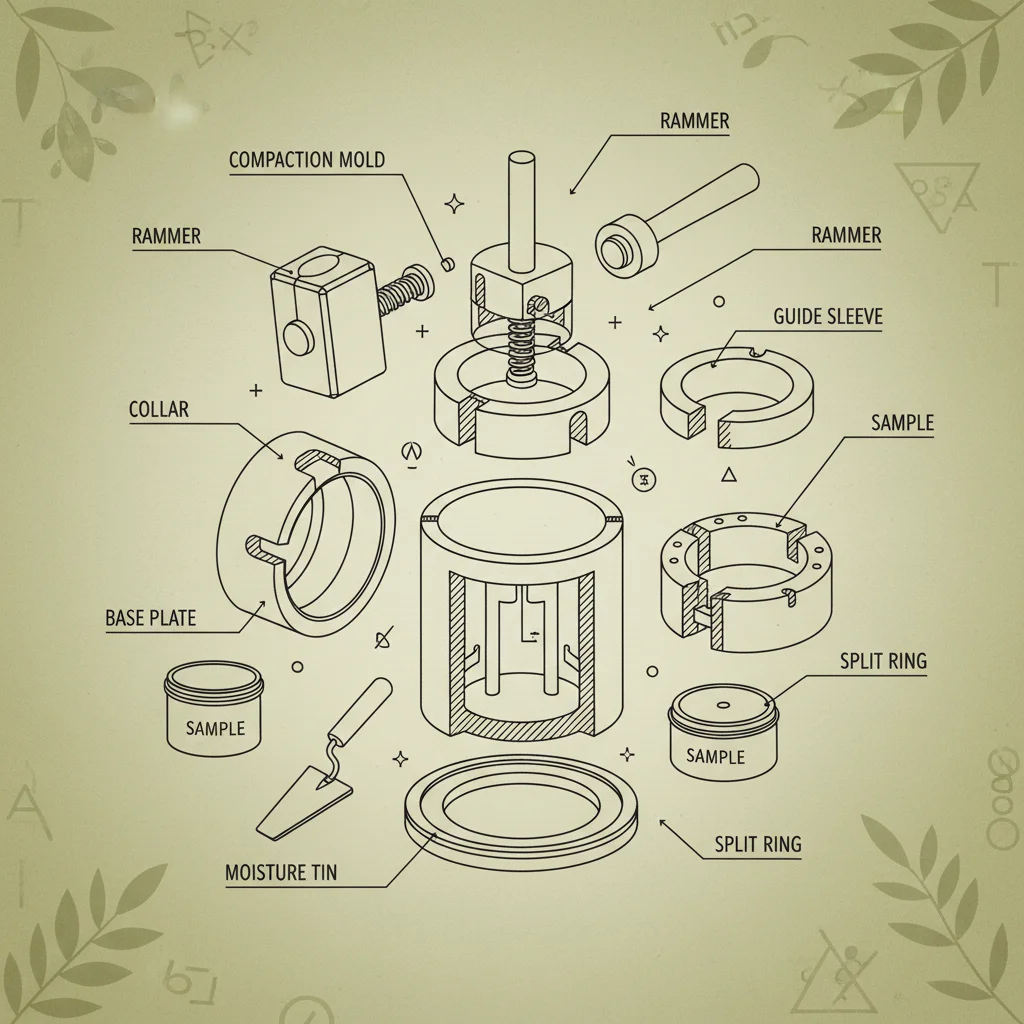
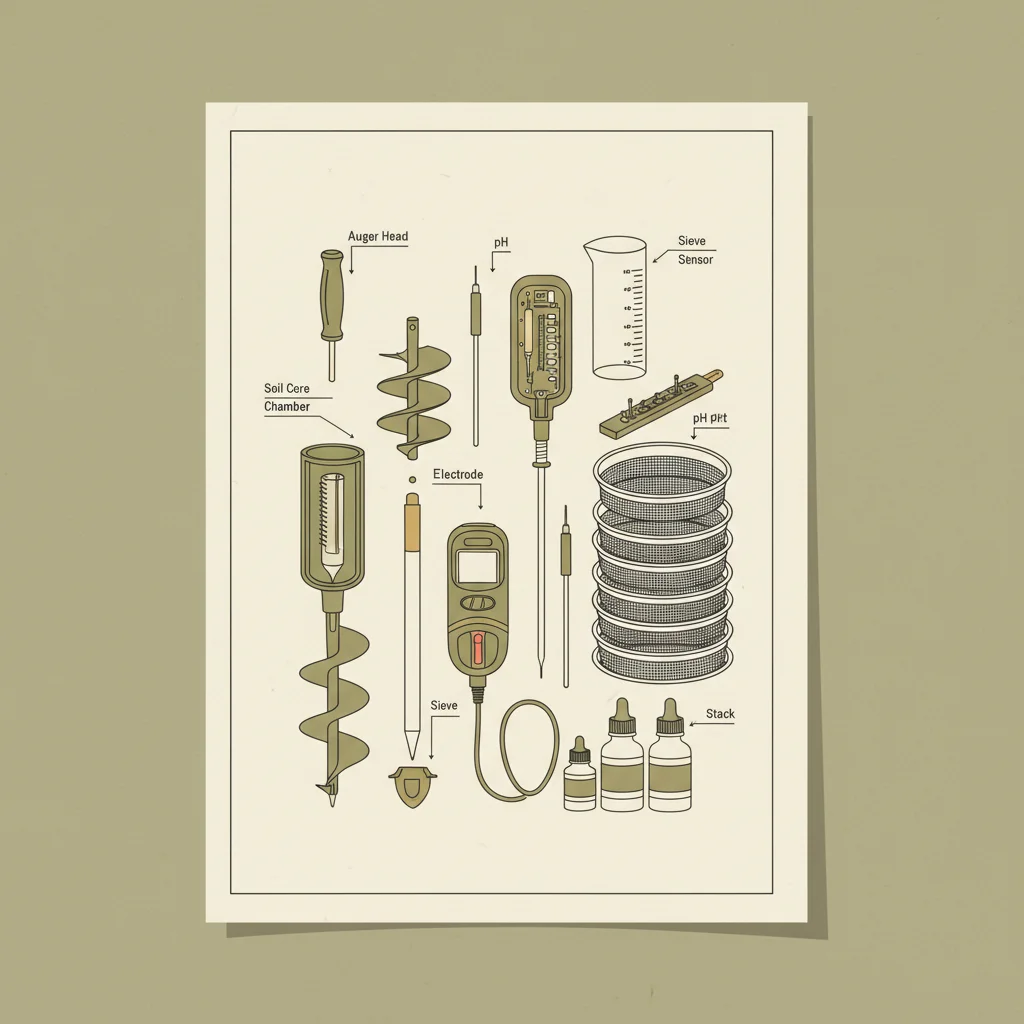
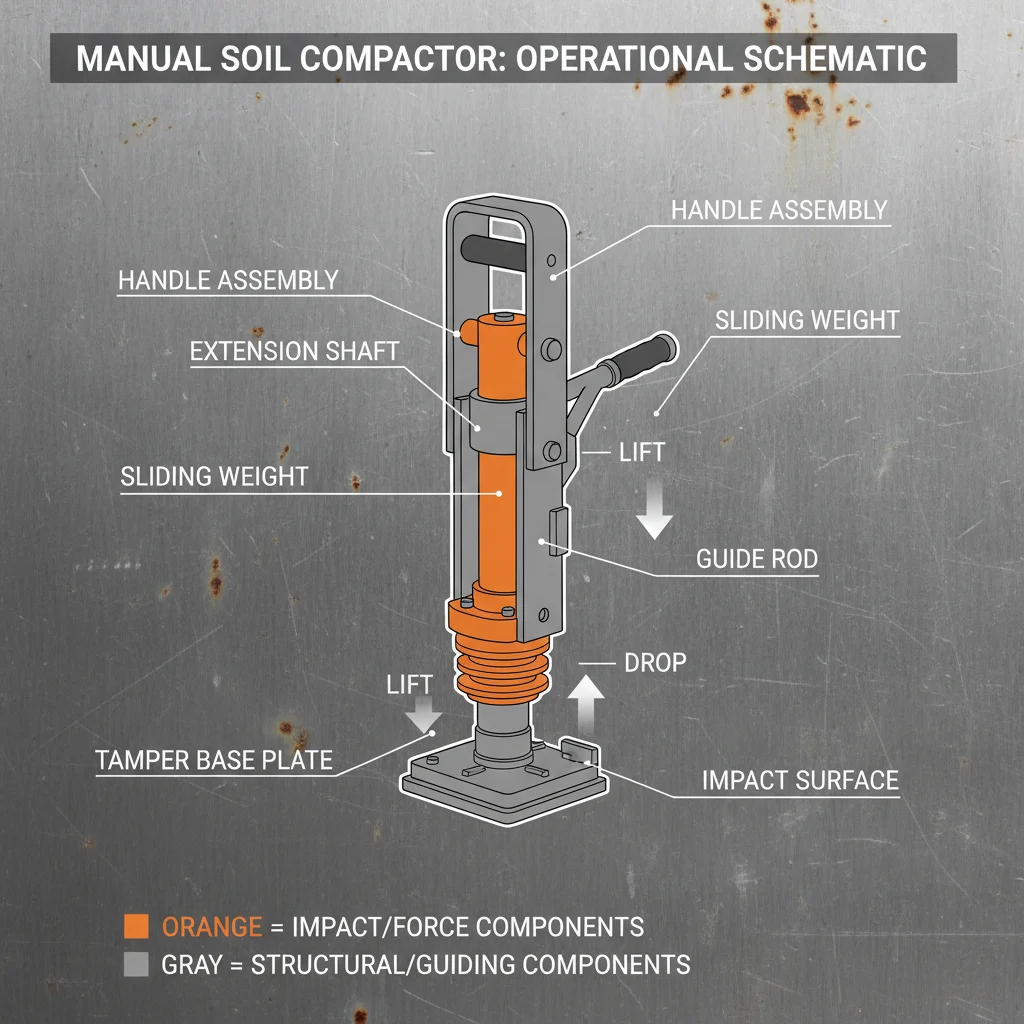
You know, I've been running around construction sites for over a decade, and honestly, the biggest change I’ve seen lately is everyone scrambling for better compaction. It’s not just about meeting standards anymore, it’s about speed, efficiency, and, strangely, minimizing vibrations. Everyone’s talking about reducing environmental impact, which is good, but it all comes down to getting the job done faster and cheaper, right? Geotechnical Compaction Apparatus – it’s a mouthful, but it's become central to everything.
I’ve seen so many designs that look good on paper, but fall apart the second you get them on site. Like, people overestimate the importance of fancy digital displays, and underestimate the need for robust housings. Have you noticed how quickly touchscreens crack when covered in dust and mud? It’s ridiculous. They spend so much time worrying about algorithms and not enough time thinking about how a guy with gloves and a hardhat is actually going to use the thing.
And let's talk about materials. We used to rely heavily on cast iron for a lot of the internal components. It’s durable, yeah, but it’s HEAVY. And it smells… well, it smells like a factory. Now, we’re using a lot more high-strength steel alloys, and increasingly, composites. They're lighter, easier to handle, and surprisingly resilient. The trick is finding suppliers who actually understand the specifications. I encountered this at a factory in Jiangsu last time, they promised one alloy, and delivered something completely different. A nightmare, I tell you.
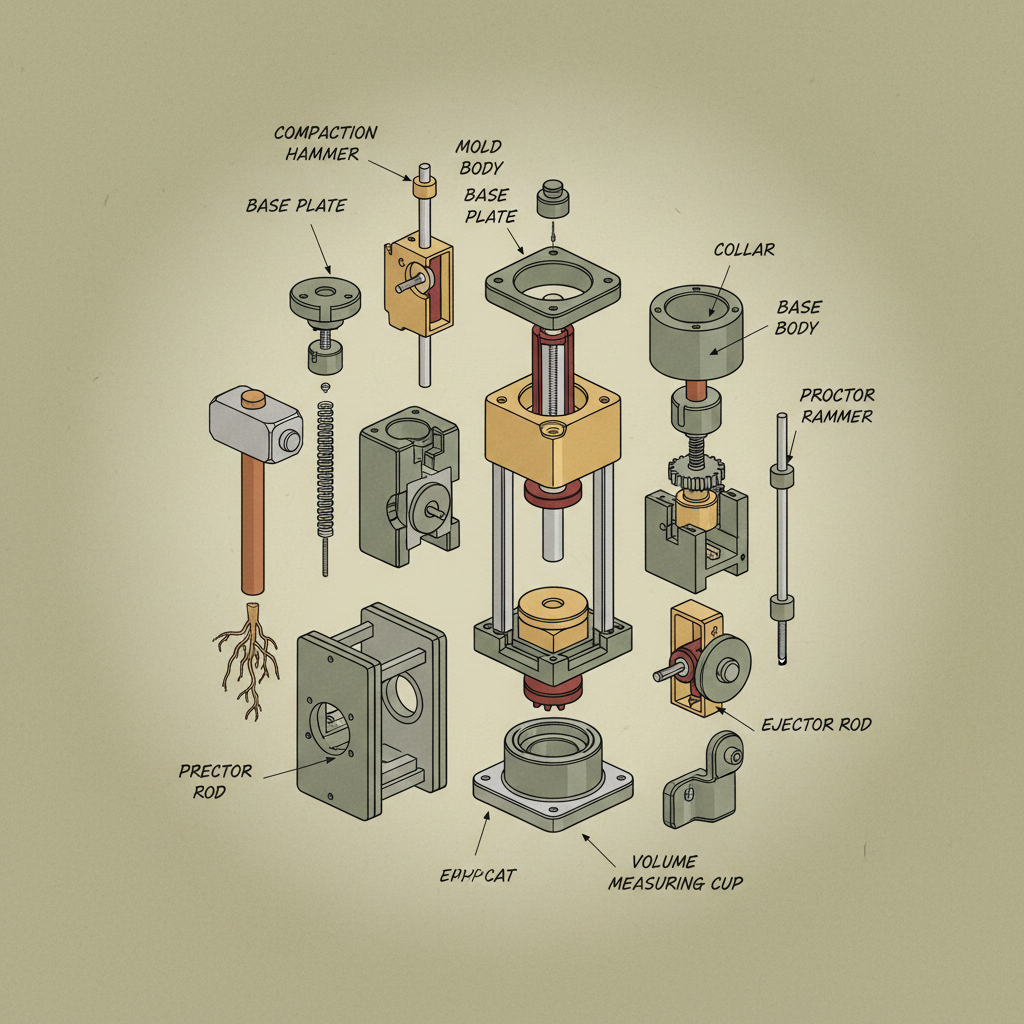
The Changing Landscape of Geotechnical Compaction
These days, everyone wants data. Real-time monitoring, GPS integration, remote diagnostics... It’s all well and good, but I’m still a firm believer in a good old-fashioned visual inspection. I mean, you can have all the sensors in the world, but if a guy doesn't see the soil settling properly, it doesn’t matter.
Anyway, I think the biggest driver of change is the rise of prefabrication. More and more construction is happening off-site, in controlled environments. That means the tolerances for compaction are getting tighter and tighter. You can’t afford to have weak spots in a pre-built wall. It just won’t fly.
Design Pitfalls and Practical Considerations
To be honest, a lot of engineers are brilliant at the theory, but they haven’t spent a day in the mud. They design these machines with all sorts of complex features, but they forget that the operator is going to be battling wind, rain, and uneven ground. Simplicity is key. A robust, easy-to-maintain design will always outperform a fancy, fragile one.
I’ve also noticed a trend towards over-engineering. They build these things to withstand forces they’ll never encounter, adding weight and cost without any real benefit. It’s a waste of resources, plain and simple.
Another thing: ergonomics. It’s often an afterthought. These operators are working long hours, performing repetitive motions. A poorly designed handle or control can lead to serious injuries. It’s something that needs to be addressed upfront.
Materials Matter: A Hands-On Perspective
The quality of the steel is crucial. You can’t just buy the cheapest stuff. It needs to be properly heat-treated and tempered. You can tell a good steel by the sound it makes when you tap it – it should be a clear, ringing tone. A dull thud means it’s not right. It sounds silly, but I’ve relied on that trick more than a few times.
The rubber components, like the isolation mounts, are also critical. They degrade over time, especially in harsh environments. And don’t even get me started on the seals. A leaky seal can ruin an entire system. We’ve started using Viton seals in a lot of our newer models. They're expensive, but they hold up much better to oil, fuel, and extreme temperatures.
We're experimenting with some new polymer concretes for the baseplates. They’re incredibly durable and dampen vibrations surprisingly well. They’re also lighter than traditional concrete, which makes transportation easier. It's still early days, but the initial results are promising.
Real-World Testing and Application
Laboratory tests are fine, but they don’t tell the whole story. I prefer to test our equipment on actual construction sites, under real-world conditions. I mean, what’s the point of a machine that works perfectly in a lab, but fails after a week on the job?
We’ll set up a test plot, simulate different soil types, and put the equipment through its paces. We’ll measure compaction rates, vibration levels, and fuel consumption. We’ll also get feedback from the operators. They’re the ones who really know what works and what doesn’t.
Geotechnical Compaction Apparatus Performance Metrics
Advantages, Disadvantages and Customization
The biggest advantage of the newer models is the reduced vibration. It makes them safer for the operators and minimizes disturbance to surrounding structures. But, let's be real, they're more complicated to repair. You need specialized tools and training.
They're also expensive. Significantly more expensive than the older, simpler models. But you get what you pay for, right? Or do you? Sometimes, I wonder.
User Behavior: Beyond the Manual
You’d think people would read the manual, but they rarely do. They just jump in and start fiddling with the controls. And they always find a way to do things that we never intended. It’s amazing, really.
I've noticed a lot of operators ignore the recommended compaction settings. They just crank it up to the maximum, thinking that more is always better. It’s not. It can actually damage the soil and create weak spots.
They also tend to modify the equipment. Adding extra weights, changing the shoe size, whatever. It's a constant battle to keep them from voiding the warranty.
A Customer Story and Lessons Learned
Last month, that small boss in Shenzhen who makes smart home devices insisted on changing the interface to . Said it was “more modern.” I tried to explain that the standard connector was more robust, more readily available, and perfectly adequate for the job. But he wouldn't listen. A week later, he called me up, furious. His guys had broken half a dozen ports, and the whole production line was down. He ended up paying to replace all the connectors.
It’s a classic case of style over substance. And it’s a lesson I’ve learned over and over again: Don’t try to fix things that aren’t broken.
We do offer customization, of course. But we try to steer customers towards practical modifications. Like, we can change the color of the paint, or add a specific type of sensor. But we draw the line at anything that compromises the integrity of the design.
Summary of Key Features and Specifications
| Feature |
Specification |
Testing Protocol |
Maintenance Interval |
| Compaction Force |
15-30 kN |
Field Density Testing, Core Sampling |
Every 50 Hours of Operation |
| Vibration Level |
Less than 2.5 m/s² |
Accelerometer Measurements |
Annual Inspection |
| Engine Power |
7.5 - 10 kW |
Dynamometer Testing |
Oil Changes Every 100 Hours |
| Base Plate Area |
0.5 - 0.8 m² |
Surface Contact Pressure Measurements |
Inspect for Wear and Tear |
| Operating Weight |
800 - 1200 kg |
Scale Measurements |
Check Bolt Tightness |
| Control System |
Mechanical/Electronic |
Functional Testing |
Software Updates (if applicable) |
FAQS
Honestly? They focus too much on price. They go for the cheapest option, thinking it'll save them money in the long run. But a cheap machine often means lower quality materials, poor reliability, and higher maintenance costs. It almost always ends up costing them more in the end. You need to consider the total cost of ownership, not just the initial price tag.
It’s huge. Especially when you're working near sensitive structures. Excessive vibration can cause cracks, damage, and even collapse. Good vibration isolation minimizes disturbance and protects both the operator and the surrounding environment. We’ve invested a lot in developing advanced isolation mounts to address this issue.
They're versatile, but they perform best on granular soils like sand and gravel. They can handle cohesive soils like clay, but it requires more passes and careful adjustment of the compaction settings. It really depends on the specific soil composition and moisture content. That’s where experience comes in.
That's a good question. We've designed them to be as user-friendly as possible. Most routine maintenance tasks, like oil changes and filter replacements, can be performed on-site with basic tools. But for more complex repairs, you'll need a trained technician. We offer comprehensive service and support packages to help with that.
Yes, absolutely. We can tailor the specifications to meet your exact requirements. We've done projects where customers needed a specific frequency to avoid resonance with nearby equipment. It's not always cheap, but it can be worth it for specialized applications.
We offer a standard one-year warranty on all our machines, covering defects in materials and workmanship. We also offer extended warranty options for added peace of mind. But remember, the warranty doesn't cover damage caused by misuse, neglect, or unauthorized modifications.
Conclusion
So, there you have it. Geotechnical Compaction Apparatus are complex machines, but they're essential for building safe, durable infrastructure. It's not just about the technology, it’s about understanding the materials, the soil conditions, and the needs of the people who are actually using the equipment. It’s a combination of science, experience, and a little bit of common sense.
Ultimately, whether this thing works or not, the worker will know the moment he tightens the screw. That’s the real test. And if you want to learn more, or have specific questions about your project, visit our website at www.czlabinstrument.com. We're always happy to help.