
You know, I've been running around construction sites all year, dealing with dust and concrete, and honestly, everyone's talking about automation now. Not full-blown robots taking over, but more like, how can we make things easier for the guys on the ground. It's all about efficiency, right? And a lot of that comes down to better compaction, getting that solid foundation. We’ve been seeing a lot more demand for precise, reliable geotechnical laboratory compaction apparatus. It’s not just about meeting specs anymore, it’s about doing it faster and with fewer headaches.
But here’s the thing, I’ve noticed… a lot of folks designing these things are sitting in offices, not getting their boots dirty. They come up with these fancy designs, super complex, and forget that it needs to work in the real world. I encountered this at a factory in Shandong last time – they’d designed a plate compactor with a touchscreen interface. A touchscreen. Seriously? Try using that with muddy gloves. It’s stuff like that that makes you wonder.
And it's not just about the interfaces, it's the materials themselves. We’re using a lot more high-strength steel these days, obviously, but the quality varies wildly. You can smell it, almost. Good steel has a certain… heft. Bad steel… well, it just feels flimsy. And the rubber for the feet? That’s huge. I've seen some rubber compounds that crack after a week, others that hold up for months. It’s all about the formulation, and frankly, sometimes it feels like a lottery.
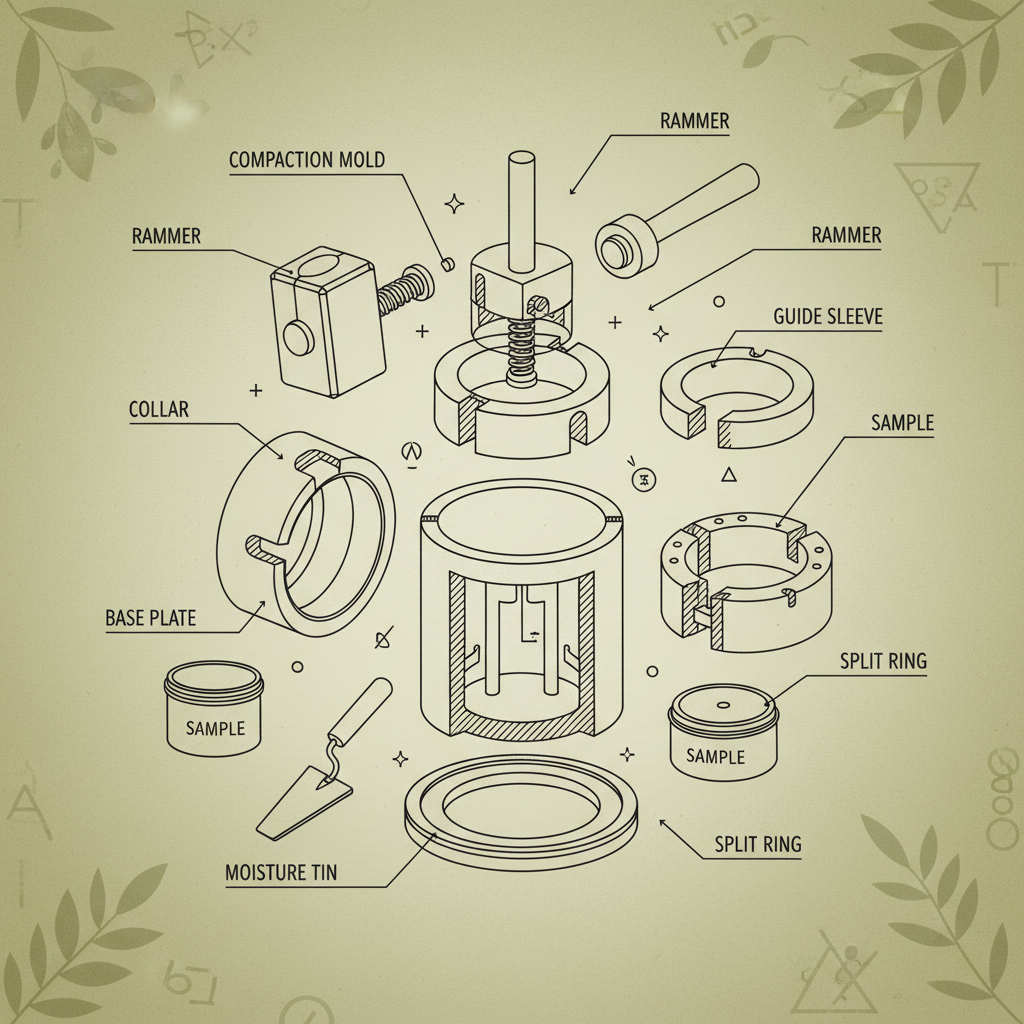
The Rising Tide of Automation and Compaction Needs
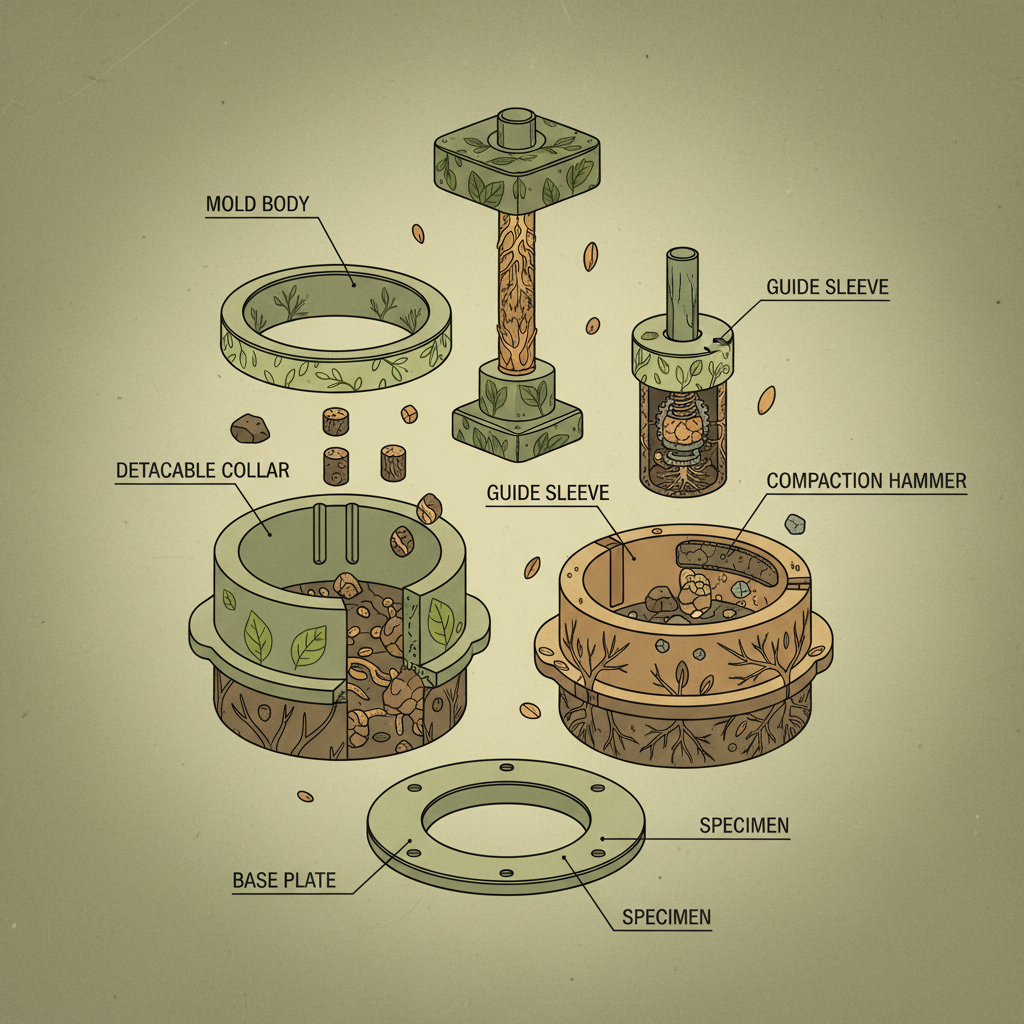
We're seeing a big push for more data collection, too. These geotechnical laboratory compaction apparatus are getting sensors built in, logging everything from impact force to number of passes. Supposedly, it’s to optimize the process, identify weak spots, and prevent failures. I'm a little skeptical, to be honest. Most of the guys I know just look at the final result. But, hey, if it keeps the paperwork down, I guess it’s a good thing.
There’s also a demand for lighter, more portable equipment. Especially in urban areas, getting a big compactor into a tight space is a nightmare. But lighter means sacrificing some of that mass, and that can affect the compaction force. It's a trade-off, and finding the right balance is crucial.
FAQS
Honestly, keep it clean. Brush off the dirt after each use. Check the bolts regularly and tighten them as needed. And don't let it sit in the rain. Simple stuff. Oil the engine, if it has one, according to the manual. It’s not rocket science, but people tend to neglect it. A little maintenance goes a long way. We always recommend a full inspection after every 50 hours of use, checking for any signs of wear or damage.
It depends on the soil type, the size of the area, and the depth of compaction you need. For small jobs, a hand tamper or a small plate compactor will do. For larger areas, you'll need a vibratory roller. And for trenches, a trench compactor is the way to go. The key is to understand your project's specific requirements and choose the apparatus that's best suited for the job. It’s all about matching the tool to the task.
Wear safety boots, gloves, and eye protection. And be aware of your surroundings. These machines are powerful and can cause serious injury if not used properly. Keep bystanders away from the work area, and never operate the compactor near flammable materials. Always follow the manufacturer's safety instructions. Seriously, it's not worth risking your health.
That depends on how often you use it and the type of surface you’re compacting. Generally, you should inspect them regularly for wear and tear. If they’re cracked or damaged, replace them immediately. Worn feet reduce compaction effectiveness and can damage the machine. We usually recommend replacing them every 200-300 hours of heavy use. It's cheap insurance.
Absolutely! Renting is a good option if you only need the apparatus for a short-term project. There are plenty of rental companies out there. Just make sure you choose a reputable company that provides well-maintained equipment. However, if you're going to be using the apparatus frequently, buying one might be a better investment in the long run.
A vibratory roller uses vibration to compact the soil, while a static roller relies on its weight. Vibratory rollers are more effective for a wider range of soil types, while static rollers are best suited for granular materials. Vibratory rollers are also faster, but they can cause more noise and vibration. It’s about choosing the right tool for the job, and understanding the characteristics of the soil you’re working with.
Conclusion
So, there you have it. These geotechnical laboratory compaction apparatus are essential for building solid foundations – literally and figuratively. From material selection to real-world testing, there’s a lot that goes into making a good machine. It’s about understanding the needs of the people on the ground, and designing something that’s reliable, durable, and easy to use.
Ultimately, whether this thing works or not, the worker will know the moment he tightens the screw. That’s what really matters. If it makes his job easier, safer, and more efficient, then we've done our job. And if not…well, back to the drawing board.
Related Posts
-
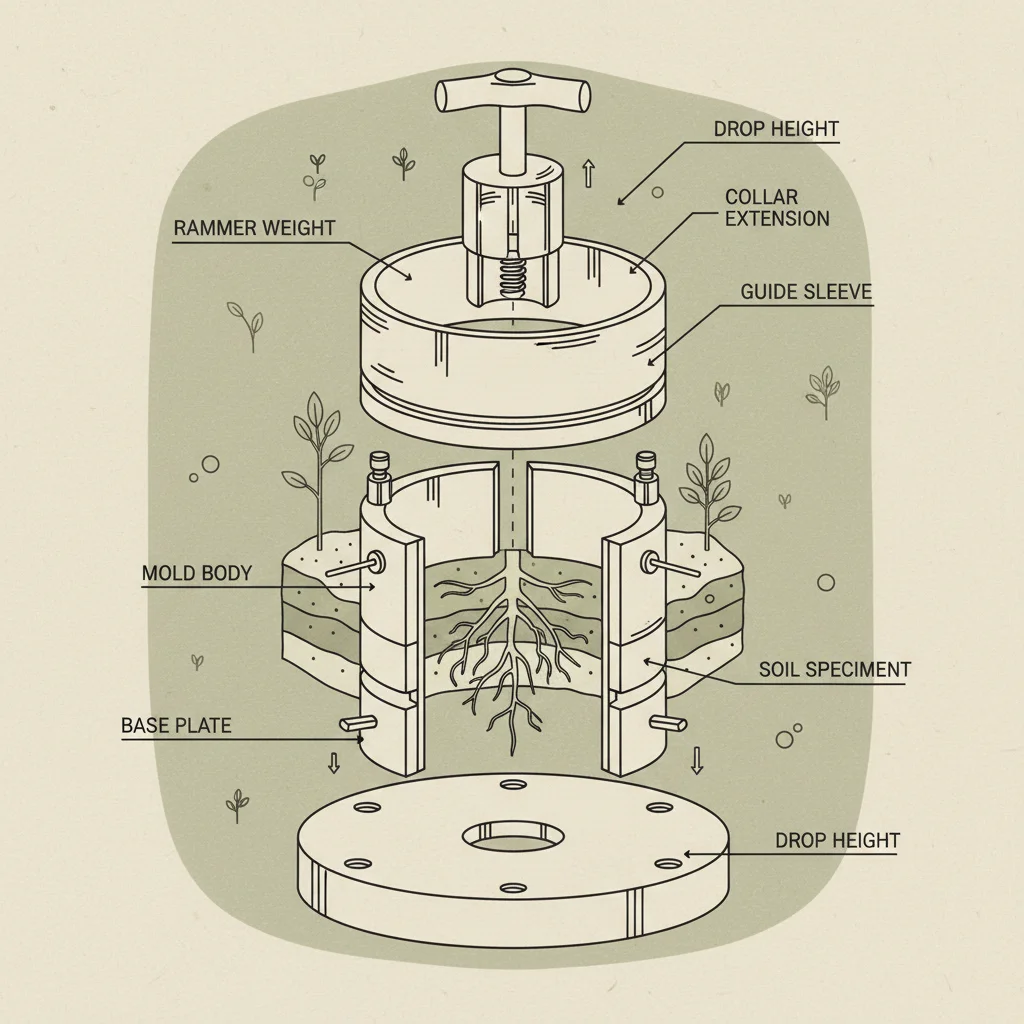
Advancements in Soil Compaction Apparatus Design and Real World Applications
-
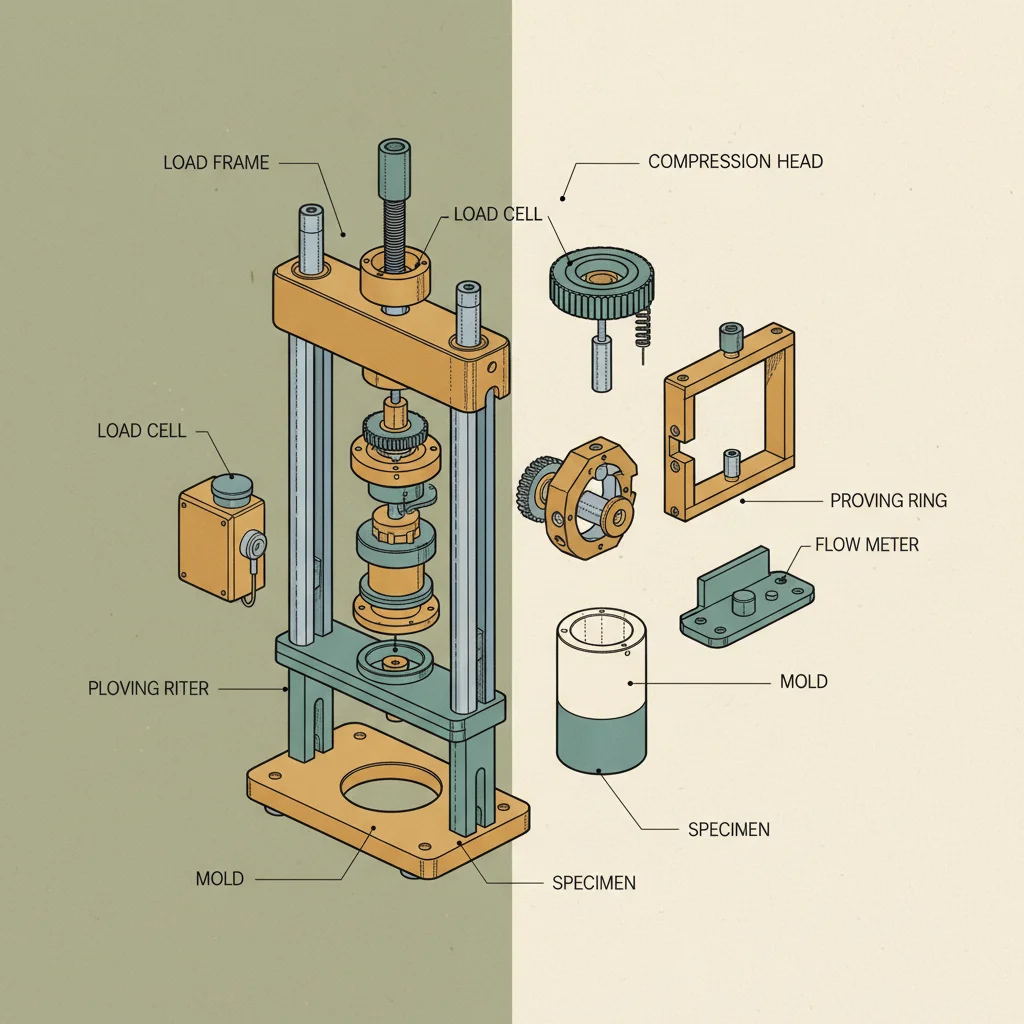
Understanding Marshall Stability Tester Applications and Road Material Durability
-
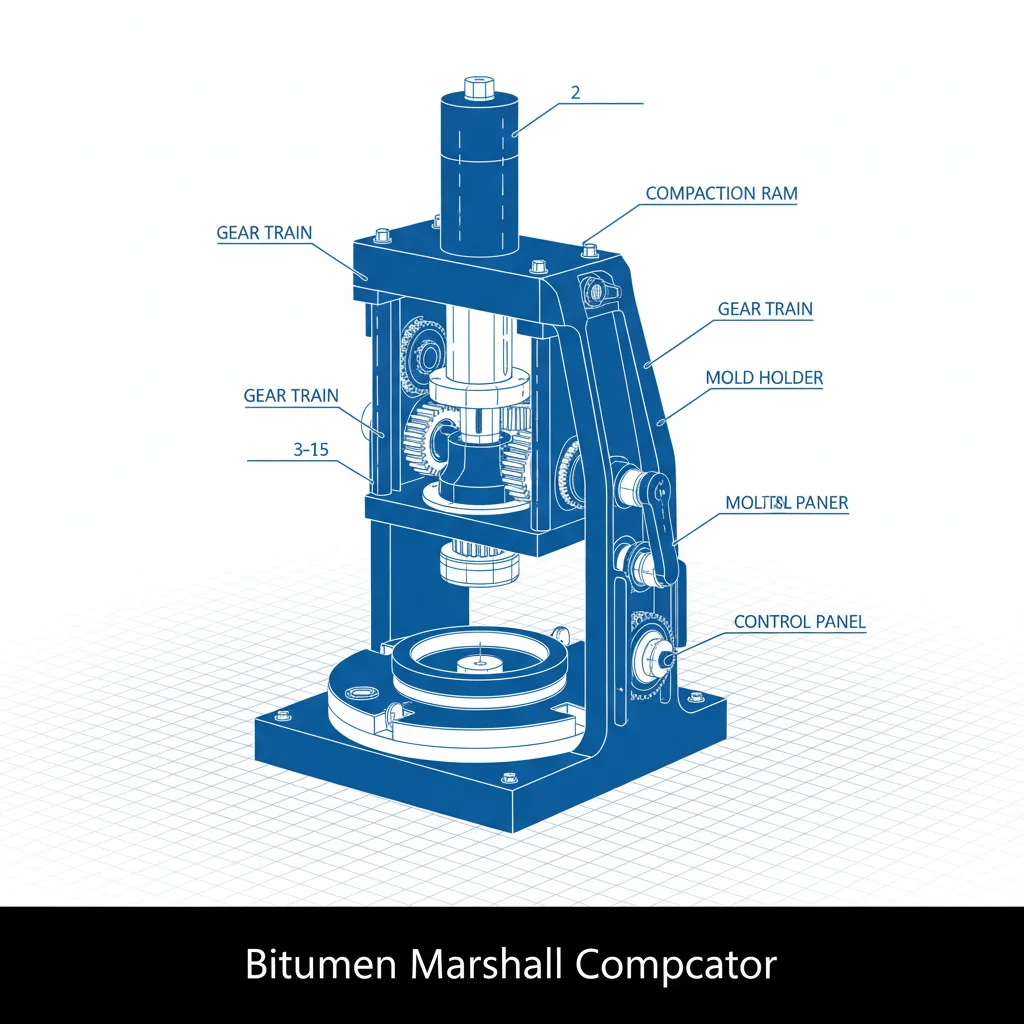
Bitumen Marshall Compactor Impact on Global Road Infrastructure Development
-
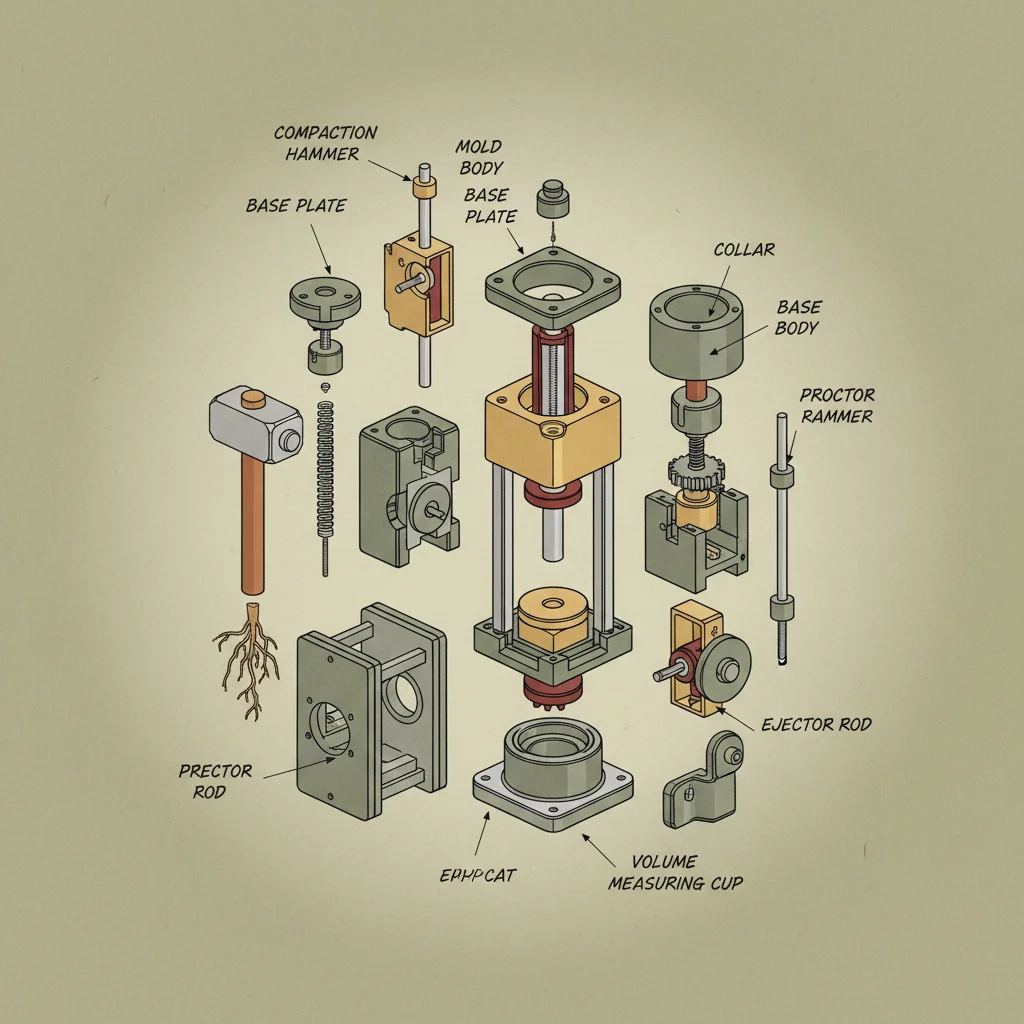
Advancements in Geotechnical Compaction Apparatus for Efficient Site Work

Ethan Turner
Ethan is the Marketing Director at Cangzhou Jiujiang, focusing on expanding the brand's presence in North America. With over a decade of experience in outdoor apparel marketing, Ethan leverages his knowledge to promote the company’s PU rainwear, emphasizing its BSCI and GRS certifications.


