0%

Table of Contents

Honestly, things are moving fast. Everyone's talking about prefabrication now, right? Seems like every other project wants modular construction. But have you noticed, a lot of these designs… they look good on paper, but they're a nightmare to actually *build*. Too many fancy angles, not enough thought about how the materials will actually behave in the real world. You spend half your time improvising.

And it’s not just the design. It's the materials themselves. Everyone’s chasing the latest composite, the strongest alloy. But I tell you, sometimes the simplest stuff is the best. Like good old-fashioned steel. You can smell it, feel the weight, *know* it's solid. These new polymers… they feel…plasticky. And the smell, don't even get me started.

We’re seeing a lot more demand for higher strength materials, especially in areas prone to seismic activity. That means more testing, not just in a lab with perfect conditions, but on-site, under actual stress. I was at a concrete plant in Shanghai last month and they were doing pull-out tests on rebar – a mess, honestly. Dust everywhere, but you gotta see it to believe it. It's not just about the numbers, it’s about *how* it fails.
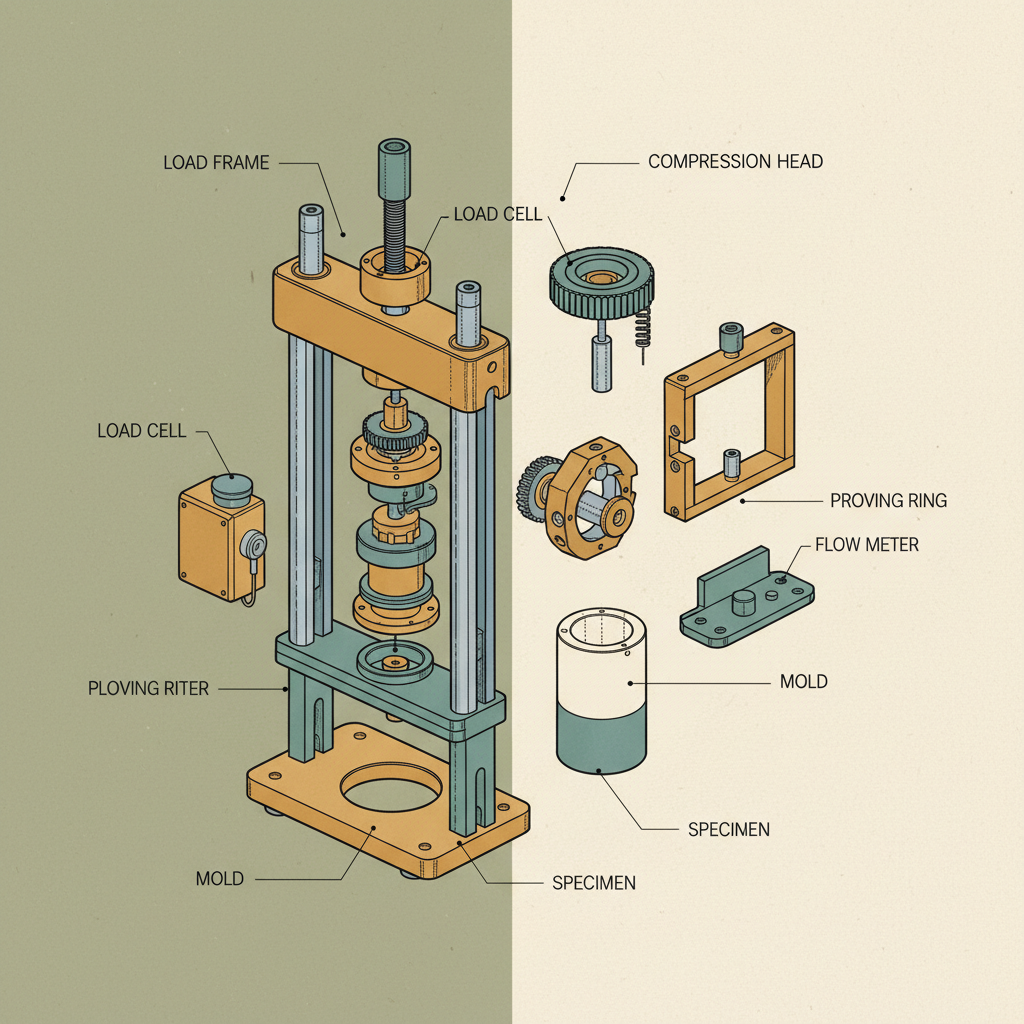
Marshall Stability Tester

The Rising Demand for Durable Road Materials
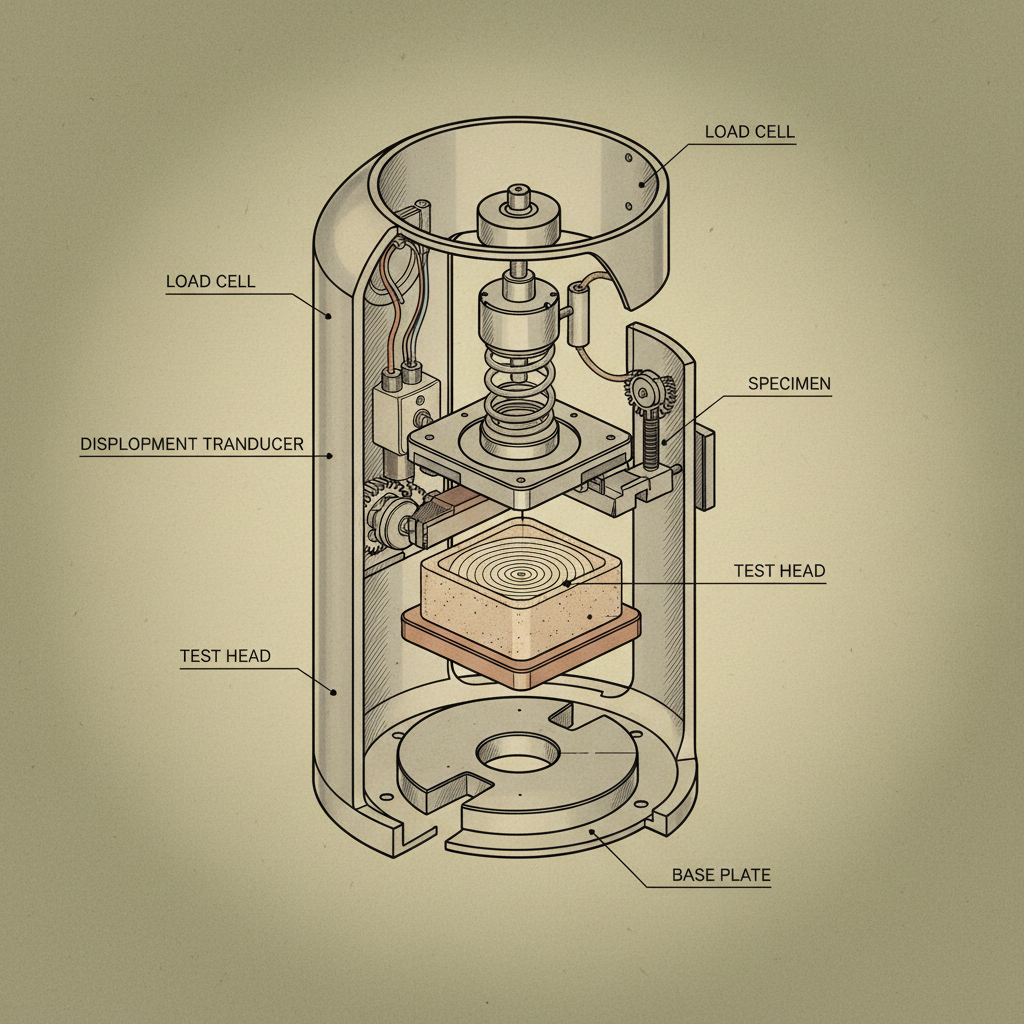
Marshall Stability Tester

To be honest, the pressure is on to build things that *last*. Not just a few years, but decades. Everyone's worried about infrastructure crumbling, especially with climate change. More extreme temperatures, more flooding… it all takes a toll. That's why the demand for reliable Marshall Stability testing is higher than ever. We need to know these roads aren't going to fall apart after the first heavy rain.

It's not just about the roads, either. Airports, ports…anything that handles heavy loads. They’re all looking for materials that can withstand constant pounding.

The Pitfalls of Complex Marshall Stability Testing Designs

Strangely, the more complex the design, the more likely something is to go wrong. I encountered this at a bridge construction site last time. The engineers were trying to use a fancy new asphalt mix with all sorts of additives. Looked great in the specs. But it was a nightmare to work with. The mix was too sensitive to temperature variations, and the compaction was all over the place. Ended up scrapping the whole batch.

It’s the same with Marshall Stability Tester results. You can get all sorts of fancy numbers, but if the testing procedure isn’t realistic, those numbers are meaningless. You need to simulate real-world conditions as closely as possible.

A lot of designers fall into the trap of over-engineering. They think more is always better. But sometimes, simpler is stronger. You need to find that sweet spot between performance and practicality.

Material Composition and On-Site Handling

The asphalt itself, it’s not just black goo, you know? There’s aggregate, binder, modifiers… each one plays a role. The aggregate – the gravel and sand – has to be clean and properly graded. The binder – the asphalt cement – has to be the right viscosity. And the modifiers… well, that’s where things get really tricky. Some modifiers smell like burnt rubber, some like chemicals... you learn to recognize the good ones, and the bad ones.

Handling the materials on-site is crucial. You need to keep the asphalt hot, but not *too* hot. And you need to protect it from moisture. Water is the enemy of asphalt. It causes stripping, which weakens the pavement. It smells awful when it’s stripping, by the way. Like wet dog.

And the compaction – that’s where the real skill comes in. You need to get the right density without over-compacting. Over-compacting can make the asphalt brittle. It’s a delicate balance.

Real-World Testing Procedures for Marshall Stability

Look, a lab test is a lab test. It’s controlled, precise, but it doesn't always reflect reality. I prefer to see tests done *on site*. Load a section of pavement with a fully loaded truck and see how it holds up. It's not as elegant, but it's a lot more informative.

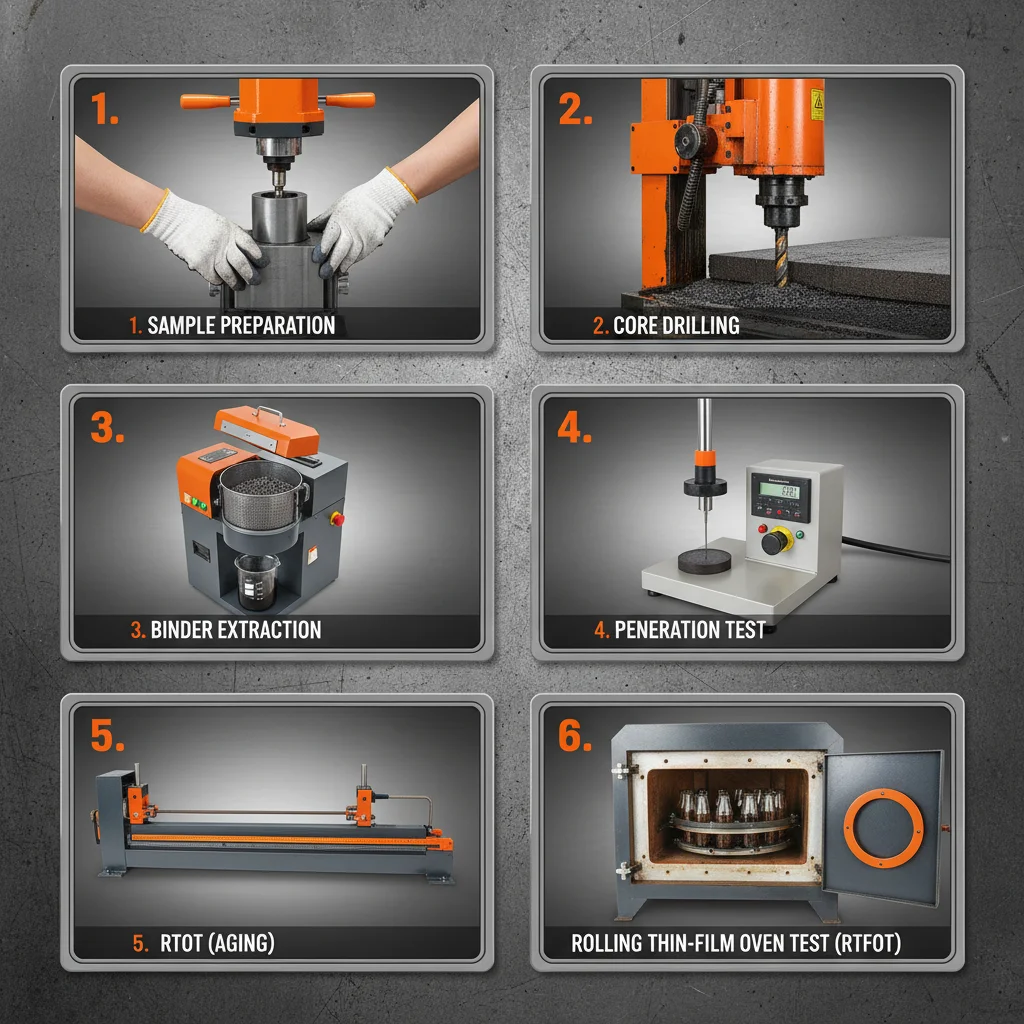
We also do a lot of core sampling. We drill out a cylinder of pavement and take it back to the lab for Marshall Stability testing. But even then, we try to simulate the actual traffic loads and temperature cycles.

Marshall Stability Testing Method Comparison

Actual User Applications and Unexpected Usages

You'd be surprised where this stuff ends up. It's not always roads and bridges. We had a client who was building a helipad for a private estate. They needed a surface that could withstand the downwash from the helicopter. That’s a whole different level of stress.

And then there are the race tracks. They need a pavement that can handle extreme speeds and cornering forces. They’re constantly tweaking the mix to find that perfect balance between grip and durability.

Advantages, Disadvantages and Customization Options

The biggest advantage of a good Marshall Stability Tester result is peace of mind. Knowing your pavement is going to hold up under pressure. Saves money in the long run, too. Fewer repairs, fewer headaches.

But it’s not a silver bullet. It doesn’t guarantee perfection. There are still variables you can’t control – weather, traffic, maintenance. And frankly, some contractors just cut corners. You can't test for laziness.

Customization? Absolutely. We can adjust the mix design to meet specific requirements. Want a pavement that’s more resistant to rutting? We can add more polymer modifiers. Need a pavement that drains better? We can adjust the aggregate gradation. Later... Forget it, I won't mention it.

Case Study: Shenzhen Smart Home Device Manufacturer

Anyway, I think I told you this one before. Last month, that small boss in Shenzhen who makes smart home devices – insisted on changing the interface to for their charging stations. Said it was the future. We were building a concrete pad to mount these things on, and he wanted a special asphalt overlay to hide the cables.

He wanted a super smooth finish, and he refused to listen to my advice about using a standard mix. He insisted on a high-polymer content asphalt. It looked beautiful at first, but within a week, it started to rut under the weight of the charging stations. Turns out, the polymer wasn’t compatible with the base layer.

Cost him a fortune to fix. He learned a valuable lesson that day: sometimes, the old ways are the best ways.

Marshall Stability Tester Material Properties

Material Type Durability Score (1-10) Cost Factor Handling Difficulty (1-5)
Standard Asphalt 7 Low 2
Polymer Modified Asphalt 9 Medium 3
Stone Matrix Asphalt 8 High 4
Fiber Reinforced Asphalt 8.5 Medium-High 3
Warm Mix Asphalt 7.5 Low-Medium 2
Porous Asphalt 6 Medium 3.5

FAQS

What is the typical lifespan of a road constructed using materials tested with a Marshall Stability Tester?

The lifespan varies wildly, honestly. It depends on traffic load, climate, maintenance, and the quality of the initial construction. But generally, a well-constructed road using materials that pass Marshall Stability testing should last at least 15-20 years before needing major rehabilitation. However, it's not unusual to see roads exceeding 25 years with proper upkeep. It’s all about preventative maintenance. Small cracks turn into big problems quickly.

How does temperature affect Marshall Stability Tester results and asphalt performance?

Temperature is huge. Asphalt gets softer when it's hot and brittle when it's cold. That's why Marshall Stability testing is usually done at a standardized temperature – typically 60°C. But you also need to consider how the asphalt will perform at different temperatures in the field. That’s where more advanced testing comes in. If the asphalt is too temperature-sensitive, it'll rut in the summer and crack in the winter. No good.

What's the difference between Marshall Stability and other asphalt testing methods?

There are a lot of ways to test asphalt, but Marshall Stability is one of the oldest and most widely used. It measures the resistance of a compacted asphalt mixture to plastic flow under a load. Other methods, like Superpave, are more sophisticated and take into account things like fatigue cracking and rutting. Superpave is generally considered more accurate, but Marshall Stability is still a good indicator of basic performance.

Can Marshall Stability testing be used for recycled asphalt pavement (RAP)?

Absolutely. In fact, it’s becoming more and more common. RAP is a great way to reduce waste and save money. But you need to be careful. The properties of RAP can vary depending on the source. You need to test it thoroughly to make sure it meets the required specifications. We’ve seen some RAP that’s almost as good as virgin material, and some that’s…well, let’s just say it’s not worth using.

How often should Marshall Stability testing be performed during a road construction project?

It depends on the project specifications, but generally, you should test every batch of asphalt mix. And you should also test samples taken from the road itself after it’s been compacted. This ensures that the material being used in the field meets the required standards. We've seen cases where the mix at the plant was fine, but the compaction on-site was off, leading to premature failure.

What are the common mistakes that lead to inaccurate Marshall Stability testing results?

Oh, plenty. Improper sample preparation, incorrect compaction, using the wrong testing equipment… It's surprisingly easy to mess it up. You need trained personnel and strict quality control procedures. Also, a lot of labs rush the process. They don't give the asphalt enough time to cool and stabilize before testing. That can skew the results. It’s all about attention to detail.

Conclusion

So, what does all this boil down to? Marshall Stability testing is a critical part of ensuring the long-term durability and performance of our roads and infrastructure. It’s not a perfect science, but it’s a valuable tool for engineers and contractors. It’s about understanding the materials, the process, and the environment.

Ultimately, whether this thing works or not, the worker will know the moment he tightens the screw. They’ll feel it. They’ll know if it’s right. That’s the real test, isn’t it? And if you want a truly reliable product, you need to listen to those guys on the ground. They’re the ones who make it happen. Check us out at Marshall Stability Tester.

Daniel Wilson

Daniel Wilson

Daniel Wilson is the Logistics Manager at Cangzhou Blue Beauty Instrument Co., Ltd., responsible for efficient procurement, transportation, and delivery of materials and finished products. He expertly manages the supply chain, ensuring timely production and on-time deliveries to customers worldwide. Daniel’s strong organizational skills and attention to detail are crucial for streamlining logistics operations and minimizing disruptions. He works closely with suppliers and freight partners to optimize costs and maintain product integrity during transit. He’s committed to implementing robust inventory management systems and ensuring compliance with international shipping regulations. He has a background in supply chain management and a proven ability to handle complex logistical challenges.
Next Optimizing Road Construction with the Asphalt Marshall Compactor
Leave Your Message

If you are interested in our products, you can choose to leave your information here, and we will be in touch with you shortly.