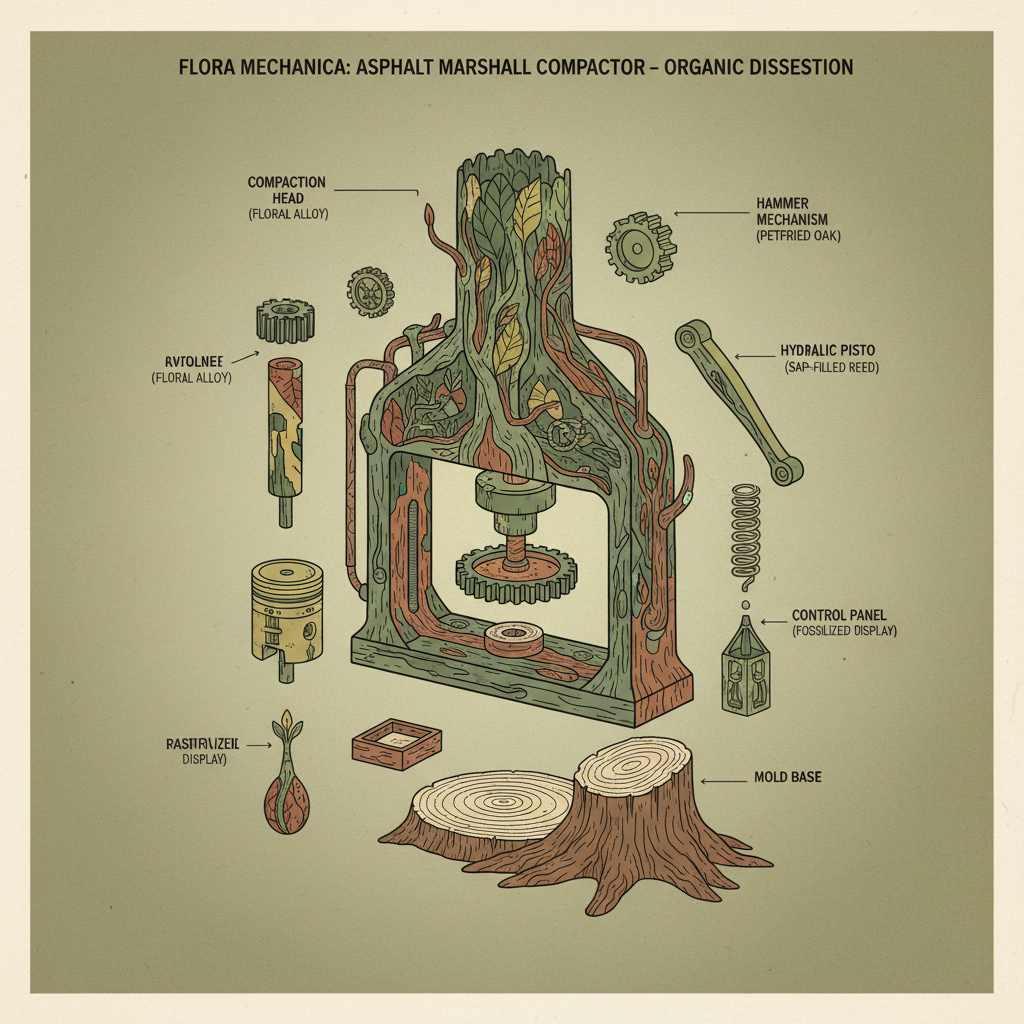
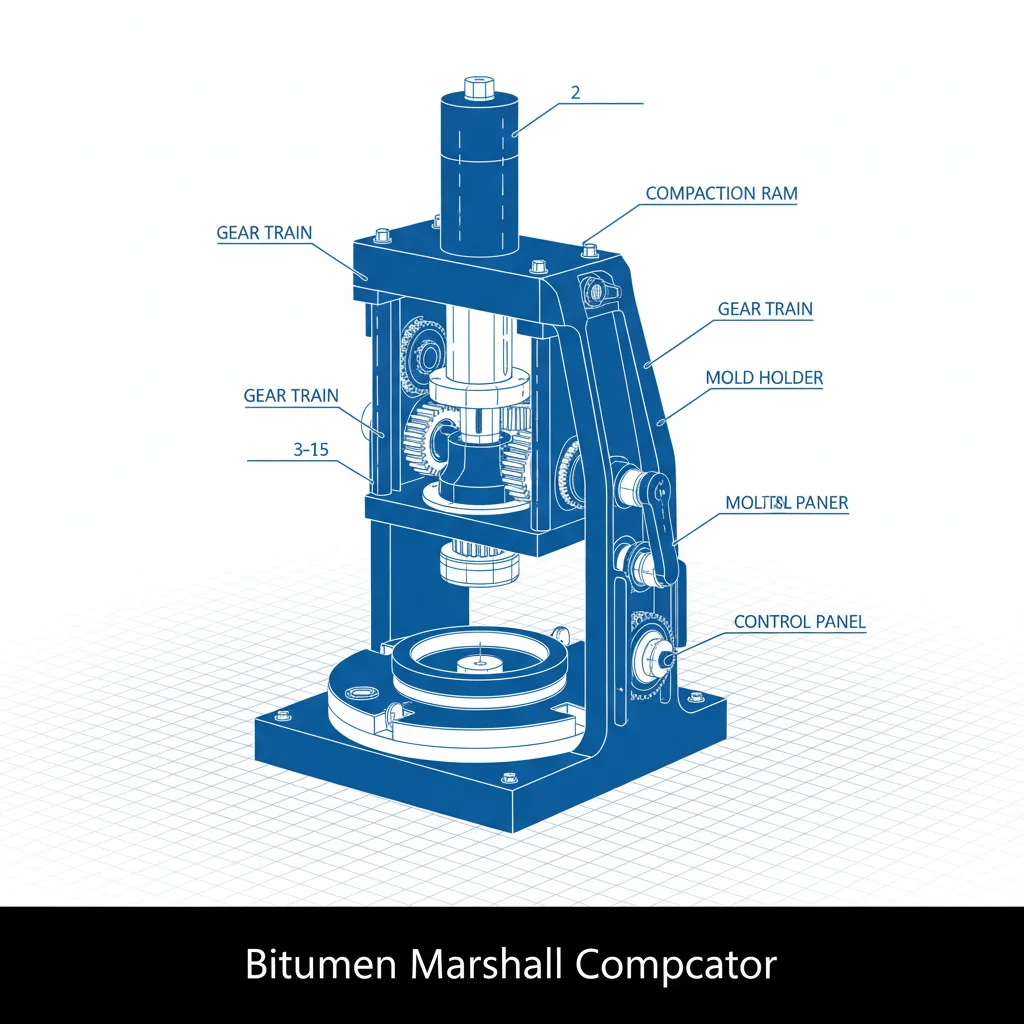
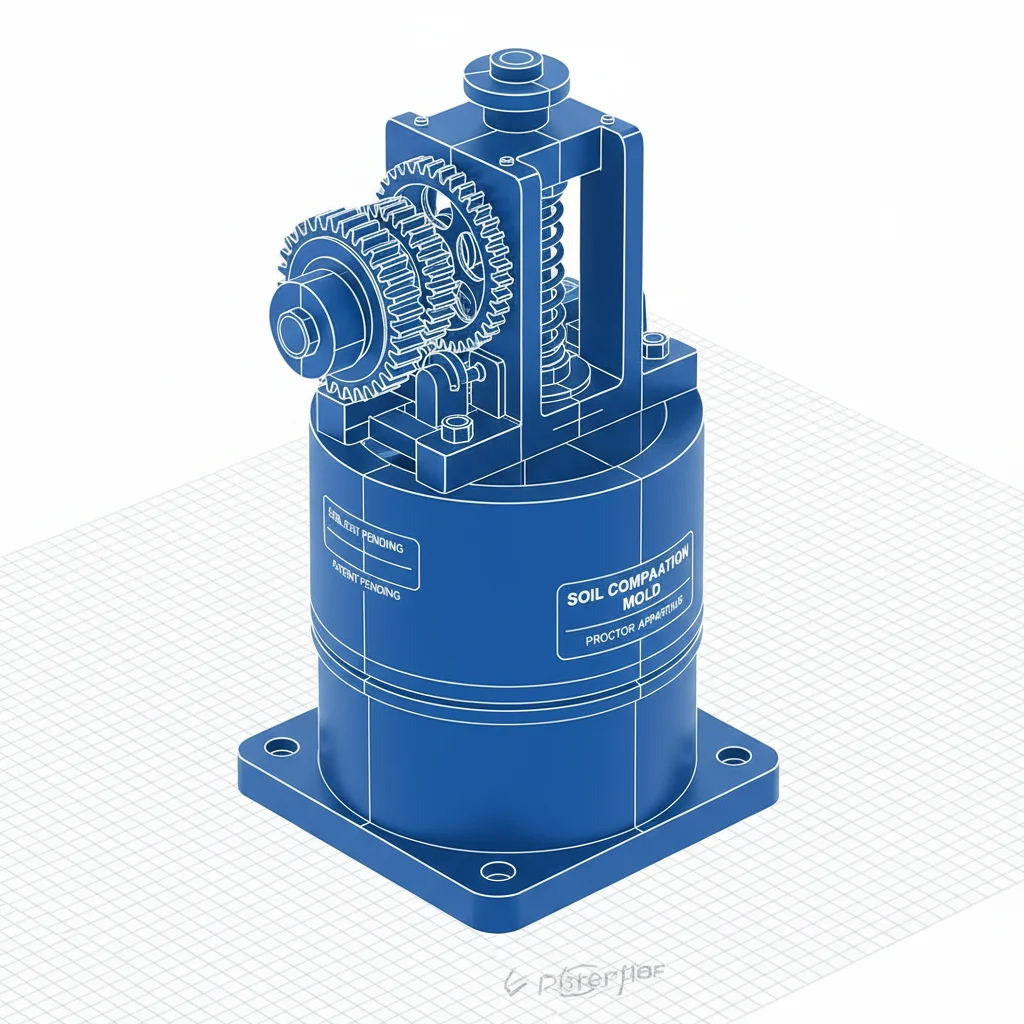
You know, these days everyone’s talking about ‘smart’ asphalt compactors. Sensors, data logging, GPS… Honestly, it's a bit much. I've been on sites for 20 years, and a good operator with a feel for the machine is still worth more than all the algorithms in the world. But, things are changing. Clients are demanding more data, and we have to adapt. It all boils down to getting a uniform density, right? That's what keeps the road from cracking after six months. And that’s what an Asphalt Marshall Compactor helps with, fundamentally.
Have you noticed how everyone wants bigger and bigger machines? They think bigger equals better. It doesn’t always. I was at a job in Sichuan last year, trying to maneuver a massive compactor on a narrow mountain road… what a nightmare. Ended up needing a crane to get it unstuck. Smaller, more agile machines are sometimes what you really need, especially in urban areas. And frankly, the cost of fuel for those behemoths is insane.
The biggest problem I see is people trying to over-engineer things. They focus so much on fancy features they forget about the basics. Like, a good vibration system. That’s critical. A poorly designed one will just shake itself apart, and then you’re stuck with downtime and repairs. And, well, a grumpy crew.
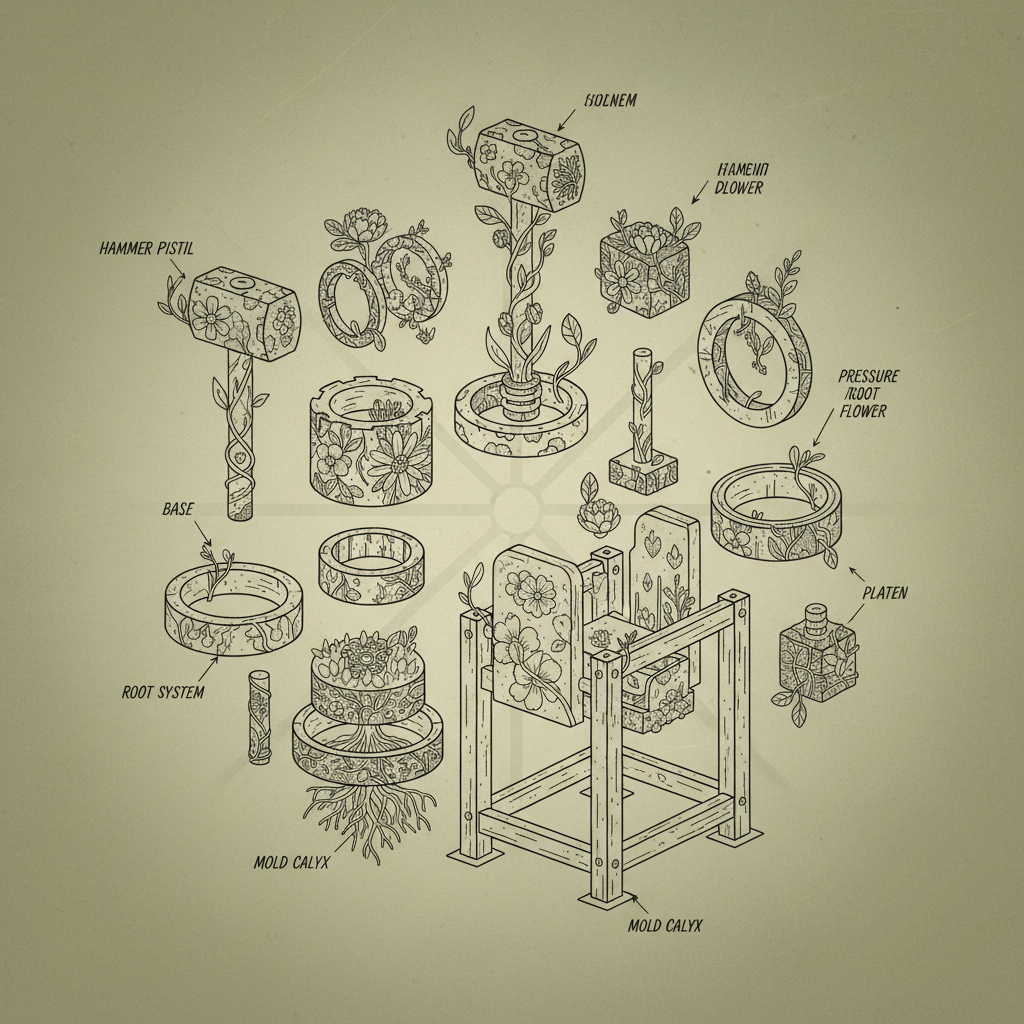
The Current Landscape of Asphalt Marshall Compaction
Strangely enough, the biggest trend I’m seeing isn’t necessarily new tech, it’s a return to basic quality. People are realizing those cheap, imported compactors just don’t hold up. They're spending more upfront now on something robust. It’s good to see. And everyone is obsessed with compaction data, right? Trying to prove they're getting their money's worth. The environmental regulations are tightening too, pushing for lower emissions and quieter machines. That's a good thing, even if it means more complex engine systems.
We're seeing a lot of demand from infrastructure projects funded by the Belt and Road Initiative. Huge scale, very demanding specs. Those guys don’t mess around. They need equipment that can run constantly, in harsh conditions.
Design Pitfalls: What To Avoid
To be honest, the biggest mistake is trying to make things too complicated. I saw a machine last year with so many sensors and control systems it took an engineer a full day just to calibrate it. And then it broke down on the first job. Keep it simple, reliable. Another thing – access for maintenance. I encountered this at a factory in Changsha last time. They’d crammed everything in so tight, you needed a contortionist to change the oil. It’s ridiculous. Think about the poor mechanic who has to fix it in the middle of nowhere.
Another big one? Poor weld quality. You might not notice it at first, but it'll show up after a few months of hard use. Cracks, fatigue… expensive repairs. It’s worth paying a little more for a compactor with properly reinforced frames.
And don't skimp on the operator's station. A comfortable, ergonomic seat and intuitive controls make a huge difference in productivity. A tired operator makes mistakes. It’s as simple as that.
Material Considerations: Beyond the Specs
Now, materials. Steel is steel, right? Wrong. The quality of steel varies massively. You want something with high tensile strength and good fatigue resistance. You can smell the difference, honestly. Cheap steel has a… metallic tang. Good steel is smoother, more substantial. The rubber mounts for the vibration system are critical too. They absorb a lot of shock and wear out quickly if they're made from low-quality rubber. I always check the durometer reading on those.
The hydraulic oil… don’t even get me started. I’ve seen guys use whatever oil they have lying around. That’s a recipe for disaster. You need a high-performance hydraulic fluid specifically designed for heavy-duty equipment. It affects everything – smoothness of operation, pump life, and overall reliability. It’s not worth saving a few bucks on.
And the asphalt itself! Different mixes require different compaction efforts. You need a compactor that can be adjusted to suit the specific material. Otherwise, you’ll end up with a road that’s either too soft or too brittle.
Real-World Testing and Performance
Lab tests are fine, but they don’t tell the whole story. I prefer to see a compactor run on a real job site, under real conditions. Throw some rocks in the mix, some rain, some uneven terrain… that’s when you really see what it’s capable of. We've started doing more “stress tests” – deliberately overloading the machine, running it at maximum capacity for extended periods. It's brutal, but it weeds out the weak ones.
We also look at how easy it is to diagnose and repair problems. We have a team that specializes in teardowns and inspections. They look for things like accessible components, clear wiring diagrams, and readily available spare parts. Downtime is money, so minimizing repair time is crucial.
Asphalt Marshall Compactor Performance Metrics
How Operators Actually Use Asphalt Marshall Compactors
Anyway, I think a lot of manufacturers underestimate how operators really use these machines. They assume they’ll follow the manual to the letter. They don’t. They’ll find shortcuts, they’ll push the machine to its limits, and they’ll adapt it to their own workflow. We need to design for that. I've seen operators add extra ballast to get more compaction force. Not recommended, but they do it.
They also use the compactor as a glorified parking brake sometimes. I’m not kidding. They'll stop on a steep slope and just rely on the weight of the machine to hold it in place. It's a bad habit, but it happens.
Advantages and Disadvantages: The Honest Truth
Look, the advantages are obvious: increased density, improved road lifespan, reduced maintenance costs. A good Asphalt Marshall Compactor pays for itself over time. But there are drawbacks. They're expensive, for one. And they require skilled operators. A poorly operated compactor can do more harm than good. And those sensors? They can be a pain to calibrate and maintain. I've seen operators just disable them because they couldn’t be bothered with the hassle.
Also, some of the newer models are just too complicated. Too many bells and whistles. I prefer something simple, reliable, and easy to fix. I'm a firm believer in the KISS principle – Keep It Simple, Stupid.
But, honestly, the biggest disadvantage is relying too much on the machine and not enough on the operator's skill and judgment. It's a tool, not a replacement for experience.
Customization and Specific Applications
We had a customer in Shenzhen last month, a small boss who makes smart home devices. Insisted on changing the interface to , even though it wasn't necessary. Said it "looked more modern." The result? It took him a week to find a compatible charger, and he almost missed his delivery deadline. It's crazy sometimes. But customization is important. We can adjust the vibration frequency, the drum width, the ballast weight to suit specific applications.
For example, we recently modified a compactor for a project in the Gobi Desert. Added extra dust suppression measures and reinforced the cooling system to handle the extreme temperatures. It was a challenging project, but we got it done.
And some clients want integrated GPS tracking and remote monitoring. It gives them peace of mind, knowing where their equipment is and how it's being used. But, again, you have to balance the benefits with the complexity.
Here is a simple table summarizing common customizations for Asphalt Marshall Compactors.
| Modification Type |
Application Area |
Estimated Cost (USD) |
Impact on Performance |
| Vibration Frequency Adjustment |
Dense Asphalt & Granular Materials |
$500 - $1,500 |
Improves compaction efficiency by 5-10% |
| Drum Width Modification |
Narrow Roads & Confined Spaces |
$1,000 - $3,000 |
Enhances maneuverability; slight reduction in coverage area. |
| Enhanced Dust Suppression System |
Dry & Dusty Environments |
$800 - $2,000 |
Reduces dust emissions, improves visibility, and operator comfort. |
| Reinforced Cooling System |
Hot Climates & Heavy-Duty Applications |
$1,200 - $2,500 |
Prevents overheating, extends engine life. |
| GPS Tracking & Remote Monitoring |
Fleet Management & Security |
$700 - $1,800 (plus monthly subscription) |
Improves asset utilization, reduces theft risk. |
| Specialized Drum Coatings |
Sticky Asphalt & Difficult Materials |
$300 - $700 |
Minimizes material adhesion, simplifies cleaning. |
FAQS
That really depends on how well it's maintained. A well-cared-for machine can easily last 10,000-15,000 hours. But I've seen some abused to death in half that time. Regular oil changes, greasing, and prompt repairs are key. And don't ignore the little things – a loose bolt can lead to a major breakdown. We advise a full inspection every 500 hours and a major overhaul around 5,000 hours.
Operators need to understand compaction principles, machine controls, and safety procedures. A proper training course should cover things like material characteristics, compaction patterns, and troubleshooting common issues. It's not just about driving the machine; it's about understanding how to get the best results. We offer on-site training programs tailored to specific job requirements.
Weather plays a huge role. Rain can significantly reduce compaction efficiency. Cold temperatures make the asphalt stiffer, requiring more passes. Extreme heat can cause the asphalt to become too soft, leading to rutting. You need to adjust your compaction strategy based on the conditions. That’s where experience comes in. We’ve seen operators use heating blankets to warm up the asphalt in cold weather.
The most frequent problems? Hydraulic leaks, worn vibration mounts, and electrical issues. The hydraulic system is under a lot of stress, so leaks are common. The vibration mounts take a beating and need to be replaced periodically. Electrical problems are often caused by corrosion or damaged wiring. Preventive maintenance is crucial to avoid these issues. Regularly check fluid levels, inspect hoses and wires, and tighten loose connections.
They can be used for soil compaction, but it’s not their primary purpose. They're optimized for asphalt, which has different compaction characteristics than soil. You’ll need to adjust the vibration frequency and amplitude, and you might not achieve the same level of compaction as with a dedicated soil compactor. It depends on the soil type and the required density.
Static compaction relies on the weight of the machine to compress the material. Vibratory compaction uses vibration to increase the density. Vibratory compaction is much more efficient for asphalt. The vibration helps the asphalt particles interlock, creating a stronger, more durable surface. Static compaction is more often used for soil. You need both techniques, just at different times and for different materials.
Conclusion
So, at the end of the day, the Asphalt Marshall Compactor is a complex machine with a lot to consider. From the materials it's made of to the way it's operated and maintained, every detail matters. The industry is moving towards more data and automation, but the fundamental principles of good compaction remain the same.
Ultimately, whether this thing works or not, the worker will know the moment he tightens the screw. You can have all the fancy sensors in the world, but if the road’s cracking up after a year, it doesn’t matter. It’s about building something that lasts. And that takes skill, experience, and a good, reliable machine.