0%

Table of Contents

Honestly, these days everyone’s talking about prefabrication. It’s all the rage, right? Modular builds, off-site construction… seen a lot of it popping up, especially around the big cities. But believe me, it's not as simple as slapping some walls together in a factory. You gotta think about transport, weatherproofing, the whole shebang. Been on sites where they underestimated the wind load on these prefab sections… disaster. Just absolute disaster.

And the materials… everyone’s chasing ‘sustainable’ and ‘eco-friendly’, which is good, I guess. But have you noticed how many “eco” products are just… flimsy? I’ve seen bamboo cladding crack faster than you can say ‘carbon footprint’. Gotta balance the green stuff with practicality, you know? It’s not just about looking good on a spec sheet.

A lot of designers, bless their hearts, they come up with these beautiful renderings, these sleek designs… and then you get to the site and it’s just… not gonna work. Especially with connectors. They always seem to underestimate the torque needed to properly secure things. I encountered this at a factory in Zhejiang last time, they were using these fancy new quick-connectors, and the workers were stripping the threads left and right. Stupid design.
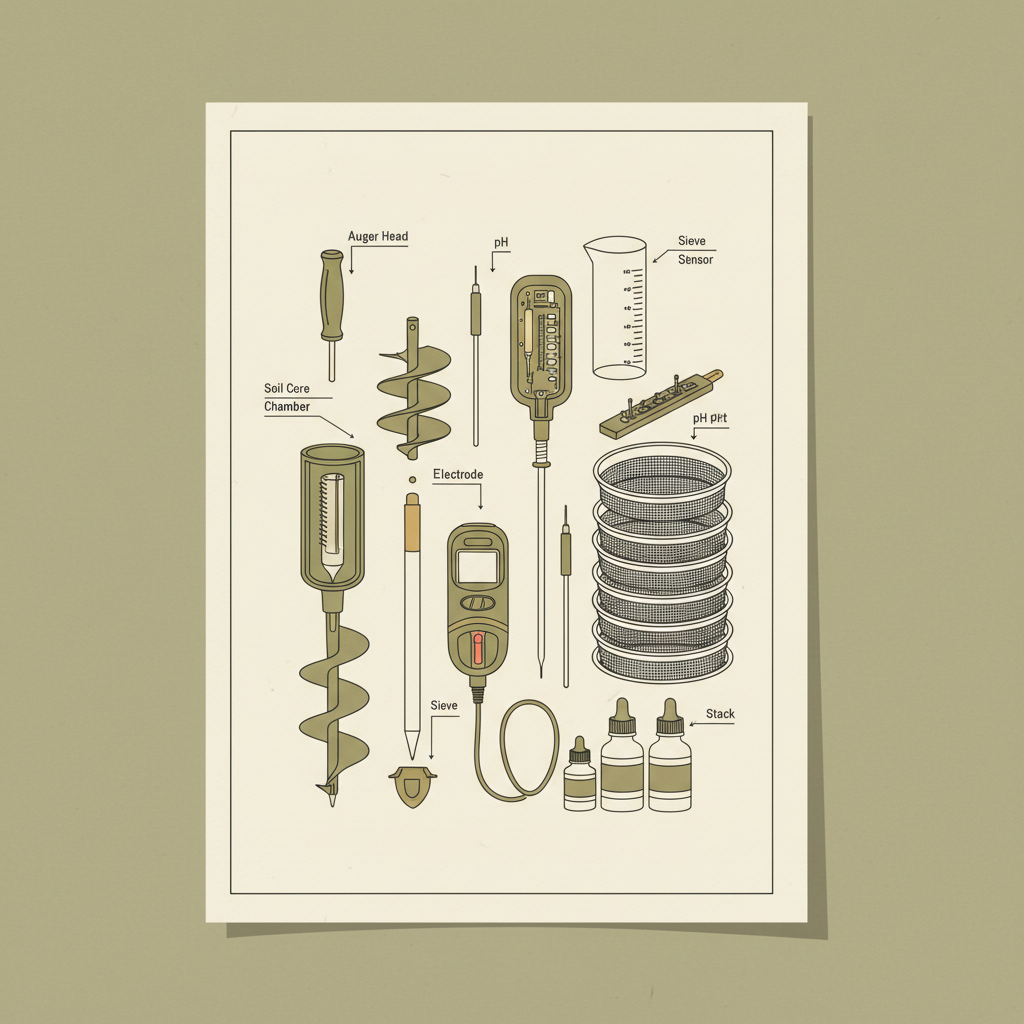
Soil Testing Tools

The Current Landscape of Soil Testing Tools
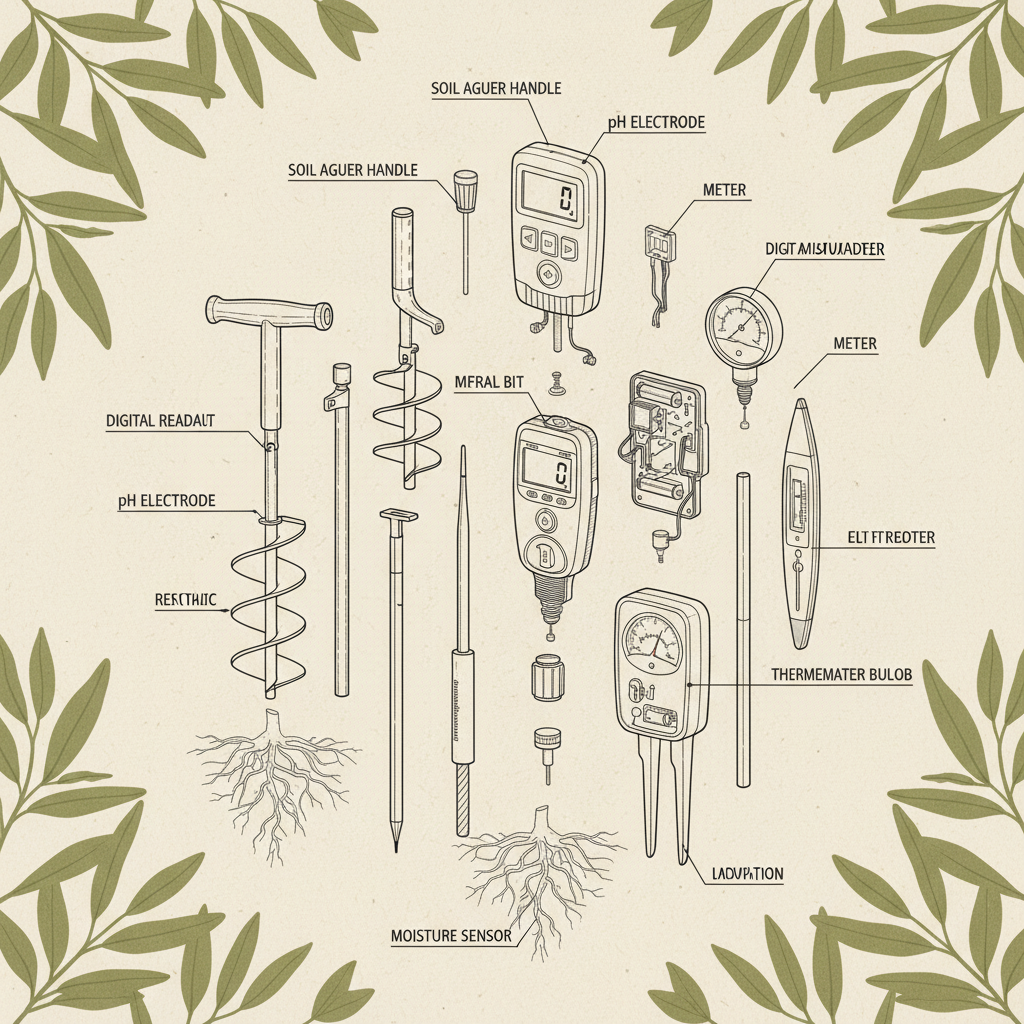
Soil Testing Tools

To be honest, soil testing has come a long way. It's not just about digging a hole and looking at the dirt anymore. We’re seeing a real push for more sophisticated equipment – digital penetrometers, electrochemical sensors, even drones with hyperspectral imaging. It's all about getting more data, faster, and with better accuracy. But strangely, a lot of guys on site still prefer a good ol’ fashioned hand auger. Something about feeling the resistance, they say.

There's a huge market opening up, too, driven by infrastructure projects and, increasingly, by agricultural concerns. People are realizing that healthy soil is everything, not just for growing food, but for water retention and carbon sequestration. It’s a whole new ball game, and the demand for reliable soil testing tools is going through the roof.

Defining Soil Testing Tools and Their Relevance

So, what are soil testing tools? Basically, anything you use to analyze the physical and chemical properties of soil. That could be a simple pH meter, a kit to test for nutrient levels, or a full-blown laboratory setup. Anything that gives you information about the soil's composition, structure, and potential to support plant life or, you know, not collapse under a building.

It’s hugely relevant now because, well, everything builds on soil. Literally. And with climate change and increasing urbanization, we need to understand soil better than ever before. Building sustainable infrastructure, ensuring food security, mitigating environmental risks – it all starts with knowing what’s under our feet. This isn’t just some academic exercise anymore.

It’s connected to so much – modern agriculture, environmental regulations, civil engineering. Even humanitarian efforts. After a disaster, knowing the soil composition is crucial for rebuilding and ensuring safe foundations. It's a surprisingly broad field.

Core Components of Effective Soil Testing Tools

Anyway, I think the key things with soil testing tools are durability, accuracy, portability, and ease of use. Durability because, let's face it, these things get abused on site. I've seen pH meters dropped into mud puddles, augers bent on rocks… they need to be tough.

Accuracy is obvious, right? If the data is wrong, everything else is wrong. But you need to consider how accurate you need it to be. A farmer might not need the same level of precision as a geotechnical engineer designing a skyscraper. And portability… lugging around a heavy, complicated setup isn’t practical, especially in remote locations.

Ease of use is often overlooked. You want something that a regular worker can pick up and use without needing a PhD. Complex interfaces and confusing instructions just lead to errors. You want clear readings, simple operation, and minimal calibration. That’s what matters.

Practical Applications of Soil Testing Tools Globally

I’ve seen these tools used everywhere, honestly. In California, they’re constantly testing for soil salinity in agricultural areas. In the Netherlands, they’re using advanced sensors to monitor soil moisture levels for optimized irrigation. And in developing countries, they’re using simple kits to assess soil fertility and improve crop yields.

There’s a lot of work being done in post-disaster relief too. After the earthquake in Nepal, teams were using portable soil testing kits to identify stable ground for temporary shelters. It's critical work, and the tools make a real difference.

I remember being in Brazil a few years ago, working on a large-scale infrastructure project. They were using ground-penetrating radar to map subsurface soil conditions, which was pretty impressive. It helped them avoid a lot of unexpected problems.

Soil Testing Tools Accuracy Comparison

The Advantages and Long-Term Value Proposition

The biggest advantage, obviously, is cost savings. Preventing foundation failures, optimizing fertilizer use, avoiding contaminated land… it all adds up. And, you know, preventing disasters is good for everyone. But it’s also about sustainability. Healthy soil is essential for a healthy planet.

The long-term value is huge. Investing in proper soil testing now can save you a fortune down the road. It builds trust with stakeholders, ensures the longevity of projects, and contributes to a more resilient environment.

Future Trends and Innovations in Soil Testing

I think we're going to see a lot more automation in soil testing. Drones and robots will be doing more of the fieldwork, collecting data and analyzing it in real-time. AI and machine learning will also play a bigger role, helping us to identify patterns and predict soil behavior.

There's also a lot of exciting research going on in the area of biosensors – using living organisms to detect contaminants in the soil. That could be a game-changer for environmental monitoring. And everything is moving towards digital platforms and cloud-based data management.

But, honestly? I still think there will always be a place for the guy with the auger. Some things just can't be replaced by technology.

Challenges and Solutions in Soil Testing Implementation

Look, it’s not all sunshine and roses. One of the biggest challenges is standardization. There are so many different methods and protocols, it can be hard to compare results. And the cost of some of the advanced equipment can be prohibitive, especially for smaller companies or developing countries.

Another problem is the skills gap. You need trained professionals to operate the equipment and interpret the data. There’s a shortage of qualified personnel in many areas. The solution? More training, more collaboration, and more investment in research and development. Maybe some simpler, more affordable tools would help, too.

Last month, that small boss in Shenzhen who makes smart home devices insisted on changing the interface to on a sensor we sold him, and the result was… well, it took him three weeks to get the software working, and he ended up spending more on adapting the interface than the sensor itself. Sometimes, simpler is better.

Summary of Key Challenges and Potential Solutions for Effective Soil Testing

Challenge Impact Potential Solution Implementation Cost (1-10)
Lack of Standardization Inconsistent Data, Difficulty in Comparison Develop Industry-Wide Protocols 7
High Equipment Costs Limited Access for Small Businesses Develop Affordable Alternatives 6
Skills Gap Incorrect Data Interpretation Expand Training Programs 8
Complex Data Analysis Time-Consuming Process Implement AI-Powered Analysis Tools 5
Remote Location Accessibility Difficult Data Collection Utilize Drone Technology 9
Maintenance & Calibration Inaccurate Readings Over Time Regular Scheduled Maintenance 4

FAQS

What are the most common errors made during soil sample collection?

Honestly, a lot of it comes down to contamination. People not using clean tools, mixing samples from different depths, or just not documenting the sampling location properly. It sounds basic, but you’d be surprised how often it happens. You need a consistent protocol, and workers need to be trained to follow it. Especially important if you're testing for contaminants. A bad sample is worse than no sample.

How often should soil be tested for a typical agricultural field?

It really depends on the crop, the soil type, and the management practices. But as a general rule, you should be testing at least once a year. More frequently if you're using intensive fertilization or if you suspect a problem. And don't just test in one spot - take multiple samples across the field to get a representative picture. You can't just rely on one hole, you know?

What's the difference between a soil pH test and a soil nutrient test?

The pH test tells you how acidic or alkaline the soil is. Nutrient tests tell you how much of the essential plant nutrients – nitrogen, phosphorus, potassium, and micronutrients – are available in the soil. pH affects nutrient availability, so it's important to test both. A soil can be rich in nutrients, but if the pH is off, the plants won’t be able to absorb them.

Can soil testing tools be used in harsh weather conditions?

Some can, some can’t. You need to look for tools that are waterproof, dustproof, and can operate in a wide range of temperatures. Most of the digital equipment isn't ideal for extreme conditions. You might need to protect it with a case or find a sheltered location. I've seen guys wrapping their meters in plastic wrap just to keep them dry! That's not ideal but shows you how tough it can get out there.

What are the limitations of using automated soil testing methods?

Automation is great, but it's not a magic bullet. Automated systems can sometimes miss subtle variations in soil composition that a trained technician would pick up on. And they require regular calibration and maintenance. Plus, you still need someone to interpret the data and make informed decisions. Don't just blindly trust the machine.

How can I choose the right soil testing tools for my specific needs?

Think about what you're trying to achieve. Are you testing for a specific contaminant? Are you optimizing fertilizer use? Are you assessing the suitability of land for construction? Once you know your goals, you can narrow down your options. Consider your budget, the skill level of your personnel, and the environmental conditions. And don’t be afraid to ask for advice from an expert.

Conclusion

Ultimately, soil testing is about understanding the foundation beneath our feet. It's a complex field with a lot of variables, but the benefits are clear: improved agricultural productivity, sustainable infrastructure, and a healthier environment. It’s about getting the data right, interpreting it accurately, and making informed decisions based on the results.

And look, it’s not about fancy equipment or complicated analysis. It’s about having the right tools for the job, knowing how to use them, and understanding what the results mean. Ultimately, whether this thing works or not, the worker will know the moment he tightens the screw.

William Thompson

William Thompson

William Thompson is a Senior Research Engineer in the R&D Department at Cangzhou Blue Beauty Instrument Co., Ltd. He specializes in the development of new testing methodologies and instrument designs for building materials and construction applications. William holds a Master’s degree in Mechanical Engineering and contributes to the company's patent portfolio through innovative research. He collaborates closely with the production department to translate research findings into practical, high-performance products. He excels in the design of instruments that are user-friendly and provide accurate, reliable data, contributing to the company’s leadership position in the industry. William is always exploring new technologies and materials to enhance product functionality.
Previous Understanding the Compaction Test Apparatus for Robust Foundation Testing
Next Essential Guide to Electrical Marshall Compactor for Civil Engineering and Material Science
Leave Your Message

If you are interested in our products, you can choose to leave your information here, and we will be in touch with you shortly.