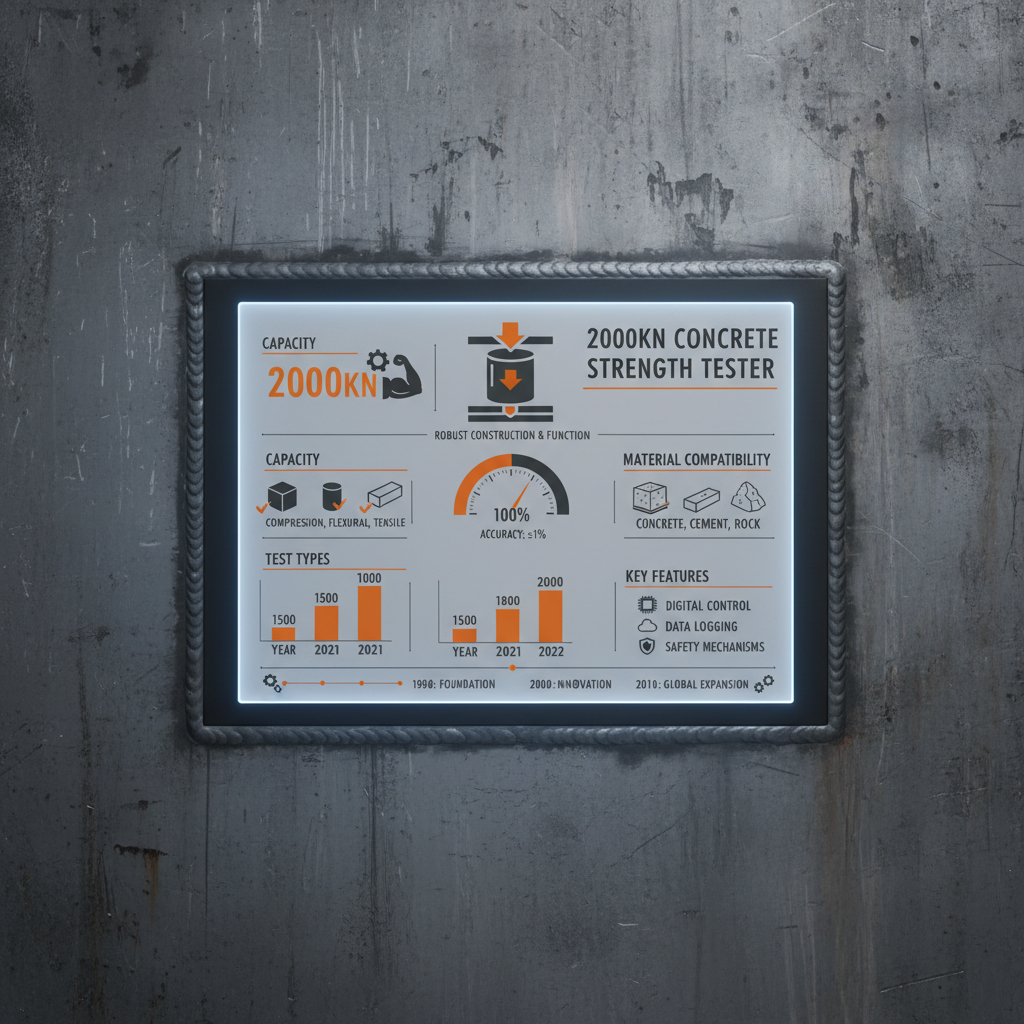
The 2000KN Concrete Strength machine is a cornerstone of modern civil engineering and construction, playing a vital role in ensuring the safety and durability of infrastructure projects worldwide. From towering skyscrapers to essential roadways, the reliability of concrete is paramount, and this machine provides the precise testing necessary to guarantee its structural integrity. Understanding the capabilities and applications of a 2000KN Concrete Strength machine is crucial for engineers, construction professionals, and researchers alike.
Globally, the demand for robust and reliable construction materials is ever-increasing, driven by rapid urbanization and a growing need for sustainable infrastructure. The 2000KN Concrete Strength machine addresses the critical challenge of verifying concrete quality, mitigating risks associated with structural failures, and upholding industry standards. Its precision contributes directly to public safety and economic stability.
Furthermore, advancements in concrete technology, such as high-performance concrete and self-compacting concrete, require increasingly sophisticated testing methodologies. The 2000KN Concrete Strength machine is equipped to handle these modern materials, providing accurate data crucial for optimizing concrete mixes and ensuring long-term performance.
The Importance of 2000KN Concrete Strength Machine
A 2000KN Concrete Strength machine represents a critical investment in quality control within the construction industry. Its primary function is to accurately determine the compressive strength of concrete specimens, a key indicator of their load-bearing capacity and overall durability. Without precise testing, structural failures can occur, leading to significant financial losses, safety hazards, and reputational damage.
The capacity of 2000KN (kilonewtons) specifies the maximum force the machine can apply, making it suitable for testing a wide range of concrete strengths commonly used in modern construction. It’s an essential tool for ensuring compliance with building codes, industry standards (like ASTM and EN standards), and project specifications, providing confidence in the integrity of built structures.
Global Context and Industry Relevance
The global construction industry is a multi-trillion-dollar market, with a consistent demand for high-quality construction materials. According to the United Nations, the world population is projected to reach nearly 10 billion by 2050, intensifying the need for robust infrastructure to support urban growth and development. This growth directly translates into increased demand for reliable concrete testing equipment like the 2000KN Concrete Strength machine.
Organizations like the World Bank prioritize infrastructure development in developing nations, and rigorous quality control, facilitated by equipment like this machine, is crucial for ensuring the sustainability and long-term viability of these projects. Adherence to ISO standards for material testing further emphasizes the global importance of accurate and consistent concrete strength determination.
The need to mitigate risks associated with natural disasters – earthquakes, hurricanes, and floods – also underscores the importance of reliable concrete structures. A 2000KN Concrete Strength machine plays a role in verifying that concrete used in critical infrastructure can withstand these forces, safeguarding lives and property.
Defining the 2000KN Concrete Strength Machine
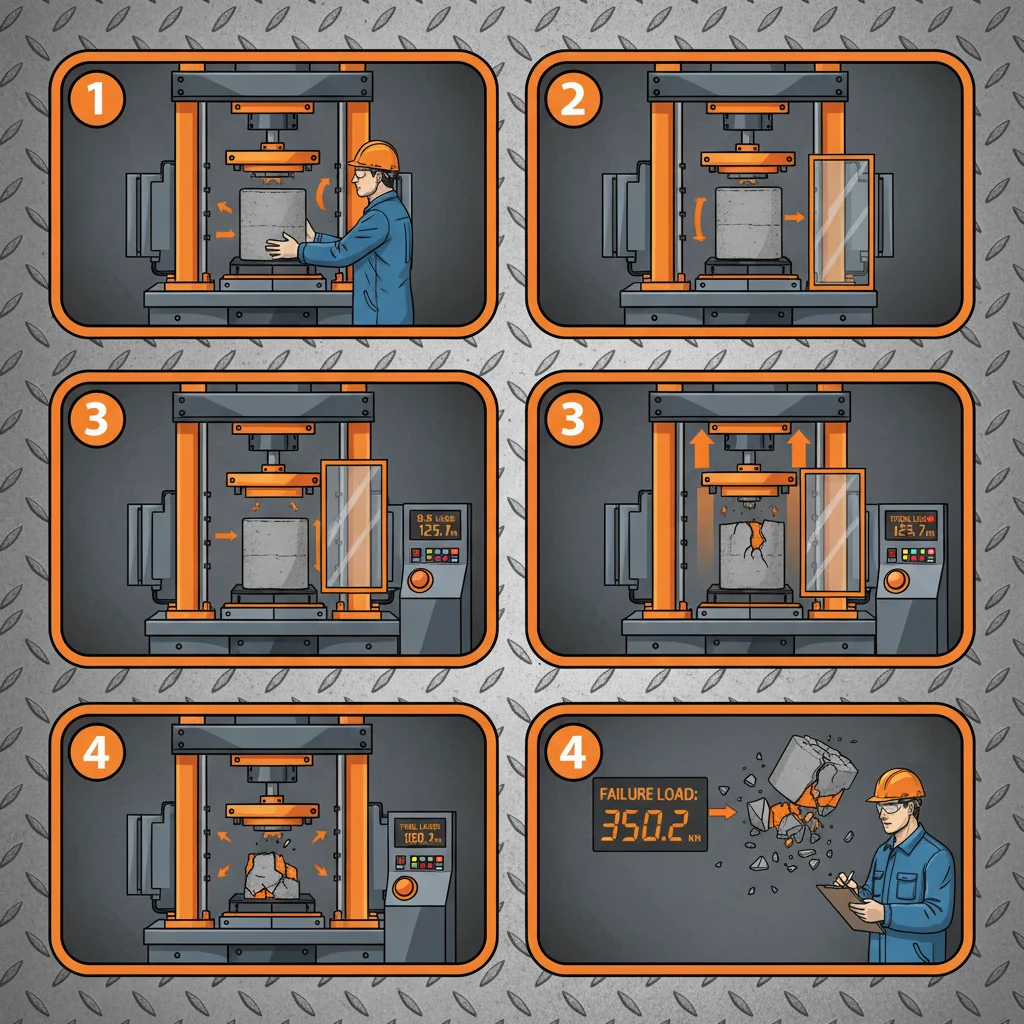
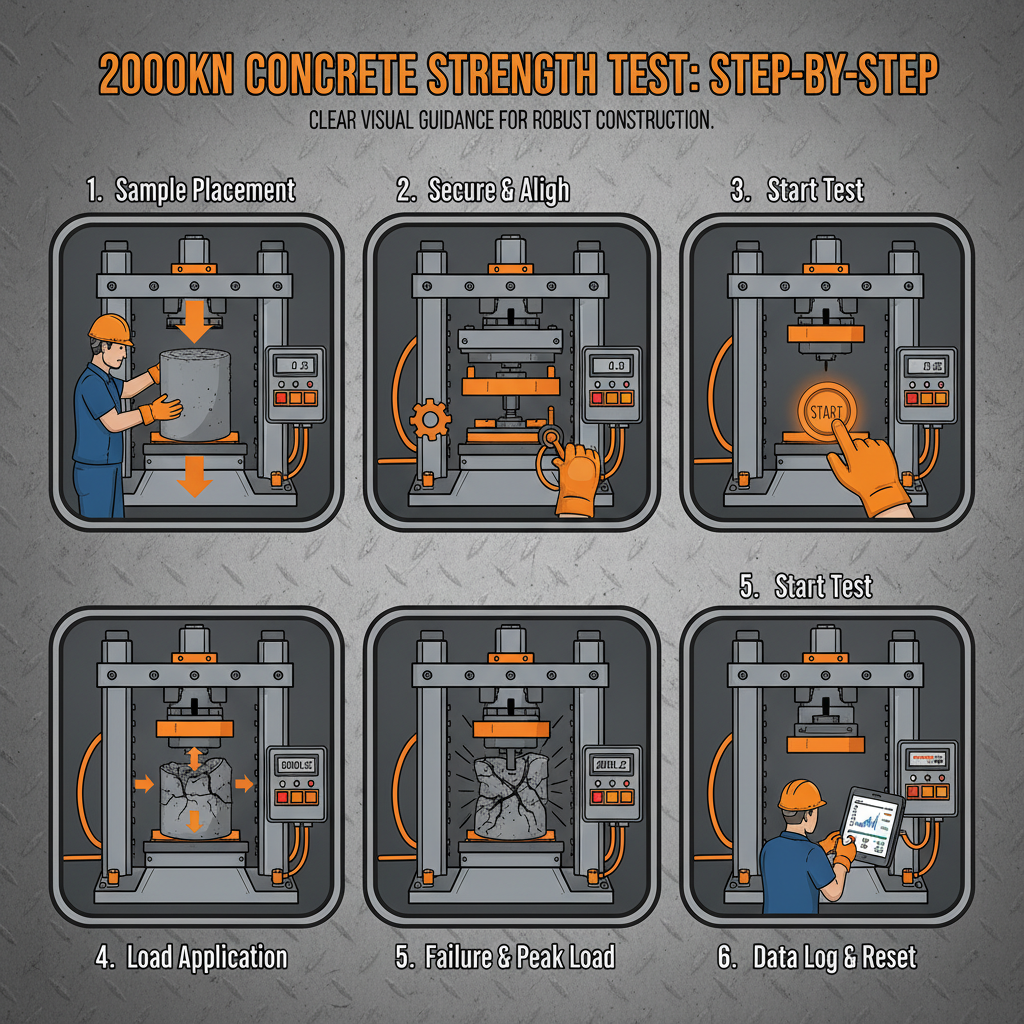
A 2000KN Concrete Strength machine is a specialized piece of laboratory equipment designed to measure the compressive strength of concrete specimens. It applies a controlled axial load to a concrete cylinder or cube until it fails, recording the maximum load sustained before fracturing. This load is then used to calculate the compressive strength, expressed in megapascals (MPa) or pounds per square inch (psi).
Essentially, the machine simulates the stresses that concrete will encounter in real-world applications, providing a quantifiable measure of its ability to withstand those forces. This data is crucial for verifying that concrete mixes meet specified strength requirements and ensuring structural safety. Modern machines often incorporate automated data acquisition and analysis systems, enhancing accuracy and efficiency.
The machine’s connection to modern industry and humanitarian needs lies in its contribution to building safe, durable, and sustainable infrastructure. Whether constructing bridges, buildings, dams, or disaster-resistant housing, accurate concrete strength testing is fundamental to the success of these projects, benefitting communities worldwide.
Key Operational Factors
Several key factors determine the effectiveness and reliability of a 2000KN Concrete Strength machine. Accuracy and Calibration are paramount, demanding regular calibration against traceable standards to ensure precise measurements. Without this, results can be skewed, potentially compromising structural safety.
Load Cell Capacity and Resolution define the machine’s ability to measure a wide range of concrete strengths with sufficient detail. A high-resolution load cell provides more precise data, allowing for subtle differences in concrete performance to be detected. Specimen Preparation is also critical; consistent specimen size and surface finish are essential for reproducible results.
Comparative Analysis of 2000KN Concrete Strength Machine Methods
Applications Across Industries
The applications of a 2000KN Concrete Strength machine are widespread across various industries. In civil engineering, it's fundamental for testing concrete used in bridges, buildings, tunnels, and other infrastructure projects. In construction materials manufacturing, it ensures that concrete mixes meet specified quality standards before being delivered to construction sites.
Precast concrete companies rely on the machine to verify the strength of their products, ensuring consistent quality and adherence to design specifications. In research and development, it is used to investigate the properties of new concrete mixes and assess the performance of innovative construction materials. In post-disaster relief operations, rapid concrete testing can help assess the structural integrity of damaged buildings.
Long-Term Benefits and Value Proposition
Investing in a 2000KN Concrete Strength machine offers substantial long-term benefits. Reduced risk of structural failures translates into significant cost savings by minimizing repairs, replacements, and potential legal liabilities. Enhanced sustainability is achieved by ensuring the longevity of infrastructure projects, reducing the need for premature demolition and reconstruction.
The machine fosters trust and confidence among stakeholders—engineers, builders, clients, and the public—knowing that structures are built to withstand anticipated loads and environmental conditions. It promotes innovation by enabling the development and testing of new, high-performance concrete materials. Ultimately, it contributes to safety and the well-being of communities.
The reliability and precision of a 2000KN Concrete Strength machine are vital for maintaining the structural integrity of critical infrastructure for decades to come.
Future Trends and Technological Advancements
The future of 2000KN Concrete Strength machine technology is poised for innovation. Automation and digitalization are key trends, with machines increasingly incorporating automated specimen handling, data acquisition, and analysis capabilities. Artificial intelligence (AI) and machine learning algorithms can be integrated to predict concrete strength based on mix design and testing data, optimizing quality control processes.
Non-destructive testing (NDT) methods, such as ultrasonic pulse velocity and ground-penetrating radar, are being developed to complement traditional compressive strength testing, providing a more comprehensive assessment of concrete integrity without causing damage. The growing emphasis on sustainable construction is driving the development of eco-friendly concrete mixes, requiring advanced testing methods to evaluate their performance.
These advancements will lead to more efficient, accurate, and sustainable concrete testing, further enhancing the reliability and durability of infrastructure projects globally.
Challenges and Solutions in 2000KN Concrete Strength Machine Usage
| Challenge |
Impact on 2000KN Concrete Strength Machine Results |
Potential Solutions |
Implementation Cost |
| Calibration Drift |
Inaccurate Strength Readings |
Regular Calibration Schedule and Traceable Standards |
Low (Annual Calibration) |
| Operator Error |
Inconsistent Specimen Placement or Data Recording |
Comprehensive Training and Standard Operating Procedures |
Medium (Initial Training Investment) |
| Specimen Variability |
Fluctuations in Concrete Mix and Curing Conditions |
Strict Quality Control During Mixing and Curing |
Medium (Enhanced QC Procedures) |
| Machine Maintenance |
Mechanical Failures and Inaccurate Readings |
Preventative Maintenance Schedule and Qualified Technicians |
Medium (Regular Maintenance Contracts) |
| Environmental Factors |
Temperature and Humidity Fluctuations |
Controlled Laboratory Environment |
High (Environmental Control Systems) |
| Data Management |
Difficulty Tracking and Analyzing Test Results |
Implementation of a Laboratory Information Management System (LIMS) |
High (Software and Integration Costs) |
FAQS
The typical procedure involves preparing concrete cylinders or cubes according to standard specifications, placing them within the machine, applying a steadily increasing compressive load at a controlled rate, and recording the maximum load sustained before failure. This maximum load is then used to calculate the compressive strength of the concrete. Proper specimen preparation, machine calibration, and operator adherence to testing standards are crucial for obtaining accurate results. Typically, multiple specimens are tested to ensure statistical validity.
A 2000KN Concrete Strength machine should be calibrated at least annually, or more frequently if it’s subjected to heavy use or if accuracy is critical. Calibration involves verifying the accuracy of the load cell and ensuring that the machine applies force consistently. Calibration should be performed by a qualified technician using traceable standards. Maintaining a detailed calibration record is essential for quality control and regulatory compliance.
Operating a 2000KN Concrete Strength machine requires strict adherence to safety protocols. Always wear appropriate personal protective equipment (PPE), including safety glasses and hearing protection. Ensure that the machine is properly grounded and that all safety guards are in place. Never enter the testing chamber while the machine is in operation. Follow the manufacturer’s instructions and receive proper training before operating the equipment.
A 2000KN Concrete Strength machine can typically test both cylindrical and cubic concrete specimens, as well as core samples extracted from existing structures. The specific dimensions of the specimens must conform to relevant testing standards (e.g., ASTM C39 for cylinders, ASTM C78 for cubes). The machine's capacity is suitable for a wide range of concrete strengths commonly used in construction.
Compressive strength, measured by a 2000KN machine, indicates a concrete’s resistance to crushing forces. Tensile strength, however, measures a concrete’s resistance to pulling or bending forces. While concrete is strong in compression, it’s relatively weak in tension. Tensile strength is often determined through flexural testing or splitting tensile tests, using different types of testing apparatus than a compressive strength machine.
Data from a 2000KN Concrete Strength machine is fundamental to quality control in concrete production and construction. It verifies that concrete mixes meet specified strength requirements, ensuring structural integrity and safety. Consistent testing allows for the identification of potential problems in the mixing process or curing conditions, enabling corrective actions to be taken. The data is also used for documentation and reporting purposes, demonstrating compliance with industry standards and building codes.
Conclusion
In conclusion, the 2000KN Concrete Strength machine is an indispensable tool for ensuring the quality, safety, and durability of concrete structures worldwide. From verifying compliance with building codes to facilitating innovation in concrete technology, its role is critical in modern civil engineering and construction. Investing in a reliable machine and adhering to proper testing procedures is paramount for mitigating risks and building a more sustainable future.
Looking ahead, the integration of automation, AI, and non-destructive testing methods will further enhance the capabilities of 2000KN Concrete Strength machines, enabling more efficient and comprehensive concrete assessment. Continued emphasis on standardization, calibration, and operator training will be crucial for maintaining the accuracy and reliability of testing results, safeguarding the integrity of our built environment. For further information and to explore our range of concrete testing equipment, please visit our website: www.czlabinstrument.com.