
The field of material science and engineering is critical to innovation across countless industries, and at its heart lies the ability to rigorously test materials. The Universal Material Testing Machine is a cornerstone of this testing, providing the means to characterize a material's response to various forces – tension, compression, bending, and more. Its impact extends from ensuring the safety and reliability of infrastructure to developing new, high-performance materials for aerospace and biomedical applications.
Globally, the demand for robust material testing capabilities is steadily increasing, driven by stricter safety regulations, the need for lighter and stronger materials, and a growing emphasis on sustainability. According to ISO standards, quality control and material certification are paramount in international trade and manufacturing. This necessitates widespread access to reliable testing equipment, like the Universal Material Testing Machine, capable of providing accurate and repeatable results.
The increasing complexity of modern materials—composites, polymers, and alloys—requires increasingly sophisticated testing methods. The Universal Material Testing Machine is adaptable to these challenges, serving as an indispensable tool for research, development, and quality assurance, ensuring products meet performance expectations and safety standards worldwide.
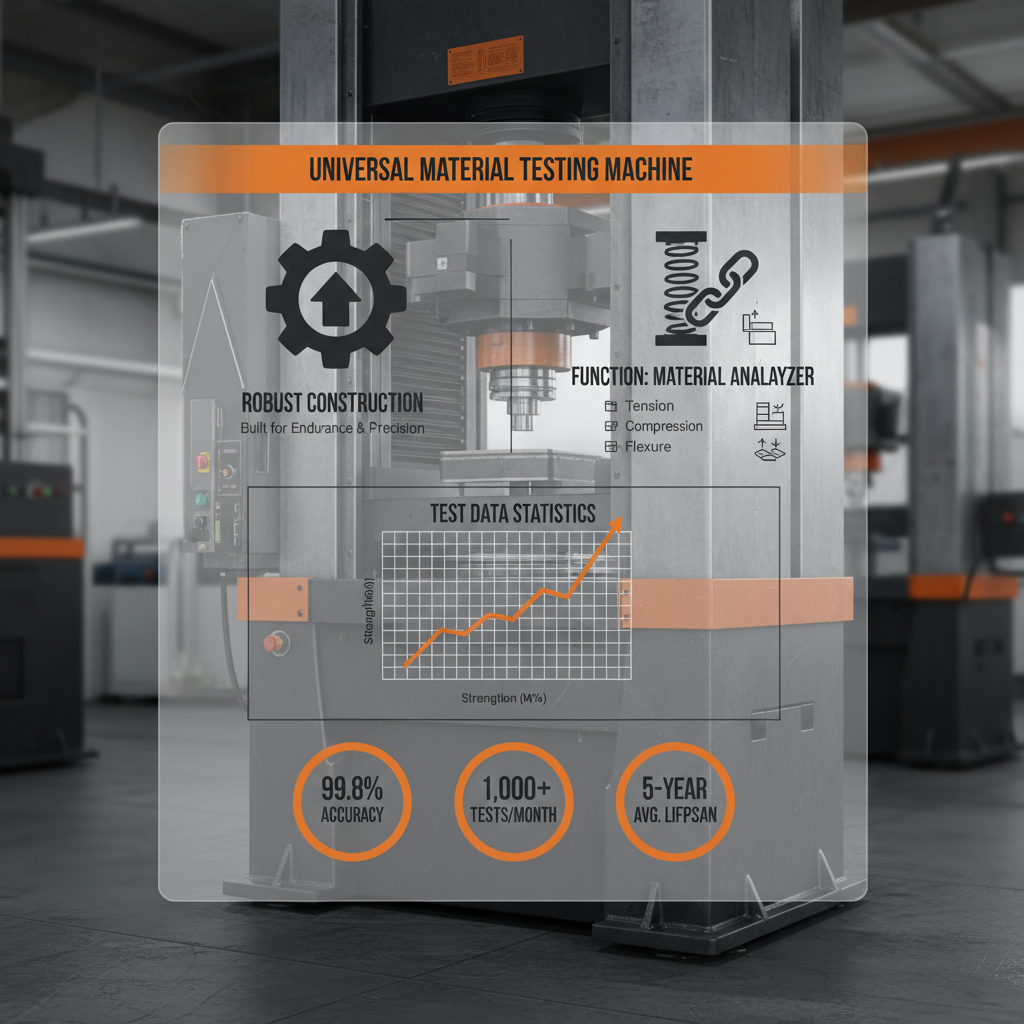
The Importance of Universal Material Testing Machine
The Universal Material Testing Machine isn't merely a piece of laboratory equipment; it’s a fundamental tool in ensuring product integrity and public safety. From the steel beams in skyscrapers to the plastics in everyday consumer goods, materials are constantly subjected to stresses that determine their lifespan and performance. Without rigorous testing, failures can occur, leading to costly repairs, injuries, or even catastrophic events.
The ability to accurately predict how a material will behave under different conditions is crucial for innovation. Engineers rely on data generated by Universal Material Testing Machines to design more efficient, durable, and sustainable products. This data informs material selection, optimizes designs, and validates manufacturing processes, contributing to a higher quality of life and driving economic growth.
FAQS
While both instruments assess material properties, a Universal Testing Machine measures a broader range of mechanical properties like tensile strength, compression, and elongation, making it versatile. A Hardness Tester, as the name suggests, specifically measures a material's resistance to localized plastic deformation—its hardness. UTMs provide a comprehensive profile, while hardness testers offer a single, focused metric.
Calibration frequency depends on usage and industry standards. Generally, annual calibration is recommended, but high-usage machines or those in regulated industries may require more frequent checks—every six months or even quarterly. Regular calibration ensures the accuracy and reliability of test results, and is essential for maintaining compliance.
A wide variety of grips and fixtures are available, tailored to different material types and test configurations. Common options include wedge grips for metals, pneumatic grips for rubber and plastics, and specialized fixtures for bending, torsion, and shear tests. Selecting the correct grip is crucial for ensuring accurate and repeatable results.
Yes, Universal Material Testing Machines are commonly used to test composite materials. However, specialized grips and test procedures are often required to prevent damage to the material during testing. Fiber-reinforced composites require careful consideration of grip pressure and alignment to avoid delamination or premature failure.
UTM software typically provides control over test parameters, data acquisition, and analysis. Many software packages offer features such as real-time data display, automated test procedures, statistical analysis, and report generation. Some software also integrates with other data management systems for seamless data transfer and archiving.
Safety is paramount when operating a UTM. Always wear appropriate personal protective equipment (PPE), including safety glasses. Ensure the specimen is securely gripped and that the test area is clear of personnel during testing. Be aware of potential hazards such as flying debris or sudden material failure. Adhere to the manufacturer's safety guidelines.
Conclusion
The Universal Material Testing Machine stands as an indispensable tool in modern engineering and material science. Its ability to accurately characterize material properties is fundamental to ensuring product safety, optimizing designs, and driving innovation across diverse industries. From aerospace to automotive, construction to pharmaceuticals, the UTM’s impact is widespread and profound.
Looking ahead, the integration of automation, digitalization, and AI will further enhance the capabilities of Universal Material Testing Machines, enabling more efficient, accurate, and insightful material analysis. Investing in this technology is not merely about acquiring equipment; it’s about investing in quality, safety, and the future of materials innovation. Visit our website at www.czlabinstrument.com to learn more about how a Universal Material Testing Machine can benefit your organization.
Related Posts
-
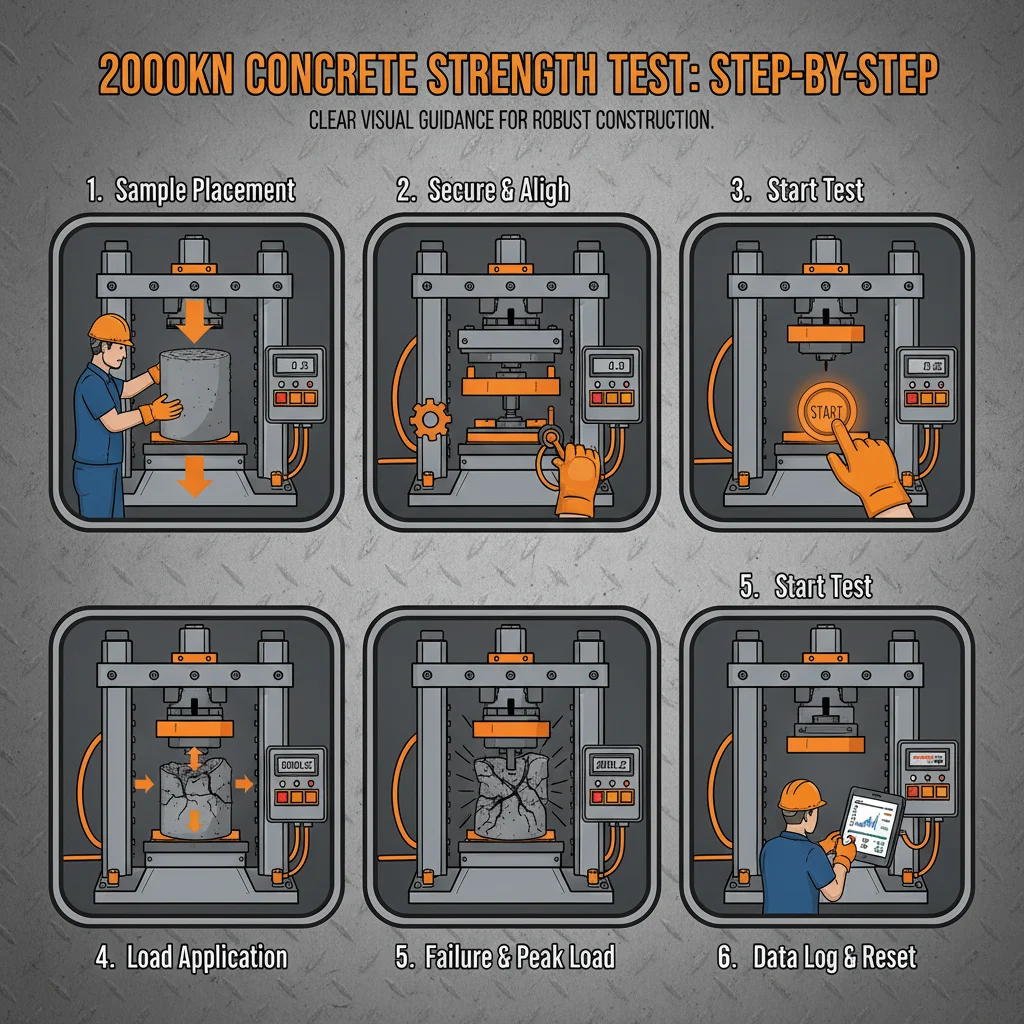
Essential Guide to the 2000KN Concrete Strength machine and its Applications
-
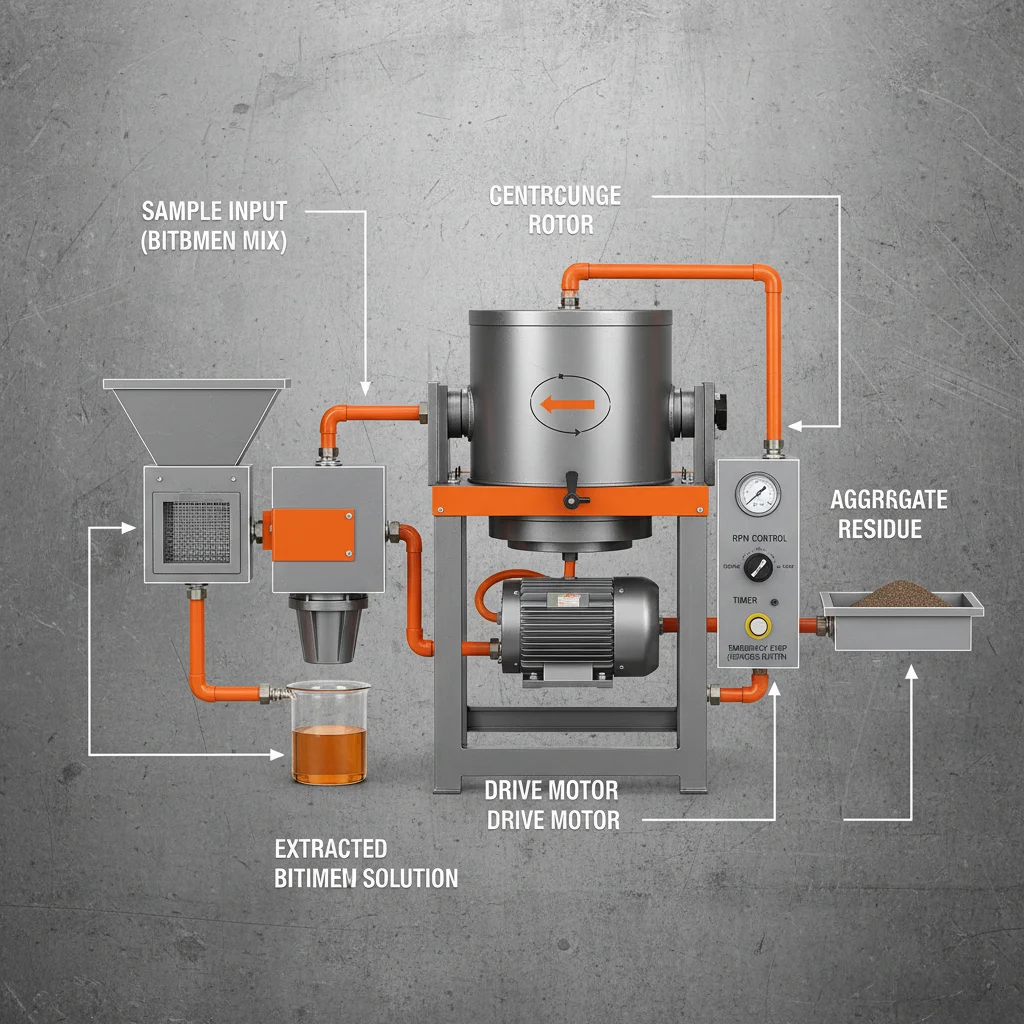
Advancing Road Infrastructure with the Bitumen Centrifuge Extraction Tester
-

Optimizing Road Construction with the Asphalt Marshall Compactor
-

The Importance of Soil Multifunctional Compaction Apparatus in Modern Construction

Ethan Turner
Ethan is the Marketing Director at Cangzhou Jiujiang, focusing on expanding the brand's presence in North America. With over a decade of experience in outdoor apparel marketing, Ethan leverages his knowledge to promote the company’s PU rainwear, emphasizing its BSCI and GRS certifications.


