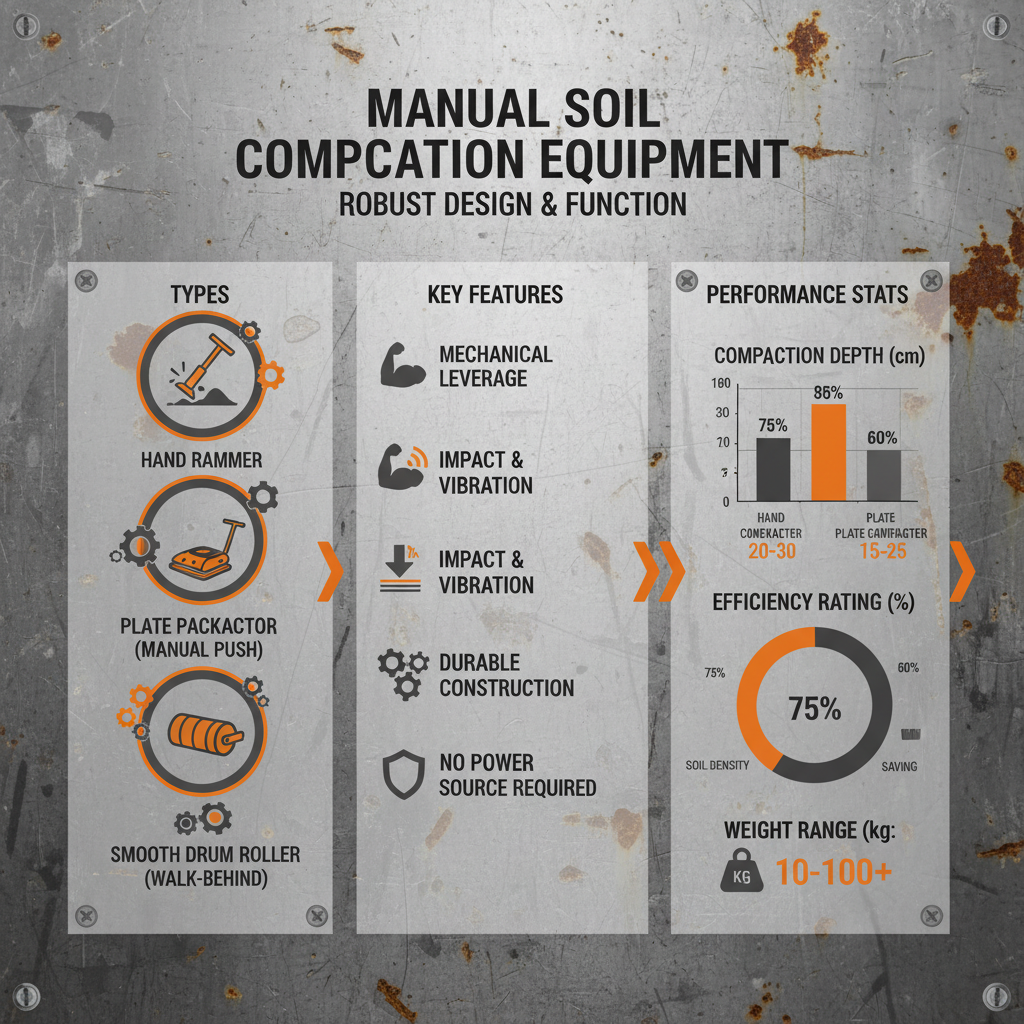
Manual Soil Compaction Equipment plays a vital role in a wide range of construction, agricultural, and disaster relief applications. From establishing stable foundations for buildings to preparing land for cultivation, effective soil compaction is crucial for long-term project success. Understanding the nuances of these tools, from hand tampers to rollers, is essential for professionals and individuals alike who work with earthworks. This knowledge ensures efficient, safe, and reliable results, minimizing potential failures and maximizing the lifespan of infrastructure.
The global demand for robust and accessible soil compaction solutions is constantly growing, particularly in developing nations and areas undergoing rapid urbanization. Factors like increasing infrastructure projects, the need for resilient structures in disaster-prone regions, and the drive for sustainable agricultural practices all contribute to this demand. Manual Soil Compaction Equipment offers a cost-effective and readily deployable alternative to heavier, motorized machinery, making it invaluable where access is limited or resources are constrained.
Investing in understanding and utilizing the correct Manual Soil Compaction Equipment for a given task isn’t just about achieving physical stability; it’s about promoting safety, sustainability, and economic viability. The availability of varied equipment types allows for tailoring solutions to specific soil types, project scales, and environmental considerations, ultimately optimizing project outcomes and minimizing long-term costs.
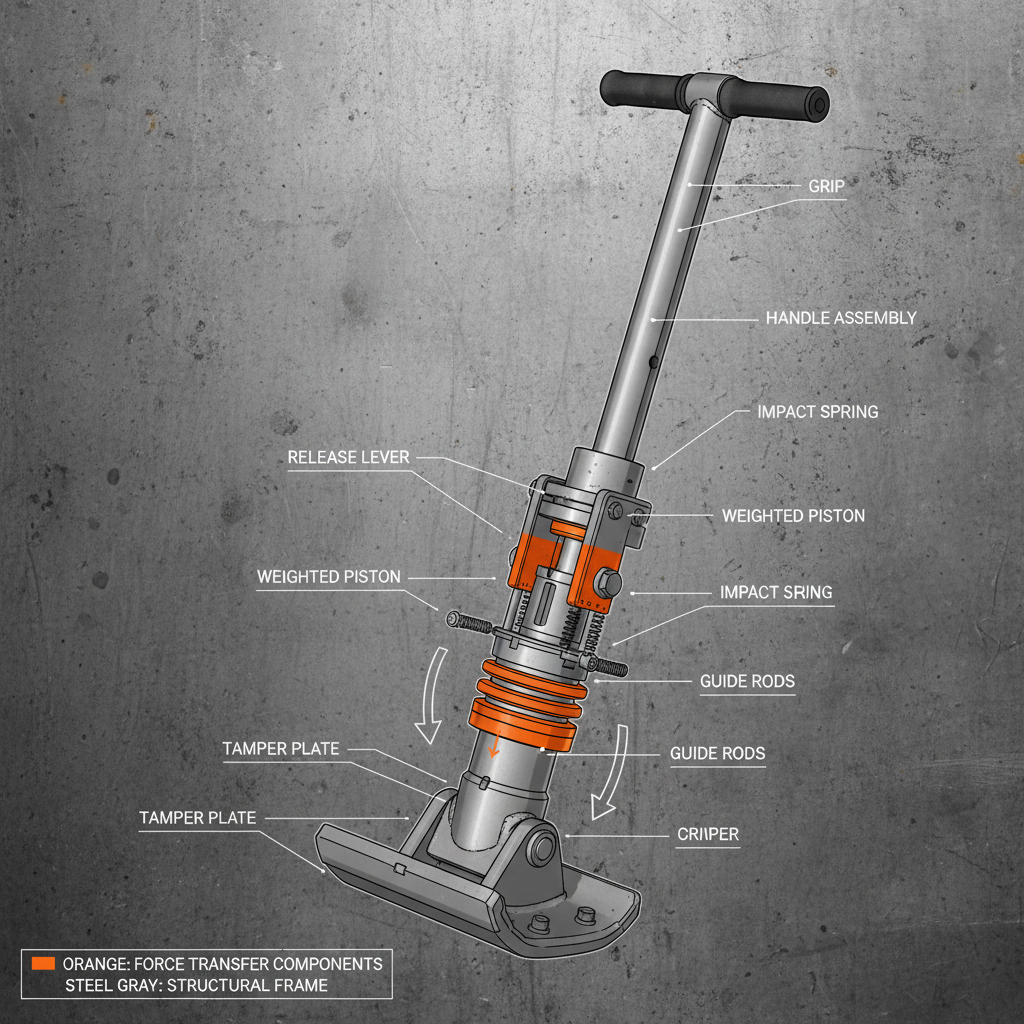
Introduction to Manual Soil Compaction Equipment
Manual Soil Compaction Equipment encompasses a range of hand-operated tools and machinery designed to increase the density of soil. These tools are vital for creating stable bases for construction projects, ensuring proper drainage in landscaping, and maximizing agricultural yields. The simplicity and portability of manual methods make them suitable for diverse environments and project scales.
The enduring appeal of this equipment lies in its accessibility and reduced reliance on complex power sources. Whether it's a small-scale gardening project or a critical infrastructure undertaking in a remote location, Manual Soil Compaction Equipment offers a practical and reliable solution when more sophisticated machinery is impractical or unavailable. Furthermore, understanding the proper techniques for using these tools is as important as selecting the right equipment for the job.
Global Relevance and Industry Context
According to the United Nations, rapid urbanization is occurring globally, particularly in developing countries, requiring significant infrastructure development. A stable foundation is paramount for buildings, roads, and other critical structures, making soil compaction a fundamental aspect of construction. Furthermore, the World Bank estimates that investing in resilient infrastructure is essential for mitigating the impacts of climate change and natural disasters, where properly compacted soil is crucial for structural integrity.
The need for effective soil compaction extends beyond large-scale projects. In agriculture, compacted soil improves root growth and water retention, leading to increased crop yields. The Food and Agriculture Organization (FAO) highlights the importance of sustainable land management practices, and proper soil compaction is a key component of these practices. The construction industry alone accounts for billions of dollars in annual investment, and a significant portion of that relies on effective soil preparation.
A key challenge lies in ensuring consistent and effective compaction in diverse geological conditions and project settings. Many regions lack access to advanced machinery, making Manual Soil Compaction Equipment a crucial solution. The increasing emphasis on sustainable building practices also drives the demand for methods that minimize environmental impact, aligning perfectly with the low-energy footprint of manual compaction techniques.
Defining Manual Soil Compaction Equipment
Manual Soil Compaction Equipment refers to tools and machinery that rely on human power to increase the density of soil. This contrasts with motorized equipment like vibratory plates or rollers. Common examples include hand tampers (also known as rammers), plate compactors that are manually driven, and rolling compactors pulled by human or animal power. These tools work by applying force to the soil, reducing air pockets and increasing the cohesion between particles.
This approach is often favored in situations where access to electricity or fuel is limited, or where noise and vibration need to be minimized, such as in residential areas or sensitive environmental zones. Manual compaction is deeply connected to the broader landscape of sustainable construction and agricultural practices, offering a low-tech, environmentally friendly alternative to more energy-intensive methods.
Its connection to humanitarian needs is also significant. In disaster relief operations, Manual Soil Compaction Equipment is often the first equipment on site, allowing for the rapid preparation of ground for temporary shelters, sanitation facilities, and access routes. Its simplicity and ease of transport make it ideal for reaching remote or inaccessible areas.
Key Factors of Effective Compaction
Durability: High-quality construction materials are essential for Manual Soil Compaction Equipment to withstand repeated use and harsh environmental conditions. Steel components should be robust and resistant to corrosion, ensuring a long service life and reducing the need for frequent replacements.
Soil Type Adaptability: Different soil types (sand, clay, loam) require varying levels of compaction force. Versatile equipment that can be adjusted or interchanged to suit the specific soil conditions is highly valuable. The ability to adapt ensures optimal compaction and prevents damage to the soil structure. Manual Soil Compaction Equipment available from specialized suppliers often feature design elements for varied soil applications.
Compaction Effectiveness by Equipment Type
Global Applications & Real-World Use Cases
In post-disaster relief operations, Manual Soil Compaction Equipment is frequently used to rapidly prepare land for temporary shelters and sanitation facilities, often in areas inaccessible to heavier machinery. Organizations like the Red Cross and Habitat for Humanity regularly deploy these tools in emergency response efforts.
In remote industrial zones, such as mining sites or forestry operations, Manual Soil Compaction Equipment provides a cost-effective solution for creating stable access roads and work areas. These applications often benefit from the equipment's portability and minimal environmental impact. Small-scale farming operations in developing countries also heavily rely on manual compaction techniques to improve soil quality and increase crop yields.
Furthermore, landscaping and gardening projects, particularly in urban areas, frequently utilize hand tampers and plate compactors for creating patios, walkways, and garden beds. The reduced noise and vibration compared to motorized equipment make it ideal for residential environments.
Advantages and Long-Term Value
The cost-effectiveness of Manual Soil Compaction Equipment is a significant advantage, especially for small-scale projects or organizations with limited budgets. The initial investment is typically lower than motorized alternatives, and ongoing maintenance costs are minimal. Sustainability is another key benefit, as these tools do not rely on fossil fuels and produce minimal emissions.
Beyond the economic and environmental advantages, Manual Soil Compaction Equipment contributes to social impact by creating employment opportunities and empowering local communities. Properly compacted soil leads to safer and more durable structures, improving quality of life and reducing the risk of infrastructure failures. Reliability is paramount, offering consistent performance even in challenging environments.
Future Trends and Innovations
While traditionally low-tech, innovations are emerging in Manual Soil Compaction Equipment. The integration of lightweight yet durable materials like advanced polymers and aluminum alloys is increasing portability and reducing operator fatigue. Ergonomic designs are also becoming more prevalent, minimizing the risk of musculoskeletal injuries.
The exploration of bio-based materials for compaction plates and tamper faces is a growing trend, aligning with the increasing demand for sustainable construction practices. Furthermore, the potential for combining manual compaction techniques with digital monitoring tools – such as sensors to measure soil density – could provide real-time feedback and optimize compaction efforts.
FAQS
Hand tampers are best for localized compaction in tight spaces, delivering concentrated force. Plate compactors, however, cover larger areas more quickly, providing a broader, more uniform compaction. Choosing the right tool depends on the project size, soil type, and accessibility.
The required compaction level depends on the intended use of the soil. For landscaping, a lighter compaction might suffice, whereas foundations for buildings require significantly higher density. Consult local building codes and geotechnical reports to determine the specific compaction requirements for your project.
Always wear appropriate personal protective equipment (PPE), including sturdy boots, gloves, and eye protection. Be mindful of your surroundings and ensure a clear working area. Lift with your legs, not your back, to avoid injury. Regularly inspect the equipment for damage or wear and tear.
While versatile, Manual Soil Compaction Equipment is more effective on certain soil types. Sandy soils require more passes for adequate compaction, while clay soils can become overly compacted. Understanding the properties of your soil is crucial for selecting the appropriate equipment and technique.
Regular cleaning is essential to remove soil and debris. Lubricate moving parts to ensure smooth operation. Inspect for wear and tear and replace damaged components promptly. Store the equipment in a dry, protected environment to prevent corrosion.
Manual compaction equipment has a significantly lower environmental impact than motorized alternatives. It doesn't produce emissions, reducing air pollution and greenhouse gas contributions. The minimal noise pollution is also beneficial, particularly in residential areas. It aligns with sustainable construction and land management practices.
Conclusion
Manual Soil Compaction Equipment remains a vital and versatile set of tools for a wide spectrum of applications, from small-scale gardening to large-scale construction and humanitarian aid. Its cost-effectiveness, sustainability, and accessibility make it an indispensable asset for professionals and individuals alike. Understanding the nuances of different equipment types and proper compaction techniques is crucial for achieving optimal results and ensuring long-term project success.
Looking ahead, continued innovation in materials, ergonomics, and integration with digital technologies will further enhance the performance and usability of Manual Soil Compaction Equipment. The increasing focus on sustainable practices and resilient infrastructure will undoubtedly drive continued demand for these reliable and environmentally friendly solutions. For high-quality Manual Soil Compaction Equipment to meet your project needs, visit our website today.