0%

Table of Contents

Look, I’ve spent the last twenty years breathing dust on construction sites, knee-deep in asphalt, talking to the guys actually laying the roads. When it comes to ensuring a durable, reliable road surface, you quickly learn that the Marshall Stability Test is absolutely critical. For decades, it's been the go-to, but the old methods? They were a pain. Subjective readings, a lot of manual calculation…things could easily slip through the cracks. The Bitumen Digital Marshall Stability Tester changes all of that. It’s about bringing precision and consistency to a process that directly impacts the safety and longevity of our infrastructure.

What's really striking is how much time and material these testers can save. We’re not talking about small amounts either. I’ve seen projects where inaccuracies in the Marshall Test led to premature road failure, requiring costly and disruptive repairs. The Bitumen Digital Marshall Stability Tester eliminates a huge chunk of that risk. It's about building things right the first time, which translates to real savings for taxpayers and a better experience for drivers.

And it's not just about cost. Modern infrastructure demands rigorous quality control. With increasingly complex asphalt mixes, simply relying on visual inspection or manual calculations isn’t enough. The Bitumen Digital Marshall Stability Tester gives us the data we need to optimize our mixes, ensuring they meet the exact specifications required for each specific project. It's a game-changer for maintaining quality standards.
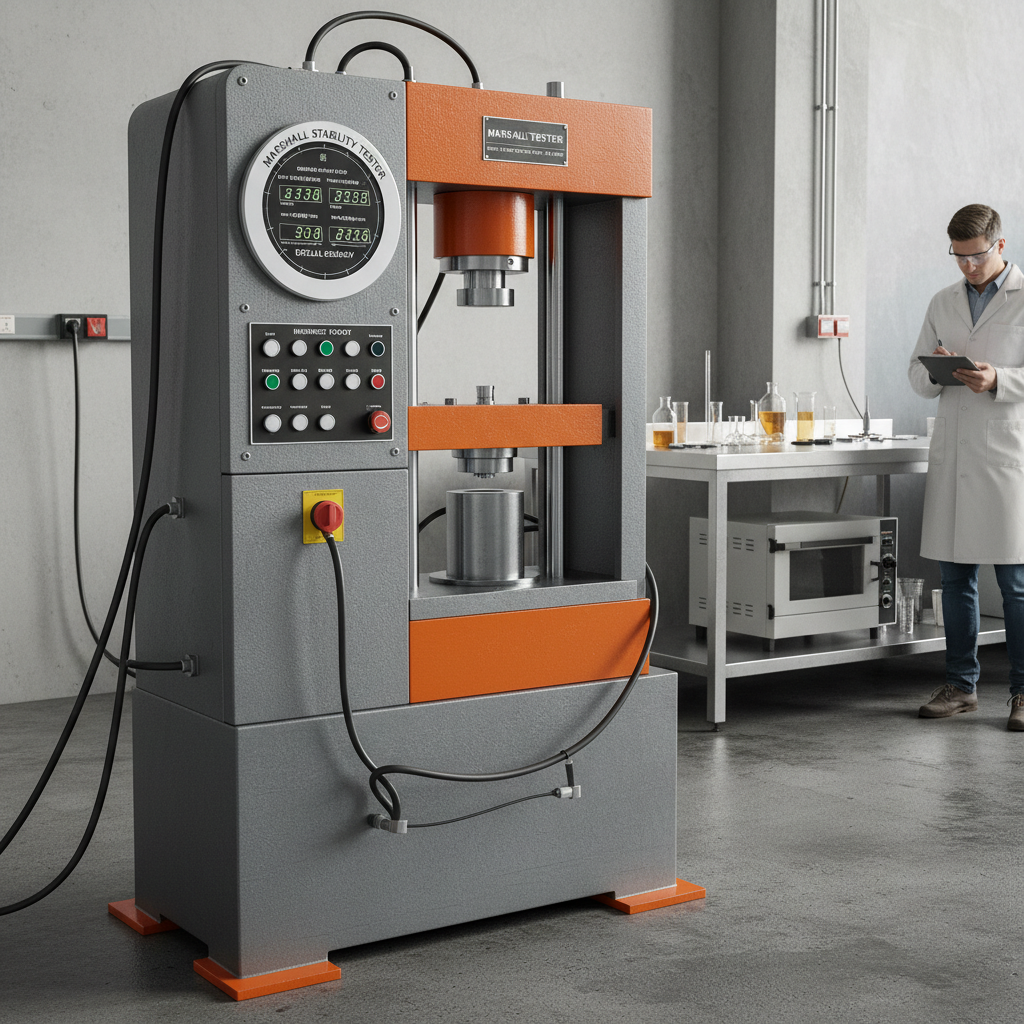
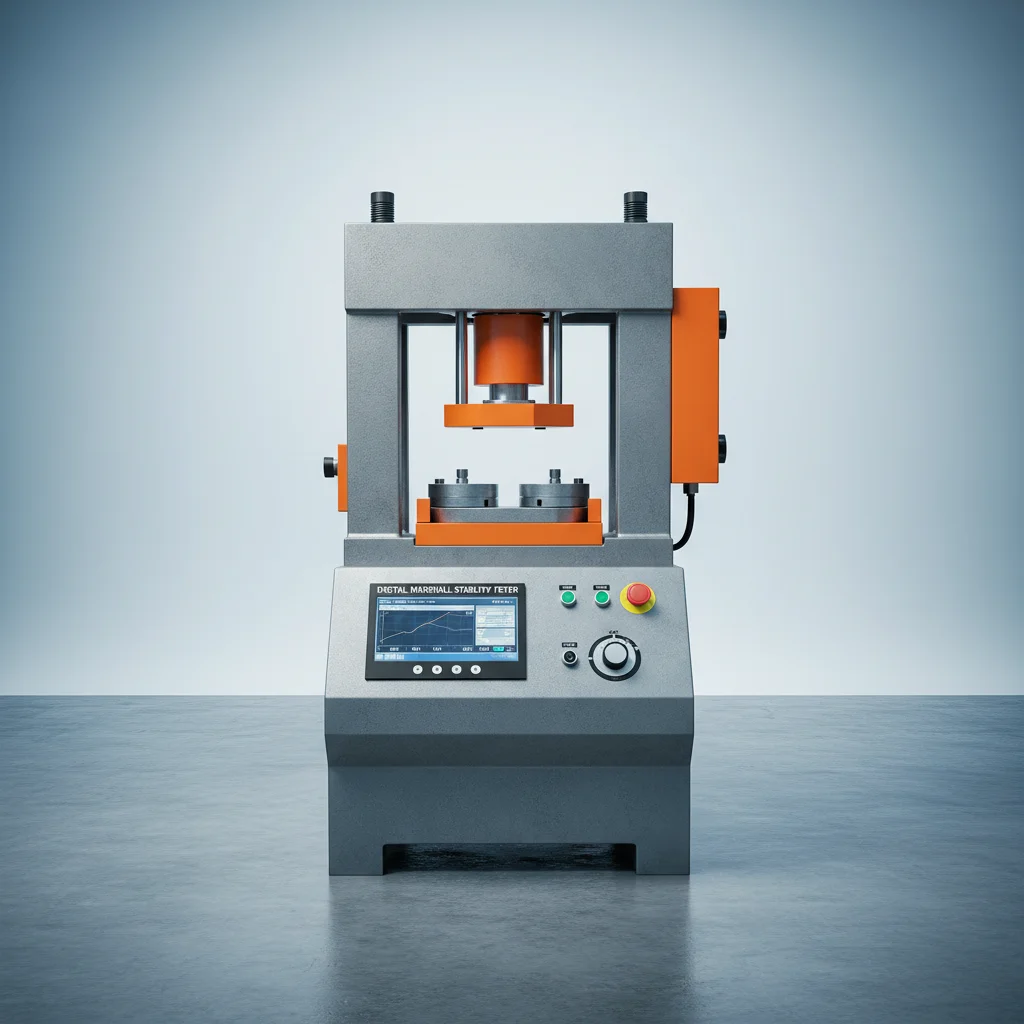
Bitumen Digital Marshall Stability Tester

The Importance of Bitumen Digital Marshall Stability Testing
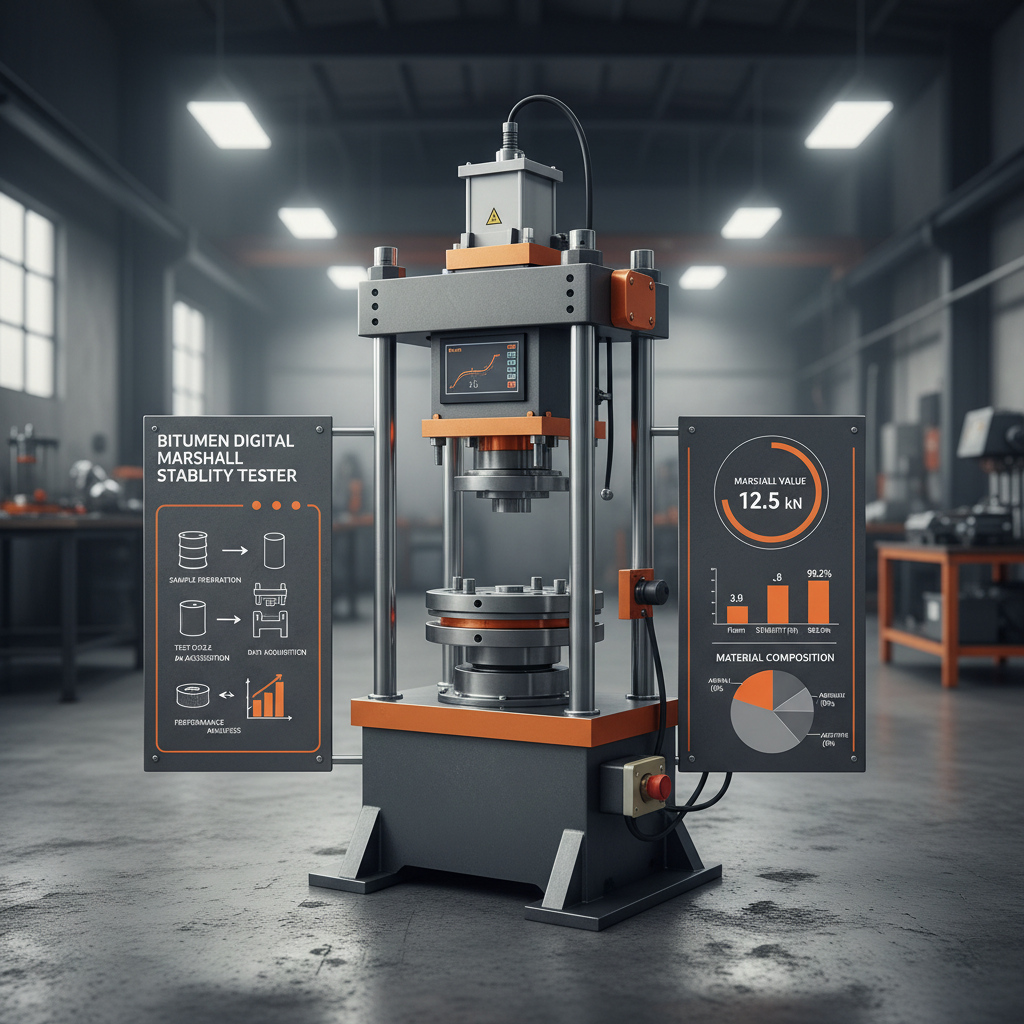
Bitumen Digital Marshall Stability Tester

You wouldn’t build a skyscraper on a shaky foundation, right? Same principle applies to roads. The Marshall Stability Test – and especially the Bitumen Digital Marshall Stability Tester – is all about verifying that foundation. It tells us how well an asphalt mix can withstand deformation under load. Without that knowledge, you're essentially guessing whether the road will hold up to traffic, weather, and the test of time. And let me tell you, guessing is a bad strategy when lives and livelihoods depend on reliable infrastructure.

We're seeing increased pressure globally to build roads that last longer, require less maintenance, and are more resilient to extreme weather events. This isn't just about saving money; it’s about sustainability. A well-designed and properly tested road reduces the need for frequent repairs, minimizing disruption and environmental impact. The data provided by a Bitumen Digital Marshall Stability Tester is crucial in meeting these evolving demands.

Understanding the Core Principles

At its heart, the Marshall Stability Test simulates the stress that a road experiences from vehicle traffic. It measures the maximum load a compacted asphalt specimen can bear before it yields. But it's not just about the load itself; it's about how it fails. A good mix will exhibit a pronounced peak load, followed by a gradual decline. A weak mix will fail suddenly and catastrophically. The Bitumen Digital Marshall Stability Tester captures all of this data precisely, giving us a comprehensive understanding of the mix’s performance characteristics.

The digital aspect is what really elevates this tool. Older methods relied on manual measurements and subjective observations. A digital tester removes human error from the equation, providing consistent, reproducible results. This is particularly important when comparing different mix designs or monitoring quality control on a large-scale project.

The test isn't just a pass/fail; it provides a spectrum of data points, including flow value, stability, and retained strength. These metrics allow engineers to fine-tune the asphalt mix for optimal performance in specific conditions.

Key Factors Influencing Stability

There are several key factors that impact the Marshall Stability of an asphalt mix, and a Bitumen Digital Marshall Stability Tester helps us analyze them all. First, you've got the aggregate – the rocks and gravel that make up the bulk of the mix. The size, shape, and grading of the aggregate all play a role. Then there’s the bitumen (or asphalt binder), which acts as the glue that holds everything together. The type and grade of bitumen are critical, as is the amount used.

Air voids are another significant factor. Too many air voids weaken the mix, making it susceptible to water damage. Too few air voids can lead to bleeding and rutting. Finding the right balance is crucial, and the Bitumen Digital Marshall Stability Tester allows us to accurately measure air void content. We also look at compaction levels; a poorly compacted mix will never reach its full potential, regardless of the other ingredients.

Finally, the mix design itself is vital. A properly designed mix will have the right combination of aggregate, bitumen, and additives to achieve the desired stability and durability. The data from the digital Marshall tester provides the feedback we need to optimize the mix design and ensure it meets the project’s specific requirements.

Global Applications in Road Construction

You see the Bitumen Digital Marshall Stability Tester in action everywhere, from small rural road repairs to massive highway projects. In the US, state DOTs rely heavily on these testers to ensure compliance with stringent quality standards. In Europe, where they’re constantly battling aging infrastructure, these testers are essential for evaluating the performance of recycled asphalt mixes. I’ve even worked with teams in developing countries, using these tools to build more durable and resilient roads in challenging environments.

In Australia, with its extreme temperatures and heavy vehicle traffic, the focus is on mixes that can withstand high stress and resist rutting. The Bitumen Digital Marshall Stability Tester is invaluable for optimizing these mixes. And in colder climates, like Canada and Scandinavia, the emphasis is on mixes that resist cracking and freeze-thaw damage. The ability to accurately measure stability is paramount in these regions.

Marshall Stability Test Results - Mix Design Comparison

Advantages and Long-Term Value Proposition

Look, at the end of the day, it all comes down to value. A Bitumen Digital Marshall Stability Tester isn't cheap, but the long-term return on investment is significant. Reduced maintenance costs, fewer road failures, and increased safety – these all translate to real savings for communities and transportation agencies.

The increased accuracy and reliability of these testers also build trust. When you know your roads are built to last, it gives everyone peace of mind. And the data generated by the tester can be used to optimize future projects, leading to continuous improvement in road quality.

Future Trends and Technological Advancements

We’re seeing a growing trend towards incorporating more sustainable materials into asphalt mixes, like recycled plastic and rubber. The Bitumen Digital Marshall Stability Tester will be essential for evaluating the performance of these new materials and ensuring they meet the required standards. We’re also seeing increased use of sensors and data analytics in road construction.

Integrating the data from the digital Marshall tester with other sensor data will provide a more comprehensive understanding of road performance and allow for predictive maintenance. Ultimately, the goal is to create a smarter, more resilient transportation infrastructure.

Common Challenges and Practical Solutions

One challenge is ensuring proper calibration and maintenance of the Bitumen Digital Marshall Stability Tester. These are precision instruments, and they need to be regularly checked and adjusted to ensure accurate results. Proper training for operators is also crucial. Another challenge is interpreting the data. It’s not enough to just get a number; you need to understand what that number means in terms of the mix’s performance.

To address these challenges, manufacturers are developing more user-friendly software and providing comprehensive training programs. We’re also seeing the development of automated testing systems that reduce the risk of human error and streamline the testing process.

Finally, there's the cost of upgrading. Some smaller agencies may struggle to afford the initial investment. However, leasing options and shared testing facilities are becoming more common, making these tools more accessible to a wider range of users.

Summary of Common Bitumen Digital Marshall Stability Tester Challenges and Solutions

Challenge Impact on Testing Solution Implementation Cost (1-10)
Calibration Drift Inaccurate stability readings Regular calibration schedule and certified standards 3
Operator Training Inconsistent testing procedures Comprehensive training program and certification 5
Data Interpretation Misunderstanding mix performance Advanced data analytics tools and expert consultation 6
High Initial Cost Limited access for smaller agencies Leasing programs and shared testing facilities 7
Software Updates Compatibility issues with new materials Automatic software update subscriptions 2
Sample Preparation Inconsistent compaction can affect results Standardized compaction procedures and automated compaction devices 4

FAQS

What are the key differences between a digital and a traditional Marshall Stability Tester?

Traditional Marshall Stability testers rely heavily on manual readings and subjective interpretation, increasing the potential for human error. Digital testers, like the Bitumen Digital Marshall Stability Tester, provide precise, automated data collection, eliminating subjective bias and improving reproducibility. This leads to more reliable and consistent results, particularly crucial for quality control and compliance. The digital version also often includes advanced data analysis features for deeper insights into mix performance.

How often should a Bitumen Digital Marshall Stability Tester be calibrated?

Calibration frequency depends on usage and environmental factors, but a general guideline is to calibrate your Bitumen Digital Marshall Stability Tester at least every six months, or more frequently if the instrument is used heavily or experiences significant temperature fluctuations. Regular calibration ensures the accuracy of your measurements and maintains the validity of your testing results. Always follow the manufacturer’s recommendations for calibration procedures and use certified calibration standards.

What training is required to operate a Bitumen Digital Marshall Stability Tester effectively?

Proper training is essential for operating a Bitumen Digital Marshall Stability Tester effectively. Training should cover instrument operation, sample preparation, testing procedures, data interpretation, and basic maintenance. Look for training programs offered by the manufacturer or accredited testing laboratories. A well-trained operator will ensure accurate results and prevent damage to the instrument.

How does the Bitumen Digital Marshall Stability Tester contribute to sustainable road construction practices?

The Bitumen Digital Marshall Stability Tester plays a crucial role in sustainable road construction by enabling the effective use of recycled materials, such as reclaimed asphalt pavement (RAP) and recycled aggregates. By accurately assessing the stability and performance of mixes containing these materials, it ensures that roads built with recycled content meet the required quality standards and have a long service life. This reduces the need for virgin materials, minimizes waste, and lowers the environmental impact of road construction.

What are the key parameters measured by a Bitumen Digital Marshall Stability Tester?

A Bitumen Digital Marshall Stability Tester measures several key parameters, including Marshall Stability (the maximum load the specimen can bear), Flow Value (deformation at the maximum load), Retained Strength (stability after soaking in water), and Air Voids (percentage of air spaces in the mix). These parameters provide a comprehensive assessment of the mix’s resistance to deformation, durability, and overall performance under traffic and environmental conditions.

What are the common applications of this tester beyond highway construction?

While primarily used in highway construction, the Bitumen Digital Marshall Stability Tester has applications in airport runway construction, parking lot paving, and even laboratory research related to asphalt binder properties. It is also used to evaluate asphalt mixes for specialized applications, such as heavy-duty pavements and overlays. The ability to accurately assess the performance of asphalt mixes in various conditions makes it a versatile tool for a wide range of civil engineering projects.

Conclusion

In short, the Bitumen Digital Marshall Stability Tester is far more than just a piece of equipment; it's an investment in the longevity, safety, and sustainability of our infrastructure. By providing accurate, reliable data, it empowers engineers to build better roads, reduce costs, and minimize environmental impact. It’s a critical tool for anyone involved in asphalt mix design and quality control.

Looking ahead, continued innovation in this field will focus on automation, data analytics, and integration with other technologies. The future of road construction will be data-driven, and the Bitumen Digital Marshall Stability Tester will be at the forefront of that revolution. For more information on how these testers can benefit your projects, visit our website: https://www.czlabinstrument.com.

Michael Davis

Michael Davis

Michael Davis is the Quality Assurance Manager at Cangzhou Blue Beauty Instrument Co., Ltd. He ensures all products adhere to ISO9001:2008 and GB/T190001-2008 standards, maintaining a consistent pass rate of 99%. Michael’s expertise lies in meticulously controlling the production process, from raw material procurement to final product inspection. He leads a team of skilled technicians, implementing rigorous testing protocols and adhering to standards surpassing ministerial or industry norms. Michael is a certified quality auditor with a strong focus on data analysis and continuous improvement, contributing to the company’s reputation for reliable and accurate instruments. He proactively identifies and resolves potential quality issues.
Previous The 4 Marshall Stability Test Set Ensuring Durable Pavement Infrastructure
Next The Digital Marshall Stability Tester Revolutionizing Road and Infrastructure Quality
Leave Your Message

If you are interested in our products, you can choose to leave your information here, and we will be in touch with you shortly.