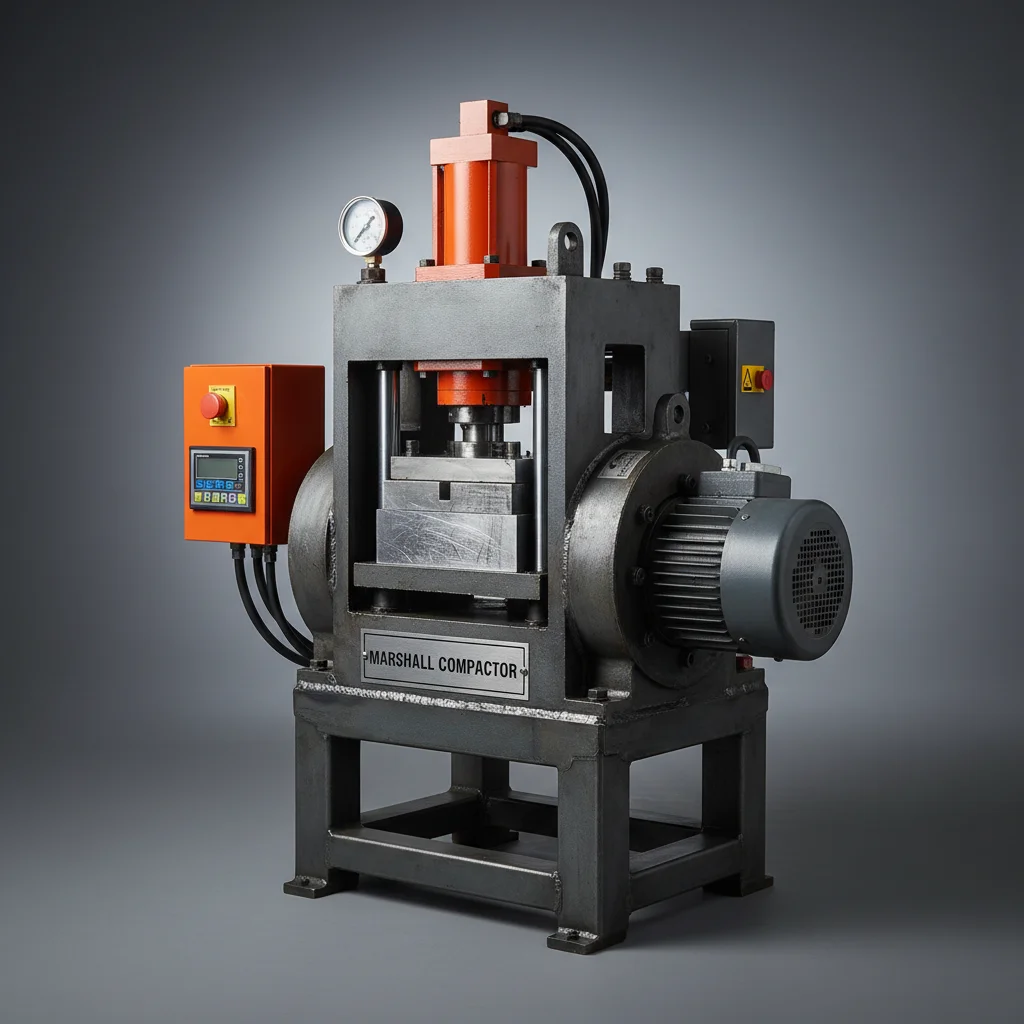
You know, I’ve been running around construction sites for, well, too long now. Seems like just yesterday we were all excited about self-leveling concrete. Now everyone's talking about prefabricated structures, modular designs… honestly, it's all a bit dizzying. But the one thing that keeps coming up, no matter what the project, is the need for rock-solid foundation testing. Which is where the Compaction Test Apparatus comes in. It's not glamorous, but without it? Forget about it. Buildings will settle, roads will crack. It’s the unsexy hero of every build.
I’ve seen so many new grads come onto site, fresh out of university, thinking they’ve got it all figured out. They design these beautiful theoretical compaction methods, all neat and tidy in their CAD drawings. Have you noticed how often those designs just… don't translate to reality? The soil's never quite what the report says it is, the equipment operator has a bad day, the weather changes. It's never as simple as the equation. That’s why a reliable Compaction Test Apparatus is crucial - to catch those deviations before they become disasters.
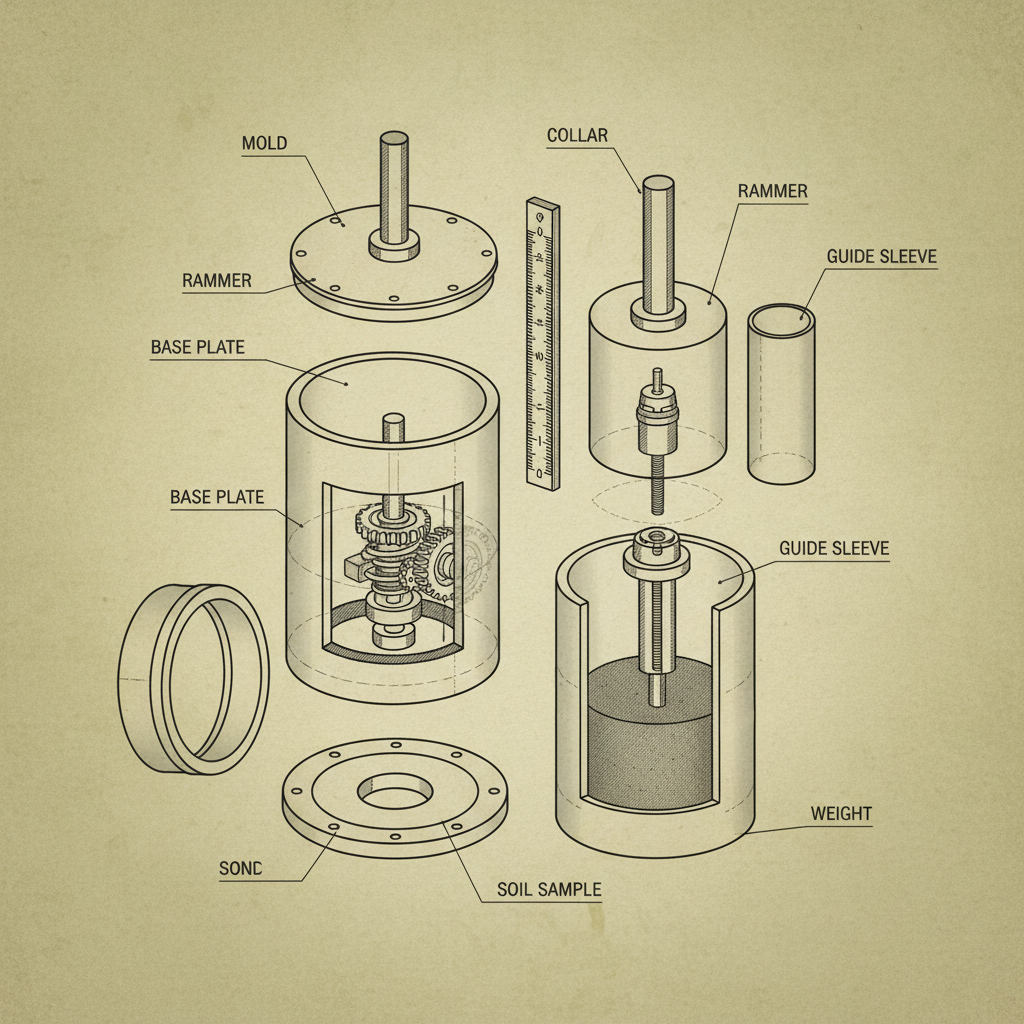
The real workhorses are the standard proctor molds, of course. Steel, naturally. Feels cold to the touch, smells like grease and… well, dirt. You get used to it. Then there are the rammers, the dynamic compaction testers. Those are usually aluminum, lighter to handle, but you’ve gotta be careful with them. Dent easily. And the molds themselves, you’ve gotta treat ‘em right. Scratches, dents, even a little rust can throw off your results. I encountered this at a factory in Nanjing last time, they were shipping out molds with micro-fractures… nightmare.
Introduction to Compaction Test Apparatus
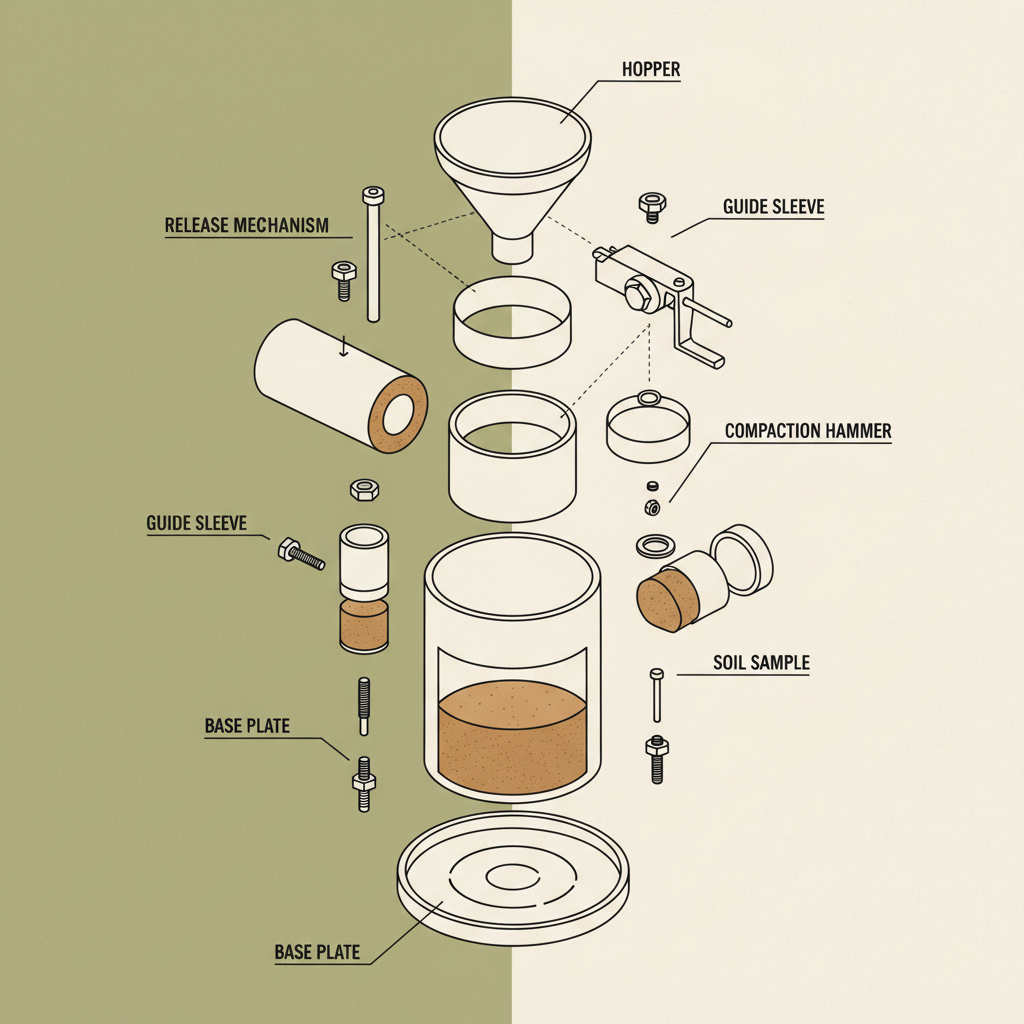
Basically, it's a setup for simulating and measuring how well soil or other materials compact under pressure. Seems simple, right? But it's much more nuanced than people think. We’re talking about molds, rammers, scales, measuring cylinders… the whole shebang. It’s about determining the optimal moisture content for maximum density. Get that wrong, and you’re asking for trouble down the line.
It's essential for everything from road construction to building foundations to dam construction. Without proper compaction, things sink, crack, and generally fall apart. It’s a cornerstone of civil engineering. And, frankly, it's become even more crucial with the increasing focus on sustainability. Proper compaction reduces material waste, extends the lifespan of infrastructure, and minimizes environmental impact.
Key Components & Their Quirks
The molds, as I said, are steel, usually. Gotta keep them clean, smooth inside. Rammers come in manual and automatic varieties. Manual are cheaper, but your arm gets tired fast. Automatic ones are more consistent, but they’re a pain to calibrate. Then you've got the scales - digital is better, naturally, but you still need to check them against a calibrated weight regularly. And don't even get me started on the moisture content meters. Those things are notoriously finicky. I swear, they read differently every time, depending on who’s holding them.
The biggest pitfall? Assuming all compaction tests are created equal. There's standard Proctor, modified Proctor, dynamic compaction… each with its own purpose and procedure. Choosing the wrong test for the job is a recipe for disaster. Strangely, a lot of smaller contractors try to skimp on the testing phase, thinking they can save a few bucks. Big mistake. Always, always invest in proper testing.
And let's talk about the accessories. The tamper face, the extension collar, the measuring tape… little things, but they all matter. I once saw a project delayed for a week because the tamper foot was slightly worn down. Slightly! It threw off the entire compaction curve. It's the details, you know?
Global Applications and Real-World Scenarios
You see these things everywhere. Road construction in the US, building skyscrapers in Dubai, stabilizing slopes in Nepal. Seriously, everywhere. The basic principles are the same, but the specific requirements vary depending on local regulations and soil conditions. In post-disaster relief operations, rapid assessment of ground stability is critical, and portable Compaction Test Apparatus become lifesavers.
I was in Indonesia a few years back, working on a bridge project. The soil was volcanic ash – incredibly fine and unstable. We had to perform compaction tests multiple times a day, adjusting the process based on the results. The local engineers were amazing, by the way. They had a deep understanding of the soil properties, but they still relied on the Compaction Test Apparatus to confirm their assumptions.
And it’s not just big projects, either. Even small residential builds require proper compaction of the foundation. I’ve seen a lot of DIYers try to compact soil with just a hand tamper. It rarely works. They end up with uneven settling and cracked slabs. It’s just not worth the risk.
Advantages, Disadvantages, and a Dose of Reality
The advantage is obvious: it gives you quantifiable data. You're not relying on guesswork. It helps ensure structural integrity, extends the lifespan of infrastructure, and minimizes costly repairs. But it's not perfect. It's time-consuming, requires skilled personnel, and can be affected by human error. And, let's be honest, it can be a bit tedious.
A major disadvantage is its limited representation of real-world conditions. A lab test is a controlled environment; the field is… well, the field. You’ve got variations in soil composition, weather, equipment operation. It's an approximation, a guideline. You need to interpret the results with a healthy dose of common sense. Anyway, I think the biggest drawback is that people treat it like a checklist item, rather than a crucial part of the building process.
Compaction Test Apparatus Method Comparison
Practical Testing Methods: Beyond the Lab
You can do the standard Proctor test, obviously, but what about field density tests? Nuclear density gauges are quick and convenient, but they require licensing and safety training. Sand cone tests are more labor-intensive, but they’re accurate and don’t involve radiation. Then there's the dynamic cone penetrometer - good for quickly assessing compaction along a line.
The key is knowing which method is appropriate for the specific situation. For a large road project, you'll want a combination of methods. For a small residential foundation, a simple sand cone test might suffice. I’ve seen contractors try to cut corners on testing, only to have problems down the road. It's just not worth the risk.
Customization Options and Specific Examples
These days, you can get Compaction Test Apparatus pretty much tailored to your needs. Need a mold with a different diameter? No problem. Want an automatic rammer with adjustable impact energy? Sure thing. I had a client last month, a small boss in Shenzhen who makes smart home devices, insisted on changing the interface to on all the sensors. The result was a six-week delay because the existing software couldn't handle the new data format. Completely unnecessary, but he was adamant.
You can also get customized reporting software. Some systems can automatically generate compaction curves and calculate optimal moisture content. It saves a lot of time and reduces the risk of human error. But be careful – make sure the software is validated and accurate. Don’t just trust the numbers blindly.
Material Considerations & Long-Term Durability
As I said before, steel is the workhorse for the molds. But the quality of the steel matters. You want something that's durable, corrosion-resistant, and doesn’t warp easily. Aluminum is lighter, but it’s more prone to damage. The rammers also need to be made of high-quality materials. You don’t want them breaking down in the middle of a project.
Proper maintenance is crucial. Keep the molds clean and lubricated. Check the rammers for wear and tear. Calibrate the scales regularly. And store everything in a dry, protected environment. A little bit of preventative maintenance can save you a lot of headaches down the road.
There's been some talk about using composite materials for molds, but I'm skeptical. They might be lighter, but I'm not convinced they're as durable as steel. We’ll see.
Summary of Key Material Considerations for Compaction Test Apparatus
| Component |
Common Material |
Durability Score (1-10) |
Maintenance Level (Low-High) |
| Proctor Mold |
Carbon Steel |
8 |
Medium |
| Rammer Base |
Cast Iron |
7 |
Medium |
| Rammer Foot |
Hardened Steel |
9 |
Low |
| Measuring Cylinder |
Borosilicate Glass |
6 |
High |
| Moisture Content Meter Probe |
Stainless Steel |
7 |
Medium |
| Digital Scale Housing |
ABS Plastic |
5 |
Low |
FAQS
The main difference lies in the amount of energy applied during compaction. Modified Proctor uses a heavier hammer and a greater drop height, resulting in higher compaction densities. Standard Proctor is suitable for situations where lighter compaction is required, while modified Proctor is used for heavier construction like highways and airport runways. Choosing the right test depends on the project's specific requirements and the soil type. Don't just pick one randomly!
Calibration is crucial for accurate results. Generally, digital scales should be calibrated every six months, or more frequently if they’re used heavily. Rammer impact energy should also be checked periodically. Regular calibration ensures that your readings are reliable and your project meets required compaction standards. Ignoring calibration can lead to costly errors and structural failures.
Low compaction results can indicate several issues: improper moisture content, inadequate compaction effort, or soil that’s not suitable for compaction. First, re-check the moisture content and adjust as needed. If that doesn't help, increase the compaction effort. If the soil is inherently difficult to compact, you may need to consider soil stabilization techniques or explore alternative materials. Don't just keep hammering away – diagnose the problem!
Plenty! Improperly prepared samples, inaccurate moisture content measurements, inconsistent ramming effort, and neglecting to calibrate equipment are common culprits. Also, rushing the process and not following the standard procedures to the letter can lead to unreliable results. Pay attention to detail; it's not a race.
Not without careful consideration. Changing the mold size affects the compaction energy and the resulting density. You’ll need to adjust the testing procedure and calculations accordingly. It’s generally best to stick to the standard mold sizes specified in relevant standards. If you must use a different size, consult with a geotechnical engineer to ensure accurate results.
Wear appropriate personal protective equipment (PPE), including safety glasses, gloves, and steel-toed boots. Be mindful of pinch points and moving parts on the equipment. If using a nuclear density gauge, follow all safety regulations and obtain the necessary training. And always be aware of your surroundings on the construction site.
Conclusion
So, there you have it. The Compaction Test Apparatus – not the most glamorous tool, but a vital one. It’s about more than just numbers and charts; it’s about building things that last, ensuring safety, and saving money in the long run. It’s a surprisingly complex process, one that requires skill, attention to detail, and a healthy dose of common sense.
Ultimately, whether this thing works or not, the worker will know the moment he tightens the screw. If the ground feels solid, if the structure stands firm, then the test has done its job. If not… well, that’s when the real problems begin. If you’re looking for reliable compaction testing equipment, check out CZ Lab Instrument. They've got a good range of products and, more importantly, they understand what it takes to get the job done right.