
The Automatic Marshall Compactor represents a pivotal advancement in road construction and material testing. It’s a sophisticated piece of equipment designed to standardize the compaction process of asphalt mixtures, ensuring consistent and reliable results crucial for infrastructure longevity. Globally, effective road infrastructure is vital for economic development, facilitating trade, and improving quality of life. The Automatic Marshall Compactor addresses the challenge of variability in manual compaction, leading to more durable and cost-effective roadways.
The growing demand for robust infrastructure, driven by increasing urbanization and population growth, necessitates precise and reliable compaction methods. International standards like those set by ASTM and AASHTO emphasize the importance of controlled compaction. The Automatic Marshall Compactor plays a key role in meeting these stringent requirements, improving road performance and reducing maintenance costs. This has a significant impact on transportation efficiency and overall economic productivity.
Furthermore, the adoption of automated compaction technologies contributes to safer working conditions by minimizing manual labor and reducing the risk of repetitive strain injuries. Investing in equipment like the Automatic Marshall Compactor is, therefore, not just about building better roads but also about prioritizing the wellbeing of construction workers and promoting sustainable practices within the industry.
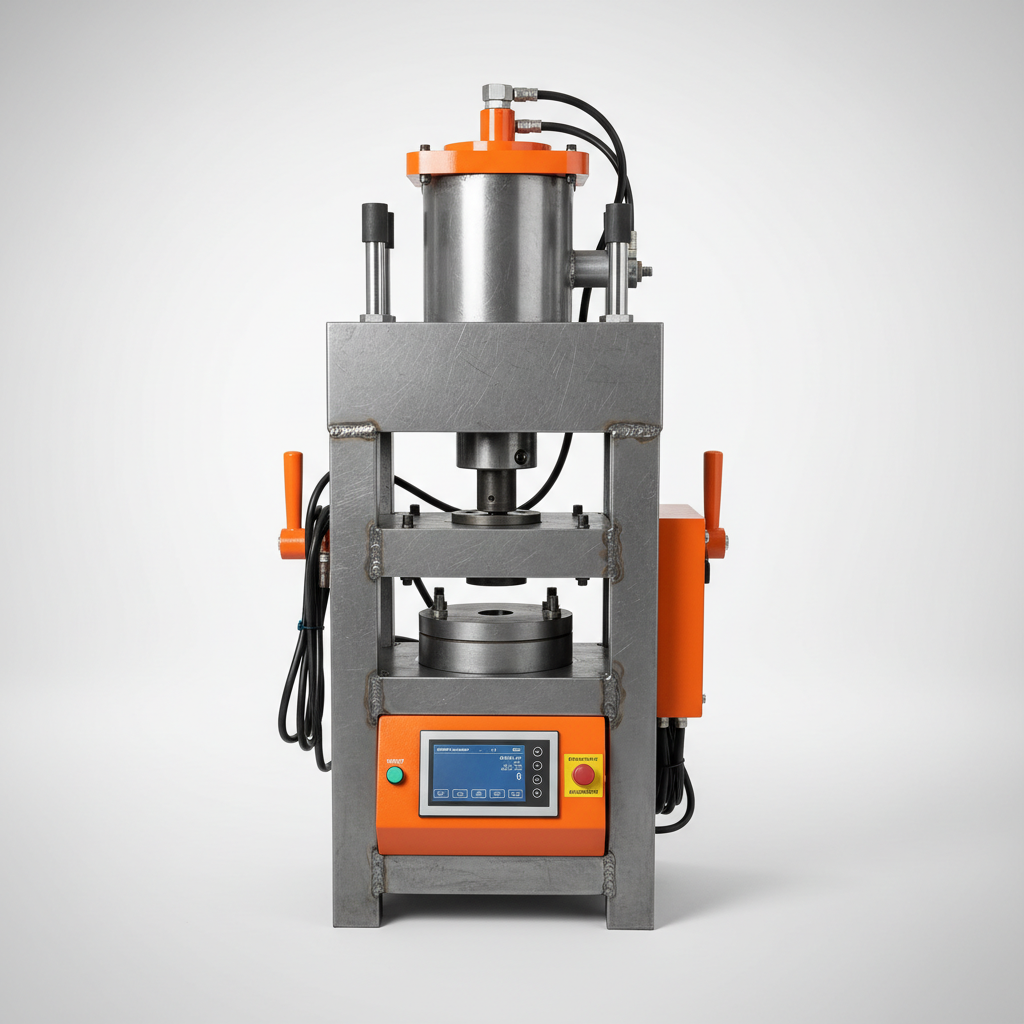
Introduction to Automatic Marshall Compactor
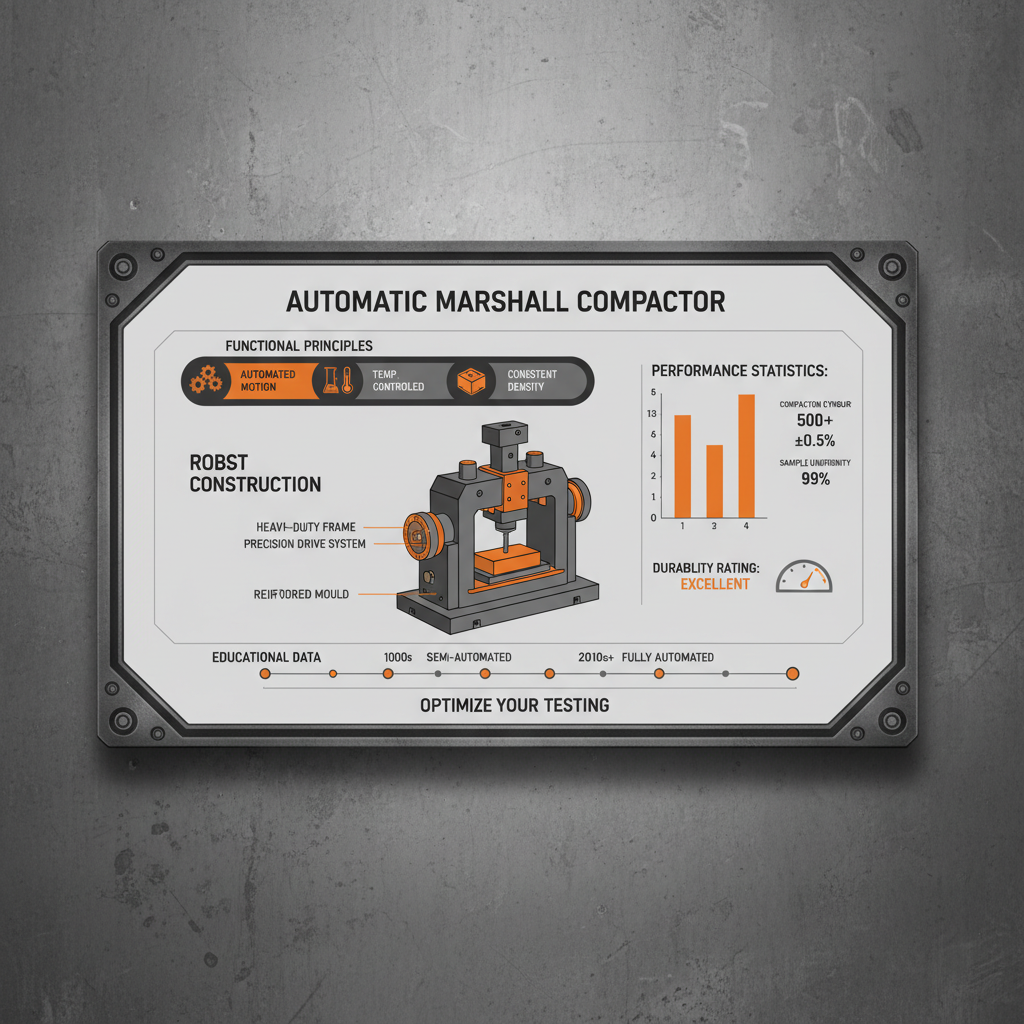
The Automatic Marshall Compactor is a technologically advanced apparatus used to determine the density of asphalt mixtures. Unlike traditional manual methods, it automates the compaction process, ensuring consistency and minimizing human error. This leads to more accurate and reliable results, which are critical for ensuring the quality and longevity of road infrastructure.
The precision offered by the Automatic Marshall Compactor translates into improved road performance, reduced maintenance requirements, and enhanced safety for drivers. Its ability to consistently deliver standardized compaction results makes it an indispensable tool for laboratories and construction companies involved in road building and materials testing.
FAQS
The Automatic Marshall Compactor offers significant advantages over manual compaction, primarily through its enhanced accuracy and repeatability. Manual methods are prone to inconsistencies due to human variation in force and rate of application. Automated compaction eliminates this variability, ensuring standardized results that are crucial for reliable materials testing and road construction quality control. This leads to more durable roads, reduced maintenance costs, and improved safety.
To maintain accuracy and reliability, an Automatic Marshall Compactor should be calibrated at least annually, or more frequently if it is used extensively. Calibration ensures that the hammer weight, drop height, and compaction energy are within specified tolerances. Regular calibration minimizes the risk of errors in compaction results, which can have significant implications for road construction projects. Follow the manufacturer's recommendations for calibration procedures.
The Automatic Marshall Compactor is versatile and can be used to test a wide range of asphalt mixtures, including those used for highway construction, airport runways, and parking lots. It’s suitable for both dense-graded and open-graded mixtures, as well as modified asphalt mixtures containing polymers or other additives. Proper specimen preparation is essential to ensure accurate and reliable results for all mixture types.
Operating an Automatic Marshall Compactor requires adherence to specific safety precautions. Always wear appropriate personal protective equipment (PPE), including safety glasses and hearing protection. Ensure the machine is properly grounded and that all safety guards are in place before operation. Avoid reaching into the compaction chamber while the machine is running, and follow the manufacturer’s guidelines for safe operation and maintenance.
By ensuring accurate compaction, the Automatic Marshall Compactor helps to maximize the lifespan of roadways, reducing the frequency of repairs and reconstruction. This minimizes material consumption, lowers carbon emissions associated with construction activities, and conserves valuable resources. Furthermore, precise compaction allows for the effective use of recycled materials in asphalt mixtures, further enhancing sustainability.
During a Marshall Compaction test using an Automatic Marshall Compactor, key data points include the bulk specific gravity, theoretical maximum specific gravity, and percent compaction. These values are used to determine the density and stability of the asphalt mixture. Other measurements often include flow value, which indicates the plastic characteristics of the mix. Analyzing this data helps engineers assess the suitability of the asphalt mixture for its intended application.
Conclusion
The Automatic Marshall Compactor stands as a cornerstone of modern road construction and materials testing. Its ability to provide accurate, repeatable, and reliable compaction data is essential for ensuring the durability, safety, and cost-effectiveness of roadways worldwide. By automating the compaction process and minimizing human error, this equipment significantly improves the quality and longevity of infrastructure, contributing to economic growth and societal well-being.
Looking ahead, continued innovation in automation, data analytics, and sustainable materials will further enhance the capabilities of the Automatic Marshall Compactor. Investing in this technology is not just about building better roads; it’s about building a more sustainable, resilient, and prosperous future. Explore our range of Automatic Marshall Compactors at www.czlabinstrument.com.
Related Posts
-
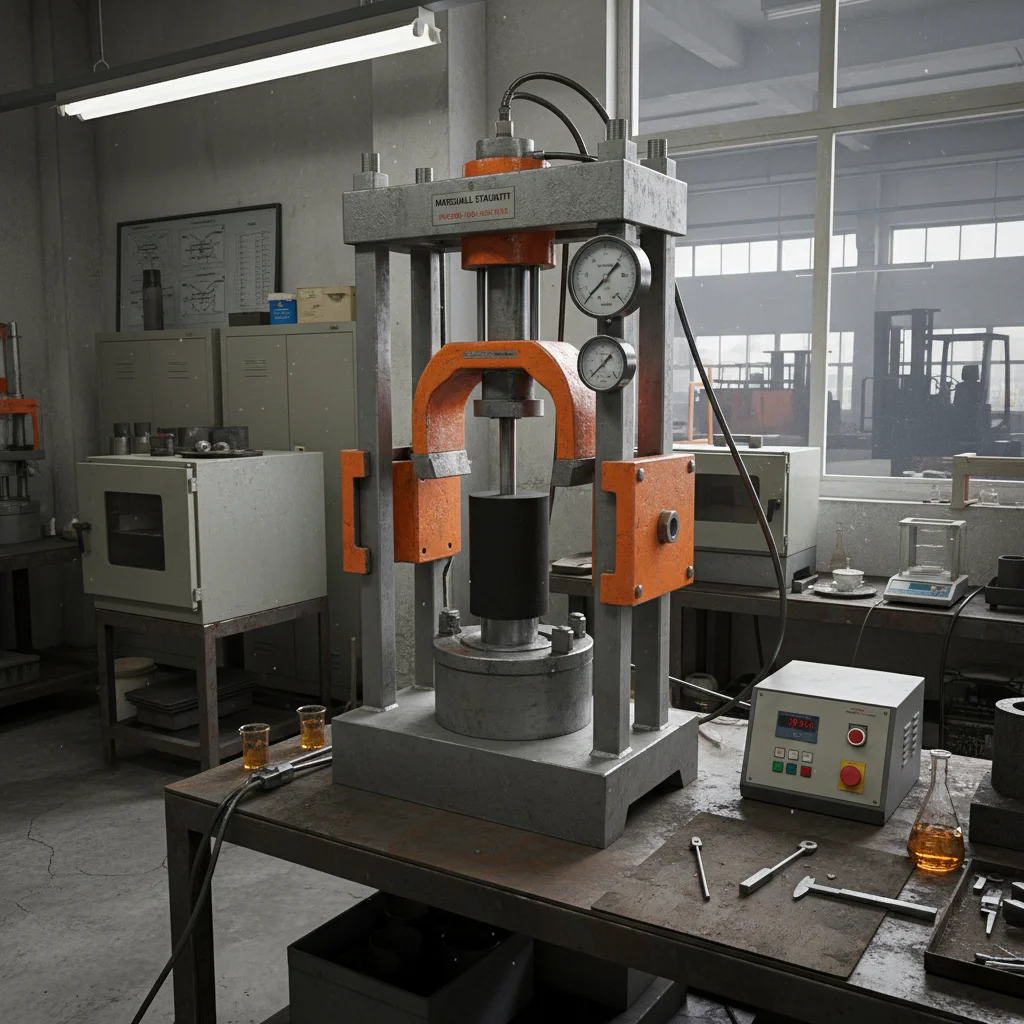
The 4 Marshall Stability Test Set Ensuring Durable Pavement Infrastructure
-
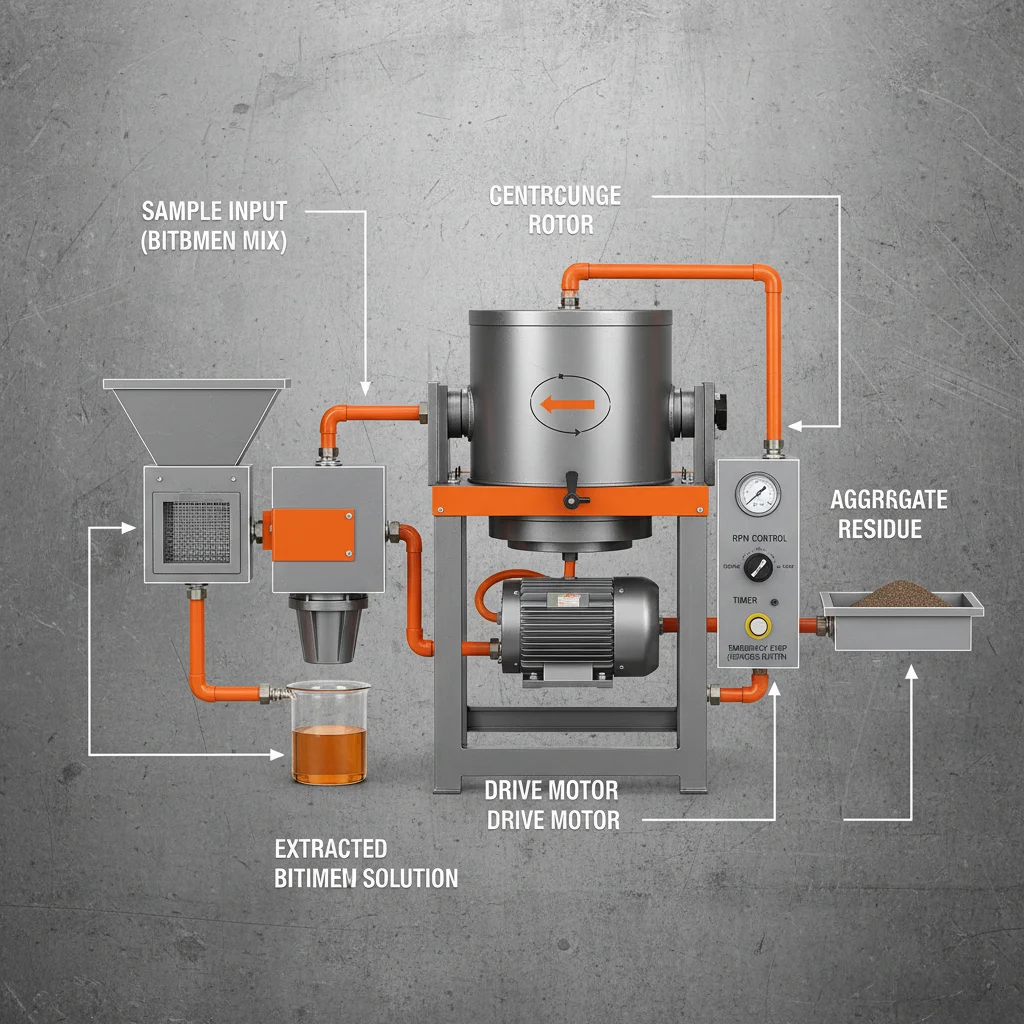
Advancing Road Infrastructure with the Bitumen Centrifuge Extraction Tester
-
Understanding the Compaction Test Apparatus for Robust Foundation Testing
-
Advancements in Road Infrastructure with Digital Marshall Stability Test Apparatus