0%

Table of Contents

The Digital Marshall Stability Test Apparatus represents a significant advancement in materials testing, specifically for asphalt mixtures used in road construction. This sophisticated equipment provides accurate and repeatable measurements of the load-bearing capacity of asphalt specimens, crucial for ensuring the longevity and safety of our infrastructure. Understanding its functionalities and applications is paramount for civil engineers, material scientists, and road maintenance professionals globally.

Worldwide, the demand for durable and resilient road networks is constantly increasing, driven by economic growth and population expansion. Traditional methods of assessing asphalt stability often rely on manual procedures, which can introduce variability and potential inaccuracies. The Digital Marshall Stability Test Apparatus addresses these challenges by automating the testing process, enhancing precision, and reducing human error, ultimately contributing to the development of more robust and cost-effective road surfaces.

The integration of digital technology into this established testing method allows for detailed data collection, analysis, and reporting. This enables faster decision-making during material selection and construction phases, optimizing project timelines and budgets. The capabilities of the Digital Marshall Stability Test Apparatus are therefore central to modern road infrastructure development and maintenance.
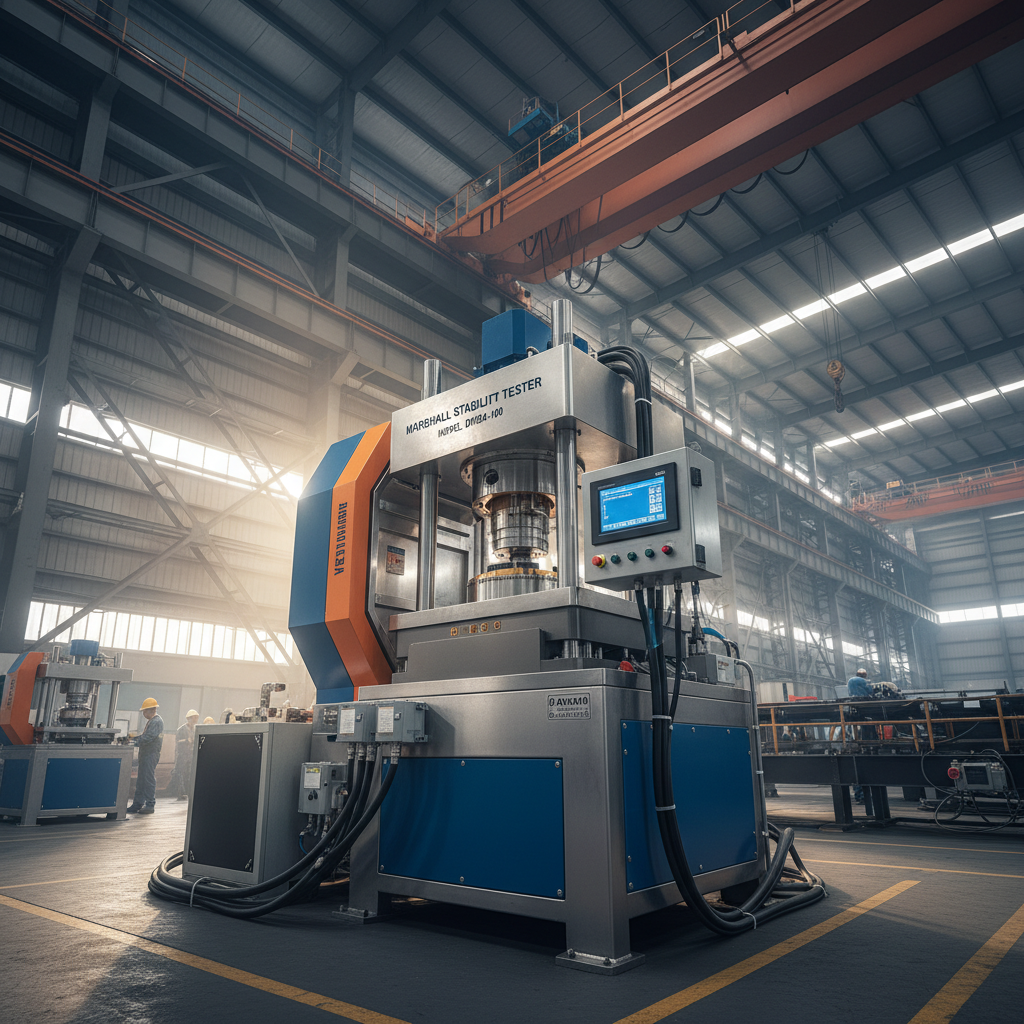
Digital Marshall Stability Test Apparatus

The Core Principles of Digital Marshall Stability Testing
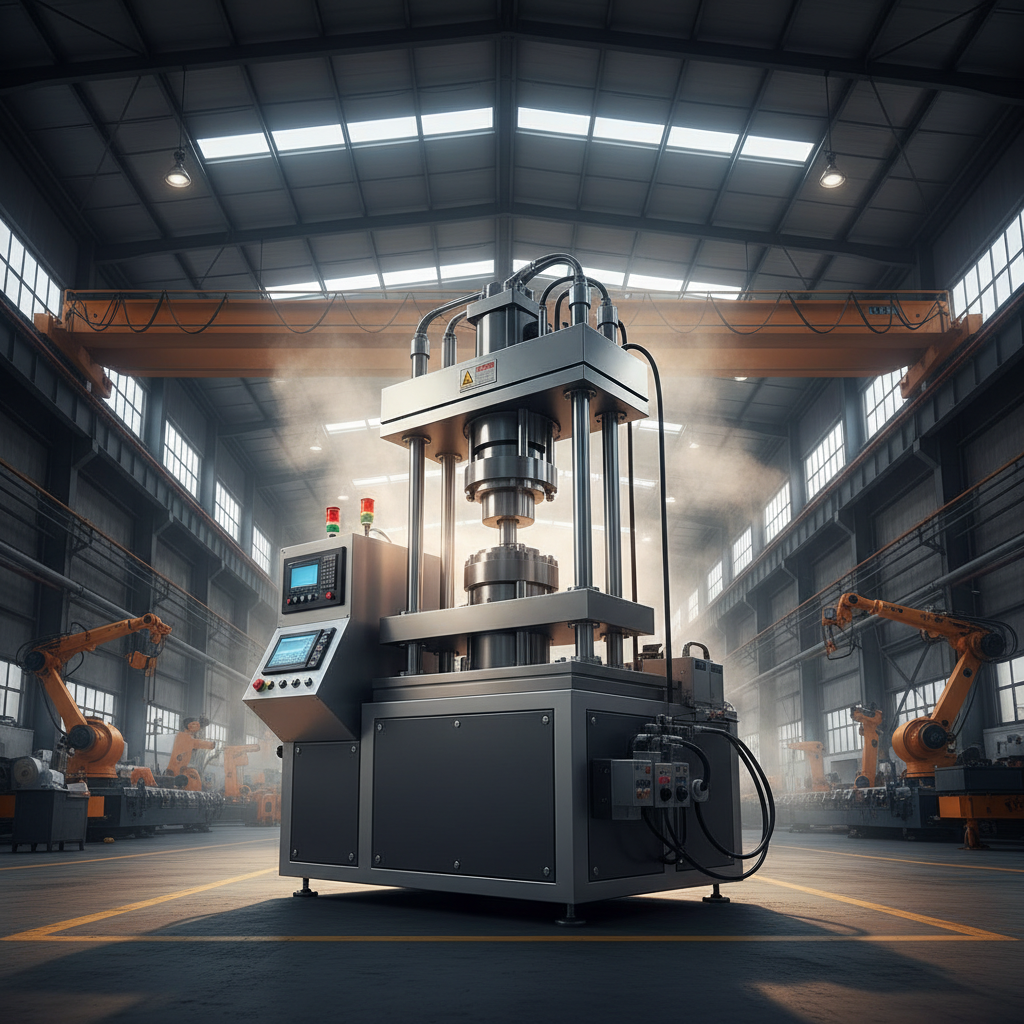
Digital Marshall Stability Test Apparatus

The Digital Marshall Stability Test Apparatus operates on the principle of measuring the maximum load a standardized asphalt specimen can sustain before failure under axial compression. This test simulates the stresses encountered by road pavements due to vehicular traffic. The digital apparatus accurately records this maximum load, along with deformation data, providing crucial insights into the asphalt mixture's resistance to rutting, cracking, and other forms of distress.

Understanding the underlying principles of asphalt behavior is key to designing durable road surfaces. The Digital Marshall Stability Test Apparatus allows engineers to assess the impact of different asphalt binder types, aggregate gradations, and compaction levels on the overall stability of the mixture, enabling informed material selection and mix design optimization.

Global Standards and Regulatory Compliance

The Digital Marshall Stability Test Apparatus is designed to comply with a range of international standards, including ASTM D693 (Standard Test Method for Marshall Stability and Flow of Bituminous Mixtures) and EN 12697-34 (Bituminous mixtures – Test methods – Part 34: Marshall stability). Adherence to these standards ensures that test results are consistent, reliable, and comparable across different laboratories and regions.

Regulatory bodies worldwide mandate Marshall Stability testing as a critical component of quality control procedures for road construction projects. The Digital Marshall Stability Test Apparatus facilitates compliance with these requirements by automating the testing process and providing accurate, traceable data. This is particularly important for large-scale infrastructure projects where consistent material performance is essential.

The use of standardized testing procedures and calibrated equipment, like the Digital Marshall Stability Test Apparatus, is vital for ensuring the long-term performance and safety of road infrastructure, reducing maintenance costs, and ultimately protecting public investments.

Key Components and Technical Specifications

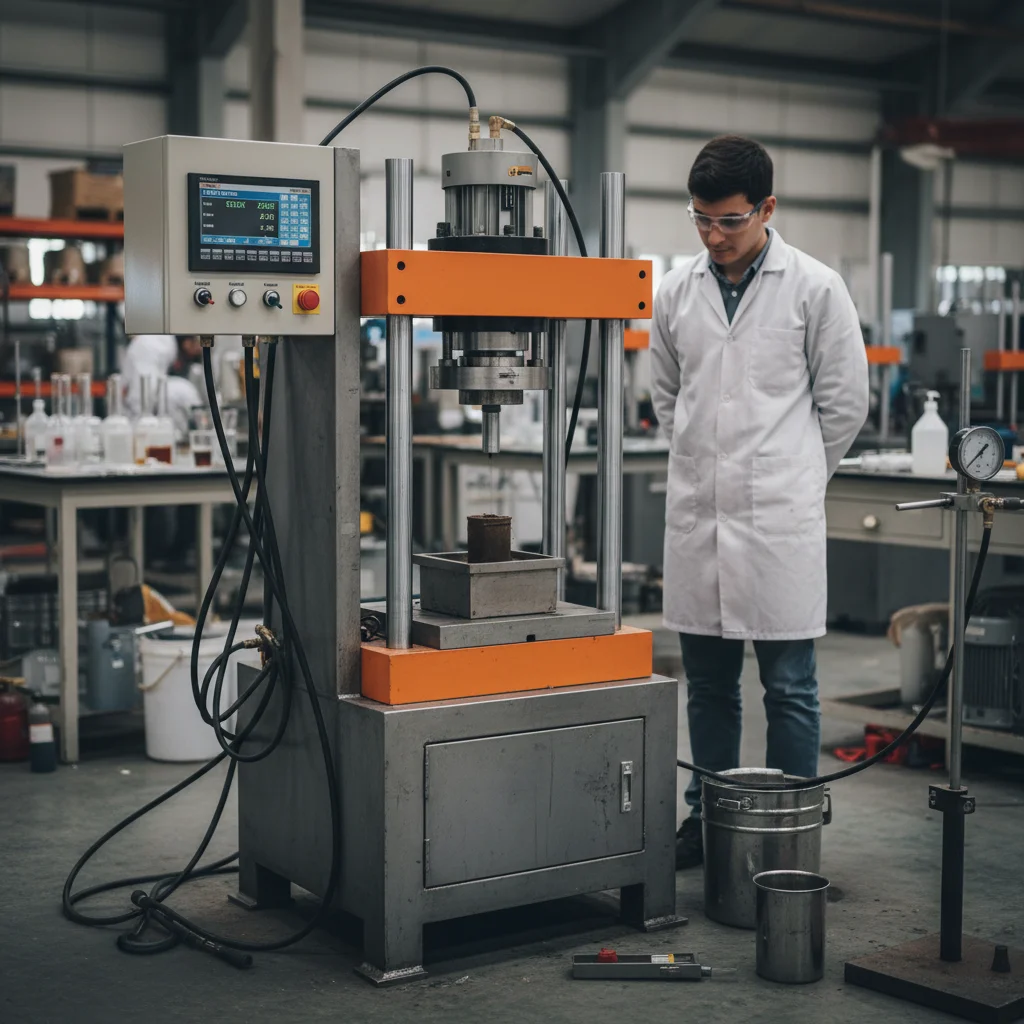
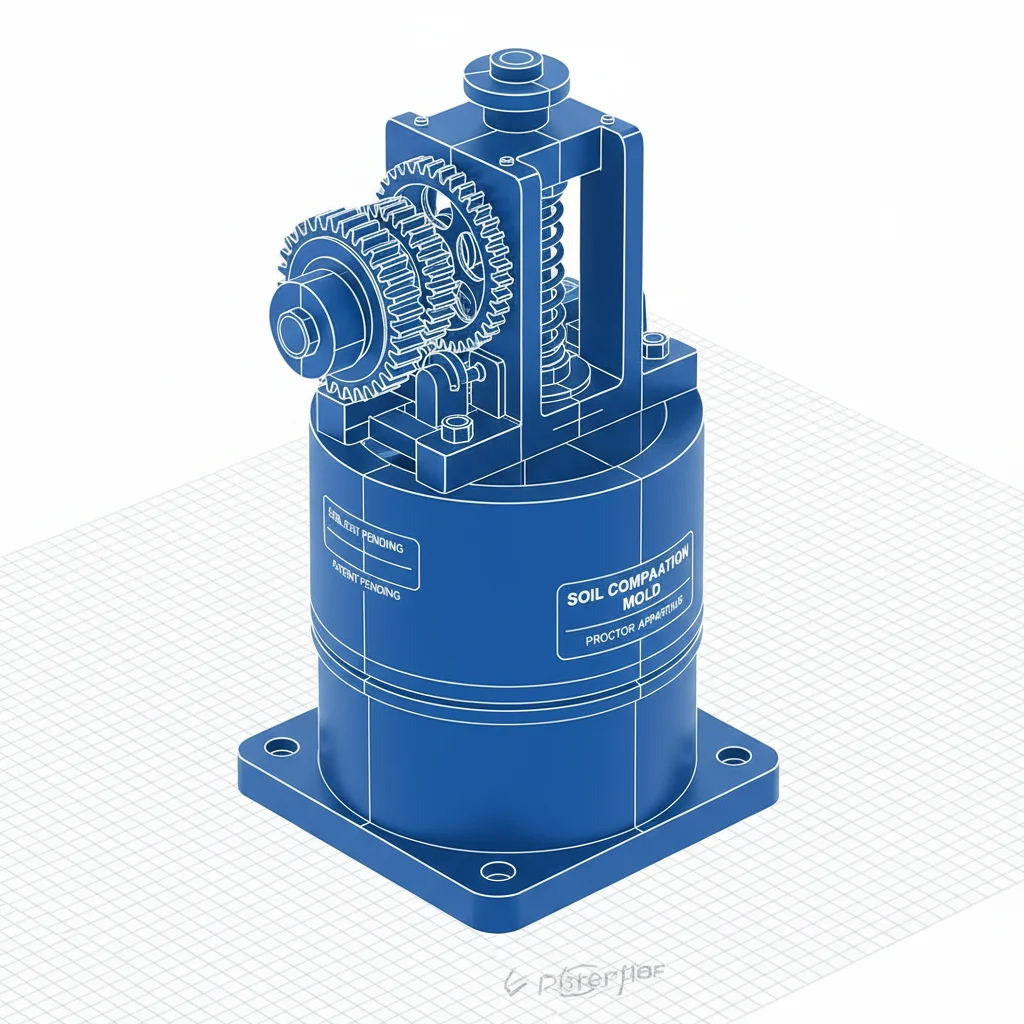
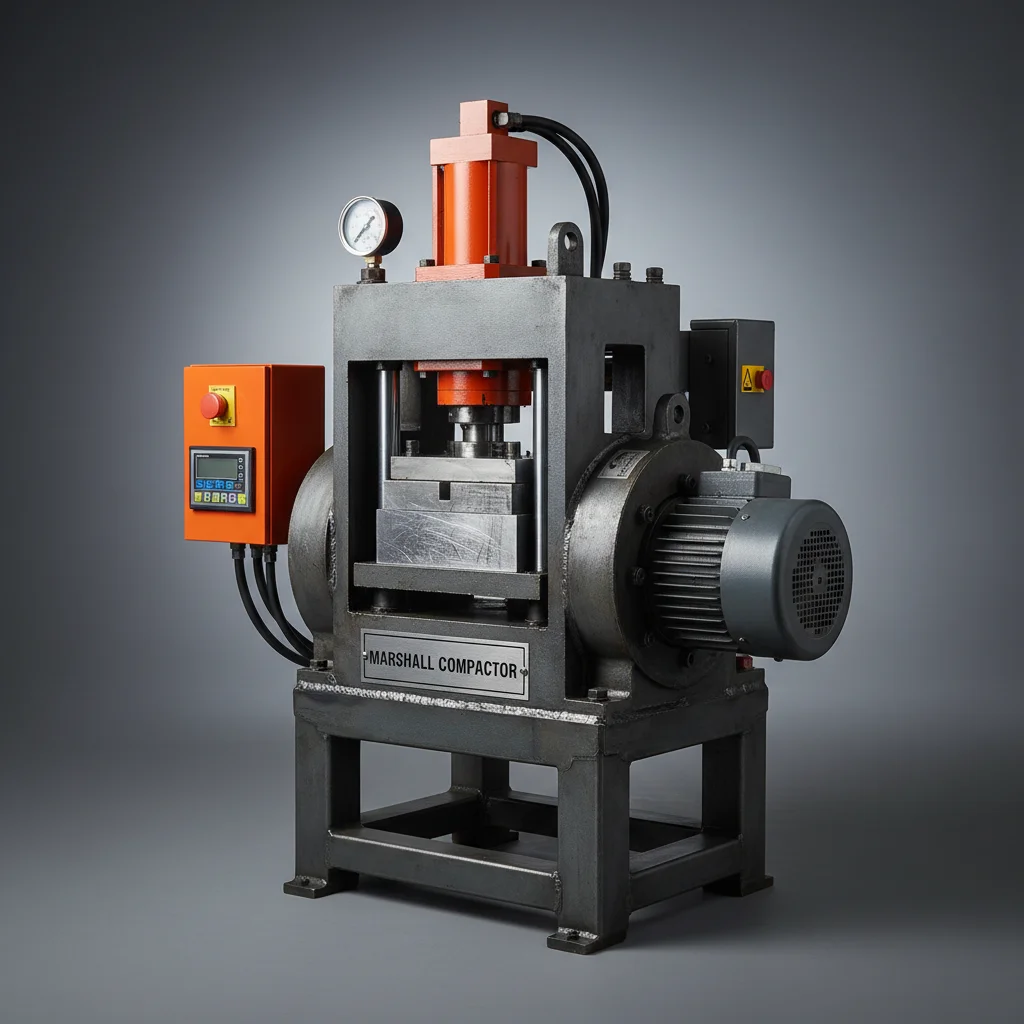
A typical Digital Marshall Stability Test Apparatus comprises several key components, including a loading frame, a calibrated proving ring (or load cell), a displacement transducer, a compaction mold, and a data acquisition system. The loading frame provides the compressive force, while the proving ring measures the applied load with high precision. The displacement transducer monitors the deformation of the specimen during the test.

Technical specifications vary depending on the model and manufacturer, but generally include a load capacity ranging from 10 kN to 200 kN, a displacement resolution of 0.01 mm, and a data sampling rate of at least 10 Hz. Modern apparatus often feature computerized control and data logging capabilities, simplifying the testing process and enhancing data management.

The data acquisition system plays a crucial role in capturing and processing the test data, generating reports with key parameters such as Marshall Stability, flow value, and bulk specific gravity. The accuracy and reliability of these components are essential for obtaining valid and meaningful results.

Performance Metrics and Data Analysis

The primary performance metric obtained from the Digital Marshall Stability Test Apparatus is the Marshall Stability value, which represents the maximum load the asphalt specimen can withstand. Another key metric is the flow value, which measures the deformation of the specimen at the maximum load. These two parameters, along with the bulk specific gravity of the mixture, are used to evaluate the overall quality and performance characteristics of the asphalt material.

Comparison of Digital Marshall Stability Test Apparatus Methods

Real-World Applications in Road Construction

The Digital Marshall Stability Test Apparatus is widely used in various stages of road construction, from initial material selection to quality control during pavement construction. It plays a vital role in ensuring that the asphalt mixtures meet the required specifications for strength, durability, and resistance to deformation.

In post-disaster relief operations, rapid assessment of existing road infrastructure is critical for restoring transportation networks. The Digital Marshall Stability Test Apparatus can be deployed quickly to evaluate the structural integrity of damaged pavements, guiding repair and rehabilitation efforts.

Advantages Over Traditional Marshall Testing

Compared to traditional manual Marshall testing, the Digital Marshall Stability Test Apparatus offers several significant advantages. Automation reduces operator fatigue and potential errors, leading to more consistent and reliable results. The digital data acquisition system provides precise measurements and eliminates the subjectivity associated with manual readings.

Furthermore, the computerized control and data logging capabilities streamline the testing process, reducing the time required to perform a complete set of tests. This increased efficiency translates into cost savings and faster turnaround times for project completion.

Future Trends and Technological Advancements

Future advancements in Digital Marshall Stability Test Apparatus technology are likely to focus on further automation, improved data analysis capabilities, and integration with other pavement testing equipment. The development of real-time monitoring systems could enable continuous assessment of asphalt mixture performance during compaction and curing.

The increasing use of sustainable materials in road construction is also driving innovation in testing methods. The Digital Marshall Stability Test Apparatus will play a key role in evaluating the performance of these new materials, ensuring that they meet the required standards for durability and environmental impact.

Artificial intelligence (AI) and machine learning (ML) algorithms could be integrated into the data analysis process to predict pavement performance and optimize mix designs, leading to more efficient and cost-effective road construction practices.

Summary of Digital Marshall Stability Test Apparatus Application Areas

Application Area Testing Frequency Key Performance Indicators Expected Outcomes
Material Acceptance Testing Each batch of asphalt mix Marshall Stability, Flow Value, Air Voids Confirmation of mix design compliance
Mix Design Optimization Iterative testing during mix development Stability, Flow, Voids in Mineral Aggregate (VMA) Optimized mix with desired performance characteristics
Quality Control during Construction Regular intervals during paving operations Stability, Flow, Density Consistent pavement quality and performance
Forensic Investigation of Pavement Failures As needed, for failure analysis Residual Stability, Tensile Strength Identification of failure causes and preventative measures
Research and Development of New Asphalt Materials Ongoing, for material evaluation Long-term performance indicators Assessment of new material viability
Routine Maintenance Assessments Periodic assessment of in-service pavements Comparison to original design parameters Early detection of potential issues and optimized maintenance schedules

FAQS

What are the key benefits of using a digital Marshall Stability Test Apparatus compared to a manual one?

The key benefits include increased accuracy and repeatability due to automated data collection, reduced operator fatigue and potential for human error, faster testing times thanks to computerized control, and enhanced data management capabilities with digital reporting. This leads to more reliable results and improved quality control in asphalt mix design and production.

What standards does the Digital Marshall Stability Test Apparatus typically comply with?

The apparatus generally complies with ASTM D693 (Standard Test Method for Marshall Stability and Flow of Bituminous Mixtures) and EN 12697-34 (Bituminous mixtures – Test methods – Part 34: Marshall stability). Adherence to these standards ensures the test results are consistent, comparable, and accepted by regulatory bodies worldwide. Verify compliance documentation with the manufacturer.

What type of maintenance is required for the Digital Marshall Stability Test Apparatus?

Regular maintenance includes calibration of the load cell and displacement transducer, lubrication of moving parts, and cleaning of the equipment. Following the manufacturer’s recommendations for preventative maintenance will ensure accurate and reliable performance over the long term. Routine inspections are also crucial for identifying potential issues early on.

What level of operator training is required to use the Digital Marshall Stability Test Apparatus effectively?

While the apparatus is automated, operators need training on proper specimen preparation, test setup, data interpretation, and equipment maintenance. Understanding the principles of Marshall Stability testing and the relevant standards is also essential. Manufacturers typically offer training programs to ensure operators can use the equipment safely and effectively.

How does the Digital Marshall Stability Test Apparatus contribute to sustainable road construction practices?

By ensuring accurate material selection and mix design, the apparatus helps optimize asphalt usage, reduce material waste, and extend pavement life. This minimizes the need for frequent repairs and reconstruction, conserving resources and reducing the environmental impact of road construction. It also facilitates the evaluation of recycled materials and sustainable binder technologies.

What are the typical data outputs provided by the Digital Marshall Stability Test Apparatus?

Typical data outputs include Marshall Stability (the maximum load sustained), Flow Value (deformation at maximum load), Bulk Specific Gravity, and a load-deformation curve. The system usually generates reports that present these parameters in a clear and concise format, facilitating data analysis and decision-making. Data can often be exported for further processing in spreadsheet or statistical software.

Conclusion

The Digital Marshall Stability Test Apparatus is an indispensable tool for modern road construction and maintenance, offering significant advantages over traditional testing methods. By providing accurate, reliable, and automated testing capabilities, it enables engineers to design and build durable, safe, and cost-effective road infrastructure. Its adherence to international standards ensures consistent quality control, while its potential for integration with emerging technologies promises even greater advancements in pavement performance assessment.

Investing in a Digital Marshall Stability Test Apparatus represents a commitment to quality, sustainability, and innovation in the transportation sector. As road networks continue to expand and evolve, the importance of precise material testing will only increase. We invite you to explore our range of Digital Marshall Stability Test Apparatus solutions and discover how we can help you optimize your road construction projects. Visit our website: www.czlabinstrument.com

Ethan Turner

Ethan Turner

Ethan is the Marketing Director at Cangzhou Jiujiang, focusing on expanding the brand's presence in North America. With over a decade of experience in outdoor apparel marketing, Ethan leverages his knowledge to promote the company’s PU rainwear, emphasizing its BSCI and GRS certifications.

Previous Understanding the Marshall Compactor for Test Specimen and its Role in Pavement Engineering
Next Marshall Stability Test Apparatus Ensuring Road Infrastructure Durability
Leave Your Message

If you are interested in our products, you can choose to leave your information here, and we will be in touch with you shortly.