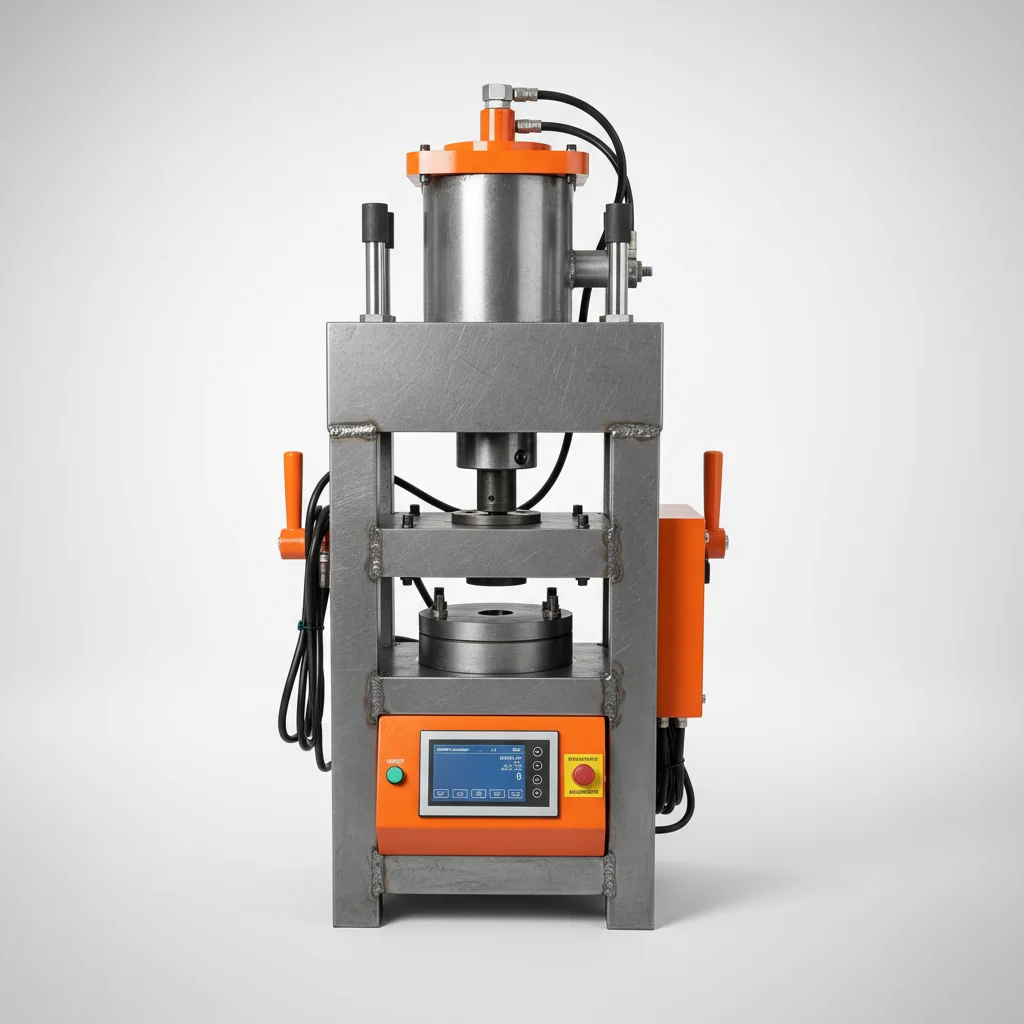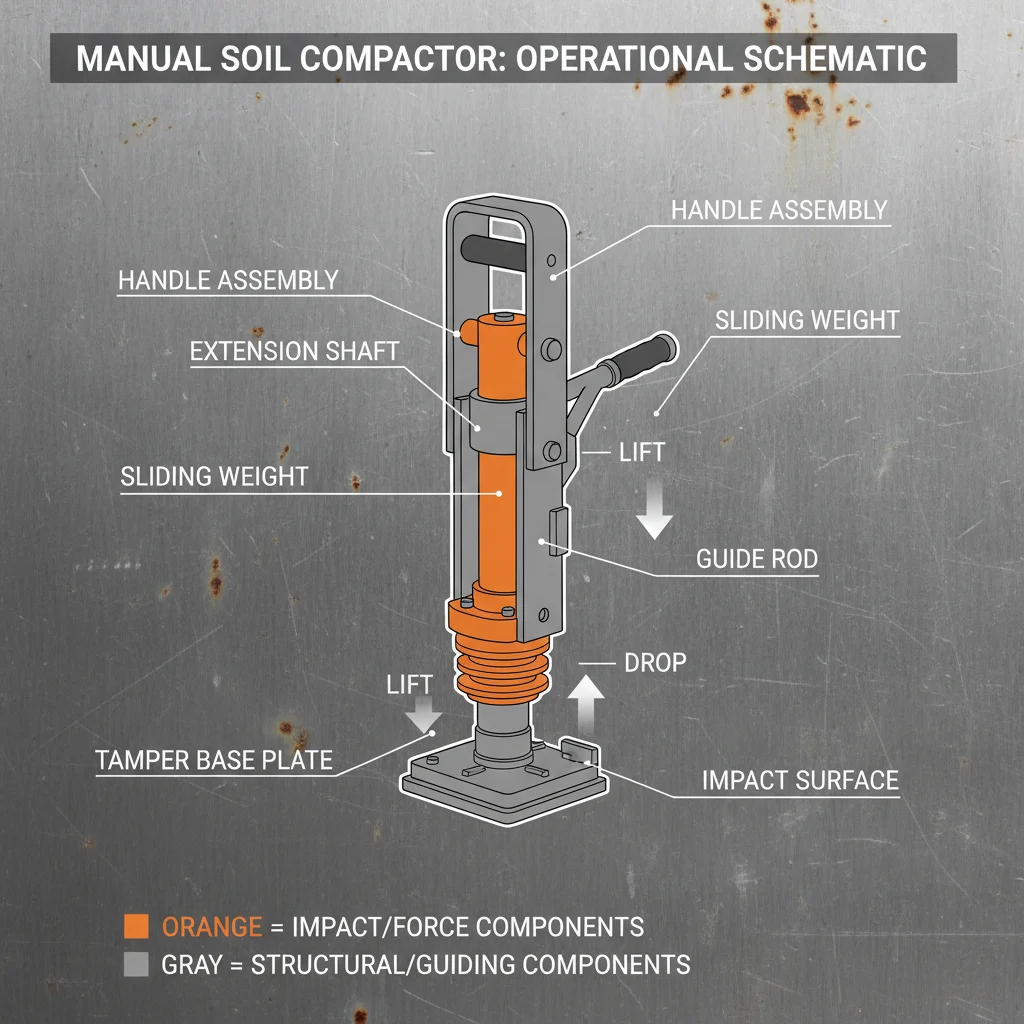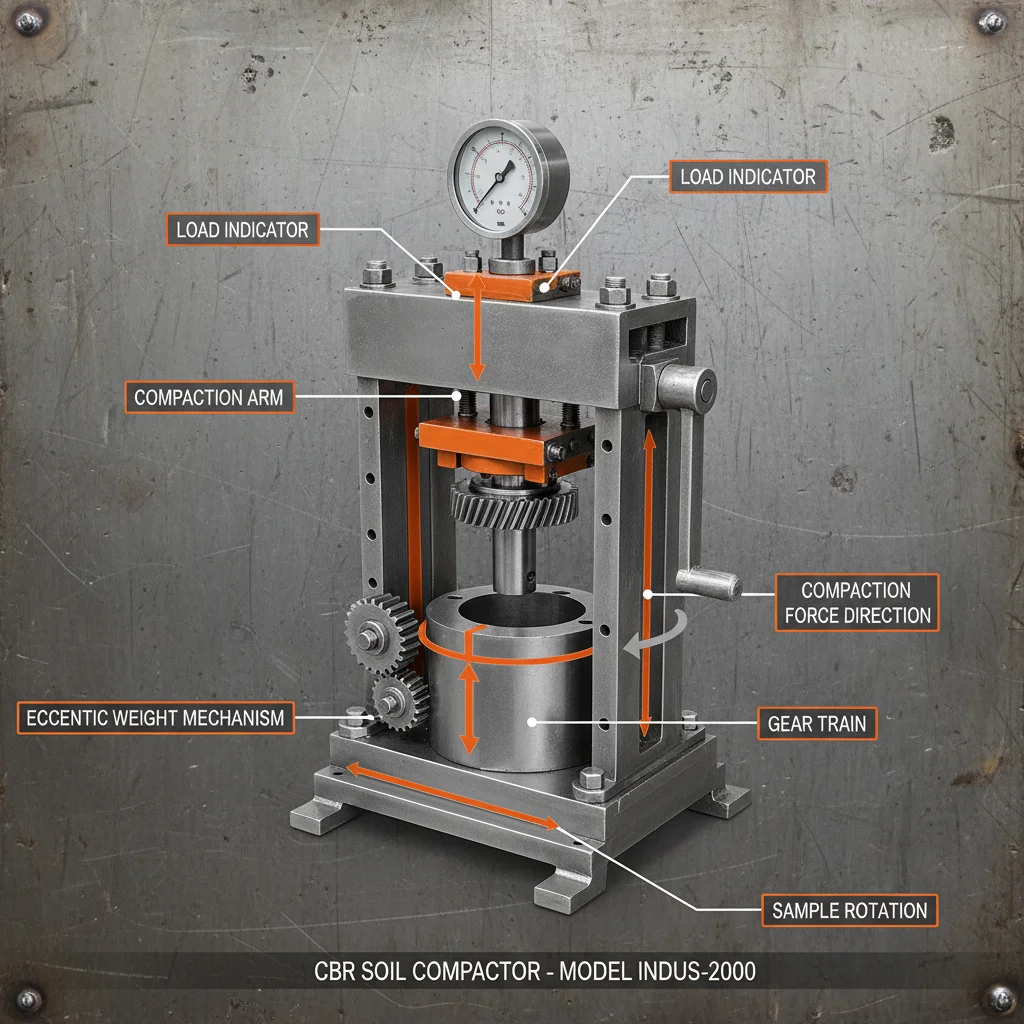
The Marshall Compactor for Test Specimen is a crucial piece of equipment in the field of geotechnical engineering, specifically for the standardized testing of asphalt mixtures. Its primary function is to replicate the compaction achieved by field rollers during road construction, ensuring the stability and durability of pavement structures. Understanding its principles and applications is paramount for civil engineers, materials scientists, and anyone involved in infrastructure development worldwide.
The relevance of the Marshall Compactor for Test Specimen extends beyond mere construction. With increasing global infrastructure demands, particularly in developing nations, accurate and reliable compaction testing becomes vital to ensure long-lasting roads, reducing maintenance costs and enhancing public safety. Organizations like the ASTM and AASHTO have established standardized procedures utilizing this compactor, making it a cornerstone of quality control in road building projects internationally.
The consistent application of the Marshall Compactor for Test Specimen allows for the creation of comparable data across different projects and locations. This enables engineers to predict pavement performance, optimize mix designs, and ultimately build roads that can withstand heavy traffic and harsh environmental conditions, contributing to sustainable infrastructure development.

The Importance of Marshall Compaction in Road Construction

The Marshall Compaction method, and consequently the Marshall Compactor for Test Specimen, is inextricably linked to the quality and longevity of asphalt pavements. Roads subjected to consistent traffic and environmental stressors require a robust foundation, and proper compaction is fundamental to achieving this. Without a standardized compaction process, predicting the performance of asphalt mixtures becomes significantly more challenging, leading to premature failure and increased maintenance demands.
The process isn’t simply about pressing material together; it’s about creating an interlocking network of aggregate particles, effectively minimizing air voids and maximizing density. The Marshall Compactor for Test Specimen allows engineers to rigorously control this process, ensuring that laboratory samples closely mimic the compaction levels achieved in the field, resulting in more reliable and predictive test data.
FAQS
The primary purpose is to simulate the compaction achieved by field rollers during road construction, allowing engineers to determine the density and stability of asphalt mixtures in a controlled laboratory setting. This ensures that pavements meet required standards and perform reliably under traffic and environmental stress. The data generated informs mix design and predicts pavement lifespan.
Regular calibration is crucial for accurate results. It is generally recommended to calibrate the Marshall Compactor at least annually, or more frequently if it is used extensively. Calibration should be performed by a qualified technician and documented to ensure traceability. Checking the hammer weight and drop height are key components of calibration.
Several factors contribute to variability, including inconsistencies in the asphalt mixture's gradation, binder content, and temperature. Operator technique, specimen preparation, and the condition of the compactor itself can also influence results. Standardized procedures and careful quality control are essential to minimize variability.
While both ASTM and AASHTO standards cover Marshall Compaction, there can be subtle differences in specific test procedures, acceptance criteria, and reporting requirements. AASHTO standards are often used in government-funded projects, while ASTM standards are more widely adopted in commercial testing laboratories. It’s crucial to adhere to the specified standard for the project.
While primarily designed for asphalt mixtures, the Marshall Compactor's principles of controlled compaction can be adapted for testing other granular materials, such as soil-cement mixtures or compacted aggregates. However, modifications to the test procedure and acceptance criteria may be necessary to ensure accurate and reliable results for these alternative materials.
The Marshall Compaction method is a valuable tool, but it has limitations. It's a laboratory simulation and doesn't perfectly replicate field compaction. Factors like uneven subgrade support and variations in roller patterns can affect field density. Therefore, correlation with field compaction measurements is essential for accurate pavement design and performance prediction.
Conclusion
In summary, the Marshall Compactor for Test Specimen remains a cornerstone of pavement engineering, providing a standardized and reliable method for evaluating asphalt mixture density and stability. Its global adoption, coupled with advancements in testing technology, ensures the construction of durable, safe, and sustainable road infrastructure.
Looking ahead, continued innovation in compaction monitoring, automation, and data analytics will further enhance the efficiency and accuracy of the Marshall Compaction process. Investing in high-quality Marshall Compactors, coupled with proper training and calibration, is paramount for achieving optimal pavement performance and minimizing long-term infrastructure costs. For more information and to explore our range of geotechnical testing equipment, visit our website: Marshall Compactor for Test Specimen.