
Precision Measurement Using Content Air Entrainment Meter
Precision Measurement with the Content Air Entrainment Meter
In the realm of concrete technology and material science, the ability to accurately measure the volume of air trapped within a mixture is critical for ensuring structural integrity and durability. A high-quality Content Air Entrainment Meter provides the necessary precision to determine the air content in fresh concrete, which directly influences the freeze-thaw resistance and workability of the final structure. Whether you are working on a high-rise building or a massive infrastructure project, understanding the air-void system is non-negotiable. In this guide, we will explore how these instruments work, their technical advantages, and why they are indispensable for quality control in modern construction.
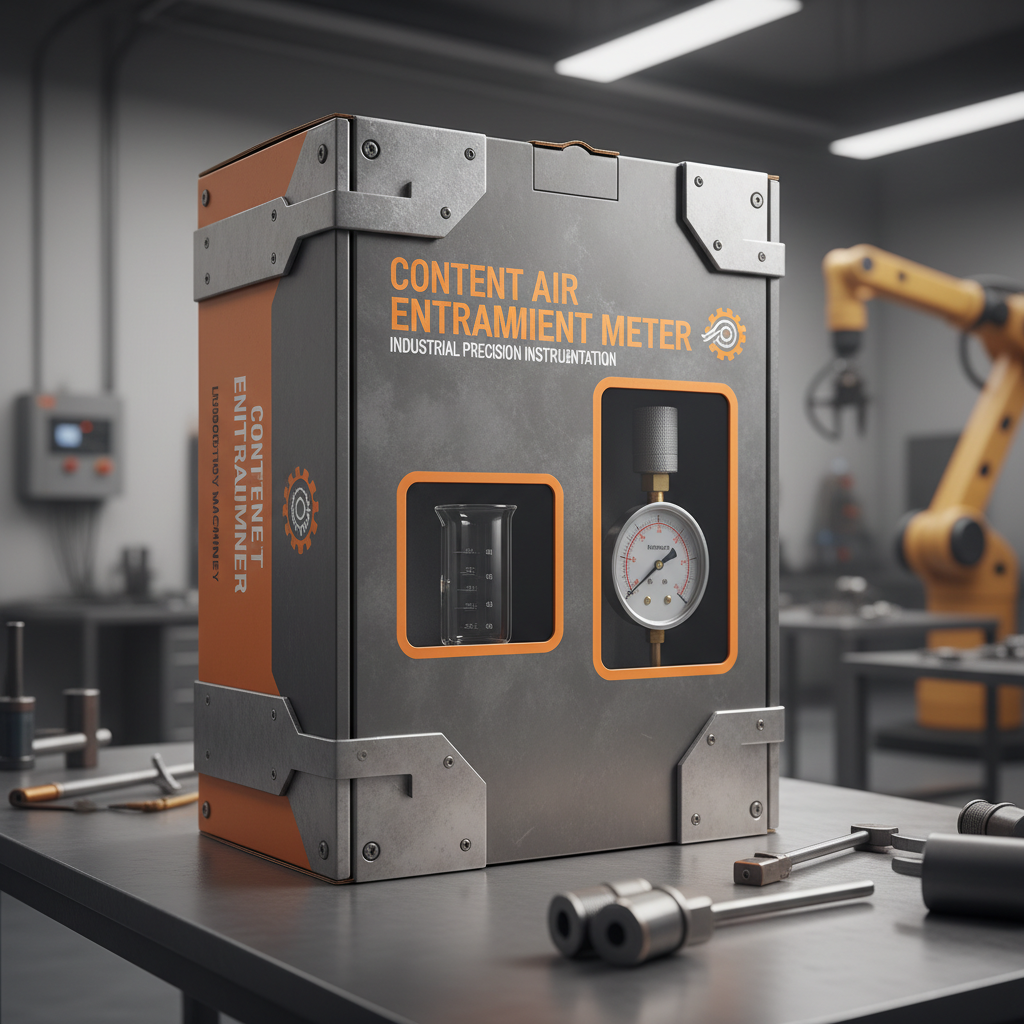
The Working Principle of a Content Air Entrainment Meter
A Content Air Entrainment Meter typically operates on the principle of pressure-volume relationships. By placing a sample of fresh concrete into a sealed chamber and applying a known amount of air pressure, the device can calculate the volume of entrained air based on the compression of the air bubbles within the mixture. This method allows engineers to detect whether the concrete has too much air, which could weaken its compressive strength, or too little, which could lead to cracking during winter cycles. Accuracy in this measurement ensures that the chemical admixtures used for air entrainment are performing as expected.
Industry Insight: Proper air entrainment typically ranges between 4% to 8% for most exterior concrete applications, depending on the climate and exposure conditions.
Comparing Types of Content Air Entrainment Meter Technologies
Not all meters are created equal. Depending on the aggregate size and the specific needs of the project, professionals may choose between pressure-based meters and volumetric methods. The modern Content Air Entrainment Meter has evolved to offer digital interfaces that eliminate human reading errors, providing a more reliable data stream for quality assurance reports. Below is a comparison between traditional manual meters and advanced digital versions.
Key Benefits of Using a Content Air Entrainment Meter
Utilizing a professional Content Air Entrainment Meter is not just about compliance; it is about risk mitigation. By controlling the air content, engineers can prevent spalling and scaling—common failures in concrete exposed to harsh winters. Furthermore, the correct amount of entrained air improves the plasticity of the concrete, making it easier to pump and finish, which reduces labor costs and improves the surface aesthetic of the structure.
Direct Impacts of Air Control:
• Enhanced Durability: Prevents internal pressure buildup during freezing.
• Improved Workability: Acts as a lubricant for better flow.
• Strength Optimization: Ensures air isn't excessive, maintaining MPa ratings.
• Cost Reduction: Minimizes future repair and maintenance needs.
Operational Guide for the Content Air Entrainment Meter
To achieve the most accurate results with your Content Air Entrainment Meter, following a standardized procedure (such as ASTM C231) is essential. First, the sample must be consolidated by rodding to remove any large air pockets that are not "entrained." Once the sample is placed in the pot and sealed, pressure is applied. The change in volume is then converted to a percentage of air. Proper cleaning of the equipment after every use is critical to prevent cement buildup, which can interfere with the seal and lead to inaccurate readings.
Technical Specifications of Professional Air Meters
When selecting a Content Air Entrainment Meter, technical specifications determine its suitability for your specific aggregate size. For instance, meters designed for large-stone concrete require larger chambers and higher pressure capacities. High-end models often feature stainless steel construction to resist the corrosive nature of wet concrete and ensure long-term stability.
Maintenance and Calibration Tips for Long-term Accuracy
To maintain the reliability of a Content Air Entrainment Meter, regular calibration is mandatory. Over time, seals can wear out, and valves may develop leaks, leading to "false" air readings. We recommend a monthly check using a known standard or by verifying against another calibrated device. Keeping the pump mechanism lubricated and ensuring the pressure gauge is not exposed to sudden shocks will significantly extend the lifespan of the instrument.
Conclusion: Ensuring Structural Quality with Precision Tools
The use of a professional Content Air Entrainment Meter is a cornerstone of modern quality control in construction. By providing precise data on air void distribution, these tools allow engineers to optimize concrete mixes for maximum durability and strength. Investing in high-precision measurement equipment not only ensures compliance with international standards but also protects the long-term safety and viability of critical infrastructure. Choose quality, choose precision, and ensure your concrete stands the test of time.
Frequently Asked Questions (FAQs)
Why is measuring air content in concrete so important?
Measuring air content is vital because air bubbles act as expansion chambers for freezing water. Without a specific percentage of entrained air, water freezing inside the concrete would expand and cause internal pressure, leading to cracks and surface scaling. However, too much air reduces the compressive strength of the concrete. A Content Air Entrainment Meter helps find the "sweet spot" where durability is maximized without compromising the load-bearing capacity of the structure.
What is the difference between entrained air and entrapped air?
Entrained air consists of microscopic, intentionally added bubbles created by chemical agents to improve freeze-thaw resistance. Entrapped air, on the other hand, consists of larger, accidental bubbles trapped during mixing or pouring. The Content Air Entrainment Meter is designed to measure the total air content, but the process of rodding the sample helps remove the large "entrapped" bubbles so that the measurement reflects the "entrained" air more accurately.
How often should I calibrate my air entrainment meter?
For high-volume construction projects, we recommend a comprehensive calibration check every month or every 500 tests, whichever comes first. Additionally, any time the device is dropped or undergoes significant temperature shifts, it should be re-verified. Regular calibration ensures that your Content Air Entrainment Meter remains within the tight tolerances required by ASTM or EN standards, preventing costly mistakes in material approval.
Can I use the same meter for all types of concrete mixes?
Generally, yes, provided the meter is compatible with the maximum aggregate size of the mix. Most standard meters are suitable for common concrete, but if you are using very large aggregates or specialized lightweight concrete, you may need a specific model with a larger pot or a different pressure range. Always check the manufacturer specifications on the CZ Lab Instrument website to ensure the tool matches your project requirements.


