The integrity of road infrastructure depends heavily on the precise composition of asphalt mixtures. The Asphalt Centrifuge Extraction Test Machine serves as a critical diagnostic tool in this process, allowing engineers to separate bitumen from mineral aggregates to determine the actual binder content. By utilizing centrifugal force, this equipment ensures that the structural specifications of highways and runways are met, preventing premature failure and enhancing long-term durability.
Globally, the demand for high-performance pavement is rising as urban centers expand and logistics networks grow. The use of an Asphalt Centrifuge Extraction Test Machine is no longer just a laboratory luxury but a regulatory necessity. It provides the empirical data required to verify that the asphalt produced at the plant matches the design mix, ensuring that every kilometer of road can withstand the predicted traffic loads and environmental stresses.
Understanding the mechanics and application of the Asphalt Centrifuge Extraction Test Machine is essential for quality control managers and civil engineers. From reducing material waste to improving safety standards, the precision offered by modern centrifuge extraction technology directly impacts the sustainability of global transport infrastructure. This comprehensive guide explores the technical nuances and industrial value of this indispensable piece of laboratory equipment.
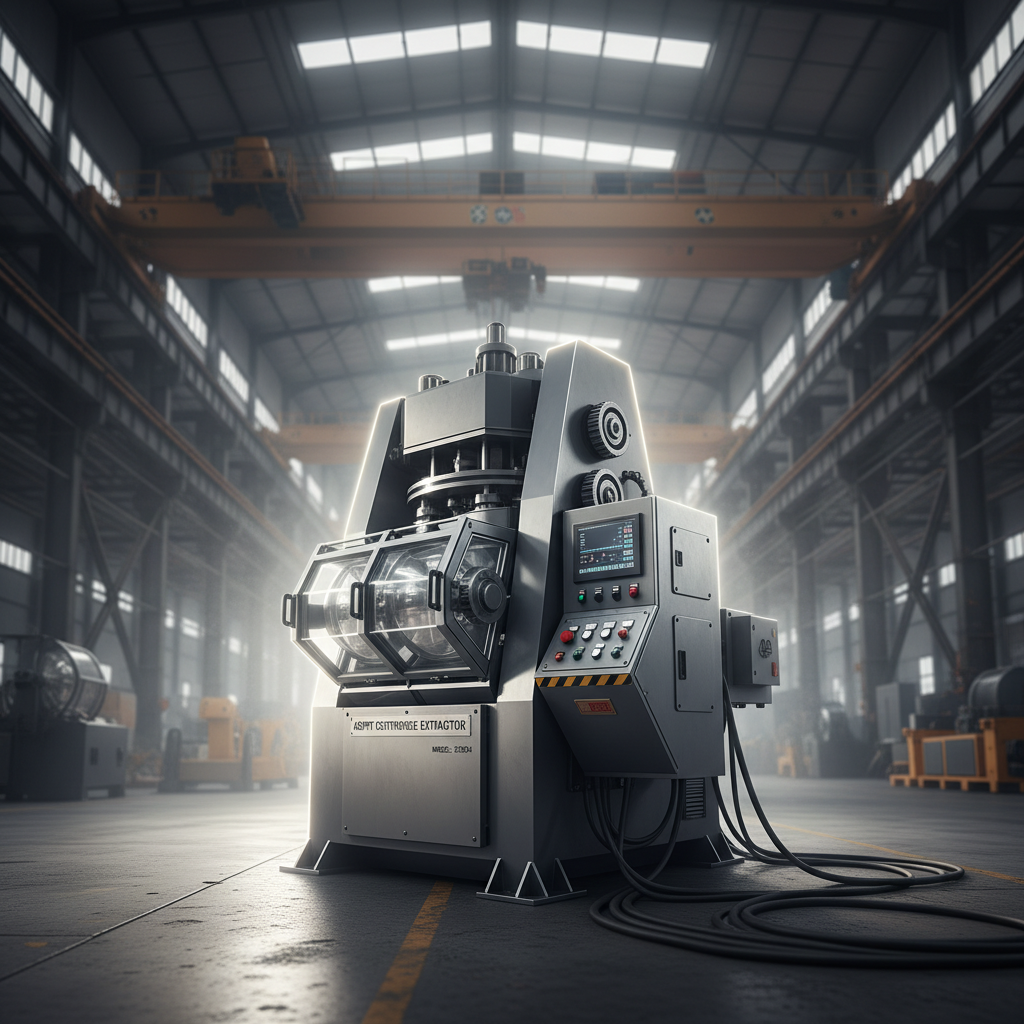
On a global scale, the maintenance of road networks is a multi-billion dollar investment. According to standards set by ISO and various national transport authorities, the binder content in asphalt must be kept within strict tolerances to avoid rutting or cracking. The Asphalt Centrifuge Extraction Test Machine is the primary instrument used to ensure these standards are met across diverse climates, from the frozen terrains of Northern Europe to the tropical heat of Southeast Asia.
The primary challenge facing modern pavement engineering is the variability of raw materials. Without a reliable Asphalt Centrifuge Extraction Test Machine, laboratories would struggle to identify inconsistencies in asphalt plants, leading to road failures that cost taxpayers billions in premature repairs. By providing a rapid and accurate method of extraction, these machines safeguard the lifespan of critical transit arteries.
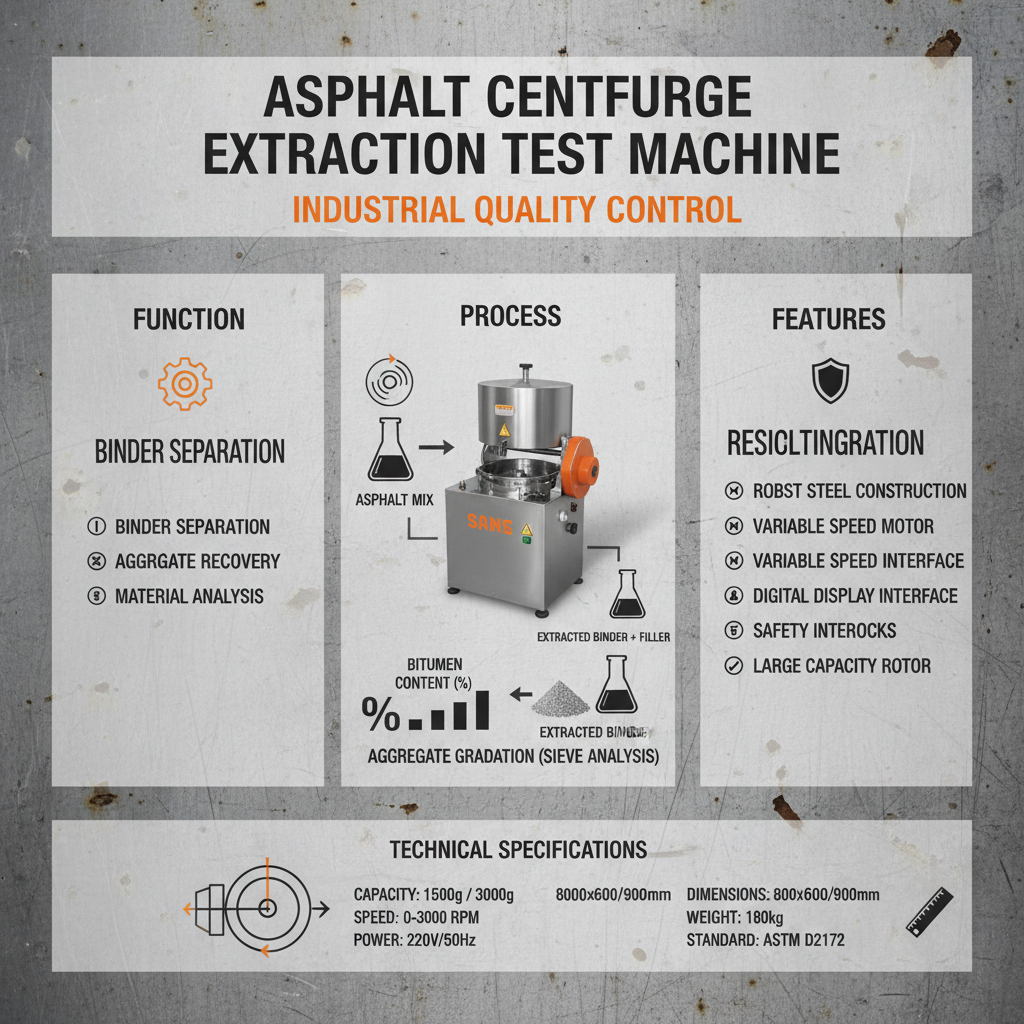
An Asphalt Centrifuge Extraction Test Machine is a specialized laboratory device designed to separate the asphalt binder (bitumen) from the mineral aggregates in a sample of asphalt mixture. This is achieved by using a centrifugal process combined with a chemical solvent. As the machine spins at high speeds, the centrifugal force pushes the solvent-dissolved binder through a filter paper, leaving the clean aggregate behind for separate weighing.
This process is fundamental to "Mix Design" and "Quality Assurance." In simple terms, it tells the engineer exactly how much "glue" (bitumen) is holding the "stones" (aggregates) together. If the percentage is too low, the road will be brittle and crack; if it is too high, the road will soften in the summer and deform under heavy truck loads.
Beyond simple testing, the Asphalt Centrifuge Extraction Test Machine connects the theoretical design of a road to its physical reality. In an era of sustainable construction, it also allows for the testing of Recycled Asphalt Pavement (RAP), ensuring that reused materials maintain the same structural integrity as virgin asphalt.
The efficiency of an Asphalt Centrifuge Extraction Test Machine depends on several engineering factors. First is the rotational stability; high-precision balancing is required to prevent vibration, which could otherwise damage the sample or the machine itself. The motor must maintain a constant RPM to ensure that the centrifugal force applied is uniform across all tests, ensuring repeatability.
Another critical factor is the solvent compatibility and filtration system. The Asphalt Centrifuge Extraction Test Machine must be constructed from corrosion-resistant materials, as it frequently interacts with aggressive solvents like trichloroethylene or hexane. High-grade stainless steel and specialized seals are essential to prevent leakage and ensure the longevity of the equipment.
Finally, ease of operation and safety are paramount. Modern Asphalt Centrifuge Extraction Test Machine units feature automatic timers and safety interlocking lids that prevent the machine from operating while open. These features reduce human error and protect laboratory technicians from exposure to chemical fumes and high-speed mechanical components.
The application of the Asphalt Centrifuge Extraction Test Machine spans across various sectors of civil engineering. In governmental road departments, it is used for "acceptance testing," where samples are taken from a newly paved road to verify that the contractor used the correct amount of bitumen. If the extraction test reveals a deficiency, the road may be rejected, forcing a rebuild to ensure public safety.
In private asphalt production plants, these machines are used for real-time batch correction. By running frequent tests with an Asphalt Centrifuge Extraction Test Machine, plant operators can adjust the bitumen feed rates instantly, reducing material waste and ensuring consistent product quality before the mix even leaves the facility.
Investing in a high-quality Asphalt Centrifuge Extraction Test Machine provides immense long-term value by reducing the cost of road maintenance. When binder content is optimized through precise testing, the resulting pavement is more resistant to moisture damage and thermal cracking. This extends the interval between resurfacing projects, saving municipal budgets millions of dollars over a decade.
From a sustainability perspective, the Asphalt Centrifuge Extraction Test Machine supports the "Circular Economy." By enabling the accurate analysis of reclaimed asphalt, it allows engineers to increase the percentage of recycled content in new roads without compromising safety. This reduces the need for virgin bitumen and mining of new aggregates, lowering the overall carbon footprint of infrastructure projects.
The future of the Asphalt Centrifuge Extraction Test Machine is moving toward automation and "Green Chemistry." We are seeing a shift away from hazardous chlorinated solvents toward bio-based, non-toxic alternatives. New machine designs are incorporating sealed systems that recapture solvent vapors, protecting the operator and reducing environmental emissions.
Digital transformation is also making its mark. Next-generation Asphalt Centrifuge Extraction Test Machine units are being equipped with IoT sensors that automatically log test results to a cloud-based management system. This eliminates manual data entry errors and allows for real-time quality monitoring across multiple project sites via a centralized dashboard.
Furthermore, we anticipate the integration of AI-driven optimization. By analyzing thousands of extraction results, software will be able to suggest the ideal mix design for specific local climates and traffic patterns, using the data provided by the Asphalt Centrifuge Extraction Test Machine to create a feedback loop of continuous improvement.
One of the most common challenges in using an Asphalt Centrifuge Extraction Test Machine is the risk of sample loss during the extraction process. If the filter paper is not seated correctly or the centrifuge speed is too aggressive, small aggregate particles can be forced through the filter, leading to an overestimation of the binder content. The solution lies in rigorous technician training and the use of calibrated, standardized filter media.
Another hurdle is the disposal of waste solvents used in the Asphalt Centrifuge Extraction Test Machine process. Modern laboratories are implementing solvent distillation units that allow for the purification and reuse of solvents, turning a waste stream into a reusable asset and significantly lowering the cost per test.
Finally, maintaining the balance of the centrifuge rotor is a frequent pain point. To solve this, manufacturers are introducing "auto-balancing" technology and more intuitive loading guides. By ensuring the Asphalt Centrifuge Extraction Test Machine operates in a state of equilibrium, labs can increase throughput without risking mechanical failure.
| Technical Dimension | Traditional Centrifuge | Modern Digital Unit | Impact on Quality |
|---|---|---|---|
| Extraction Time | 45-60 Minutes | 20-30 Minutes | Higher Throughput |
| Accuracy Level | ± 0.5% | ± 0.1% | Precise Mix Control |
| Solvent Waste | High (Open System) | Low (Closed Loop) | Eco-Friendly Operation |
| User Safety | Manual Controls | Auto-Interlock | Reduced Accident Risk |
| Maintenance | Frequent Balancing | Self-Diagnostic | Lower Downtime |
| Data Logging | Manual Paper Log | Digital Export | Audit-Ready Records |
The centrifuge machine uses solvents to dissolve and separate the bitumen, allowing for the recovery of both the binder and the aggregate for separate analysis. The ignition oven simply burns off the binder to find the weight difference. The centrifuge method is generally preferred when the chemical properties of the recovered binder need to be analyzed.
Traditionally, trichloroethylene was the standard due to its efficiency. However, due to environmental and health regulations, many labs have shifted to safer alternatives like n-propyl bromide or specific hydrocarbon blends. Always refer to your local safety guidelines and the machine's compatibility manual.
To maintain the accuracy of an Asphalt Centrifuge Extraction Test Machine, calibration should be performed annually or after any major mechanical repair. Additionally, checking the balance and RPM consistency every few months is recommended to prevent vibration and ensure repeatable results.
Yes, but modified binders (such as polymer-modified bitumen) may require slightly different solvent blends or longer extraction times to ensure complete separation. High-performance Asphalt Centrifuge Extraction Test Machines are typically capable of handling these variations provided the correct protocol is followed.
Absolutely. Modern units come in various sizes. Benchtop models are designed specifically for smaller quality control labs that need high precision without requiring a massive footprint. They offer the same centrifugal force and accuracy as larger industrial units.
Safety is critical. Operators should always work in a well-ventilated area or under a fume hood to avoid solvent inhalation. Ensure the lid is securely locked and the machine is perfectly balanced before starting. Never attempt to stop the rotor manually; always use the integrated braking system.
The Asphalt Centrifuge Extraction Test Machine stands as a cornerstone of modern road engineering, bridging the gap between laboratory design and real-world durability. By enabling the precise separation of binder and aggregate, it ensures that our infrastructure is built to last, reducing costly repairs and enhancing the safety of millions of commuters. From its core mechanical stability to its role in supporting recycled materials, the value of this equipment is found in every smooth, long-lasting stretch of highway.
As we move toward a more sustainable and digitally integrated future, the evolution of extraction technology will continue to prioritize environmental safety and automated precision. For laboratories and construction firms aiming for excellence, investing in a high-quality Asphalt Centrifuge Extraction Test Machine is not just a matter of compliance, but a commitment to engineering quality. To explore our full range of professional testing solutions, visit our website: www.czlabinstrument.com.
If you are interested in our products, you can choose to leave your information here, and we will be in touch with you shortly.