Advanced Material Testing Solutions with biochemical incubators in New Zealand

Precision-engineered laboratory instrumentation designed to meet the rigorous quality standards of New Zealand's research and manufacturing sectors.

Advanced Material Testing Solutions with biochemical incubators in New Zealand

Providing high-performance thermal control and sample preparation equipment to empower scientific breakthroughs across the Oceania region.

Analyzing the Laboratory Instrumentation Landscape in New Zealand

Adapting precision testing to the unique environmental and economic demands of the New Zealand market.

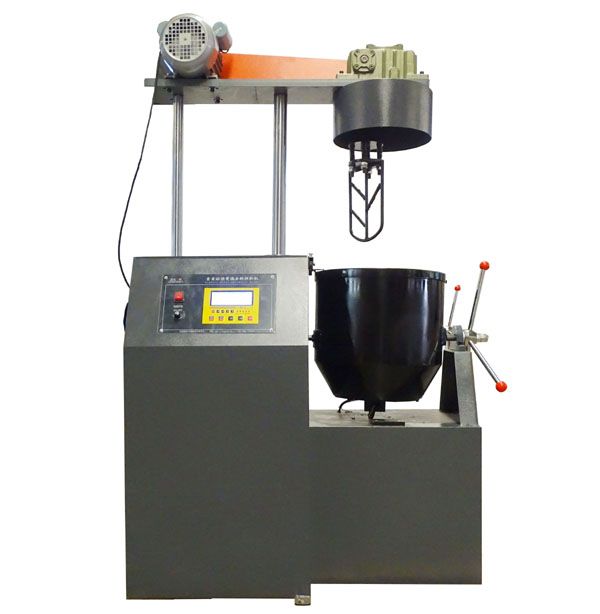
New Zealand's commitment to agricultural excellence and biosecurity necessitates high-precision tools. The adoption of a Laboratory sample Crusher is critical for the local dairy and soil analysis industries, ensuring that samples are processed without contamination to maintain strict export quality standards.

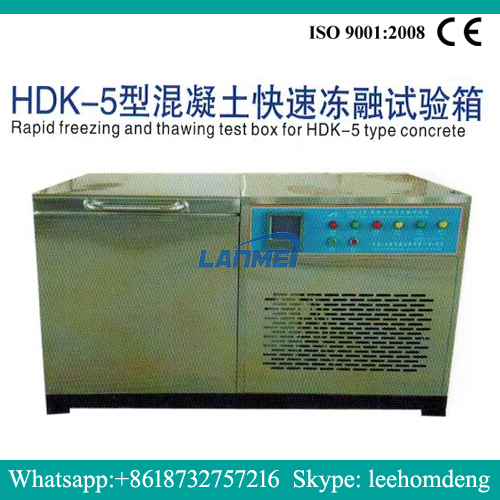
Given the varied temperate climate of the islands, maintaining stable internal environments is a challenge. The demand for a reliable Cooling incubator has surged in pharmaceutical and botanical research centers in Auckland and Christchurch to simulate specific growth conditions and preserve sensitive biological reagents.

The local manufacturing sector is currently transitioning toward high-automation. This shift requires robust lab incubators that can integrate with digital monitoring systems, reducing manual labor while increasing the reproducibility of material stress tests and biological assays.
Evolution of Material Testing and Thermal Control Technology

From mechanical simplicity to intelligent, automated laboratory ecosystems.

Market Development History

In the early 2000s, New Zealand's labs relied primarily on basic convection heating. The introduction of specialized biochemical incubators marked a turning point around 2010, allowing for precise CO2 and humidity control essential for advanced cellular research.

By 2015, the focus shifted toward sample preparation efficiency. The integration of high-torque Laboratory sample Crusher units allowed researchers to process harder mineral and organic samples, accelerating the pace of geological and agricultural research.

From 2020 to the present, the trend has evolved toward energy-efficient, low-noise systems. Modern Lab BOO incubator models now feature PID temperature controllers and eco-friendly refrigerants to align with New Zealand's strict carbon-neutral goals.

Future Development Trends

AI-Driven Thermal Calibration

We anticipate a move toward self-optimizing thermal profiles where incubators adjust temperatures based on real-time sample metabolic rates.

Sustainable Material Construction

Future hardware will utilize bio-compatible and recyclable alloys to reduce the environmental footprint of laboratory infrastructure.

IoT Integrated Monitoring

Remote cloud-based monitoring will become the standard, allowing NZ scientists to track their experiments from any location via encrypted mobile interfaces.

Industry Trends and Future Outlook for NZ Lab Gear

Strategic directions for the next 3-5 years in instrument manufacturing.

Hyper-Precision Thermal Stability
Implementing advanced vacuum insulation to minimize temperature fluctuations in high-end lab environments.
Automated Sample Preparation
Reducing human error by integrating robotic arms with sample crushing and loading systems.
Green Lab Certification
Development of energy-saving modes that comply with New Zealand's environmental regulations.
Modular Hardware Design
Creating interchangeable modules to allow labs to upgrade specific functions without replacing the whole unit.

Industry Outlook

Google search trends indicate a significant rise in queries for "smart laboratory automation" within the Oceania region. This suggests that New Zealand laboratories are moving away from standalone equipment toward an interconnected ecosystem where data flows seamlessly from the Laboratory sample Crusher directly to the analysis software.

The next five years will see a convergence of biotechnology and material science. We expect a surge in demand for hybrid lab incubators that can handle both chemical synthesis and biological growth, catering to the growing biotech startup scene in Wellington.

Local Application Scenarios in New Zealand

Real-world implementations of our instruments in NZ's key industries.

01. Dairy Quality Control & Protein Analysis

Utilizing high-performance Laboratory sample Crusher units to homogenize milk powder and feed samples for precision nutritional testing in Waikato's dairy labs.

02. Rare Flora Preservation & Research

Implementing Cooling incubator systems to maintain the viability of endemic New Zealand plant tissue cultures at precise low temperatures.

03. Pharmaceutical R&D for Bio-Medicine

Using biochemical incubators to cultivate specialized cell lines for drug efficacy testing in Auckland's biomedical research hubs.

04. Soil Science & Mineral Exploration

Employing heavy-duty crushing equipment and lab incubators to study the decomposition of organic matter in New Zealand's unique volcanic soils.

05. Food Safety & Microbiological Screening

Deploying Lab BOO incubator units for the rapid incubation of food-borne pathogen samples to ensure compliance with MPI regulations.

Brand Story

Global Development History of Cangzhou Lanmei Import and Export Trade Co., Ltd.

Foundation and Vision

Established with a mission to bridge the gap between high-end engineering and laboratory accessibility, focusing on durable material testing tools.

Technological Breakthroughs

Developing proprietary PID control algorithms for incubators, significantly reducing temperature variance for global scientific users.

Global Market Expansion

Expanding our footprint into Oceania, providing tailored solutions for the unique agricultural and geological needs of New Zealand.

Quality Certification Milestone

Achieving international ISO and CE certifications, ensuring every instrument meets the highest safety and precision standards.

Future-Ready Innovation

Currently investing in AI-integrated diagnostics to create the next generation of autonomous laboratory environments.

Comprehensive Product Portfolio for New Zealand Laboratories

A complete suite of sample preparation and thermal control instruments for every research scale.

Common Questions Regarding Lab Instruments in New Zealand

Expert answers to technical queries about installation, usage, and compliance in NZ.

How does the voltage of New Zealand affect the operation of a Lab BOO incubator?

Our instruments are specifically configured for New Zealand's 230V/50Hz power grid, ensuring stable performance without the need for external transformers.

Can a Laboratory sample Crusher handle hard New Zealand mineral samples?

Yes, our crushers are built with reinforced tungsten carbide or stainless steel chambers designed to process high-density geological samples found in the region.

What is the difference between biochemical incubators and standard lab incubators?

Biochemical incubators provide advanced control over CO2 and humidity, whereas standard lab incubators primarily focus on temperature stability.

How often should a Cooling incubator be calibrated for NZ health standards?

We recommend semi-annual calibration to ensure compliance with local health and safety regulations and to maintain experimental integrity.

Are your lab incubators energy-efficient enough for NZ carbon goals?

Absolutely. Our latest models use high-density insulation and energy-saving compressors to minimize electricity consumption.

What shipping options are available for heavy equipment to New Zealand?

We offer specialized sea freight and air cargo options with full customs clearance support to ensure safe delivery to any NZ city.

Ready to Upgrade Your Laboratory?

Contact our specialist team for personalized equipment configuration and shipping logistics to New Zealand.

Contact Us Now
Leave Your Message

If you are interested in our products, you can choose to leave your information here, and we will be in touch with you shortly.