
Choosing the Right Lab Oven for Research and Scientific Applications
Choosing the Right Lab Oven for Your Research Needs
Selecting the optimal lab oven is crucial for achieving consistent and reliable results in a variety of scientific applications. From drying samples and sterilizing equipment to performing complex chemical reactions, a high-quality lab oven provides a controlled thermal environment essential for accurate experimentation. This guide will explore the key features, types, applications, and considerations when choosing a lab oven from CZ Lab Instrument, helping you make an informed decision to meet your specific laboratory requirements. Investing in the right equipment means investing in the success of your research.
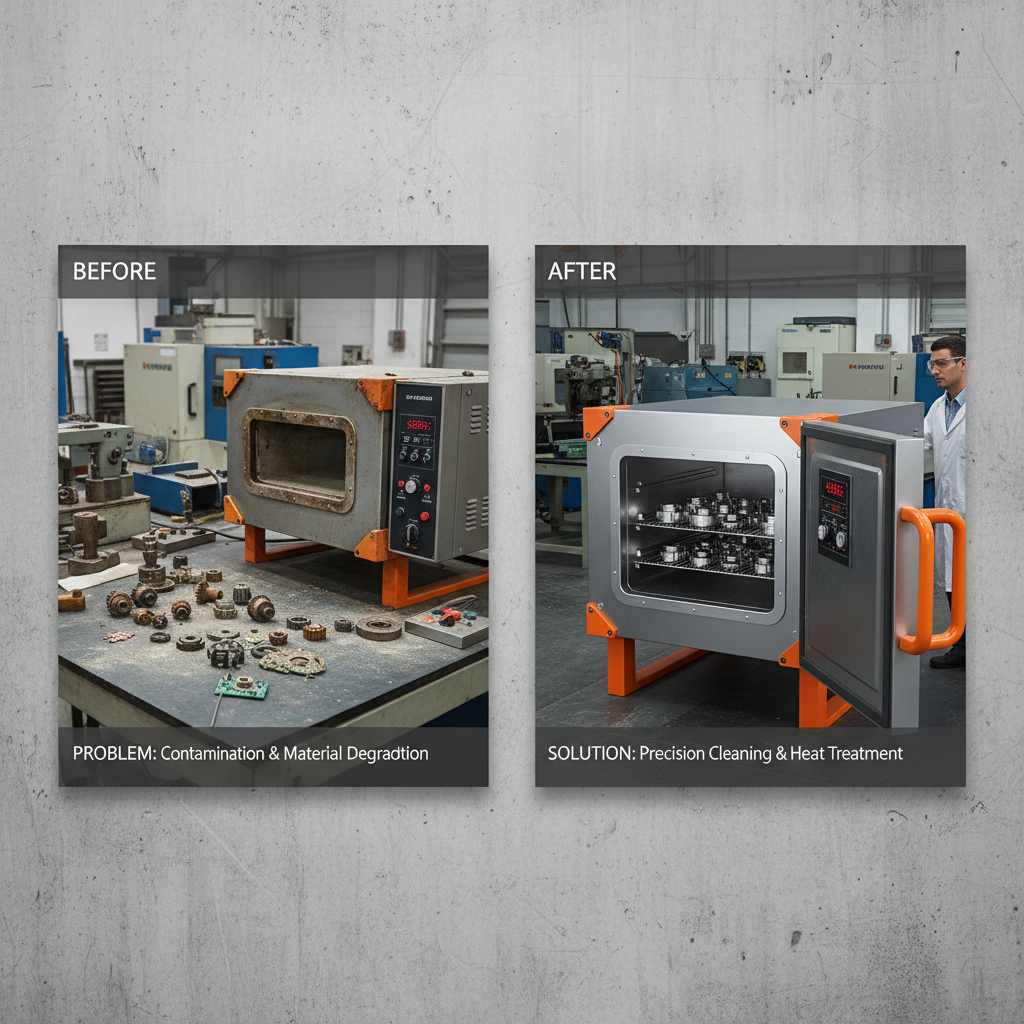
Understanding the Different Types of Lab Ovens
Lab ovens are available in several configurations, each designed for specific applications. Conventional ovens provide basic heating capabilities and are suitable for general drying and heating tasks. Forced-air ovens utilize a fan to circulate air, ensuring uniform temperature distribution throughout the chamber, making them ideal for applications requiring precise and consistent heating. Vacuum ovens, which remove air from the chamber, are used for drying heat-sensitive materials or performing processes under inert conditions. Finally, inert gas ovens offer a controlled atmosphere, preventing oxidation or other unwanted reactions during heating. CZ Lab Instrument offers a comprehensive range of lab ovens to cater to diverse research needs.
Key Takeaway: Selecting the appropriate oven type directly impacts the accuracy and reliability of your experimental results. Consider the specific requirements of your application when making your choice.
Key Features to Consider When Purchasing a Lab Oven
When evaluating lab ovens, several key features should be prioritized. Temperature range and accuracy are paramount, ensuring the oven can reach and maintain the desired temperature with precision. Chamber size is another important factor, determining the capacity for your samples and equipment. Digital temperature controllers offer enhanced accuracy and programmability, allowing for complex temperature profiles. Furthermore, safety features such as over-temperature protection and door interlocks are crucial for preventing accidents and ensuring a safe laboratory environment. CZ Lab Instrument’s lab ovens are built with these considerations in mind, delivering exceptional performance and reliability.
Essential Features Checklist:
• Temperature Range and Accuracy
• Chamber Size and Configuration
• Digital Temperature Controller
• Safety Features (Over-Temperature Protection, Door Interlocks)
Lab Oven Applications Across Scientific Disciplines
Lab ovens find widespread use across diverse scientific disciplines. In chemistry, they are used for drying precipitates, evaporating solvents, and performing thermal analysis. In biology, they are employed for sterilizing glassware and drying cultures. Material science utilizes lab ovens for heat treatment, curing polymers, and determining material properties. Pharmaceutical research relies on ovens for drying drug formulations and stability testing. CZ Lab Instrument's ovens support a broad spectrum of applications, catering to the needs of researchers in various fields.
Why Choose CZ Lab Instrument for Your Lab Oven Needs?
At CZ Lab Instrument, we are committed to providing high-quality, reliable lab ovens designed to meet the diverse needs of researchers. Our ovens feature precise temperature control, uniform heat distribution, and robust construction. We offer a wide selection of models, including conventional, forced-air, and vacuum ovens, to accommodate various applications. Furthermore, our dedicated customer support team is available to assist you in selecting the right oven for your specific requirements. We prioritize quality, innovation, and customer satisfaction.
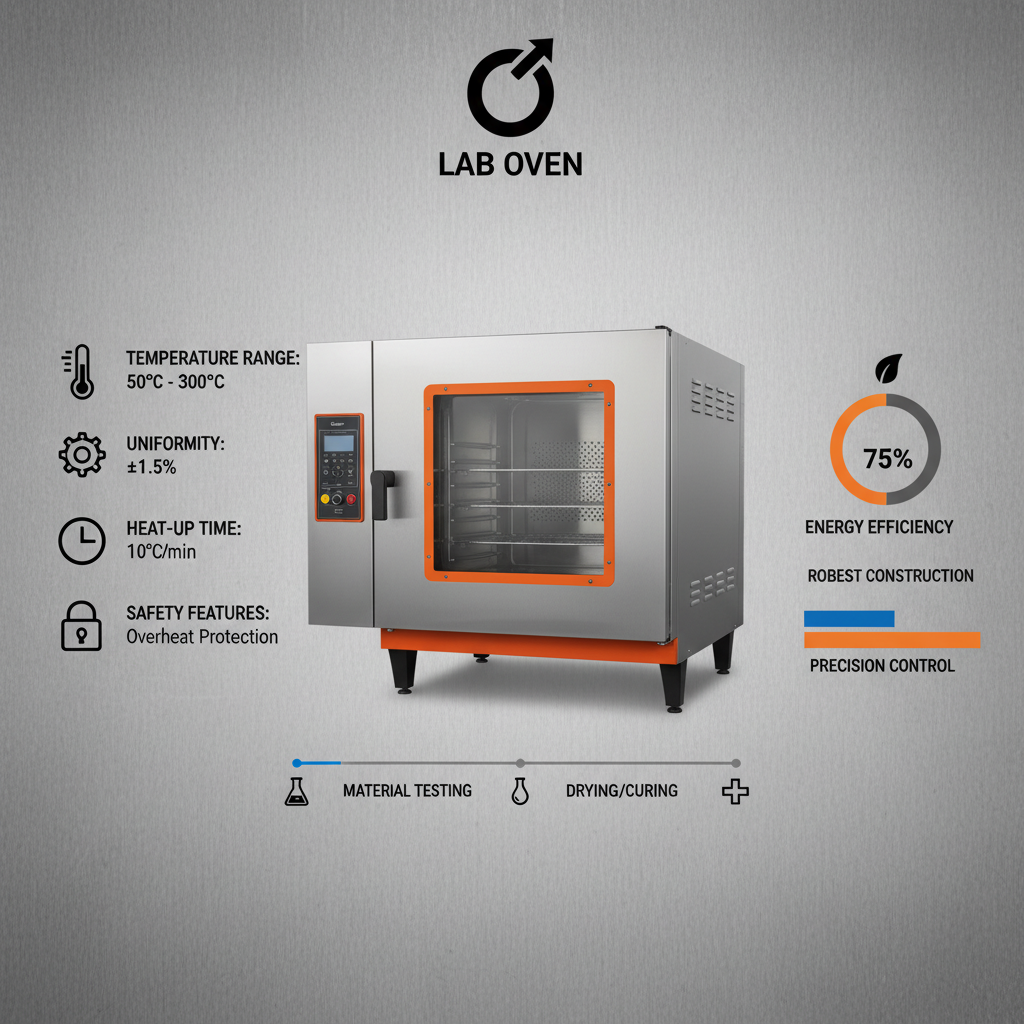
Product Specifications: Example - CZ-L010 Lab Oven
Here's an example of the specifications for our popular CZ-L010 Lab Oven:
Conclusion: Finding the Perfect Lab Oven with CZ Lab Instrument
Investing in a high-quality lab oven from CZ Lab Instrument is a strategic decision that empowers your research. With our diverse selection, commitment to quality, and dedicated customer support, we can help you find the perfect oven to meet your specific needs. Contact us today to explore our range of lab ovens and discover how we can support your scientific endeavors.
Frequently Asked Questions (FAQs)
What factors affect the temperature uniformity in a lab oven?
Temperature uniformity within a lab oven is influenced by several factors, including the oven's design, the efficiency of the heating elements, the airflow pattern (especially in forced-air ovens), the load distribution inside the chamber, and the quality of the insulation. Ensuring consistent temperature distribution is critical for accurate and reproducible experimental results. CZ Lab Instrument ovens are designed with optimized airflow and high-quality insulation to minimize temperature gradients and provide exceptional uniformity. Proper loading of samples, avoiding overcrowding, and ensuring adequate space between samples and the oven walls also contribute to better temperature uniformity.
How often should I calibrate my lab oven?
It is recommended to calibrate your lab oven at least once a year, or more frequently if it is used for critical applications or if the oven is subjected to frequent temperature fluctuations. Calibration ensures that the oven's temperature readings are accurate and traceable to national standards. CZ Lab Instrument offers calibration services to maintain the accuracy and reliability of your equipment. Regular calibration is essential for maintaining data integrity and complying with quality control standards.
What safety features are important in a lab oven?
Essential safety features in a lab oven include over-temperature protection, which prevents the oven from exceeding a safe operating temperature, and a door interlock system, which automatically shuts off the heating elements when the door is opened. Additional safety features may include audible alarms, double-walled construction for reduced heat loss, and temperature controllers with lockout functions to prevent unauthorized adjustments. CZ Lab Instrument ovens are equipped with these critical safety features to ensure a safe working environment.
What is the difference between a conventional and a forced-air lab oven?
The primary difference between conventional and forced-air lab ovens lies in their air circulation systems. Conventional ovens rely on natural convection to distribute heat, which can result in temperature variations within the chamber. Forced-air ovens utilize a fan to actively circulate air, ensuring a more uniform temperature distribution throughout the chamber. Forced-air ovens are preferred for applications requiring precise and consistent heating, while conventional ovens are suitable for general drying and heating tasks.


